Tirzepatide Side Effects And Gut Health: What To Expect And How To Support Your GI System








If you're on tirzepatide (or seriously considering it), you've probably heard two things at the same time: "It works," and "The stomach stuff can be rough." Both can be true.
Tirzepatide side effects often show up in the digestive tract first, because the medication is designed to change how your gut and brain talk to each other about hunger, fullness, and blood sugar. For many people, that means nausea, constipation, diarrhea, reflux, or a weird mix that seems to change week to week. The good news is that most GI symptoms are manageable, especially when you understand why they're happening and how to support your gut health while your body adapts.
Below, you'll learn what tirzepatide does to digestion, what common gut-related side effects feel like, who's more likely to struggle, and practical, evidence-informed ways to improve tolerability without sabotaging your nutrition or progress.
Why Tirzepatide Affects Digestion In The First Place
Tirzepatide is a dual incretin agonist, meaning it activates two hormone pathways: GLP-1 (glucagon-like peptide-1) and GIP (glucose-dependent insulinotropic polypeptide). Those hormones are naturally involved in appetite regulation, insulin response, and digestion.
That's why tirzepatide side effects so often involve your gut. The same mechanisms that help with weight loss and metabolic health can also shift the tempo of your digestive system.
How GLP-1 And GIP Signaling Changes Motility And Appetite
When GLP-1 and GIP signaling is amplified, several things happen that matter for day-to-day symptoms:
Your stomach and intestines tend to move food along more slowly (motility changes). This is part of how you feel full sooner and stay full longer.
Your brain receives stronger "I've eaten enough" signals. Appetite drops, cravings often decrease, and portion sizes shrink naturally.
Your blood sugar response to meals improves through increased insulin secretion (in a glucose-dependent way) and reduced glucagon signaling.
The flip side is that a slower, fuller stomach is more likely to trigger nausea, reflux, bloating, and that uncomfortable "food just sitting there" sensation. In clinical trials, GI side effects like nausea (roughly 20–35%), diarrhea (about 16–21%), vomiting (around 9–16%), and constipation (wide range, roughly 2–20%) are commonly reported, especially during dose escalation and at higher doses.
What "Delayed Gastric Emptying" Means For Symptoms
Delayed gastric emptying simply means your stomach empties into your small intestine more slowly than it used to.
In real life, this can feel like:
Fullness that lasts for hours after a normal meal
Early satiety (you feel "done" after just a few bites)
Nausea that seems worse after eating, especially higher-fat meals
Bloating or pressure in the upper abdomen
Reflux, heartburn, or frequent burping because food and acid stay in the stomach longer
A key point: delayed gastric emptying is expected with GLP-1–based therapies, and it often improves as your body adapts. But if it's severe, persistent, or accompanied by red-flag symptoms (covered below), it needs medical attention.
Common Gut-Related Side Effects And What They Feel Like
People often describe tirzepatide GI symptoms as "unpredictable," but there's a pattern: symptoms tend to flare after starting, after dose increases, or when your meal size/fat content doesn't match your new appetite and motility.
Here's what the most common gut-related tirzepatide side effects can feel like in plain English.
Nausea, Fullness, And Early Satiety
This is the headline side effect for many patients. It can show up as:
A low-grade queasy feeling that comes and goes
Feeling full very quickly, even with small meals
A sense of "heavy" or "stuck" food after eating
Food aversions (especially to greasy foods, large portions, or strong smells)
Nausea is commonly reported in the 20–35% range in studies, and it's often dose-related. For many people, the biggest relief comes from changing meal structure (portion size, fat content, and timing) rather than forcing yourself to "eat normally."
Constipation, Bloating, And Gas
Constipation on tirzepatide can be subtle at first. You might notice:
Fewer bowel movements than your baseline
Hard stools or straining
A feeling of incomplete emptying
Bloating that worsens as the day goes on
More gas than usual (sometimes from dietary changes, sometimes from slower transit)
The reported constipation range (2–20%) is wide because it depends heavily on dose, hydration, fiber intake, activity level, and what you're able to eat. Appetite suppression often means you're eating less fiber and drinking less fluid without realizing it.
Diarrhea, Cramping, And Urgency
Diarrhea tends to show up as:
Loose stools, sometimes shortly after eating
Cramping (mild to moderate)
Urgency that feels out of proportion to how much you ate
A day or two of "off" stools after a dose increase
In trials, diarrhea rates are often reported around 16–21%. It can be triggered by higher-fat meals, big servings after a long gap, sugar alcohols (more on that below), or rapid dose escalation.
Reflux, Burping, And Heartburn
Reflux symptoms can be new or significantly worse on tirzepatide because stomach contents linger longer. You might notice:
Heartburn or a burning sensation behind the breastbone
Regurgitation (food or sour fluid coming back up)
Frequent burping, sometimes with a sulfur smell
Symptoms that worsen when you lie down too soon after eating
If you already have GERD (gastroesophageal reflux disease), you may need a proactive plan with your prescriber, especially during dose changes.
Gut Microbiome, IBS, And Food Sensitivities On Tirzepatide
If you've ever had IBS symptoms, food sensitivities, or a "temperamental gut," starting tirzepatide can feel like tossing a new variable into an already complicated equation.
The reality is nuanced: tirzepatide may influence the gut microbiome and IBS patterns indirectly through changes in motility, appetite, food choices, bile acids, and weight loss itself. But the science is still catching up.
Does Tirzepatide Change The Microbiome? What We Know So Far
There's interest in whether GLP-1/GIP therapies change the gut microbiome in a way that contributes to metabolic benefits. Some preclinical data (including animal studies) suggest tirzepatide can modulate gut bacteria in ways associated with improved metabolic outcomes.
In humans, though, we don't yet have strong, consistent evidence that you should expect a predictable "microbiome shift" you can feel day to day. What you're more likely experiencing is the downstream effect of:
Slower gut transit (which can change fermentation and gas)
Different food volume and different macronutrient balance
More protein shakes/bars, fewer mixed meals
Less overall fluid and fiber
So if your digestion feels different, that doesn't automatically mean something is "wrong with your microbiome." It may simply be that your inputs and motility changed quickly.
GLP-1 Therapy And IBS Patterns: Constipation-Predominant Vs Diarrhea-Predominant
IBS isn't one thing. The most common patterns are IBS-C (constipation-predominant) and IBS-D (diarrhea-predominant), with some people alternating.
If you lean IBS-C, tirzepatide's slowing effect can push you further toward constipation, bloating, and discomfort unless you're deliberate with fluids, electrolytes, and the right fiber type.
If you lean IBS-D, you might do fine most days, then flare with dose changes or trigger foods (especially high-fat meals, large portions, or sugar alcohols). In IBS-D, the goal is often to simplify meals temporarily, avoid known fermentable triggers during flares, and re-expand carefully.
Either way, the best "IBS-on-tirzepatide" strategy usually looks like symptom pattern tracking plus short-term, targeted adjustments rather than a permanent, restrictive diet.
FODMAPs, Lactose, And Sugar Alcohols: Common Triggers During Dose Changes
FODMAPs are fermentable carbohydrates that can trigger gas, bloating, pain, diarrhea, or constipation in sensitive people. Even if you've never followed a low FODMAP diet, tirzepatide can lower your tolerance temporarily, especially during dose escalation.
Common flare foods during a rough week include:
High-lactose dairy (milk, soft ice cream)
Large servings of wheat-based products
Onions, garlic, and certain sauces/seasonings
Beans and some high-fiber "health foods" added too aggressively
Sugar alcohols (sorbitol, mannitol, xylitol, maltitol) found in many "keto" and "sugar-free" products
A pattern I see often: you feel nauseated, you reach for a "sugar-free" candy or protein bar because it seems light, then you end up with bloating and urgent diarrhea. That's not a willpower issue. It's physiology plus ingredient choices.
Risk Factors That Make GI Side Effects More Likely
Not everyone gets significant GI symptoms on tirzepatide. When side effects hit hard, it's usually because multiple risk factors stack together.
Dose Escalation, Injection Timing, And Large Meals
The most consistent risk factor is dose escalation (increasing your dose before your gut has adapted). Side effects are often more common at higher weekly doses and during step-ups.
Practical considerations to discuss with your prescriber include:
How quickly you're titrating (and whether a slower ramp is appropriate)
Whether symptoms cluster in the 24–72 hours after injection
Whether you're unintentionally eating your biggest meal when your nausea risk is highest
Large meals are a common trigger because tirzepatide changes the "capacity" your stomach can comfortably handle at one time. A meal that used to be fine can suddenly feel like too much.
Low Fiber Intake, Dehydration, And Low Electrolytes
When you eat less, you often drink less. And when you drink less, constipation gets easier to trigger.
Electrolytes matter too. Sodium, potassium, and magnesium help regulate fluid balance and muscle contraction, including the smooth muscle that helps move your GI tract.
Red flags for "low intake" driving symptoms include:
New dizziness when standing, headaches, or dark urine (possible dehydration)
Constipation plus fatigue or muscle cramps (electrolytes may be part of the picture)
Nausea that's worse when you haven't had much fluid
Gallbladder History, GERD, Or Prior GI Conditions
If you have a history of gallstones, gallbladder inflammation, GERD, or chronic constipation, you may be more likely to notice symptoms.
Also, rapid weight loss itself is a known risk factor for gallstone formation, regardless of the medication used. That doesn't mean you'll develop gallbladder issues, but it's one reason to take new right-upper-abdominal pain seriously.
If you have known GI diagnoses (like IBS, IBD, gastroparesis, or significant reflux), it's worth telling your prescriber before starting or increasing dose, because your baseline risk/benefit balance may be different.
Perimenopause And Menopause Considerations For Gut Symptoms
Perimenopause and menopause can change your gut experience even before GLP-1 therapy enters the picture.
Lower estrogen can affect:
GI motility (some women notice more constipation)
Bloating and fluid shifts
Sleep quality, stress reactivity, and visceral sensitivity (how strongly you feel gut sensations)
Body composition changes that alter reflux risk
If you're in the 35–55 range and juggling cycle changes, sleep disruption, and a demanding life, GI symptoms can feel amplified. The takeaway isn't "it's all hormones." It's that your gut may have less margin for error, so the basics (meal timing, hydration, fiber type, trigger tracking) matter more.
Practical Ways To Reduce Side Effects While Protecting Gut Health
You don't need a perfect diet to improve tolerability. You need a plan that matches how tirzepatide changes digestion.
Meal Structure: Smaller Portions, Protein First, And Lower-Fat Choices
If nausea and reflux are your main issues, meal structure is often the highest-impact change.
What tends to help:
Smaller portions more often (instead of one or two large meals)
Protein first, because it supports lean mass during weight loss and can stabilize intake when appetite is low
Lower-fat choices when symptoms are active (fat slows gastric emptying even further)
A "soft landing" breakfast (think yogurt you tolerate, eggs, or a small protein shake) rather than coffee alone
What often backfires:
Greasy or very rich meals
Eating quickly, then lying down
Trying to "make up calories" late at night
Fiber Strategy: When To Add, Which Types To Try, And When To Pause
Fiber can be a game-changer for constipation and stool consistency, but timing and type matter.
A practical approach:
Start low and go slow, especially during dose increases
Consider soluble fiber first (it tends to be gentler and can help both constipation and diarrhea by improving stool form)
If you're very bloated or crampy, it may be smarter to pause aggressive fiber adds for a few days and focus on hydration and simple meals, then reintroduce gradually
Also, be careful with sudden "fiber stacking" (high-fiber cereal plus chia plus a fiber gummy). On a slowed gut, that can feel like adding traffic to an already congested road.
Hydration And Electrolytes For Constipation And Nausea
Hydration isn't just about how much you drink. It's about what you actually absorb and retain.
If you're constipated or nauseated, consider whether you've unintentionally dropped your fluid intake because you're eating less. Some people do better with:
Smaller, frequent sips throughout the day
Warm fluids in the morning (a simple, low-tech constipation helper)
Electrolytes, especially if you're sweating more, exercising, or eating very little
If diarrhea is present, fluid and electrolyte replacement becomes even more important.
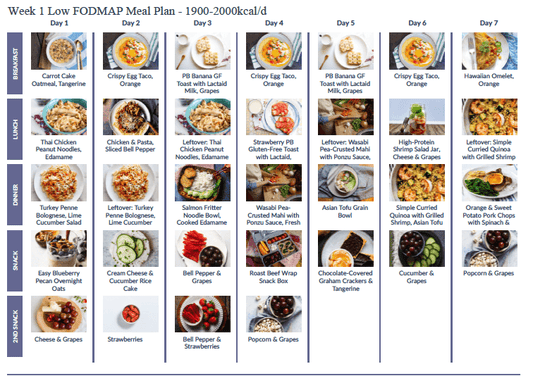
Low FODMAP Adjustments When Symptoms Flare
You don't have to live on a strict low FODMAP diet forever to benefit from it.
A common, effective pattern is a short-term "flare plan":
For a few days, reduce the biggest fermentable triggers (onion/garlic-heavy meals, large wheat servings, beans, sugar alcohols)
Choose simpler carbs you tolerate (like rice or oats), plus a protein you tolerate, plus a low-FODMAP vegetable portion
Once symptoms calm down, re-expand your food variety to protect long-term microbiome diversity and nutrition
If you already know you're IBS-prone, having a pre-planned list of "safe meals" for dose-change weeks can prevent the spiral of nausea leading to random snack choices leading to worse symptoms.
Supplements And Medications: What Helps And What To Avoid
When you feel miserable, it's tempting to throw every supplement in your cabinet at the problem. With tirzepatide, a more targeted approach usually works better, and it's safer.
Evidence-Informed Options For Constipation, Diarrhea, And Reflux
For constipation, commonly used options include:
Osmotic laxatives (they draw water into the stool)
Certain types of fiber supplementation (especially soluble fiber), introduced gradually
Magnesium-based products can help some people, but they can also cause diarrhea and may not be appropriate for everyone
For diarrhea, the priority is identifying triggers (fat, sugar alcohols, dose changes) and protecting hydration. Over-the-counter antidiarrheals are sometimes used, but you should confirm what's appropriate for you with your clinician, especially if you have fever, blood in stool, or significant dehydration.
For reflux, lifestyle steps (smaller meals, earlier dinner, not lying down after eating) matter. Over-the-counter acid reducers are commonly used, but if reflux is new, severe, or persistent on tirzepatide, bring it to your prescriber's attention rather than self-treating indefinitely.
What to avoid: "Detox" teas, harsh stimulant laxatives used routinely, and multi-ingredient gut blends that make it impossible to tell what's helping versus irritating.
Probiotics, Prebiotics, And Digestive Enzymes: Who They May Help
The evidence for probiotics varies by strain and symptom. Some people with bloating or irregular stools feel better, others feel worse (especially if they're sensitive to certain prebiotics).
A practical, conservative way to think about these tools:
Probiotics may help if you tend toward IBS-like symptoms, antibiotic-associated diarrhea history, or irregular stool patterns, but they can cause temporary gas/bloating when starting.
Prebiotics can be helpful long term, but during a flare (bloating, cramping, urgent diarrhea), they may worsen symptoms because they're fermentable.
Digestive enzymes may help if you're eating smaller meals but noticing disproportionate bloating or discomfort with specific foods, or if your diet has shifted toward higher-protein products that feel "heavy."
If you're sensitive, single-change trials (one product at a time for a couple of weeks) are more informative than starting three things at once.
Medication Interactions And Absorption Considerations With Slower Motility
Because tirzepatide can slow gastric emptying, it can affect the timing of how quickly some oral medications are absorbed.
This doesn't mean your medications "won't work," but it does mean you should be thoughtful if you take:
Medications that require precise timing
Medications with a narrow therapeutic index (where small changes in levels matter)
Oral drugs that worsen nausea or reflux on their own
If you notice a change in how a medication feels after starting tirzepatide (for example, stronger side effects, delayed onset, or less predictable effect), that's worth discussing with your prescriber or pharmacist. Don't adjust dosing on your own.
Warning Signs: When Side Effects May Signal Something More Serious
Most tirzepatide side effects are uncomfortable rather than dangerous. But there are situations where "GI side effects" cross the line into "this needs medical evaluation."
Dehydration, Persistent Vomiting, And Severe Abdominal Pain
Contact a clinician urgently if you have signs of dehydration or you can't keep fluids down.
Examples include:
Persistent vomiting
Lightheadedness, fainting, rapid heartbeat, or very dark urine
Severe abdominal pain (especially if it's worsening or localized)
Also, if you're not eating much and are also having frequent diarrhea, dehydration can happen faster than you expect.
Gallbladder Symptoms And Pancreatitis Red Flags
Rapid weight loss and GLP-1–based therapies have been associated with gallbladder issues in some people.
Seek prompt medical care if you develop symptoms suggestive of gallbladder trouble, such as:
Right-upper-abdominal pain (especially after meals)
Pain that radiates to the right shoulder/back
Nausea/vomiting with abdominal tenderness
Fever or yellowing of the skin/eyes
Pancreatitis is less common, but it's important to recognize. Red flags can include severe, persistent upper abdominal pain (sometimes radiating to the back), especially with vomiting and inability to tolerate food or fluids.
When To Call Your Prescriber And What To Track Before The Visit
You'll get a faster, more useful plan if you bring clean data instead of just "my stomach feels bad." Before you contact your prescriber, track:
Your current dose and the date of your last injection
When symptoms start after injection (same day, next day, day 3)
What you ate before the worst symptoms (portion size, fat content, sugar alcohols)
Bowel movement frequency and stool form changes
Hydration estimate and any signs of dehydration
Any new medications or supplements started recently
This helps your clinician decide whether you need a slower titration, symptom-directed treatment, a nutrition adjustment, or evaluation for something unrelated to the medication.
Conclusion
Tirzepatide side effects can feel intensely personal because your gut is personal. Your baseline motility, your stress load, your hormone stage, your food tolerances, and how quickly your dose changes all influence what you experience.
If you take one idea from this: most GI symptoms improve when your strategy matches the mechanism. Smaller, lower-fat meals that prioritize protein, a deliberate fiber plan (not a sudden fiber dump), consistent hydration with electrolytes when needed, and temporary low FODMAP adjustments during flares can make tirzepatide far more tolerable while still supporting long-term gut health.
GI side effects don't have to be the price of admission for GLP-1 therapy. Casa de Sante offers physician-formulated gut support products built for the specific digestive challenges these medications create. Explore your options at casadesante.com.
This article is for educational purposes only and is not medical advice. Always consult your healthcare provider before making changes to your treatment plan.
Frequently Asked Questions About Tirzepatide Side Effects and Gut Health
Why do tirzepatide side effects often affect gut health first?
Tirzepatide is a dual GLP-1/GIP agonist that changes appetite signals and slows stomach emptying and intestinal motility. Those same effects that improve fullness and blood sugar can also trigger GI symptoms—especially nausea, reflux, constipation, bloating, or diarrhea—most often after starting or increasing the dose.
What does delayed gastric emptying feel like on tirzepatide?
Delayed gastric emptying means food stays in your stomach longer. On tirzepatide, it can feel like hours-long fullness, getting “full” after a few bites, upper-abdominal pressure, nausea after meals (often worse with fatty foods), frequent burping, and reflux or heartburn—particularly if you eat large portions.
How can I reduce tirzepatide side effects while protecting gut health?
The best approach usually matches the mechanism: eat smaller, more frequent meals, prioritize protein first, and keep meals lower in fat during symptom flares. Add fiber gradually (often soluble fiber is gentler), avoid sudden “fiber stacking,” and maintain steady hydration—sometimes with electrolytes if intake is low.
Can tirzepatide worsen IBS, bloating, or food sensitivities like FODMAP intolerance?
It can, mainly indirectly. Slower transit plus rapid changes in meal size, fiber, and food choices can amplify IBS-C or IBS-D patterns. During dose changes, some people temporarily tolerate FODMAPs, lactose, or sugar alcohols (common in “sugar-free” foods) less well, leading to gas, cramping, constipation, or diarrhea.
When should I worry that tirzepatide GI symptoms are something more serious?
Get medical help urgently for persistent vomiting, inability to keep fluids down, signs of dehydration (very dark urine, fainting, rapid heartbeat), or severe/worsening abdominal pain. Also seek prompt evaluation for right-upper-abdominal pain (possible gallbladder issues) or severe persistent upper-abdominal pain radiating to the back (pancreatitis red flag).
Do probiotics or digestive enzymes help with tirzepatide side effects and gut health?
Sometimes, but results vary. Certain probiotics may help IBS-like irregularity, yet can cause temporary gas or bloating when starting. Prebiotics can worsen flares because they’re fermentable. Digestive enzymes may help if specific foods feel disproportionately “heavy,” but it’s best to trial one change at a time and check with your clinician.