The Mounjaro Gut Health Protocol: A Simple 3-Part Plan To Reduce Nausea, Bloating, And Constipation (2026)








If you're on Mounjaro (tirzepatide), you already know the "weight loss works, but my stomach is mad" experience can be real. The same mechanism that helps with appetite control, slower gastric emptying (food leaving your stomach more slowly), can also trigger nausea, bloating, reflux, constipation, or sudden diarrhea.
This Mounjaro gut health protocol is a simple, practical 3-part plan you can bring to your routine. It's not about being perfect. It's about setting your gut up to tolerate dose days, eating in a way that works with slower motility, and using a stepwise approach to the big three side effects.
Part 1: Set Your Foundation Before And After Each Dose
Dose day (and the 24–48 hours after) is when many people feel the most GI symptoms. The goal is to make your baseline "boring" and stable so your gut isn't trying to adapt to Mounjaro and a bunch of other variables at the same time.
First: hydration isn't optional on GLP-1/GIP therapy. When gastric emptying slows and appetite drops, you often drink less without noticing, and mild dehydration can worsen constipation, headaches, fatigue, and nausea. A practical target for many adults is 2–3 liters of water daily, especially in the day before and after your injection. If plain water feels hard to get down when you're nauseated, try smaller sips more frequently, or include an electrolyte option (particularly if you're also eating less sodium than usual).
Second: build microbiome support with consistency, not intensity. A probiotic can be helpful for some people, but it needs time. A reasonable evidence-informed approach is a daily probiotic for about 4 weeks before you judge whether it's doing anything for you. Look for strains commonly studied for gut comfort such as Lactobacillus acidophilus, Lactobacillus rhamnosus, and Bifidobacterium species, often in the range of 5–10 billion CFUs. If you're very sensitive, start low and ramp up.
Third: keep fiber steady. Fiber is one of the most reliable tools for improving stool consistency and supporting overall gut health, but big swings can backfire. Aim for regular fiber-rich foods (fruit, vegetables, beans/lentils if tolerated, oats, whole grains) and increase slowly. If you have IBS or tend to bloat easily, you may do better with low FODMAP fiber sources (for example, oats, kiwi, strawberries, chia, carrots, zucchini) rather than jumping straight to large servings of onions, garlic, and certain beans.
The foundation mindset is simple: don't wait until you're constipated or nauseated to start supporting your gut. Make hydration, steady fiber, and a consistent probiotic routine your default, then dose day becomes much less unpredictable.
Part 2: Eat For Slower Gastric Emptying—Without Triggering GI Symptoms
Mounjaro already slows gastric emptying. If your meals are large, high-fat, or heavily processed, you can end up stacking "slow on slow," which is when nausea, reflux, and bloating tend to spike.
Your target eating pattern is: smaller portions, more structure, and foods that digest predictably.
Start with the core trio: fiber, lean protein, and healthy fats.
Fiber supports regularity and helps stabilize blood sugar, but the type and dose matter. On days you feel more sensitive, choose gentler options: cooked vegetables instead of raw salads, peeled fruits, oats instead of high-bran cereals.
Lean protein is especially important on GLP-1 therapy because you're eating less overall, and protein helps protect lean mass during weight loss. Practically, this can look like eggs, Greek yogurt, fish, chicken, tofu/tempeh, or a protein shake you tolerate well. If nausea makes protein hard, cold or neutral-flavored proteins often go down easier than hot, greasy meals.
Healthy fats help satiety and nutrient absorption, but keep portions modest because fat slows stomach emptying even more. Think: a little avocado, a drizzle of olive oil, a small handful of nuts or seeds, rather than fried foods or heavy cream sauces.
Probiotic foods (like yogurt or kefir) can be a useful add-on if you tolerate dairy. If you don't, consider lactose-free versions or non-dairy options with live cultures.
What tends to worsen symptoms? Ultra-processed foods and "gut irritants" more than any single ingredient. Diets high in saturated/trans fats, added sugars, excess sodium, and heavily processed meals are commonly associated with worse reflux, bloating, and diarrhea, especially when combined with slower motility.
Two tactical upgrades that help many people quickly:
- Go smaller and more frequent. Instead of two large meals, try three smaller meals with one planned protein-forward snack. You're working with the medication, not fighting it.
- Keep dinner earlier and lighter. Reflux is often worse at night. A lighter meal 3–4 hours before bed (and avoiding lying down right after eating) is a simple, non-pharmacologic reflux reducer.
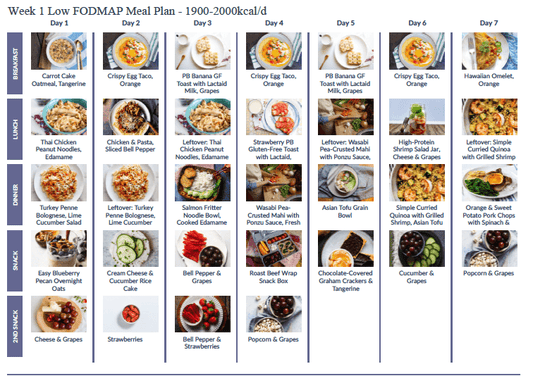
If you're someone who does well with a low FODMAP approach (common in IBS management), this is often the easiest "framework" to reduce gas and bloating while still hitting fiber and protein targets. The right diet on Mounjaro is the one your gut can tolerate consistently.
Part 3: Fix The Big Three Side Effects (Constipation, Reflux, Diarrhea) With A Stepwise Plan
When GI side effects show up, it's tempting to throw five remedies at the problem at once. The issue is you won't know what worked (or what made it worse). A stepwise plan keeps you in control.
Constipation (the most common)
Step 1: Fluids first, every time. Get back to 2–3 liters per day and consider electrolytes if you're eating very little or sweating more. Dehydration is a major driver of hard stools.
Step 2: Add a gentle bulking fiber. Psyllium husk is well-studied and often helpful because it can improve stool consistency in both constipation and diarrhea, when titrated slowly and taken with adequate water. Start low, go slow.
Step 3: Consider magnesium support if appropriate. Magnesium citrate can draw water into the bowel and may help with stooling for some people. This is also where you should check interactions and medical suitability with your clinician, especially if you have kidney disease or are on medications affected by magnesium.
Step 4: Add movement. Daily walking is underrated for gut motility. Even 10 minutes after meals can help move things along.
If constipation is severe (pain, vomiting, no bowel movement for days, or you're unable to pass gas), don't self-manage, contact your healthcare team promptly.
Reflux (heartburn, regurgitation, "food sitting in your chest")
Step 1: Remove the predictable triggers: large meals, late meals, fried/high-fat foods, chocolate, alcohol, and highly processed foods.
Step 2: Rebuild the plate with protein + fiber, with smaller fat portions. This reduces stomach distension (stretch) and tends to be easier with delayed emptying.
Step 3: Use position strategically. Stay upright after meals, avoid tight waistbands, and consider a slight head-of-bed elevation if nighttime reflux is an issue.
Some people also find that multi-strain probiotics reduce nausea and upper-GI discomfort over time, likely through microbiome and motility effects.
Diarrhea (often intermittent)
Step 1: Look for pattern triggers. New supplements, sugar alcohols, very high-fat meals, and sudden increases in fiber can all contribute, especially on a slowed-motility baseline.
Step 2: Use targeted probiotic strains that have evidence in diarrhea scenarios, such as Lactobacillus rhamnosus GG or Saccharomyces boulardii. The goal isn't to "stop" your gut, but to stabilize consistency.
Step 3: Simplify meals temporarily. Think bland, lower-fat, lower-spice, with adequate fluids. If diarrhea is persistent, bloody, associated with fever, or you're getting dehydrated, you need medical evaluation.
A quick symptom-to-action table
Symptom: Nausea/bloating after dose
First moves: Smaller meals, lower fat, more hydration, avoid large raw salads, consider consistent probiotic trial
Symptom: Constipation
First moves: Water/electrolytes, psyllium (slow titration), movement, discuss magnesium options with your clinician
Symptom: Reflux
First moves: Earlier/lighter dinner, reduce fatty/processed foods, stay upright after meals
Symptom: Diarrhea
First moves: Identify triggers, consider LGG or S. boulardii, simplify meals, prioritize hydration
The big picture: Mounjaro changes how fast food moves through your GI tract. Your job is to reduce friction, steady hydration, steady fiber, and targeted microbiome support, so your gut can adapt without constant flare-ups.
Conclusion
Mounjaro can be a powerful metabolic tool, but the GI side effects are often what determine whether you can stay consistent long enough to see results. A practical Mounjaro gut health protocol comes down to three levers you can control: hydration, fiber strategy, and microbiome support, plus a stepwise plan for constipation, reflux, and diarrhea.
Digestive discomfort is one of the most common reasons people struggle with GLP-1 medications. Targeted nutrition support can make a real difference in tolerability. Casa de Sante's physician-formulated digestive enzymes, synbiotics, and motility support supplements are designed specifically for sensitive stomachs on GLP-1 therapy. See what's available at casadesante.com.
This article is for educational purposes only and is not medical advice. Always consult your healthcare provider before making changes to your treatment plan.
Mounjaro Gut Health Protocol FAQs
What is the Mounjaro gut health protocol and why is it important?
The Mounjaro gut health protocol is a three-part plan focusing on hydration, fiber intake, and consistent probiotic use to manage gastrointestinal side effects like nausea, constipation, reflux, and diarrhea caused by Mounjaro’s slowed gastric emptying.
How much water should I drink to support my gut health while on Mounjaro?
Drinking 2–3 liters of water daily, especially before and after your Mounjaro dose, is essential to prevent dehydration that can worsen symptoms like constipation, headaches, and nausea associated with slowed gastric emptying.
What types of foods should I eat to ease GI symptoms on Mounjaro?
Choose smaller, frequent meals with a balance of fiber-rich foods, lean protein (like chicken or tofu), and healthy fats (avocado, olive oil). Avoid ultra-processed foods, high-fat meals, and gut irritants to reduce nausea, reflux, and bloating.
How can probiotics help with Mounjaro side effects?
Consistent daily probiotics containing Lactobacillus acidophilus, Lactobacillus rhamnosus, and Bifidobacterium species for at least 4 weeks can support microbiome balance, reduce GI discomfort, and help manage nausea, reflux, and diarrhea associated with Mounjaro therapy.
What are effective steps to relieve constipation caused by Mounjaro?
Start by increasing hydration with 2–3 liters of water and electrolytes, then add gentle fiber like psyllium husk slowly, consider magnesium citrate if appropriate, and incorporate regular movement like daily walking to improve gut motility.
Why does Mounjaro cause slower gastric emptying and how does this affect digestion?
Mounjaro slows gastric emptying to help control appetite and promote weight loss. However, this slower digestion can lead to symptoms like nausea, reflux, bloating, constipation, or diarrhea, making dietary and hydration adjustments essential for tolerance.