Semaglutide In Menopause: Why Weight Loss Gets Harder—and How To Make GLP-1s Work Better In 2026








If semaglutide feels like it should be a "sure thing" for weight loss, but menopause has made your body stubborn, you're not imagining it. The menopause transition changes how you store fat, how hungry you feel, how your muscles respond to dieting, and how your body handles blood sugar. Semaglutide can help by lowering appetite and improving glucose regulation, but it can't fully override sleep debt, low protein intake, muscle loss, or untreated hormone symptoms. Here's how to think about semaglutide menopause weight loss in a practical, evidence-informed way.
Why Menopause Changes Weight, Appetite, And Blood Sugar (And What Semaglutide Can—and Can’t—Fix)
Menopause isn't just "estrogen goes down and you gain weight." It's a cluster of metabolic shifts that stack the deck against easy fat loss.
First, body composition changes. During the menopause transition, many women lose lean mass (muscle) while gaining fat, particularly around the abdomen. Research summaries commonly cite lean mass declines around 0.5% alongside increased fat accumulation during this period. That matters because muscle is metabolically active tissue: less muscle usually means fewer calories burned at rest and a higher risk of "dieting down" into a slower metabolism.
Second, insulin resistance tends to worsen with age and with menopause-related hormonal changes. When your cells become less responsive to insulin, your body has to produce more of it to keep glucose in range, and higher insulin levels can make fat loss harder. This is one reason cardiometabolic risk rises after menopause, including higher rates of type 2 diabetes, fatty liver disease, abnormal cholesterol, and cardiovascular disease.
Third, appetite signaling and stress physiology shift. Poor sleep (from night sweats or insomnia), higher stress, and mood changes can push cravings toward energy-dense foods and make "just eat less" feel like a daily wrestling match.
So where does semaglutide fit?
Semaglutide is a GLP-1 receptor agonist. In plain English, it mimics a natural gut-brain hormone signal that increases fullness, slows stomach emptying, and improves glucose regulation. It can be especially helpful when menopause has amplified appetite, cravings, and post-meal blood sugar spikes.
What semaglutide can't fully fix on its own is the muscle side of the equation. If your protein intake drops too low (easy to do when your appetite disappears) and you're not doing resistance training, you can lose more lean mass during weight loss. And it also can't "out-medicate" chronically poor sleep, high alcohol intake, or under-treated menopause symptoms that keep your stress hormones elevated. Think of semaglutide as a powerful lever, but you still need the other supports in place to pull it effectively.
What The Evidence Says About Semaglutide For Menopausal Weight Loss: Expected Results, Timeline, And Who Benefits Most
The reassuring headline is that semaglutide appears to work for menopausal weight loss at rates that are broadly comparable to premenopausal women.
In clinical trial data and research summaries, many people reach at least 5% weight loss within about three months after starting therapy (once you're titrating up and tolerating the medication). That doesn't mean the scale drops linearly week to week, water shifts, constipation, and changing strength-training routines can all blur the picture. But in general, the early "signal" of response often shows up within the first few months.
Data specifically looking at postmenopausal women suggest they can achieve similar weight loss to premenopausal women even when starting with higher baseline body weight and fat mass. In one summarized dataset, after roughly four months of semaglutide 1 mg therapy, postmenopausal women's weight loss was comparable to premenopausal women's.
Beyond the scale, semaglutide's cardiometabolic effects are a big part of why clinicians take it seriously in midlife. It improves glycemic control and tends to help with several risk markers that often worsen after menopause. And notably, the SELECT trial reported a 20% reduction in major adverse cardiovascular events in people with overweight/obesity and established cardiovascular disease treated with semaglutide, making it the first weight loss medication to show that kind of cardiovascular outcomes benefit.
Who tends to benefit most?
You're more likely to see strong results if:
You have significant appetite drive, cravings, or "food noise" that has been hard to manage through lifestyle alone.
You have insulin resistance, prediabetes, type 2 diabetes, fatty liver risk, or other cardiometabolic concerns that typically rise after menopause.
You can consistently stay on the medication long enough to reach an effective dose and maintain it.
One of the most interesting findings in the menopause space is the potential synergy with hormone replacement therapy (HRT). Research summaries report that postmenopausal women using semaglutide plus HRT achieved roughly 30% greater weight loss than semaglutide alone, along with improvements in markers like glucose, blood pressure, and lipids. That doesn't mean HRT is "for everyone," but it does reinforce an important clinical point: menopause weight gain is not purely a willpower issue, and addressing hormonal biology can change outcomes.
The practical takeaway: if semaglutide isn't meeting expectations in menopause, it's worth looking at dose tolerance, adherence, protein and strength training, sleep quality, alcohol, and whether menopause symptoms are being adequately evaluated, not assuming the medication "doesn't work for you."
How To Use Semaglutide More Successfully In Perimenopause/Menopause: Nutrition, Strength Training, Sleep, And Side-Effect-Smart Gut Support
If your goal is better semaglutide menopause weight loss results (and fewer miserable days), think in terms of four pillars: protein-forward nutrition, strength training, sleep/stress physiology, and GI support that matches what GLP-1s do to the gut.
1) Nutrition: make protein the anchor, not an afterthought
Semaglutide often makes you feel full fast. That's the point, but it also means you can accidentally build a diet that's too low in protein, iron, B vitamins, calcium, magnesium, and overall calories.
A simple way to structure meals is:
Protein first, then fiber-containing plants, then fats and starches as tolerated.
Prioritize high-quality protein at breakfast. Midlife women commonly under-eat protein early in the day, then struggle later.
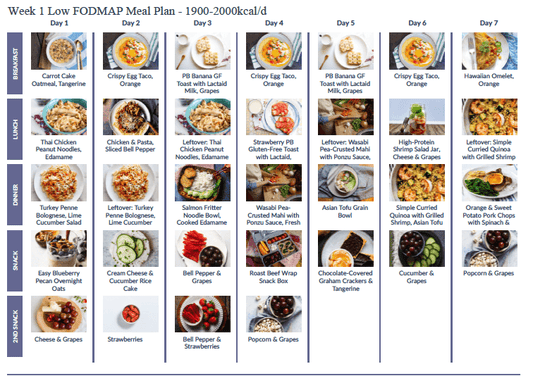
If you have IBS or a sensitive gut, you may do better with lower FODMAP choices (FODMAPs are fermentable carbohydrates that can trigger gas and bloating in susceptible people). Menopause can increase GI sensitivity, and GLP-1–related slower stomach emptying can amplify that "heavy, stuck" feeling.
You don't need perfection, you need consistency. Many plateaus in midlife come down to "I'm eating so little that I'm tired, I move less, I lift less, and I lose muscle." The scale may slow, and you feel worse. That's not a character flaw: it's physiology.
2) Strength training: protect lean mass like it's your job
Menopause already nudges you toward losing lean mass. Weight loss, any weight loss, adds pressure in the same direction. Resistance training is the strongest lifestyle tool you have to defend muscle while you're in a calorie deficit.
What tends to work in real life:
Two to four sessions per week of progressive resistance training (meaning you slowly increase weight, reps, or difficulty over time).
Focus on big movements: squats or sit-to-stands, hinges (deadlift patterns), pushes, pulls, and loaded carries.
Don't ignore impact and balance work if you're in your 40s and 50s. Bone health and fall prevention matter, and estrogen decline affects bone remodeling.
If you're new to lifting, start lighter than you think you need. Soreness that wipes you out for three days is not a badge of honor, it's a compliance killer.
3) Sleep and stress: the "invisible" plateau drivers
Hot flashes, night sweats, and insomnia aren't just annoying. Chronic sleep disruption changes hunger hormones, worsens insulin resistance, increases perceived effort during exercise, and makes cravings louder.
Supportive strategies you can discuss with your clinician include:
Evaluating menopause symptom control (and whether HRT is appropriate for you).
Screening for sleep apnea, which becomes more common with age and weight gain and can blunt weight loss.
Keeping alcohol honest. In midlife, alcohol can worsen sleep architecture and reflux, and can compound GLP-1 nausea.
If your semaglutide works "on paper" but you're exhausted, constipated, and not recovering from workouts, it's not just about willpower, it's about systems.
4) Side-effect-smart gut support: work with slower motility, not against it
GLP-1 medications slow gastric emptying. That's one reason you feel fuller, but it also explains common side effects: nausea, reflux, bloating, and constipation.
A few patterns that help many people tolerate semaglutide better (without giving you a rigid rulebook):
Smaller meals, eaten more slowly. Large, high-fat meals tend to "sit" longer and can worsen nausea.
Hydration plus electrolytes as needed. Constipation often worsens when intake drops.
Fiber with a plan. Some people do well with gentle soluble fiber (like psyllium), while others get more bloating if they increase fiber too aggressively. Titrate slowly.
Be cautious with high-FODMAP "health foods" if you're bloated (large servings of certain legumes, sweeteners, or fiber bars can backfire).
Consider digestive enzymes or synbiotics (a combination of prebiotics and probiotics) if your symptoms suggest you're not breaking down meals well or your gut feels more reactive than usual. The goal isn't to "force" digestion, it's to reduce friction so you can stay consistent.
And one clinically important note: persistent vomiting, severe abdominal pain, signs of dehydration, or worsening reflux deserve medical attention. Sometimes the issue is dose escalation that's too fast, sometimes it's food choices, and occasionally it's another diagnosis that needs evaluation.
Digestive discomfort is one of the most common reasons people struggle with GLP-1 medications. Targeted nutrition support can make a real difference in tolerability. Casa de Sante's physician-formulated digestive enzymes, synbiotics, and motility support supplements are designed specifically for sensitive stomachs on GLP-1 therapy. See what's available at casadesante.com.
This article is for educational purposes only and is not medical advice. Always consult your healthcare provider before making changes to your treatment plan.
Conclusion
Semaglutide can be a powerful tool for menopause weight loss, but menopause changes the rules: body composition, sleep, insulin resistance, and gut tolerance all matter more than they used to. If you pair GLP-1 therapy with protein-forward meals, progressive strength training, and side-effect-smart GI support, you're far more likely to lose fat without feeling depleted. And if symptoms suggest it, addressing menopause hormones with a qualified clinician can meaningfully shift results.
Frequently Asked Questions about Semaglutide and Menopause Weight Loss
How does menopause affect weight and why is weight loss harder during this time?
Menopause causes hormonal shifts that increase fat accumulation, especially around the abdomen, and reduce muscle mass. These changes lower metabolism and worsen insulin resistance, making weight loss more challenging during menopause.
What role does semaglutide play in managing weight during menopause?
Semaglutide helps menopausal women lose weight by reducing appetite, increasing fullness, and improving blood sugar regulation. It mimics gut-brain hormones to decrease cravings and support fat loss, but it works best alongside lifestyle changes.
Can postmenopausal women expect the same weight loss results from semaglutide as premenopausal women?
Yes, studies show that postmenopausal women achieve weight loss comparable to premenopausal women when taking semaglutide, despite starting with higher body fat and weight. Many see at least 5% weight loss within three months.
Why is combining hormone replacement therapy (HRT) with semaglutide beneficial for menopausal weight loss?
Combining HRT with semaglutide can increase weight loss by about 30% compared to semaglutide alone. HRT helps address hormonal imbalances that contribute to weight gain and improves cardiometabolic markers alongside semaglutide therapy.
What lifestyle factors improve semaglutide effectiveness during menopause weight loss?
To enhance semaglutide results, focus on a protein-rich diet, regular strength training to preserve muscle, good sleep quality, stress management, and gut health support to reduce side effects like nausea and constipation.
Are there any cardiovascular benefits associated with semaglutide use in menopausal women?
Yes, semaglutide has been shown to reduce major cardiovascular events by about 20% in people with overweight or obesity. This cardiometabolic benefit is particularly important as cardiovascular risk increases after menopause.