Semaglutide, Hot Flashes, And Weight Changes: What’s Normal, What’s Not, And What To Do In 2026








If you're on semaglutide and suddenly getting hot flashes, it can feel unsettling fast, especially if you've never had them before. Add the scale doing weird things (a quick drop, a stubborn plateau, or an overnight "gain"), and it's easy to wonder whether something is wrong, whether your dose is too high, or whether perimenopause just kicked the door down.
Here's the clinically grounded truth in 2026: semaglutide isn't officially linked to hot flashes as a common labeled side effect, but real people report heat episodes. Most of the time, the cause isn't "mystery hormones" so much as a predictable mix of appetite changes, blood sugar swings, dehydration, GI side effects, and, very often, midlife estrogen fluctuation happening in parallel.
This guide will help you understand what might be driving your symptoms, how to tell look-alikes apart, what weight-change patterns are typical, and what to track before you consider any medication changes with your prescriber.
Why Hot Flashes Can Happen On Semaglutide (Even If You’ve Never Had Them)
Hot flashes are classically "vasomotor symptoms," meaning they come from rapid shifts in blood vessel tone and heat dissipation, often triggered by changes in estrogen signaling. But you can also get hot-flash-like episodes from non-hormonal physiology: blood sugar dips, nausea-driven autonomic activation, dehydration, and even rapid weight loss.
Semaglutide changes multiple systems at once: appetite, meal size, gastric emptying (how quickly food leaves your stomach), and glucose regulation. None of this proves semaglutide directly causes hot flashes. It does explain why the first weeks or months on therapy can bring on sensations that feel exactly like them.
Thermoregulation 101: How GLP-1 Signaling May Shift Heat Tolerance
Thermoregulation is your body's temperature control system, largely coordinated by the hypothalamus (a deep-brain "command center" that also helps regulate hunger and satiety). GLP-1 receptors exist in the brain, including regions involved in appetite signaling.
Researchers have not established a clear, direct mechanism proving semaglutide causes hot flashes through thermoregulation. But it's biologically plausible that shifting central appetite signaling, sympathetic tone (your "fight or flight" system), and metabolic rate during weight loss could change how sensitive you feel to heat, especially if you're also under-fueling or sleeping poorly.
Practically: if your "hot flashes" cluster around dose increases, low-calorie days, or disrupted sleep, you're likely seeing an indirect effect rather than a new primary hot-flash disorder.
Blood Sugar Dips, Adrenaline Surges, And "False" Hot Flashes
Even though GLP-1 medications are often praised for improving glucose stability, you can still experience relative blood sugar dips, especially if you're eating much less than usual, delaying meals, or pairing semaglutide with other glucose-lowering meds.
When glucose drops (or drops quickly), your body may counter-regulate with stress hormones like adrenaline. That can feel like a "heat wave" with sweating, shakiness, anxiety, and a racing heart, symptoms that mimic hot flashes closely.
A useful clue is timing. If episodes occur:
- Late afternoon after a long gap between meals
- Overnight, especially if dinner was very small
- The day after injection when appetite is lowest
…think "fueling and glucose dynamics" before assuming it's purely hormonal.
Faster Gastric Emptying Changes, Dehydration, And Electrolyte Loss As Triggers
Semaglutide typically slows gastric emptying, but your eating pattern changes can still lead to dehydration: smaller meals, less salty food, less overall fluid intake, and sometimes diarrhea or vomiting.
Dehydration and electrolyte shifts (especially sodium) can trigger fatigue, dizziness, palpitations, headaches, and heat intolerance. If you're sweating at night or feeling flushed and lightheaded, it's worth asking a simple question first: are you under-hydrated and under-salted relative to your new intake?
This matters for weight changes too. Fluid and sodium shifts can move the scale dramatically without reflecting fat gain or loss.
Hot Flashes Vs. Common Semaglutide Side Effects That Mimic Them
Not every heat episode is a true hot flash. On semaglutide, several common side effects can produce sensations that look identical from the outside but have different triggers, and different fixes.
Night Sweats, Flushing, Anxiety, And Palpitations: How To Tell Them Apart
Use pattern recognition. Here are distinctions that often help:
- Classic vasomotor hot flash: sudden internal heat (often chest/face), flushing, sweating, sometimes followed by chills. Can happen day or night. Often clusters in perimenopause/menopause and may be triggered by alcohol, stress, or warm rooms.
- Anxiety/adrenaline surge: heat plus worry, shakiness, tingling, chest tightness, racing heart. Often tied to caffeine, sleep deprivation, or a long gap between meals.
- Palpitations from dehydration or low electrolytes: "skipped beats" or racing, worse with standing, improved with fluids/electrolytes.
- Medication-related flushing: more surface-level warmth/redness, sometimes linked to supplements, niacin-containing vitamins, alcohol, or certain medications.
If you can capture heart rate during an episode (even a smartwatch reading), it's surprisingly useful. A big jump in heart rate with standing can point toward dehydration or low blood volume rather than a primary hot flash.
When Nausea, Reflux, Or Diarrhea Can Present As Heat Waves
GI symptoms can activate the autonomic nervous system. That's the wiring that controls sweating, heart rate, and nausea.
Common scenarios:
- Nausea wave → sweating and flushing: You may feel hot, clammy, and suddenly need to lie down.
- Reflux episode at night: Burning chest sensation plus sweating can mimic night sweats.
- Diarrhea: Fluid loss and electrolyte shifts can create heat intolerance and palpitations.
If your "hot flashes" reliably track with nausea, reflux, burping, diarrhea, or constipation flare-ups, treat it as a gut-driven signal first, especially in the first 8–12 weeks of semaglutide or after dose escalation.
Weight Changes On Semaglutide: What Patterns Are Typical (And Why They Vary)
Semaglutide-driven weight loss is real, but it's not linear. Your weekly trend is more meaningful than any single weigh-in, and the "why" behind changes is usually one of three buckets: water shifts, fat loss, or lean mass loss.
Early Water Weight Shifts Vs. True Fat Loss
Early in therapy, many people lose weight quickly. Some of that is fat, but a meaningful chunk can be water.
Why water drops early:
- You're eating less overall (less food volume in the gut)
- You may reduce carbs without trying (glycogen stores drop: glycogen holds water)
- Inflammation and sodium intake may change
This is also why you might feel colder than usual during early weight loss. Less food and fewer carbs can mean less thermogenesis (heat produced during digestion and metabolism), which can paradoxically coexist with episodes of flushing.
Plateaus, "Wooshes," And Dose-Step Timing
Plateaus are common, often around:
- Dose transitions (your body is adapting)
- Periods of constipation (scale up, appetite down)
- Weeks where stress and sleep worsen
People often describe a "woosh" after a plateau, several pounds down quickly. Usually that's delayed fluid release, bowel changes, or reduced inflammation catching up, not sudden overnight fat loss.
If you're stepping up doses, it's normal for appetite suppression (and sometimes nausea) to intensify briefly, then level out. Your weight trend may mirror that rhythm.
Rapid Loss, Lean Mass Risk, And Undereating Signals To Watch
Rapid weight loss can come with a tradeoff: lean mass (muscle) loss, especially if protein and resistance training aren't prioritized.
Clinical literature in weight loss broadly supports higher protein intake to protect lean mass. Many protocols target roughly 1.2–1.6 g/kg/day depending on your goals and medical context, but your clinician or dietitian should individualize that.
Signals you may be under-eating (not just "eating less"):
- Marked fatigue, dizziness, or feeling cold all day
- Hair shedding beyond what you'd expect from weight loss
- Worsening constipation plus very low intake
- Sleep fragmentation and early-morning waking
- Hot-flash-like episodes tied to long fasting windows
If these are showing up, it's not a willpower issue. It's often a physiology issue: too little fuel, too few electrolytes, or not enough protein per bite.
The Hot Flashes–Weight Change Connection: The Overlooked Links
Hot flashes and weight changes can look like two separate problems, but on semaglutide they often share the same root drivers: fueling, hydration, and nervous system activation.
Undereating, Low Protein, And Temperature Instability
When your intake drops quickly, your body's stress response can rise. That can mean more adrenaline signaling, more sleep disruption, and more heat episodes.
Low protein adds another layer. Protein helps stabilize appetite, supports lean mass, and contributes to steady energy. When protein is low, you're more likely to feel wiped out, snack unpredictably, or accidentally fast too long, patterns that can provoke sweating, flushing, and palpitations.
If hot flashes started when your appetite "fell off a cliff," it's reasonable to test whether slightly more structured meals (especially earlier in the day) reduces symptoms.
Dehydration, Sodium, And Why The Scale Can Swing Overnight
One of the most frustrating semaglutide experiences is doing everything "right" and seeing the scale jump up 2–5 pounds overnight.
Often, that's not fat gain. It's fluid:
- Constipation slows transit, increasing scale weight
- Sodium intake fluctuates (higher sodium can temporarily increase water retention)
- Dehydration can paradoxically increase water retention via stress hormones
- Poor sleep and higher cortisol can shift fluid balance
Hot flashes can worsen dehydration (sweat loss), and dehydration can worsen hot-flash sensations. That loop is common, and fixable once you recognize it.
Perimenopause/Menopause, GLP-1s, And Shifting Metabolism
If you're 35–55, there's a decent chance semaglutide isn't the only variable. Perimenopause can begin years before your final period, and it can overlap perfectly with the time many women start GLP-1 therapy.
How Estrogen Fluctuations Amplify Vasomotor Symptoms
Hot flashes in perimenopause aren't just about "low estrogen." They're often about fluctuating estrogen and a narrowed thermoneutral zone (your body becomes more sensitive to small temperature changes).
That's why symptoms can feel random: a glass of wine, a warm meeting room, a stressful email, a spicy meal, suddenly you're overheated.
Semaglutide doesn't appear to be a direct hot-flash trigger in the evidence base, but it can stack with perimenopause drivers by:
- Reducing intake (less fuel, more adrenaline sensitivity)
- Disrupting sleep via nausea or reflux
- Changing hydration patterns
GLP-1 Weight Loss, Body Fat Set Point, And Menopause-Related Plateaus
Menopause is associated with shifts in body composition, more central adiposity, less lean mass, and reduced resting energy expenditure in many women. Insulin resistance can also rise.
GLP-1 therapy can be helpful in this context because it improves appetite regulation and can improve metabolic markers, and weight loss itself may reduce the severity of vasomotor symptoms for some women. But plateaus may occur if:
- Your dose is stable and intake becomes very low (your body adapts)
- You're losing lean mass (lower metabolic rate)
- Sleep and stress are undermining recovery
The solution is rarely "eat less." It's usually "eat smarter" and protect muscle.
Hormone Therapy And Semaglutide: Practical Considerations To Discuss With Your Clinician
There's no universal rule that you can't use hormone therapy (HT) and semaglutide together, but you do want clinician oversight.
Topics worth discussing:
- Whether vasomotor symptoms fit perimenopause/menopause vs. another cause
- Route of estrogen (transdermal vs oral) based on your risk profile
- Blood pressure, lipids, and glucose trends over time
- If rapid weight loss is changing how you tolerate medications
If you're also noticing new anxiety, insomnia, or heart palpitations, it's especially important to rule out thyroid issues, anemia, and medication interactions rather than assuming "it's just hormones."
Self-Checks: Track The Right Data Before Changing Your Dose
Before you change anything about your semaglutide dose, you'll get better answers if you walk into your appointment with a small, high-quality dataset. You're not trying to become your own doctor, you're trying to make your symptoms legible.
A 7-Day Symptom Log: Timing, Triggers, Meals, And Injection Day
For one week, track:
- Injection day and dose
- Timing of "hot flashes" (time of day and duration)
- What was happening 1–3 hours before (meal size, alcohol, caffeine, stress, exercise)
- GI symptoms (nausea, reflux, constipation, diarrhea)
- Sleep (bedtime, wake time, night sweats)
A simple note like "hot flash at 3:30 pm, skipped lunch, coffee at 2 pm, nauseated" can be more actionable than a long narrative.
At-Home Vitals: Temperature, Heart Rate, Blood Pressure, And Glucose (If Applicable)
If you can, capture:
- Heart rate during an episode (watch or fingertip device)
- Blood pressure a few times that week, including one standing reading if you feel lightheaded
- Temperature if you feel feverish (to separate infection from flushing)
- Glucose if you have diabetes or you're monitoring (especially if symptoms suggest hypoglycemia)
If you're not on other glucose-lowering medications and you don't have diabetes, routine glucose checks may not be necessary. But if you're getting shakiness, sweating, and confusion, it's reasonable to ask your clinician whether monitoring is appropriate.
Red Flags: When To Rule Out Thyroid, Infection, Or Medication Interactions
Contact your clinician promptly if you have:
- Fever, persistent chills, or signs of infection
- Night sweats with unexplained weight loss beyond expected medication effect
- New or worsening palpitations, chest pain, fainting, or shortness of breath
- Symptoms of significant dehydration (minimal urination, dizziness, racing heart)
Also review your full medication and supplement list. Stimulants, thyroid medication dosing changes, some antidepressants, and even high-dose niacin can contribute to flushing or sweating.
What Helps: Evidence-Informed Strategies To Reduce Hot Flashes Without Derailing Weight Loss
The goal isn't to "push through" symptoms. It's to improve tolerability so you can stay consistent with your broader metabolic plan.
Hydration And Electrolytes: How To Replete Without Overdoing Sugar
If you're sweating more, eating less, or having diarrhea, you may need a more intentional hydration plan.
Consider discussing with your clinician:
- A daily fluid target (many adults land around 2–3 liters/day, but needs vary)
- Adding electrolytes with minimal sugar (especially sodium) if you're lightheaded or cramping
A practical check: if your urine is consistently very dark, you're likely under-hydrated. If it's consistently clear and you feel puffy or headachy, you may be overdoing plain water without enough electrolytes.
Meal Timing, Protein Targets, And Low-FODMAP Options For Sensitive Stomachs
Many semaglutide side effects worsen when meals are large, fatty, or irregular. But under-eating can worsen heat episodes too.
Strategies that often help:
- Earlier protein: aim for a protein-forward breakfast or lunch when appetite is best
- Smaller, steadier meals: avoid going all day on coffee and then forcing dinner
- Gentle protein options: whey isolate or vegan blends can be easier than heavy, high-fat meals
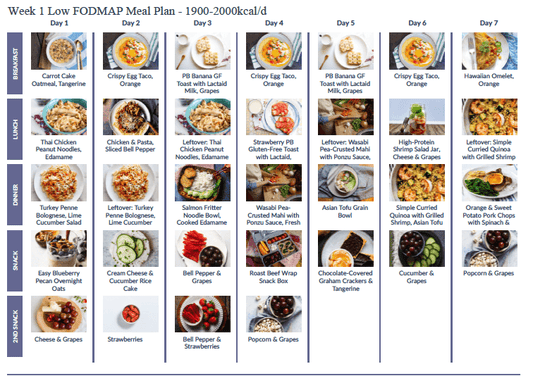
- Low-FODMAP choices if you're bloated or IBS-prone: eggs, lactose-free Greek yogurt, firm tofu, rice, oats, berries, citrus, zucchini, carrots
If constipation is part of your picture, soluble fiber (like psyllium) can help some people, but on GLP-1 therapy, fiber tolerance varies. Start low, go slow, and pair with fluids.
Caffeine, Alcohol, Spicy Foods, And Other Common GLP-1 Trigger Stacks
Hot flashes and GI symptoms often flare from "trigger stacks," not single foods.
Common stacks include:
- Coffee + empty stomach + long gap to next meal
- Alcohol + late dinner + reflux + warm bedroom
- Spicy food + nausea + dehydration
You don't need to eliminate everything forever. You're looking for patterns during the weeks your body is adapting.
Sleep, Cooling, And Stress Tools That Lower Symptom Intensity
Sleep disruption makes both hot flashes and appetite regulation worse.
Helpful basics:
- Keep the bedroom cool and breathable (layers you can remove quickly)
- Avoid heavy meals close to bedtime if reflux is an issue
- Light evening routines that downshift your nervous system (stretching, a short walk, slower breathing)
If stress is high, your symptoms may be louder. That's not in your head, stress physiology raises sympathetic tone, which can amplify flushing, palpitations, and sweating.
Digestive discomfort is one of the most common reasons people struggle with GLP-1 medications. Targeted nutrition support can make a real difference in tolerability. Casa de Sante's physician-formulated digestive enzymes, synbiotics, and motility support supplements are designed specifically for sensitive stomachs on GLP-1 therapy. See what's available at casadesante.com.
This article is for educational purposes only and is not medical advice. Always consult your healthcare provider before making changes to your treatment plan.
When To Contact Your Prescriber (And What To Ask For)
If hot flashes are frequent, worsening, or paired with concerning symptoms, looping in your prescriber is appropriate, and you'll get more from the visit if you ask targeted questions.
Dose Escalation, Holding A Dose, Or Switching GLP-1 Agents
Consider discussing:
- Whether your timing matches dose escalation (symptoms that spike right after an increase may improve with more time at the same dose)
- Whether a slower titration schedule is appropriate for you
- Whether side effects suggest you'd tolerate another GLP-1 agent better
Do not change your dose on your own. The goal is to balance effectiveness with tolerability and safety.
Labs And Workups That Make Sense For Hot Flashes Plus Weight Changes
Depending on your history and symptoms, your clinician may consider:
- Thyroid function tests (overactive thyroid can mimic hot flashes, anxiety, palpitations)
- Basic metabolic panel (electrolytes and kidney function, especially if dehydrated)
- Glucose data review (and medication review if hypoglycemia is possible)
- CBC or iron studies if fatigue, hair shedding, or palpitations are prominent
If you're in the perimenopause age range, it may also be reasonable to discuss whether your symptoms fit vasomotor symptoms and whether treatment options (including non-hormonal and hormonal strategies) are appropriate for your risk profile.
Conclusion
Hot flashes while taking semaglutide are usually a signal worth interpreting, not a reason to panic. In 2026, the most useful framing is this: semaglutide may not directly "cause" hot flashes, but it can create the conditions that make hot-flash-like episodes more likely, lower intake, dehydration, GI stress, sleep disruption, and blood sugar volatility. And if you're in perimenopause, estrogen fluctuation may be the quieter (or not-so-quiet) driver running underneath it all.
If you track symptoms for a week, focus on hydration and electrolytes, protect protein intake, and reduce trigger stacks, you'll often see the pattern, and your prescriber will have clearer information to help you decide whether to hold the dose, slow titration, evaluate labs, or address menopause-related vasomotor symptoms directly.
Frequently Asked Questions About Semaglutide, Hot Flashes, and Weight Changes
Can semaglutide cause hot flashes?
Semaglutide is not officially linked to causing hot flashes, but some users report hot-flash-like episodes likely due to blood sugar dips, dehydration, nausea, or metabolic changes related to weight loss rather than a direct effect.
Why might hot flashes occur while taking semaglutide even if I've never had them before?
Hot flashes on semaglutide often result from indirect causes such as blood sugar fluctuations, dehydration, gastrointestinal side effects, or rapid weight loss impacting thermoregulation, rather than semaglutide being a direct trigger.
What are typical weight change patterns when using semaglutide?
Weight loss with semaglutide usually starts with early water weight reduction followed by fat loss over months, often with plateaus around dose increases; rapid loss can risk lean muscle mass if protein intake is insufficient.
How are hot flashes and weight changes connected during semaglutide treatment?
Hot flashes and weight changes share root causes like under-eating, low protein, dehydration, and nervous system activation; inadequate nutrition and fluid balance can increase heat sensitivity and cause scale fluctuations.
What strategies help reduce hot flashes while on semaglutide without affecting weight loss?
Improving hydration with electrolytes, consuming high-protein meals, avoiding caffeine, alcohol, and spicy foods, maintaining a cool sleep environment, and managing stress can reduce hot flash symptoms and support weight loss.
Should I discuss hormone therapy with my clinician if I experience hot flashes on semaglutide?
Yes, especially if you are in perimenopause or menopause, discussing symptom patterns, hormone therapy options, and lab tests with your clinician can ensure safe management alongside semaglutide.