Semaglutide Diarrhea Relief: Low FODMAP Tips To Calm Your Gut While Staying On Track (2026)








If you're on semaglutide and suddenly dealing with diarrhea, you're not imagining it, and you're not alone. GI side effects are one of the most common reasons people feel discouraged during GLP-1 therapy, especially around dose starts and increases. The good news is that most cases are temporary, and the combination of smart meal sizing plus a short-term low FODMAP approach can reduce the "fermentation + urgency" cycle that makes diarrhea feel relentless.
This article walks you through why semaglutide diarrhea happens, how to tell it apart from overflow diarrhea (which is sneakier than it sounds), and how to use a practical 7-day low FODMAP reset to calm your gut without derailing your nutrition or your progress.
Why Semaglutide Can Trigger Diarrhea (And When Low FODMAP Helps)
Semaglutide activates GLP-1 receptors throughout your gastrointestinal tract, not just in your pancreas. That's part of why it works well for appetite regulation, but it's also why your gut may protest early on.
In clinical studies and real-world use, diarrhea is commonly reported (roughly in the high single digits up to around a third of users depending on dose and formulation), and it tends to cluster during dose escalation. The encouraging detail: most cases are mild to moderate and improve as your body adapts, and only a small percentage of people stop treatment specifically because of GI side effects.
Low FODMAP doesn't "treat" the medication effect, but it can lower two drivers that make semaglutide diarrhea worse: osmotic load (pulling water into the bowel) and rapid fermentation (gas + urgency).
How GLP-1 Medications Change Motility, Bile, And Gut Signaling
Semaglutide can create a timing mismatch in digestion:
- It slows gastric emptying (your stomach releases food into the small intestine more slowly).
- At the same time, it can increase colonic activity (the large intestine may move things along faster).
When partially digested food reaches the colon, water follows. Your colon bacteria then ferment certain carbohydrates, producing gas and short-chain fatty acids that can increase urgency. That combination can feel like: "I barely ate, and still I'm running to the bathroom."
Bile can be part of the picture too. GLP-1 therapy and rapid weight loss can change gallbladder emptying patterns in some people, and extra bile acids entering the colon can trigger watery stools in bile-acid diarrhea. (More on this in the menopause section, because hormones can nudge gallbladder function as well.)
Diarrhea Vs. Overflow Diarrhea From Constipation: Why It Matters
Here's a frustrating reality on semaglutide: you can be constipated and still have diarrhea.
Overflow diarrhea happens when stool backs up and liquid stool leaks around the blockage. It often shows up as frequent loose stools, smearing, or a sense that you never fully empty. If you respond by cutting fiber to zero and avoiding food, you may worsen the backup.
Clues that overflow may be contributing:
- You're straining or going less often overall, but when you do go it's loose
- You feel bloated and "full of stool"
- Small-volume urgent stools, especially after meals
This distinction matters because the best approach is different. True diarrhea often benefits from temporarily reducing fermentable carbs and fat load. Overflow diarrhea may require addressing constipation and motility with your clinician rather than only restricting your diet.
Red Flags: When Diarrhea Needs Medical Advice ASAP
Don't try to "power through" if any of these apply:
- Signs of dehydration: dizziness, fainting, very dark urine, minimal urination, racing heart
- Severe abdominal pain, persistent vomiting, or you can't keep fluids down
- Blood in stool, black/tarry stools, or fever
- Diarrhea lasting more than 48–72 hours even though conservative measures
- New severe symptoms soon after a dose increase, or symptoms that progressively worsen
Also reach out promptly if you have a history of inflammatory bowel disease, prior bowel surgery, kidney disease, or you're on medications where dehydration is risky (for example, certain blood pressure meds or diuretics). Your goal is symptom control without creating a second problem (electrolyte imbalance, kidney stress, or malnutrition).
Low FODMAP Basics For GLP-1 Users: What To Change First
The low FODMAP diet is a short-term elimination approach originally developed for IBS. FODMAPs are specific fermentable carbohydrates that can pull water into the intestine (osmotic effect) and feed gas-producing bacteria (fermentation effect). On semaglutide, when digestion timing is already altered, these effects can feel amplified.
A GLP-1-friendly way to use low FODMAP is not "perfect restriction forever." It's a targeted reset during symptom spikes, then a structured reintroduction so your long-term diet stays diverse.
Focus On Lowering Osmotic Load And Fermentation Fast
If you only change a few things first, prioritize:
- Reduce big FODMAP hits (especially lactose, excess fructose, wheat-based fructans, onion/garlic, and sugar alcohols). These are common triggers for watery stools and urgency.
- Temporarily dial back very high fiber spikes. Fiber is healthy, but jumping from low fiber to very high fiber while your gut motility is shifting can worsen bloating and diarrhea.
- Keep meals smaller and simpler. Semaglutide makes large mixed meals sit longer: the longer they sit, the more "unpredictable" digestion can feel.
- Choose carbs that are low FODMAP and easy to digest: rice, oats (portion-aware), potatoes, quinoa, sourdough spelt in small portions (tolerance varies), and gluten-free options when wheat is a trigger.
High-FODMAP "Healthy" Foods That Commonly Backfire On GLP-1s
A lot of people get tripped up because they're eating "clean" but their gut is miserable. Common culprits during semaglutide diarrhea include:
- Protein bars/shakes with inulin/chicory root, fructooligosaccharides (FOS), or sugar alcohols (sorbitol, mannitol, xylitol, maltitol)
- Large servings of beans and lentils
- "Greens + apple + pear + honey" smoothies (apples/pears/honey can be high FODMAP)
- Big salads with onion/garlic-heavy dressings
- Cauliflower rice, large servings of broccoli, or brussels sprouts (portion matters)
- Dairy-heavy meals if lactose sensitive (which can be more noticeable during GI stress)
This isn't a moral judgment on these foods. It's timing. When your gut is irritated, the same foods that work beautifully for someone else can become the reason you're afraid to leave the house.
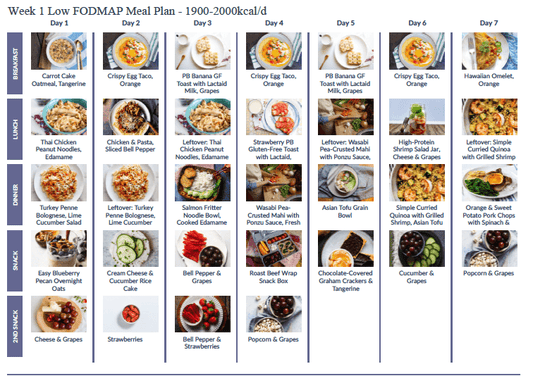
A 7-Day Low FODMAP Reset Plan During Dose Starts Or Increases
This is a practical, temporary reset you can use when you start semaglutide or step up a dose and your gut flares. Think: calm first, then carefully widen your options.
A key principle: you're not trying to eat "as little as possible." You're trying to eat predictably enough that your body can settle.
Days 1–3: Simplify Meals, Reduce Fiber Spikes, Stabilize Fluids
Goals for Days 1–3:
- Keep meals small and evenly spaced
- Use low FODMAP, lower-fat, lower-insoluble-fiber choices
- Prioritize hydration and electrolytes
Simple meal template:
- Breakfast: lactose-free yogurt or eggs + sourdough spelt toast (small portion) or oatmeal (moderate portion)
- Lunch: rice + grilled chicken or tofu + carrots/zucchini
- Dinner: baked potato + fish or turkey + sautéed spinach (small portion)
- Snacks: banana (not overripe), rice cakes with peanut butter, strawberries, oranges, lactose-free cottage cheese
What to pause temporarily:
- Large salads, beans, high-bran cereals
- Greasy foods, fried foods, heavy cream sauces
- Sugar alcohols and "diet" candies/gums
Fluid strategy (especially if stools are watery):
- Sip consistently rather than chugging
- Include an oral rehydration solution or electrolyte drink if you're having multiple loose stools per day
Days 4–7: Add Variety With Low FODMAP Carbs, Veggies, And Fruits
Once urgency is improving, widen variety while staying low FODMAP:
Low FODMAP carbs to rotate:
- Rice, quinoa, oats
- Potatoes, sweet potatoes (portion-aware)
- Gluten-free pasta or rice noodles
Low FODMAP veggies (start with cooked, not raw):
- Zucchini, carrots, bell peppers, spinach, cucumbers, green beans
Low FODMAP fruits (keep portions modest):
- Blueberries, strawberries, grapes, kiwi, oranges, pineapple
This is also the phase to re-test small amounts of fiber in a controlled way. For example, add a small serving of chia or oats and see how your gut responds for 24 hours before adding another new variable.
How To Reintroduce FODMAPs Without Re-Triggering Symptoms
The mistake most people make is reintroducing everything at once because they feel better.
A cleaner approach:
- Choose one FODMAP category at a time (for example, lactose or fructans).
- Test a small portion on Day 1, a moderate portion on Day 2, and a larger portion on Day 3.
- Keep the rest of your diet steady during the test.
- If symptoms return, you've learned something useful. You can pull back and retry later, especially after your dose has been stable for a few weeks.
If you're actively titrating semaglutide upward, expect tolerance to fluctuate. Your "safe foods" list can change week to week. That's normal, if annoying.
What To Eat When Diarrhea Hits: Gentle Low FODMAP Meals And Snacks
When diarrhea hits, your target is not culinary excellence. It's hydration, steady protein, and foods that are less likely to ferment or rush through you.
Go-To Options For Breakfast, Lunch, Dinner, And "I Can't Eat Much" Days
Breakfast ideas:
- Scrambled eggs with spinach (cooked) + a slice of sourdough spelt (if tolerated)
- Oatmeal made with lactose-free milk, topped with blueberries
- Lactose-free yogurt with strawberries (skip high-FODMAP granola)
Lunch ideas:
- Chicken and rice soup (no onion/garlic: use garlic-infused oil for flavor)
- Turkey slices + rice cakes + cucumber
- Tuna with a small baked potato and carrots
Dinner ideas:
- Grilled fish + rice + zucchini
- Lean ground turkey bowl: quinoa + sautéed bell pepper + spinach
- Tofu stir-fry with rice noodles (use low FODMAP sauces: avoid onion/garlic)
"I can't eat much" mini-meals:
- Banana + lactose-free Greek yogurt
- Small smoothie with lactose-free milk, protein powder you tolerate, and berries (avoid inulin/FOS)
- Rice cakes + peanut butter
If diarrhea is intense, temporarily choose more soluble fiber (oats) and less insoluble roughage (raw greens, bran). Soluble fiber can help thicken stool for some people.
Protein Choices That Are Usually Easier On GLP-1 Stomachs
Protein matters on GLP-1 therapy because your total intake often drops. But you want proteins that digest predictably.
Often easier options:
- Eggs
- Fish and seafood
- Chicken/turkey (grilled, baked, not fried)
- Firm tofu or tempeh (portion-aware)
- Lactose-free Greek yogurt or lactose-free cottage cheese
Options that may worsen diarrhea for some people:
- Very fatty cuts of meat
- Creamy, cheese-heavy dishes
- Protein products sweetened with sugar alcohols or loaded with added fibers (inulin/chicory root)
Low FODMAP Drinks And Electrolytes That Don't Worsen Diarrhea
Best bets when your stool is loose:
- Water (small sips frequently)
- Oral rehydration solutions (glucose + sodium helps absorption)
- Weak tea if you tolerate it
- Lactose-free milk in modest amounts
Be cautious with:
- Large amounts of coffee (can stimulate the colon)
- Alcohol (irritates the gut and worsens dehydration)
- "Zero sugar" drinks with sugar alcohols
- Very high-fructose juices
If you're having frequent watery stools, electrolytes are not optional. Even mild dehydration can make nausea and fatigue worse, which then makes eating harder, and the spiral continues.
Medication-Timing And Lifestyle Tweaks That Support Your Low FODMAP Plan
Food choices matter, but with semaglutide, timing and "load" often matter just as much.
Dosing, Meal Size, And Fat: The Most Common Diarrhea Triggers
Common patterns that trigger diarrhea during GLP-1 therapy:
- Dose increases followed by a large, high-fat meal
- Eating one or two very large meals because you weren't hungry earlier
- Greasy restaurant food (even small portions can be too rich)
Practical tweaks:
- Keep meals smaller and more frequent during the 48–72 hours after an injection (many people notice a pattern)
- Limit fried foods and heavy sauces during symptom-prone windows
- If you're adding fiber, add it slowly and consistently rather than in one giant "health meal"
Also be aware of "healthy fat overload." Avocado, nuts, olive oil, and nut butters are nutritious, but large amounts can worsen diarrhea when your gut is already sensitive.
Hydration, Caffeine, Alcohol, And Sugar Alcohols: Hidden Accelerators
A few hidden accelerators show up repeatedly:
- Caffeine: increases colonic contractions in many people
- Alcohol: worsens dehydration and can irritate the intestinal lining
- Sugar alcohols: common in protein bars, gummies, and "keto" snacks: strongly associated with diarrhea in sensitive people
If you're doing low FODMAP but still having diarrhea, check ingredient lists. Many "gut health" products include inulin, chicory root, or sugar alcohols that are exactly the opposite of what you need during a flare.
Travel, Stress, And Sleep: How They Amplify GI Side Effects
You can eat perfectly and still have symptoms if your nervous system is on high alert.
- Stress shifts gut-brain signaling and can increase urgency
- Poor sleep raises stress hormones and can worsen nausea and GI sensitivity
- Travel disrupts routines (meal timing, hydration, sleep), and even small changes can be enough during dose escalation
If you're traveling during a dose increase, consider discussing timing with your clinician ahead of time. Planning is not overreacting: it's how you stay functional.
Special Considerations For Perimenopause And Menopause
If you're in perimenopause or menopause, you're often managing multiple overlapping changes at once: shifting estrogen and progesterone, changes in sleep, changes in body composition, and sometimes new GI sensitivity that wasn't there at 35.
Semaglutide can still be a useful tool, but your side-effect management may need a little more intention.
Hormone Shifts, Gallbladder Changes, And Bile-Related Diarrhea
Estrogen and progesterone influence bile flow and gallbladder function. Add rapid weight loss (which increases the risk of gallstones in general), and some people develop symptoms that look like bile-related diarrhea: watery stools, urgency, and sometimes symptoms after higher-fat meals.
You can't diagnose bile-acid diarrhea on your own, but you can notice patterns:
- Loose, watery stools especially after fatty meals
- Symptoms that persist beyond the initial dose-adjustment phase
If this pattern fits you, it's worth discussing with your clinician because there are targeted evaluation and treatment options.
Protein, Iron, Magnesium, And Fiber: Balancing Symptoms And Nutrition
Menopause is a time when maintaining lean mass becomes harder, even without GLP-1 therapy. Appetite reduction can unintentionally drop protein, iron, and magnesium intake.
A few practical, symptom-aware principles:
- Prioritize protein in small portions throughout the day (rather than one large serving)
- Use low FODMAP, iron-containing foods you tolerate (for example, lean red meat in small portions, spinach in cooked portions, pumpkin seeds in modest amounts)
- Be cautious with magnesium supplements during diarrhea flares: some forms (like magnesium citrate) can worsen loose stools
- Fiber is still important, but dose matters. During diarrhea, you may do better with soluble fiber (oats, chia in small amounts) and cooked vegetables rather than large raw salads
If you're also on hormone therapy, thyroid medication, or iron supplements, timing can influence GI tolerance. Bring the full list to your clinician so they can help you space things strategically.
When To Talk To Your Clinician About Dose, Formulation, Or Add-Ons
You don't have to accept ongoing diarrhea as "just part of it." If symptoms persist, the right next step is often adjusting the plan, not simply restricting more foods.
What To Track Before Your Appointment (Stool, Meals, Timing, Triggers)
Bring objective data. It speeds up the visit and improves the odds you'll get a useful solution.
Track for 7–14 days:
- Injection day/time and dose
- Meal timing and approximate meal size
- Higher-fat meals, alcohol, caffeine, and any sugar alcohols
- Stool frequency and appearance (the Bristol Stool Scale is a helpful reference)
- Urgency, cramping, nausea, bloating
- Hydration and any signs of dehydration
If you want one "power move," it's this: write down what happened in the 24–48 hours after your dose. Patterns show up there.
Common Testing And Rule-Outs If Diarrhea Persists
Your clinician may consider:
- Medication review (including metformin, antibiotics, magnesium, sugar alcohol intake)
- Basic labs if dehydration or electrolyte imbalance is a concern
- Stool testing if infection is possible (especially with fever, blood, travel exposure)
- Evaluation for gallbladder disease if symptoms suggest biliary involvement
- Consideration of bile-acid diarrhea, which can be treated but needs clinical assessment
- Assessment for constipation with overflow diarrhea
They may also discuss whether your titration schedule needs more time at a lower dose, or whether changing how you time meals around dosing could reduce symptoms.
Digestive discomfort is one of the most common reasons people struggle with GLP-1 medications. Targeted nutrition support can make a real difference in tolerability. Casa de Sante's physician-formulated digestive enzymes, synbiotics, and motility support supplements are designed specifically for sensitive stomachs on GLP-1 therapy. See what's available at casadesante.com.
This article is for educational purposes only and is not medical advice. Always consult your healthcare provider before making changes to your treatment plan.
Conclusion
Semaglutide diarrhea is usually a temporary, dose-related problem, but it can feel disruptive fast. A short-term low FODMAP reset works best when you use it strategically: simplify during the flare, stabilize fluids and electrolytes, keep protein steady in small amounts, then reintroduce foods methodically once your gut calms down.
If symptoms are persistent, severe, or paired with red flags, that's your cue to bring your tracking notes to your clinician and problem-solve the plan together. The goal isn't to "tough it out." The goal is to make GLP-1 therapy tolerable enough that you can stay consistent, protect your nutrition, and actually benefit from the medication.
This article is for educational purposes only and is not medical advice. Always consult your healthcare provider before making changes to your treatment plan.
Semaglutide Diarrhea and Low FODMAP Tips: Frequently Asked Questions
Why does semaglutide often cause diarrhea during treatment?
Semaglutide activates GLP-1 receptors in the GI tract, slowing stomach emptying while speeding up colon activity. This causes partially digested food to draw water into the colon and increases gas and urgency, leading to diarrhea, especially during dose escalations.
How can a low FODMAP diet help manage diarrhea caused by semaglutide?
A low FODMAP diet reduces fermentable carbs that pull water into the bowel and feed gas-producing bacteria, lowering osmotic load and fermentation. This can calm semaglutide-induced diarrhea temporarily, especially during dose increases, without interfering with medication benefits.
What are practical low FODMAP dietary tips for someone experiencing semaglutide diarrhea?
Focus on small, frequent meals with low FODMAP carbs like rice, oats, and potatoes. Avoid high FODMAP triggers such as lactose, garlic, onions, and sugar alcohols. Prioritize hydration, reduce fat intake, and gradually reintroduce foods after symptoms improve.
How can I tell if my diarrhea is due to semaglutide or overflow from constipation?
Overflow diarrhea happens when stool buildup causes liquid stool to leak, often accompanied by straining, bloating, and small urgent stools. True semaglutide diarrhea usually improves as your body adapts and benefits from low FODMAP adjustments, while overflow may require constipation management by your doctor.
When should I seek medical advice for semaglutide-related diarrhea?
Seek prompt care if diarrhea lasts more than 48-72 hours, if you have dehydration signs (dizziness, dark urine), severe abdominal pain, blood in stools, or worsening symptoms soon after dose increases. Persistent or severe symptoms may need medication adjustment or further evaluation.
What lifestyle or medication timing changes can reduce diarrhea during semaglutide therapy?
Avoid large, high-fat meals, especially after dose increases. Eat smaller, more frequent meals and limit greasy or fried foods. Be cautious with caffeine, alcohol, and sugar alcohols, which can worsen diarrhea. Careful dose escalation and timing meals around doses also support gut tolerance.