Semaglutide Constipation Relief: When Fiber Helps (And When an Osmotic Laxative Works Better)








Constipation on semaglutide can feel unfair: you're doing the hard work, your appetite is lower, the scale is moving… and then your gut decides to stop cooperating. If you've tried "just add more fiber" and ended up more bloated, more uncomfortable, and still not going, you're not imagining it.
Semaglutide constipation is usually a motility problem plus a hydration-and-intake problem. That's why the best tool depends on what your stool is actually like. In many cases, fiber helps. In others, an osmotic laxative works better because the stool is simply too hard and dry to "bulk" your way out of it.
Below is a practical, symptom-based way to decide, without hype, without guesswork, and with the safety details people often leave out.
Why Semaglutide Can Cause Constipation In The First Place
Semaglutide is a GLP-1 receptor agonist. It mimics a natural hormone involved in appetite regulation and digestion. The same mechanism that helps with fullness and weight loss can also slow the normal movement of the GI tract, which is a common setup for constipation.
Clinical trials and real-world experience line up on a few repeat themes: constipation tends to show up more in the early months (often within the first 16 weeks), and it can linger, one analysis reported a median duration around 47 days. In other words, it's not just a "one bad day" problem for many people.
How GLP-1s Slow Motility And Change Appetite, Fluids, And Routine
Constipation on semaglutide is rarely one single issue. It's usually a stack of smaller changes that add up:
- Slower gastric emptying and intestinal motility
Semaglutide slows how quickly food leaves your stomach and can reduce intestinal contractions (motility). When transit is slower, stool sits in the colon longer.
- More water gets pulled out of stool
The colon's job is to reabsorb water. When stool hangs around longer, the colon has more time to absorb water out of it, so stool becomes harder, drier, and more difficult to pass.
- You eat less (including less fiber)
Because you feel full sooner, your total food volume often drops. Even if you "eat healthy," less total food can mean less naturally occurring fiber.
- You drink less (often without realizing it)
Many people drink less on GLP-1 therapy because thirst cues can change, nausea makes sipping unappealing, or you're simply consuming fewer beverages with meals.
- Your routine shifts
Travel for appointments, less snacking, fewer morning cues (like breakfast), reduced movement when you feel fatigued, small routine changes can disrupt your bowel rhythm.
Who's More Likely To Get Constipated On GLP-1s (Including Perimenopause And Menopause)
You're more likely to struggle if any of these are true:
- You're early in treatment or recently increased your dose. Constipation often worsens after titration.
- You already had "slower" bowels before GLP-1 therapy.
- You're eating significantly less overall (especially lower-carb or very low-volume diets).
- You're under-hydrated or avoiding fluids because of nausea or reflux.
- You're taking other constipating meds (common examples include iron supplements, some antidepressants, antihistamines, and certain pain medications).
If you're in perimenopause or menopause, constipation can be more stubborn, not because GLP-1s "target menopause," but because the terrain is different. Hormonal shifts (including lower estrogen) can influence sleep, stress physiology, body composition, and hydration patterns. And midlife is when many people also add medications or supplements (iron, calcium, sleep aids) that can slow stool. There isn't strong evidence that menopause alone predicts GLP-1 constipation, but the combination of lower intake, dehydration, and baseline sluggishness is common in this stage of life, and it matters practically.
Fiber Vs Osmotic Laxatives: The Practical Differences That Matter
The biggest mistake I see in GLP-1 constipation content is treating fiber and osmotic laxatives as interchangeable. They're not. They solve different problems.
A simple way to think about it:
- Fiber helps when you need better stool form and consistency and you have enough fluid coming in.
- Osmotic laxatives help when the stool is hard and dry and you need more water pulled into the colon.
What Fiber Does (And Why It Can Backfire If You're Dehydrated Or Eating Less)
Fiber can help constipation in two main ways:
- Soluble fiber forms a gel that holds water, softens stool, and can make bowel movements easier to pass.
- Insoluble fiber adds bulk and can speed transit in some people, but it can also be rougher on sensitive GI tracts.
Here's the catch on semaglutide: fiber requires water and enough overall intake.
If you're dehydrated, adding fiber can feel like you "packed the suitcase tighter" without adding any extra space. You may get:
- more bloating
- more gas
- a feeling of fullness or pressure
- stool that's bulkier but still hard to pass
This is why "eat more fiber" sometimes makes GLP-1 constipation worse, especially when nausea has reduced your fluids and portion sizes.
What Osmotic Laxatives Do (And Why They Often Work When Stool Is Hard And Dry)
Osmotic laxatives draw water into the colon. More water in the colon typically means softer stool and easier passage.
They often work well for semaglutide constipation because the underlying issue is frequently "slow transit + extra water reabsorption." If the stool is dry, no amount of bulking alone fixes the dryness.
The main tradeoff is safety and tolerance:
- Osmotics can overcorrect and cause diarrhea if the dose is too high.
- Some osmotics can affect electrolytes (a bigger concern with magnesium-based products or in people with kidney disease).
A quick comparison that actually maps to real-life decisions:
Aspect Fiber Osmotic laxatives
Best for Mild irregularity, low stool volume, inconsistent routine Hard/dry stool, straining, incomplete emptying
Common pitfall Worse bloating if you're not hydrated Diarrhea or electrolyte issues if misused
What you need for it to work Water + gradual titration Correct product choice + appropriate dosing
How To Choose: A Simple Decision Guide Based On Your Symptoms
Instead of asking "Should I take fiber or MiraLAX?" start with: what is your constipation actually doing?
Use these symptom patterns to guide a conservative, practical first step.
Choose Fiber First If You're Irregular, Not Painful, And Can Hydrate And Eat Enough
Fiber tends to be a reasonable first move when:
- You're going less often than usual, but when you go it's not severely painful
- Stool isn't rock-hard (more like "smaller" or "not much there")
- You can consistently drink fluids through the day
- Your nausea is controlled enough that you can tolerate food volume
This pattern often happens when your overall intake dropped fast and your body hasn't adapted yet.
Choose An Osmotic Option If Stool Is Hard, Incomplete, Or You're Straining
An osmotic laxative is often the better match when you notice:
- hard, dry, pellet-like stool
- significant straining
- a sense of incomplete emptying
- rectal discomfort
- several days without a satisfying bowel movement, especially after a dose increase
This is the "too dry and too slow" picture. In that scenario, bulking with fiber may increase discomfort unless you also restore hydration and soften stool.
When To Combine Approaches (And When Not To)
Combining can make sense when:
- You're using an osmotic short-term to soften stool, and
- You're adding (or maintaining) a small amount of soluble fiber to support consistency once things start moving.
But combining is not a great idea when:
- You're already bloated, nauseated, or barely drinking
- You've had cramping and your abdomen feels distended
- You're escalating multiple things at once (fiber, magnesium, PEG, stimulant laxatives) and can't tell what's helping versus hurting
A good rule: change one variable at a time, and give it enough time to work, especially with PEG, which can take 1–3 days.
How To Use Fiber Successfully On Semaglutide
If fiber is the right tool for your symptom pattern, the next question is how to do it without feeling like you swallowed a balloon.
On GLP-1 therapy, the winning strategy is usually: soluble fiber, smaller doses, slower titration, and very intentional fluid intake.
Best Types Of Fiber For Sensitive Stomachs: Soluble Vs Insoluble
Soluble fiber is generally better tolerated for many people on semaglutide.
Examples include:
- Psyllium (often well-studied for stool regularity)
- Oats and oat bran
- Chia (small amounts can be helpful: too much can backfire)
- Partially hydrolyzed guar gum (PHGG) in some products
Insoluble fiber can help some people, but it's more likely to trigger bloating or discomfort in sensitive GI tracts.
Examples include:
- Wheat bran
- Some raw vegetables and large salads (especially if nausea is present)
If your constipation is paired with bloating, reflux, or early fullness, soluble fiber is usually the gentler starting place.
Dosing And Titration: Start Low, Go Slow, And Match Water Intake
On semaglutide, "more" is rarely better on day one.
A practical approach many clinicians use:
- Start with a low dose (for example, about 3–5 grams of added fiber per day)
- Hold that dose for several days
- Increase gradually based on tolerance and results
Hydration is not optional with fiber.
If you're adding a fiber supplement, it should be taken with a full glass of water, and your overall day should include consistent fluids. People often aim for roughly 64 ounces of total fluid daily, but your needs vary based on body size, activity level, climate, and whether nausea is limiting intake.
If you can't keep fluids up, consider addressing hydration first and using fiber more cautiously.
Food-First Options That Are Often Better Tolerated On GLP-1s
Food sources can be easier to tolerate than a sudden bolus of supplemental fiber, especially when your stomach empties more slowly.
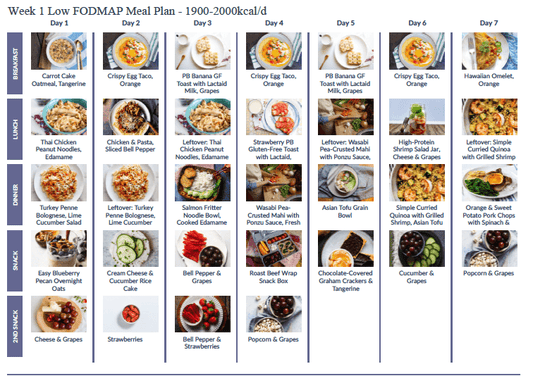
If you're also managing IBS or a sensitive gut, low FODMAP fiber foods can be a smart way to add fiber without adding a lot of fermentable carbohydrates that worsen gas.
Often-tolerated options (portion matters):
- Oatmeal
- Kiwi
- Chia in small amounts
- Cooked vegetables instead of large raw salads
- Berries in moderate portions
And a very GLP-1-specific tip: smaller, more frequent fiber exposure (a little at breakfast, a little at dinner) is often better tolerated than trying to "fix it" with one large fiber-heavy meal.
How To Use Osmotic Laxatives Safely And Effectively
Osmotic laxatives are common, but "common" doesn't mean "risk-free." The key is choosing the right osmotic for your health profile and using it in a way that avoids the whiplash of constipation one day and diarrhea the next.
Common Osmotics Compared: PEG, Magnesium, And Lactulose Basics
PEG (polyethylene glycol 3350)
- Often a first-line over-the-counter osmotic option
- Generally not absorbed systemically in significant amounts
- Tends to be gentle for many people, but can cause loose stool if overused
Magnesium-based osmotics (examples include magnesium citrate or magnesium hydroxide)
- Can be effective
- Higher concern for electrolyte shifts, especially in kidney disease
- Not always the best choice if you're at risk for dehydration
Lactulose
- Prescription osmotic laxative
- Can work well, but may cause gas and bloating in some people
- Often chosen in specific clinical situations when an OTC option isn't a fit
Timing, Dosing, And Expected Onset (So You Don't Overcorrect)
A common reason people "fail" osmotics is impatience.
PEG often takes 1–3 days to produce a reliable effect. If you take a dose today, don't feel anything by tonight, and double it tomorrow, you may overshoot by day three.
General expectations:
- PEG: typically gradual onset over 24–72 hours
- Magnesium products: may work faster in some people, sometimes within hours (depending on formulation and dose)
- Lactulose: can take 24–48 hours and may cause more gas
Because semaglutide already slows transit, a slower onset doesn't mean it isn't working. It often means it's matching the physiology.
Who Should Avoid Certain Osmotics (Kidney Disease, Electrolytes, And Drug Interactions)
You should be especially cautious, and involve your clinician, if you have:
- Kidney disease or reduced kidney function (magnesium can accumulate)
- Heart failure or conditions where electrolyte balance is critical
- A history of significant electrolyte abnormalities
- Dehydration from ongoing vomiting or severe low intake
Also consider spacing any laxative away from other oral medications when possible, because major changes in GI transit can affect medication absorption timing. If you're on multiple prescriptions, it's worth asking your pharmacist about spacing and interactions.
If you're pregnant, trying to conceive, or breastfeeding, product choice matters even more, don't self-prescribe.
The GLP-1 Constipation Protocol: A 7-Day Step-Up Plan
If you like structure (and most people do when they feel uncomfortable), a step-up plan keeps you from throwing five solutions at the problem at once.
The goal is to start with the lowest-risk levers and escalate only if your symptoms suggest you need more.
Days 1–2: Hydration, Electrolytes, And Gentle Movement
Focus on three basics:
- Fluids: Aim for steady intake across the day. Many people target around 64 ounces daily, adjusted for your body and circumstances.
- Electrolytes: If you're drinking more water but eating less, electrolytes can help you retain and use that fluid appropriately.
- Movement: A consistent 15–20 minute walk can stimulate gut motility more than you'd think, especially after meals.
If nausea is limiting intake, prioritize small sips frequently, not large volumes at once.
Days 3–4: Add Soluble Fiber Or Low FODMAP Fiber Foods
If you're not having red-flag symptoms and your stool isn't rock-hard, add a small amount of soluble fiber.
Options include:
- A low dose of psyllium or another soluble fiber supplement, titrated gradually
- Food-first fiber increases using tolerated, lower-bloat choices (often oats, kiwi, berries, cooked vegetables)
Stay consistent for a few days before judging. With GLP-1-slowed transit, your gut may need time.
Days 5–7: Add Or Switch To An Osmotic If Still Straining Or Hard Stool Persists
If you're still straining, stool is hard/dry, or you're only passing small pellets, it's reasonable to discuss or consider an osmotic option.
Many people use PEG-based therapy as a standard OTC osmotic approach: a commonly referenced dose is 17 grams daily, but your clinician may recommend a different regimen based on your health history, kidney function, and overall medication list.
If you improve, don't keep escalating. The aim is comfortable, predictable bowel movements, not pushing your system into diarrhea.
When To Call Your Clinician
Constipation is common on semaglutide, but you shouldn't normalize severe or escalating symptoms. Some scenarios require medical evaluation because bowel obstruction, gallbladder disease, pancreatitis, and other conditions can overlap with "GI side effects" and need to be ruled out.
Red Flags: Severe Pain, Vomiting, Blood, Or No Gas/No Stool
Call your clinician promptly (and consider urgent evaluation) if you have:
- severe or worsening abdominal pain
- persistent vomiting or inability to keep fluids down
- blood in the stool or black/tarry stools
- fever with GI symptoms
- no stool plus inability to pass gas
- significant abdominal distension with pain
Those are not "wait it out" symptoms.
If Constipation Worsens After A Dose Increase Or Comes With Reflux And Bloating
Reach out if:
- constipation reliably worsens after each dose increase
- you develop significant reflux, early satiety (getting full extremely fast), or persistent bloating
- you're eating so little that you can't maintain hydration and protein
Sometimes the fix is supportive care. Sometimes it's adjusting the titration pace, addressing nausea more effectively, reviewing your other medications and supplements, or reassessing whether you're on the right dose for your tolerance.
If you're working on weight loss in perimenopause/menopause, it can also be worth reviewing hormone status, sleep, iron use, and dietary pattern, because constipation is often the visible tip of a bigger physiology iceberg.
Conclusion
If you take one thing from this: semaglutide constipation isn't automatically a "fiber deficiency." It's usually slowed motility plus reduced intake and hydration, which changes stool consistency. When you match the tool to the stool, fiber for mild irregularity with good hydration, osmotics for hard/dry stool with straining, you get better results with less misery.
Digestive discomfort is one of the most common reasons people struggle with GLP-1 medications. Targeted nutrition support can make a real difference in tolerability. Casa de Sante's physician-formulated digestive enzymes, synbiotics, and motility support supplements are designed specifically for sensitive stomachs on GLP-1 therapy. See what's available at casadesante.com.
This article is for educational purposes only and is not medical advice. Always consult your healthcare provider before making changes to your treatment plan.
Semaglutide Constipation: Common Questions Answered
Why does semaglutide cause constipation?
Semaglutide slows gastric emptying and intestinal motility, causing stool to remain longer in the colon where more water is absorbed, leading to harder, drier stool. Reduced appetite and fluid intake on semaglutide further contribute to constipation.
When should I choose fiber versus an osmotic laxative for semaglutide constipation?
Use fiber if you have mild irregularity, softer stool, and can maintain good hydration and food intake. Choose an osmotic laxative if your stool is hard, dry, pellet-like, or if you're straining and have incomplete bowel movements.
What type of fiber is best for managing semaglutide-related constipation?
Soluble fiber, such as psyllium, oats, or partially hydrolyzed guar gum, is gentler and better tolerated than insoluble fiber. Start with low doses and increase gradually with plenty of water to avoid bloating.
How do osmotic laxatives help relieve constipation caused by semaglutide?
Osmotic laxatives like polyethylene glycol (PEG) draw water into the colon, softening hard, dry stool and making it easier to pass. They are often more effective when constipation involves slow transit combined with dry stool.
What is a safe approach to treating semaglutide constipation?
Start with increasing hydration and gentle movement for 1-2 days, then add small amounts of soluble fiber for 2-3 days. If stool remains hard or straining persists, consider a low-dose osmotic laxative while monitoring for side effects.
When should I consult my healthcare provider about constipation while on semaglutide?
Seek medical advice if you experience severe abdominal pain, vomiting, blood in stool, inability to pass gas or stool, worsening symptoms after dose increases, or persistent bloating and reflux.