Semaglutide Bloating: When Digestive Enzymes Help (And What To Try First) In 2026








If you're on semaglutide and your stomach feels puffy, tight, or uncomfortably "full" hours after eating, you're not imagining it. Bloating is one of the most common GI complaints on GLP-1 medications, and it can show up even when you're doing everything "right."
The tricky part is that bloating on semaglutide isn't caused by one single thing. Sometimes it's slowed stomach emptying. Sometimes it's constipation. Sometimes it's fermentation from specific carbs. And sometimes it's a mismatch between what you're eating and what your digestive system can comfortably handle right now.
Digestive enzymes can help in the right situation. They can also do nothing at all (or even make you feel worse) if you choose the wrong type or skip the basics. This guide walks you through why semaglutide bloating happens, when enzymes are worth trying, and what usually helps first, so you can get relief without guessing.
Why Semaglutide Can Cause Bloating In The First Place
Semaglutide works partly by changing how your gut moves and how your brain perceives hunger and fullness. That's the point. But those same mechanisms can create bloating, especially early on, after dose increases, or when meal patterns don't match your new "slower" digestion.
A useful way to think about semaglutide bloating is that it can come from three buckets:
- your stomach staying full longer
- more gas being produced (or trapped)
- stool moving more slowly (constipation), which makes everything feel backed up
How GLP-1 Slows Gastric Emptying And Triggers Fullness
GLP-1 receptor agonists like semaglutide slow gastric emptying, meaning food leaves your stomach and enters your small intestine more slowly. Some data suggest gastric emptying can be delayed substantially (often cited as up to around 70% in certain contexts), which is one reason you feel satisfied with smaller portions.
But when food sits in the stomach longer, you can get mechanical distension: your stomach is literally stretched for longer than you're used to. That stretch activates nerves that register pressure and "bloat."
This is why semaglutide bloating often feels worse:
After larger meals
After higher-fat meals (fat naturally slows emptying even without a GLP-1)
When you eat quickly (more swallowed air, less time for satiety signals to catch up)
Late at night (lying down can worsen reflux and the sensation of upper abdominal pressure)
Fermentation, Gas, And Food Choices That Worsen Symptoms
Bloating isn't always your stomach. Sometimes it's gas lower down.
When digestion slows, carbohydrates and fibers may spend more time available for gut bacteria to ferment. Fermentation produces gas as a byproduct. For some people, that means more burping, more pressure, and sometimes sulfur-smelling belching.
Certain food categories are more likely to ferment and cause gas, especially when your system is already moving slowly:
High-FODMAP foods (fermentable carbohydrates) like onion, garlic, wheat-based products, certain fruits, and some dairy
Large servings of beans and lentils
Cruciferous vegetables (broccoli, cauliflower, Brussels sprouts), especially in big portions or eaten raw
Protein bars and "healthy" snacks sweetened with sugar alcohols
Carbonated drinks that add gas volume on top of slower clearance
Constipation, Fluid Shifts, And Hormone-Related Bloating (Perimenopause/Menopause)
Constipation is a major amplifier of semaglutide bloating. If stool is moving slowly, gas can build up behind it, and your abdomen can feel distended even if you're eating less than usual.
Semaglutide can contribute to constipation by slowing gut motility (movement through the GI tract). And then real life stacks on top of that: less food volume, less fluid intake (common when appetite is low), and sometimes less daily movement.
For many women in perimenopause or menopause, there's also a second layer: hormone-related bloating. Fluctuating estrogen and progesterone can affect fluid retention, bowel regularity, and visceral sensitivity (how strongly your gut "feels" normal stretching). That doesn't mean hormones are the only cause, just that they can turn a mild GLP-1 side effect into a bigger quality-of-life issue.
If your bloating seems cyclical, worsens with stress or poor sleep, or comes with new constipation patterns around midlife, it's worth considering that your hormones and your gut are interacting here.
Digestive Enzymes 101: What They Do And What They Don’t
Digestive enzymes are tools, not a blanket fix. They can be a smart addition when bloating is driven by incomplete breakdown of certain foods (like lactose or specific fermentable carbs). They're less helpful when bloating is primarily from delayed gastric emptying, constipation, or reflux.
Here's the core idea: enzymes help you break down food into smaller components your small intestine can absorb. Less undigested material reaches gut bacteria, which can mean less fermentation and less gas.
But enzymes don't "speed up" a stomach that's moving slowly because of semaglutide. And they don't replace foundational habits like portion control, hydration, or constipation prevention.
Enzymes Vs. Probiotics Vs. Fiber Vs. Antacids: Quick Differences
If you're trying to pick the right lever, it helps to know what each category is actually doing.
Digestive enzymes: Help break down specific components of food (like lactose, certain carbohydrates, fats, proteins). Best for food-triggered gas and bloating.
Probiotics/synbiotics: Add beneficial bacteria (and sometimes fibers that feed them). They may help long-term gut balance for some people, but they can also increase gas at first, especially if you're sensitive to fermentable fibers.
Fiber (like psyllium): Adds bulk and water-holding capacity to stool, which can improve regularity. Great for constipation-related bloating when introduced gradually and paired with enough fluids.
Antacids/H2 blockers/PPIs: Reduce stomach acid and help heartburn/reflux. They don't address fermentation gas and can sometimes worsen digestion of certain foods if acid is reduced too much.
Which Symptoms Suggest Enzymes May Help (And Which Usually Won't)
Enzymes are most worth considering when your bloating looks like "I ate X, and now I'm gassy." Patterns matter.
Symptoms that often respond to targeted enzymes:
Bloating and gas after dairy (especially milk, ice cream, whey-heavy shakes)
Gassiness after beans, lentils, or large servings of cruciferous vegetables
Bloating after higher-carb meals where you suspect fermentation is the driver
A sense of "food sitting" plus burping after meals that include richer proteins/fats (enzymes may help breakdown, even though they won't fix slow emptying)
Symptoms that enzymes usually won't fix on their own:
Constipation-driven distension (the priority is regularity)
Persistent nausea from dose escalation
Heartburn from reflux (different mechanism)
Severe early satiety (feeling full after a few bites) suggesting excessive slowing
Progressive abdominal pain, vomiting, or inability to keep liquids down
Also important: many GI side effects improve over 4 to 8 weeks as your body adapts, particularly when dosing is titrated slowly. If you're early in treatment or just increased your dose, the "best" strategy may be a temporary reset of meal size and composition rather than adding multiple supplements at once.
The Enzymes Most Relevant For GLP-1 Users
If you decide to try digestive enzymes for semaglutide bloating, specificity is your friend. "Broad-spectrum" blends can be convenient, but they also make it harder to know what actually helped.
Below are the enzyme types most commonly relevant for the food patterns that trigger gas and bloating on GLP-1 therapy.
Lactase For Dairy-Triggered Gas And Bloating
Lactase breaks down lactose, the natural sugar in milk.
Even if you've tolerated dairy your whole life, semaglutide can change the equation. Slower digestion means lactose may linger longer, increasing the chance it ferments, especially if you're using whey-based protein shakes, yogurt bowls, or "healthy" ice cream as easy calories.
Clues lactase may help:
Bloating, gas, or urgent bathroom trips after milk, ice cream, soft cheeses
Better tolerance of lactose-free dairy compared with regular dairy
Symptoms that reliably show up within a few hours of dairy
Alpha-Galactosidase For Beans, Crucifers, And High-Fiber Meals
Alpha-galactosidase helps break down certain complex carbohydrates found in:
Beans and lentils
Cruciferous vegetables (broccoli, cauliflower, Brussels sprouts)
Some whole grains and high-fiber foods
These carbs are classic gas-producers because humans don't fully digest them without help, gut bacteria take over, and gas is the result. On semaglutide, when transit slows, that fermentation window can widen.
This enzyme is often most useful when you're trying to eat "clean" and high-fiber for health, but your gut is not cooperating.
Protease, Lipase, And Amylase For Heavier Protein/Fat Meals
These are the workhorse enzymes in many digestive blends:
Protease breaks down protein
Lipase breaks down fat
Amylase breaks down starch
For GLP-1 users, these can be helpful when your bloating follows meals that are:
Higher fat (oily foods, fried foods, rich sauces, large servings of nuts or nut butters)
Higher protein in one sitting (big steak or large protein bowls)
A mix of fat and protein eaten quickly (the classic "it's sitting like a rock" feeling)
A practical note: on semaglutide, the goal is often protein-first, but not protein-all-at-once. Enzymes may help with tolerance, but smaller portions and better distribution across the day usually matter more.
When Betaine HCl Or Bile Support Is A Bad Idea (And When To Ask A Clinician)
You'll see supplements marketed as "stomach acid support" (betaine HCl) or "bile support." These are not routine add-ons for semaglutide bloating.
Betaine HCl can irritate the stomach lining and worsen reflux, gastritis, or ulcer symptoms. If you already have heartburn on semaglutide, adding acid can backfire.
Bile salts may worsen diarrhea for some people and are not appropriate if you have certain gallbladder or liver issues. And GLP-1 medications have been associated with gallbladder events in some users, so new right-upper abdominal pain, nausea after fatty meals, or pain radiating to the back deserves medical evaluation, not self-experimentation.
When it's reasonable to ask a clinician about acid or bile support:
You have a history of bariatric surgery or known malabsorption
You have persistent, unexplained nutrient deficiencies
You have ongoing symptoms that don't match simple food triggers and haven't improved with basic changes
In other words: these are "talk to your clinician" tools, not first-line options.
How To Use Digestive Enzymes Safely With Semaglutide
If you choose to trial an enzyme, treat it like a mini-experiment. The most common mistake is changing five things at once, then having no idea what helped (or what caused the new symptom).
Timing, Dosing, And How To Test One Change At A Time
General best practice for most digestive enzymes is to take them with the first few bites of a meal. The goal is to have enzymes present in the stomach and small intestine while the food is being processed.
A simple, safe testing approach:
Pick one target situation (for example: your usual Greek yogurt + fruit breakfast, or your typical bean-and-rice lunch)
Use the enzyme only with that meal for several days
Keep the rest of your routine stable
Track symptoms for 2 to 4 hours after eating and again later that day
If you notice a clear improvement, you can expand use to other meals with similar triggers.
If you notice no change after a week of consistent, targeted use, that enzyme is probably not your bottleneck, at least not right now.
Common Side Effects, Allergens, And Drug-Interaction Considerations
Digestive enzymes are generally well-tolerated, but "natural" doesn't mean risk-free.
Things to watch:
Allergens: Some enzymes are derived from fungal sources: others may be paired with ingredients like lactose, soy, or herbal extracts depending on the formula. If you have allergies or sensitivities, read labels carefully.
GI effects: Paradoxically, enzymes can sometimes cause mild stomach upset, cramping, or changes in stool, often because the blend is too strong, includes irritants, or isn't matched to your triggers.
Medication timing: Semaglutide already alters absorption timing by slowing gastric emptying. While enzymes don't typically create major drug interactions, it's still wise to keep a consistent routine with your medications and discuss any new supplement with your prescriber or pharmacist, especially if you take medications with a narrow therapeutic window.
Red Flags That Need Medical Attention, Not Supplements
Bloating is common. But certain symptoms are not "normal adjustment" and should be evaluated.
Seek prompt medical guidance if you have:
Severe or worsening abdominal pain
Persistent vomiting or inability to keep fluids down
Signs of dehydration (dizziness, very dark urine, rapid heartbeat)
A swollen, tender abdomen with fever
Blood in stool or black, tarry stool
New right-upper abdominal pain, especially after fatty meals (possible gallbladder issue)
Symptoms of severe constipation (no bowel movement for several days with pain, vomiting, or significant distension)
If you're worried about gastroparesis (significant slowing of stomach emptying) or a gallbladder complication, supplements shouldn't be the plan. Your clinician can help determine whether dose adjustment, slower titration, medication timing changes, or evaluation for other causes is appropriate.
Food And Habit Fixes That Often Beat Supplements For GLP-1 Bloating
In clinic, the biggest wins for semaglutide bloating usually come from reducing "digestive workload" before adding products. Enzymes can be useful, but they work best when your meals are already aligned with slower motility.
Portion Size, Meal Frequency, And Protein-First Without Overloading Fat
Semaglutide changes your portion tolerance. If you try to eat like you used to, your stomach will remind you.
Strategies that tend to help quickly:
Smaller portions more often, especially during dose increases
Protein-first, but moderate fat: choose leaner proteins more often (chicken, fish, egg whites, low-fat Greek yogurt) and add fats in smaller amounts
Cooked foods over raw when you're flared (cooked veggies are often easier to tolerate)
Slow down: 20 minutes matters more than people think, because satiety signaling is delayed
High-fat meals are a common bloating trigger on GLP-1 therapy because fat naturally slows emptying and can worsen reflux. You don't need to fear fat, but you may need to dose it differently, smaller amounts, spread out.
Hydration, Electrolytes, And Constipation Prevention
Constipation management is bloating management.
Practical steps:
Aim for consistent fluid intake across the day (not all at once at night)
Include electrolytes if you're eating significantly less or sweating more (electrolytes can help you hold onto the fluid you drink)
Build a regularity routine: consistent wake time, breakfast, and a short walk can help cue bowel motility
Introduce fiber gradually: psyllium can be helpful, but only if you're drinking enough
If your appetite is low, it's easy to unintentionally under-drink. Many people don't feel classic thirst signals when they're nauseated or eating very little.
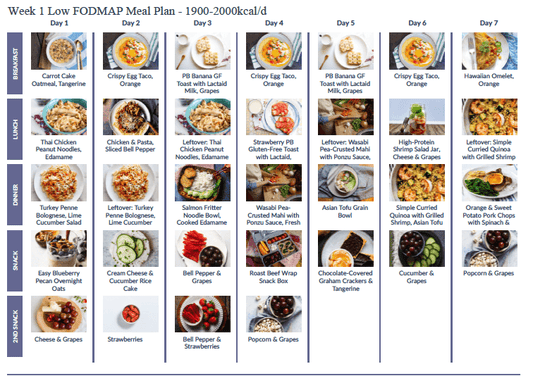
Lower-FODMAP Swaps That Reduce Gas Fast (Without Losing Nutrition)
If gas and fermentation are driving your bloating, a lower-FODMAP approach can reduce symptoms quickly while still keeping your diet nutrient-dense.
Examples of simple swaps:
Instead of onion/garlic: use garlic-infused oil or chives/green onion tops
Instead of wheat-heavy breads: try sourdough spelt in small amounts or gluten-free options (not because gluten is the issue, but because fructans can be)
Instead of large apple/pear servings: choose berries, citrus, kiwi
Instead of regular milk: lactose-free milk or a tolerated non-dairy alternative
Instead of big cauliflower portions: swap for zucchini, carrots, spinach, bell pepper
You don't have to be perfect. Even a 1 to 2 week "gentler gut" phase during titration can make semaglutide much more tolerable.
Carbonation, Sugar Alcohols, And "Healthy" Bars That Backfire
A lot of GLP-1 bloating comes from foods that look like they should be helpful.
Common culprits:
Carbonated drinks (including sparkling water): you're literally adding gas volume
Sugar alcohols like erythritol, xylitol, sorbitol, maltitol: very common in protein bars, low-sugar candy, and keto snacks, and notorious for bloating
Inulin/chicory root fiber: added to "high-fiber" bars and shakes: can be highly fermentable
Large volumes of raw salad: healthy, yes, but can be tough when motility is slow
If you're having a rough week, a boring, simple menu can be surprisingly therapeutic.
A Simple 2-Week Troubleshooting Plan For Enzymes And Bloating
If you're trying to solve semaglutide bloating without spiraling into random supplement trials, a short, structured plan keeps things sane.
The goal isn't perfection. It's pattern recognition.
Week 1: Identify Triggers And Optimize Meals For Slower Digestion
For 7 days, focus on foundations and collect data.
What to do:
Keep meal portions smaller than you think you need
Limit very high-fat meals and fried foods
Avoid carbonation and sugar alcohols completely (this alone is a game-changer for many people)
Choose mostly cooked vegetables: keep raw crucifers and large salads small
Support regularity: fluids, gentle movement, and gradual fiber if tolerated
What to track (quick notes are enough):
When bloating starts (immediately after eating vs 2 to 6 hours later)
What you ate (especially dairy, beans/crucifers, protein bars, high-fat meals)
Bowel movement frequency and stool consistency
Any nausea or reflux alongside bloating
By the end of week 1, you should have at least one or two strong suspects.
Week 2: Add A Targeted Enzyme And Track Outcomes
In week 2, add only one enzyme based on your pattern:
Dairy-triggered symptoms: trial lactase with dairy meals
Bean/crucifer/fiber-triggered gas: trial alpha-galactosidase with those meals
Heavier meals with protein/fat intolerance: consider a blend with protease/lipase/amylase
How to decide if it worked:
Look for a meaningful reduction in pressure, gas, or distension after trigger meals
Pay attention to whether your overall comfort improves enough that you can meet protein and hydration targets more consistently
If you only notice a tiny change, it may not be worth the complexity
What To Do If Bloating Persists: Labs, Stool Testing, Or Medication Adjustments To Discuss
If bloating persists beyond the typical adjustment window (often 4 to 8 weeks) or is escalating with each dose increase, it's reasonable to discuss deeper evaluation with your clinician.
Topics that may be worth discussing:
Medication titration pace or dose reduction (sometimes the simplest fix)
Constipation management plan tailored to your history
Labs for nutrient status if intake has dropped significantly (iron, B12, vitamin D, folate, electrolytes)
Evaluation for reflux complications or significant delayed gastric emptying if symptoms are severe
Stool testing or breath testing in selected cases (for example, suspected small intestinal bacterial overgrowth), based on your full symptom picture
Digestive discomfort on semaglutide is common, but you shouldn't have to white-knuckle through it. There's usually a rational next step.
Digestive discomfort is one of the most common reasons people struggle with GLP-1 medications. Targeted nutrition support can make a real difference in tolerability. Casa de Sante's physician-formulated digestive enzymes, synbiotics, and motility support supplements are designed specifically for sensitive stomachs on GLP-1 therapy. See what's available at casadesante.com.
This article is for educational purposes only and is not medical advice. Always consult your healthcare provider before making changes to your treatment plan.
Conclusion
Semaglutide bloating is real, and it's usually multi-factorial. The most reliable relief starts with matching your meals to slower digestion: smaller portions, fewer high-fat triggers, less carbonation and sugar alcohols, and a consistent constipation-prevention routine.
Digestive enzymes can be a smart second step when your symptoms clearly track with certain foods, especially dairy (lactase) or bean/crucifer-heavy meals (alpha-galactosidase). The key is targeted trials, one change at a time, and a low threshold to involve your clinician if symptoms are severe or progressive.
If you take away one thing: don't treat bloating as a personal failure or a willpower issue. It's physiology. And with the right troubleshooting sequence, most people can make semaglutide far more comfortable to stay on.
Frequently Asked Questions About Semaglutide Bloating and Digestive Enzyme Support
What causes bloating when taking semaglutide?
Bloating with semaglutide is mainly caused by slowed gastric emptying, which keeps food in the stomach longer and stretches it. Additional factors include increased gas from fermentation of certain carbohydrates and constipation due to slower gut motility.
How can digestive enzymes help with bloating caused by semaglutide?
Digestive enzymes aid the breakdown of specific food components, reducing undigested material that ferments and produces gas. They are most helpful if bloating follows meals with dairy, beans, or cruciferous vegetables, but do not speed gastric emptying or relieve constipation.
Which digestive enzymes are most effective for semaglutide-related digestive issues?
Lactase can relieve bloating from dairy, alpha-galactosidase helps with gas from beans and cruciferous veggies, and a blend of protease, lipase, and amylase supports digestion of higher-fat and protein-rich meals common with semaglutide therapy.
What dietary changes can reduce semaglutide-induced bloating without supplements?
Eating smaller, more frequent meals, prioritizing lean protein, limiting high-fat foods, avoiding carbonated drinks and sugar alcohols, and reducing high-FODMAP foods can help manage bloating. Staying hydrated and preventing constipation are also key strategies.
When should I consult a healthcare provider about bloating on semaglutide?
Seek medical advice if you experience severe abdominal pain, persistent vomiting, dehydration signs, swollen or tender abdomen with fever, blood in stool, or symptoms suggesting gastroparesis or gallbladder issues, as these require clinical evaluation beyond supplements.
Can probiotics or fiber be alternatives to digestive enzymes for bloating on semaglutide?
Probiotics may support long-term gut balance but can initially increase gas, while fiber improves stool regularity and helps constipation-related bloating if introduced gradually. They address different causes than enzymes and should be used based on specific symptoms.