Semaglutide And Strength Training: 3 Tips To Build Muscle Without Worsening Side Effects (2026)








If you're on semaglutide and trying to strength train, you're not being "extra." You're being strategic. Resistance training is one of the best ways to protect your metabolism, your bones, and your long-term function while you lose weight.
The problem is that semaglutide can also make eating, hydrating, and recovering harder. Appetite drops. Nausea happens. Constipation can derail your routine.
These semaglutide strength training tips are designed to help you build or preserve lean muscle without turning your workouts into a side-effect trigger.
Tip 1: Prioritize Protein, Hydration, And Electrolytes To Protect Lean Mass
Semaglutide works largely by reducing appetite and slowing stomach emptying. That helps with fat loss, but it also raises a real risk: you can lose muscle along with fat if you're not intentional.
In clinical weight loss research, lean mass can account for a meaningful portion of weight lost. Some analyses suggest it can be as high as about 39% in certain contexts, especially when protein intake and resistance training aren't prioritized. That number isn't a guarantee of what will happen to you, but it's a strong reason to treat muscle preservation like part of the treatment plan.
Protein is your biggest lever.
A practical target that shows up across guidelines and sports nutrition research is about 1.2 to 1.6 grams of protein per kilogram of body weight per day, adjusted for your age, training status, kidney function, and overall medical context. If that sounds abstract, here's the real-world issue: on semaglutide, you often can't "make up for it later" because later never comes. You feel full, and the day ends.
Ways to make protein easier when appetite is low:
- Distribute it. Think in "protein anchors" rather than one big dinner. For many people, three smaller protein-forward meals works better than one large serving.
- Make breakfast count. An omelet with spinach and lactose-free cheese, Greek yogurt (if tolerated), or a protein smoothie can set the tone before nausea or fullness builds.
- Choose softer, easier textures on rough GI days. Soups, scrambled eggs, tender fish, or well-cooked lentil soup can be easier than dry meats.
Hydration and electrolytes matter more than most people expect.
If you're even slightly under-hydrated, training feels harder, your heart rate drifts up, constipation worsens, and recovery slows. And on GLP-1 therapy, you may be drinking less simply because you're consuming less overall.
What to aim for (general, non-personalized guidance):
- Sip consistently throughout the day rather than chugging large volumes at once, which can worsen nausea.
- Consider electrolytes if you're getting headaches, dizziness on standing, cramping, or unusually "flat" workouts, especially in hot climates or if you're sweating.
- Pair fiber with fluids. If you increase protein and fiber without enough water, constipation often gets worse.
Finally, the training frequency that reliably supports lean mass for most people is modest: two to three full-body strength sessions per week is enough to create a strong muscle-preservation signal, especially early in your semaglutide journey when you're still figuring out food tolerance.
If you want the simplest rule: prioritize protein first, hydration second, and then worry about the perfect program.
Tip 2: Use A “Low-Nausea” Training Plan: Lift Heavy Enough, But Recover More
One of the most overlooked semaglutide strength training tips is that your best plan may look slightly "under-dosed" compared to what you did before. Not because you're weak, but because recovery resources are different when you're in a calorie deficit with slowed digestion.
Your goal isn't to annihilate yourself. Your goal is to give your body a clear reason to keep muscle.
A low-nausea strength plan has three characteristics:
- It's brief enough that you can do it consistently.
- It uses big, efficient movements.
- It respects recovery more than your ego.
What "lift heavy enough" means
You don't need maximal lifts. But you do need resistance that feels like work.
A practical target is sets of 8 to 10 reps where the last 2 reps are challenging but still controlled (you could maybe do 1 to 2 more reps if you had to). That's a sweet spot for building and maintaining strength without the intensity that can provoke nausea, reflux, or post-workout fatigue.
A simple 2–3x/week template (full body)
Choose 4 to 6 moves per session, focusing on compound patterns:
- Squat pattern: goblet squat, leg press, or bodyweight squat
- Hinge pattern: Romanian deadlift, hip hinge with dumbbells, or glute bridge
- Push: incline push-up, dumbbell bench press, or machine chest press
- Pull: cable row, dumbbell row, or assisted pull-down
- Lunge or step pattern: split squat, step-ups
- Carry or core: farmer carry, dead bug, Pallof press
Do 2 to 3 sets per movement, resting long enough to breathe normally again. For many people on GLP-1 therapy, slightly longer rest periods reduce the "I'm going to vomit" feeling that can happen when you rush.
Recover more than you think you need
A common mistake is stacking hard sessions too close together. Your muscles might feel fine, but your nervous system and GI tract may not.
Try these recovery rules:
- Leave 48 hours between training the same muscle groups hard.
- Keep one or two reps "in reserve" on most sets, especially in the first 4 to 8 weeks on semaglutide.
- If nausea is a pattern, reduce volume first (fewer total sets), not intensity. You can still lift meaningfully without doing 20 sets.
What about cardio?
Cardio is helpful for heart health and insulin sensitivity, but it can compete with strength training recovery when food intake is low. A reasonable target for many adults is around 150 minutes per week of moderate-intensity movement (brisk walking counts). If you notice cardio makes your nausea worse, split it into short, easy sessions and avoid fasted high-intensity workouts.
The bottom line: the "best" plan is the one you can repeat. Consistency beats the perfect program when semaglutide side effects are in the background.
Tip 3: Prevent GI Flare-Ups With Smart Timing, Low-FODMAP Food Choices, And Symptom Tracking
Semaglutide commonly causes GI side effects because it slows gastric emptying and changes gut-brain signaling. Strength training doesn't cause those effects, but it can amplify them if you train at the wrong time, eat trigger foods, or push through symptoms that are actually telling you something.
This tip is about removing friction.
Use timing to lower nausea risk
If you're getting nausea during workouts, experiment with timing before you change the whole program.
General patterns that tend to help:
- Avoid a large, high-fat meal right before lifting. Fat slows stomach emptying even in people not on GLP-1s, so the combo can sit heavily.
- Don't train completely stuffed, but also don't train aggressively fasted if fasting triggers reflux, lightheadedness, or "hollow" nausea.
- Many people feel best training about 60 to 120 minutes after a small, protein-forward meal.
Think "small and steady." A few bites of an easy protein source and some fluids can be enough.
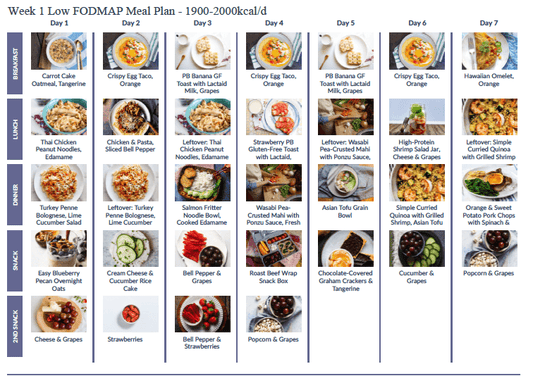
Choose low-FODMAP options when your gut is touchy
FODMAPs are fermentable carbohydrates that can trigger bloating, gas, and diarrhea in sensitive people (especially those with IBS). You may not have IBS, but semaglutide can make you temporarily more sensitive to foods that ferment easily.
Low-FODMAP doesn't mean "no plants." It means picking options that are less likely to balloon your abdomen during a workout.
Pre-workout food ideas that are often better tolerated:
- Lactose-free Greek yogurt or kefir (if dairy works for you)
- Eggs with a small portion of low-FODMAP veggies
- Rice or oats with a protein add-in
- Firm tofu or tempeh (portion-dependent)
- A simple protein shake when solid food feels impossible
Foods that commonly worsen bloating for some people on GLP-1 therapy (not universal, but worth testing):
- Large servings of onions, garlic, cauliflower, or beans
- Sugar alcohols (often in "low sugar" bars)
- Very high-fiber raw salads when your stomach is already slow
- Greasy meals
If constipation is part of your picture, it's tempting to go aggressive with fiber. But when motility is slow, suddenly piling on fiber can increase bloating and discomfort. Many people do better with gradual changes, adequate fluids, and a consistent routine.
Track symptoms like a clinician would
If you're not sure what's triggering symptoms, a simple tracker beats guessing.
For two weeks, jot down:
- Injection day and dose (if applicable)
- Workout time and training intensity
- Pre-workout meal and timing
- Symptoms (nausea, reflux, bloating, constipation) rated 0–10
- Sleep duration and stress level (both affect GI function)
Patterns usually show up quickly. For example: nausea spikes the day after dose increases: constipation worsens when fluids drop: bloating appears after certain sweeteners.
When to talk to your clinician
Reach out promptly if you have persistent vomiting, signs of dehydration, severe abdominal pain, or worsening symptoms that don't respond to basic adjustments. And if you're in perimenopause or menopause, it's also worth discussing whether sleep disruption, hot flashes, or hormone shifts are compounding fatigue and recovery.
Digestive discomfort is one of the most common reasons people struggle with GLP-1 medications. Targeted nutrition support can make a real difference in tolerability. Casa de Sante's physician-formulated digestive enzymes, synbiotics, and motility support supplements are designed specifically for sensitive stomachs on GLP-1 therapy. See what's available at casadesante.com.
This article is for educational purposes only and is not medical advice. Always consult your healthcare provider before making changes to your treatment plan.
Conclusion
Strength training on semaglutide can be one of the smartest moves you make during weight loss, but it has to be supported. If you focus on protein, hydration, and electrolytes, train with enough intensity to signal "keep this muscle" while respecting recovery, and manage GI triggers with timing and low-FODMAP choices, you'll usually feel better and progress more steadily.
This article is for educational purposes only and is not medical advice. Always consult your healthcare provider before making changes to your treatment plan.
Semaglutide Strength Training: Frequently Asked Questions
How can I preserve lean muscle mass while strength training on semaglutide?
To protect lean muscle on semaglutide, prioritize consuming 1.2 to 1.6 grams of protein per kilogram of body weight daily, stay well-hydrated with electrolytes, and engage in resistance training 2 to 3 times per week focusing on compound movements.
What does a low-nausea strength training plan look like for someone on semaglutide?
A low-nausea plan includes brief 2–3 full-body sessions weekly, performing 4 to 6 compound exercises with sets of 8 to 10 reps that challenge but don’t exhaust you, plus longer rests and careful recovery to avoid nausea and fatigue.
Why is meal timing and food choice important before workouts on semaglutide?
Training 60 to 120 minutes after a small, protein-rich, low-FODMAP meal helps reduce gastrointestinal issues like nausea and bloating, as semaglutide slows stomach emptying and may increase sensitivity to certain fermentable foods.
How does semaglutide affect appetite and recovery during strength training?
Semaglutide lowers appetite and slows digestion, which can make eating, hydrating, and recovering more challenging. This requires intentional protein intake, hydration with electrolytes, and manageable workout intensity to support muscle preservation.
Can I do cardio while strength training on semaglutide?
Yes, moderate cardio improves heart health and insulin sensitivity but should be balanced with recovery needs. Aim for about 150 minutes per week, split into short easy sessions if nausea occurs, and avoid fasted high-intensity cardio to prevent symptoms.
What symptoms should prompt me to consult a healthcare provider when strength training on semaglutide?
Seek medical advice if you experience persistent vomiting, severe abdominal pain, dehydration signs, or worsening GI symptoms that do not improve with adjustments. Also consider discussing sleep disruption or hormonal changes if they affect recovery.