Semaglutide And Low Appetite: 13 Nutrition Hacks To Hit Protein, Fiber, And Micronutrients Anyway (2026)








If you're on semaglutide and suddenly food feels… complicated, you're not imagining it. Many people expect "less hunger," but they don't expect early fullness after a few bites, random food aversions, or the weird reality of knowing you should eat while feeling like you can't. And when portions shrink, nutrition gaps can sneak in fast, especially protein, fiber, and a handful of micronutrients that matter for energy, hair, muscle, bones, and mood.
This guide is built for real life on GLP-1 therapy: practical semaglutide low appetite nutrition hacks you can use on good days and rough days, without forcing huge meals or turning eating into a second job.
Why Semaglutide Can Make Eating Feel Hard (And Why Nutrition Still Matters)
Semaglutide (a GLP-1 receptor agonist) lowers appetite through brain signaling and also changes how your GI tract moves food. The result is often a double-whammy: you're less interested in food, and you feel full faster when you do eat. That's part of why semaglutide helps drive meaningful weight loss in clinical trials, but it's also why "just eat balanced meals" can feel laughably out of touch.
Appetite Suppression Vs. Early Fullness And Slower Gastric Emptying
Appetite suppression is mostly a brain effect. Semaglutide activates GLP-1 receptors in appetite-regulating centers (including the hypothalamus/brainstem), which reduces hunger and the mental "pull" toward food.
Early fullness is often more of a gut effect. Semaglutide slows gastric emptying, meaning food leaves your stomach more slowly. In plain English: the same portion sits in your stomach longer, so you stay full longer. If you're prone to nausea or reflux, that slowed emptying can also make rich or high-fat meals feel heavy.
Both mechanisms can be helpful for weight loss. But if you're only getting a few bites at a time, your nutrition strategy has to change.
The Most Common Nutrition Gaps When Portions Shrink
When your intake drops, the first things that tend to suffer aren't usually "carbs" or "fat." It's the basics that take deliberate planning:
Protein: This is the big one. If you don't hit a protein floor, you increase the risk of losing lean mass (muscle) along with fat during weight loss.
Fiber and fluids: Lower food volume plus slower gut motility can translate into constipation, bloating, or hard stools, especially if you're also eating fewer high-fiber foods.
Micronutrients: Smaller portions can mean you unintentionally under-consume iron, vitamin B12, vitamin D, calcium, and magnesium. Over time, that can show up as fatigue, hair shedding, muscle cramps, lower exercise tolerance, or bone health concerns, depending on your baseline and risk factors.
This isn't about "perfect." It's about preventing predictable problems while your appetite is low.
Set Your Daily Non-Negotiables (So You Don’t Have To “Eat More”)
If your appetite is unpredictable, the most effective plan usually isn't a strict meal schedule. It's a short list of nutrition non-negotiables you prioritize in small volumes.
Think of it like this: you're not trying to eat more food. You're trying to get more nutrition per bite.
Protein Floor: How Much You Need And Why It's Priority #1
Protein is the macronutrient most tightly linked to preserving lean mass during weight loss. And on semaglutide, it's also the easiest to under-shoot because protein foods can feel "heavy" when your stomach empties slowly.
A common evidence-informed target range used in weight loss and body composition work is about 1.6–2.2 grams of protein per kilogram of body weight per day (your clinician may individualize this based on kidney function, age, training, and overall medical context). You don't need to do complicated math daily, but you do want a clear protein floor.
Practical translation: aim to include a protein-forward choice at every eating opportunity, even if the portion is small.
Fiber And Fluids: Prevent Constipation Without Worsening Bloat
If constipation is your recurring GLP-1 side effect, you'll do best with a "slow ramp" instead of dumping in fiber overnight.
A few principles that tend to work well on semaglutide:
Increase fiber gradually. If you jump from low fiber to high fiber in a day or two, you can worsen gas and bloating.
Pair fiber with fluids. Fiber without enough water can backfire and make stools harder.
Choose tolerable fibers. Some people do well with oats, chia, kiwi, or psyllium. Others get more bloating from certain legumes or high-FODMAP fibers (more on that below).
Micronutrient Checkpoints: Iron, B12, Vitamin D, Calcium, Magnesium
When intake is low, a simple checkpoint system keeps you from guessing.
Iron: Important for oxygen delivery and energy. Risk is higher if you have heavy periods, are postpartum, or have a history of low ferritin.
Vitamin B12: Important for nerve function and red blood cell production. Lower intake is more common if you eat little animal protein.
Vitamin D and calcium: Key for bone and muscle function, especially relevant in perimenopause/menopause when bone density becomes a bigger deal.
Magnesium: Supports muscle function, sleep quality for some people, and bowel regularity in certain forms.
The goal isn't to self-prescribe supplements. It's to recognize which nutrients are most likely to drop when your portions do, and to discuss labs or a plan with your clinician if symptoms suggest a deficiency.
13 Low-Appetite Nutrition Hacks That Actually Work On GLP-1s
These semaglutide low appetite nutrition hacks are designed around how GLP-1 therapy actually feels: you get a small appetite window, you fill up fast, and some days you need "good enough" options that don't trigger nausea.
Front-Load Protein At The First Bite (Even If It's Only 3–5 Bites)
If you tend to lose steam mid-meal, reverse the usual order.
Instead of starting with salad, bread, or fruit, start with protein. A few bites can meaningfully change your day's totals.
Examples:
2–3 bites of scrambled eggs before anything else
A few spoonfuls of Greek yogurt first, then add berries if you want
A couple ounces of fish or tofu first, then vegetables
Use "Small Volume, High Nutrition" Foods (Greek Yogurt, Eggs, Tofu, Fish)
When volume tolerance is low, pick foods that deliver protein (and often micronutrients) without requiring a big portion.
Good options many people tolerate well:
Greek yogurt or skyr
Eggs
Tofu or tempeh
Fish (especially salmon/sardines for omega-3s)
Cottage cheese (lactose-free if needed)
Build Mini-Meals On A 2-2-1 Template (Protein + Produce + Carb/Fat)
Big plates can feel overwhelming on semaglutide. Mini-meals are often easier.
Try a simple template:
2 = a protein base (Greek yogurt, eggs, chicken, tofu)
2 = produce (cooked zucchini, cucumber, berries, spinach)
1 = carb or fat for energy (oats, rice, olive oil, avocado)
Example mini-meal: tofu + sautéed zucchini + a drizzle of olive oil.
Sip Calories Strategically With Protein Shakes And Smoothies
If chewing feels like too much, sipping can be a workaround, especially earlier in the day.
A few tips to make shakes work better on GLP-1s:
Keep volume moderate (you don't need a giant blender bottle)
Go easy on added fat if nausea is an issue
Blend with lactose-free milk or a tolerated alternative
If smoothies bloat you, simplify: protein + liquid + maybe one fruit
Choose Gentle, Low-FODMAP Options When Your Stomach Is Sensitive
GLP-1 therapy can make you more sensitive to certain fermentable carbs (FODMAPs), especially if you already have IBS tendencies.
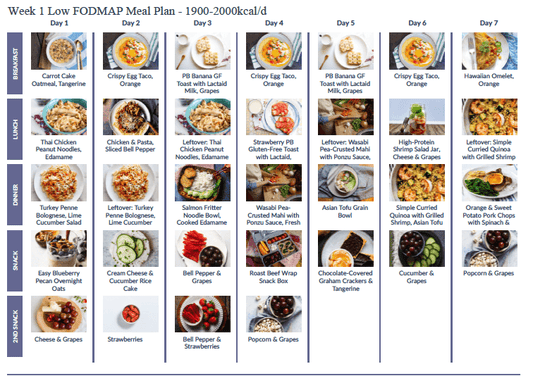
When you're bloated, gassy, or nauseated, consider temporarily leaning on low-FODMAP choices, such as:
Proteins: eggs, fish, poultry, firm tofu
Carbs: rice, oats, potatoes
Produce: zucchini, spinach, carrots, cucumbers, strawberries, blueberries
Dairy: lactose-free milk/yogurt
You don't have to eat low-FODMAP forever. Think of it as a "calm the gut" tool when symptoms flare.
Add Fiber Gradually With Tolerable Sources (Chia, Kiwi, Oats, Psyllium)
If constipation is creeping in, build a fiber ladder instead of jumping to extremes.
A gentle progression might look like:
Start: kiwi or a small serving of oats
Then: add chia (small amount, well-hydrated)
Then: consider psyllium with plenty of water if tolerated
If your bloating worsens, pause, drop back a step, and reassess fluids and total volume.
Upgrade With "Micro-Boosters" (Olive Oil, Nut Butter, Seeds, Lactose-Free Milk)
When your portion is tiny, small add-ons can carry your calories and micronutrients without adding much volume.
Examples:
Add olive oil to cooked vegetables
Stir nut butter into oatmeal or yogurt
Add hemp/chia seeds to yogurt
Use lactose-free milk in coffee or shakes for extra protein/calcium
If reflux is an issue, go slow with higher-fat boosters and see what your body tolerates.
Keep A "Nausea-Safe" Backup Menu For Bad Days
Bad nausea days happen. The mistake is waiting until you feel sick to decide what to eat.
Create a short list of "I can usually manage this" options, such as:
Dry toast or a small plain oatmeal
Broth-based soup with shredded chicken
Greek yogurt (plain) or a simple protein shake
Rice with eggs
Keep it boring on purpose. Your goal is nourishment and symptom control, not culinary excitement.
Use Temperature, Texture, And Smell To Reduce Food Aversion
GLP-1 food aversion can be surprisingly sensory.
If smells trigger nausea:
Try colder foods (less aroma): yogurt, chilled smoothies, cold chicken salad
Try softer textures if chewing feels like too much: scrambled eggs, blended soups
Avoid greasy or heavily spiced foods during sensitive windows
Small change, big payoff.
Time Meals Around Your Dose And Your Best Appetite Window
Many people notice appetite and GI symptoms vary by day after injection.
If you reliably have a better appetite window (for example, earlier in the day or farther from dosing), place your most protein-dense intake there.
If the day after dosing is rough, plan that day as a "gentle nutrition day" with simpler foods and more liquids.
Prioritize Electrolytes When Intake Is Low Or Constipation Hits
When you're eating less, you're often getting less sodium, potassium, and overall fluid, especially if nausea makes plain water unappealing.
Electrolytes can be helpful when you feel:
Headachy or lightheaded
Crampy
Constipated even though fiber changes
Choose options that fit your medical context (for example, discuss sodium targets if you have hypertension or kidney disease).
Plan One "Anchor Meal" And Let Snacks Do The Rest
You don't need three perfect meals.
Pick one anchor meal you can usually manage (often breakfast or lunch) and make it protein-forward. Then use small snacks to fill gaps.
Example anchor: Greek yogurt bowl with chia.
Snack "fillers": a half protein shake, a hard-boiled egg, a few bites of tofu, a small fruit.
Make It Easy: Prep Protein Portions And Grab-And-Go Produce
Low appetite plus decision fatigue is a real combo.
A simple prep routine helps:
Cook a batch of eggs or egg bites
Pre-portion cooked chicken/fish/tofu into small containers
Wash and portion produce you tolerate (berries, cucumber, baby carrots)
Keep "open-and-eat" options visible
When you're not hungry, convenience often decides what you eat, not willpower.
A 3-Day Low-Appetite Sample Framework (Mix And Match)
This is a framework, not a prescription. Portions may be very small at first. The pattern is the point: protein first, gentle fiber, and micronutrient support without heavy volume.
Day 1: High-Protein, Lower-FODMAP, Minimal Cooking
Breakfast: Greek yogurt or skyr + chia (start with a small amount) + blueberries
Lunch: Eggs (scrambled or hard-boiled) + cucumber slices + olive oil and salt
Snack: Protein shake (smaller serving if full quickly)
Dinner: Fish (or tofu) + cooked zucchini or carrots + rice if tolerated
Day 2: Constipation-Supportive Fiber Ladder (Without Overdoing It)
Breakfast: Oatmeal made with lactose-free milk (or tolerated milk) + cinnamon
Lunch: Chicken or tofu + sautéed spinach + olive oil
Snack: Kiwi (or a small serving of berries) + water or electrolyte drink
Dinner: Soup (broth-based) with protein added (shredded chicken, tofu) + a small potato
If you add psyllium, do it earlier in the day with plenty of water, and keep the dose conservative.
Day 3: Perimenopause-Friendly Pattern (Protein + Calcium + Iron Focus)
Breakfast: Greek yogurt + lactose-free milk (for extra calcium/protein) + strawberries
Lunch: Salmon (or lean beef if you tolerate it) + spinach + rice or potatoes
Snack: Cottage cheese (lactose-free if needed) or a small protein shake
Dinner: Eggs or tofu + cooked vegetables + olive oil
Perimenopause note: if your cycles are still heavy, iron status matters. That's a good reason to ask your clinician whether checking ferritin (iron stores) makes sense, especially if fatigue is lingering.
Troubleshooting Common GLP-1 Food Roadblocks
Most "I can't eat" moments on semaglutide fall into a few patterns. The fix is often less about motivation and more about adjusting mechanics: volume, fat content, fiber timing, and sensory load.
Nausea, Reflux, And "Nothing Sounds Good"
Try these levers:
Go smaller and simpler: mini-meals, not full plates
Reduce fat temporarily: high-fat meals can sit longer and worsen nausea for some people
Use colder foods: less smell, often easier to tolerate
Aim for protein you can tolerate: yogurt, eggs, tofu, a small shake
If nausea is persistent or worsening, talk to your prescriber. Sometimes dosing timing, titration speed, or supportive medications need to be adjusted.
Constipation And Bloating: What To Change First
Start with the basics, in this order:
Fluids: if intake is low, constipation often follows
Gentle fiber ramp: kiwi/oats/chia before jumping to large salads or lots of beans
Movement: even short walks can support gut motility
Review trigger foods: some people do better with a lower-FODMAP pattern during flares
If you're going many days without a bowel movement, having significant pain, or vomiting, don't try to "hack" your way through it, get medical guidance.
Fatigue, Lightheadedness, Or Headaches From Under-Eating
This can be a sign you're undershooting total energy, protein, fluids, electrolytes, or all four.
Quick checks:
Did you get any protein early in the day?
Have you had enough fluids?
Would an electrolyte drink help?
Can you tolerate a small protein shake or yogurt?
If symptoms are frequent, bring it up with your clinician. You may need a slower dose escalation, a different dosing schedule, or a more structured nutrition plan.
When To Talk To Your Prescriber Or Dietitian (Red Flags)
Low appetite is expected on semaglutide. But certain symptoms should prompt a clinical check-in rather than more trial-and-error at home.
Consider contacting your prescriber or a GLP-1-experienced dietitian if you have:
Persistent vomiting or inability to keep fluids down
Severe or worsening abdominal pain
Signs of dehydration (very dark urine, dizziness on standing, rapid heart rate)
Constipation that is prolonged, painful, or associated with vomiting
Reflux that's escalating or disrupting sleep even though basic adjustments
Rapid weakness, frequent lightheadedness, or inability to meet even minimal protein/fluids
Concern for nutrient deficiency (ongoing fatigue, hair shedding, brittle nails, restless legs, new tingling/numbness)
Also consider a check-in if you're in perimenopause/menopause and juggling multiple variables (sleep disruption, iron issues, changing body composition). A small adjustment in nutrition targets, resistance training, or hormone management can make the whole GLP-1 experience more tolerable and sustainable.
Conclusion
Semaglutide changes your appetite on purpose, but you still need a plan for protein, fiber, fluids, and micronutrients when "normal eating" doesn't feel possible. The goal isn't to force large meals. It's to get more nutrition per bite, protect lean mass, and reduce the side effects that make people want to quit.
If you pick just two starting points, make them these: front-load protein at the first bite, and build a gentle fiber-and-fluid routine that your gut actually tolerates.
When appetite drops on GLP-1 therapy, getting enough protein becomes a real challenge, and it's the single most important macronutrient for preserving lean mass during weight loss. Casa de Sante's physician-formulated protein products are designed for gut tolerance and optimal absorption during metabolic therapy. See what fits your protocol at casadesante.com.
This article is for educational purposes only and is not medical advice. Always consult your healthcare provider before making changes to your treatment plan.
Semaglutide Low Appetite Nutrition Hacks: Frequently Asked Questions
How does semaglutide reduce appetite and affect eating habits?
Semaglutide activates GLP-1 receptors in the brain, reducing hunger and mental food cravings. It also slows gastric emptying, causing early fullness and longer satiety, which together lower calorie intake but can make eating feel more challenging.
Why is protein intake so important when using semaglutide for weight loss?
Protein helps preserve lean muscle mass during weight loss, which is crucial on semaglutide since appetite suppression and slow gastric emptying can lead to consuming smaller portions, increasing the risk of protein deficits.
What practical nutrition hacks help manage low appetite on semaglutide?
Key hacks include front-loading protein at the start of meals with small bites, choosing nutrient-dense, low-volume foods like Greek yogurt or eggs, sipping protein shakes, gradually increasing fiber with fluids, and timing meals around appetite peaks.
How can I prevent constipation and bloating while on semaglutide?
Prevent constipation by slowly increasing fiber intake with tolerable sources like oats, chia, or kiwi, always paired with adequate fluids. Avoid sudden jumps in fiber and consider low-FODMAP foods if sensitive to bloating.
Are there specific micronutrients I should monitor on semaglutide therapy?
Yes, it's important to monitor iron, vitamin B12, vitamin D, calcium, and magnesium, as smaller portions can cause deficiencies, impacting energy, muscles, bones, and mood. Regular lab checks and clinician guidance are recommended.
When should I consult my healthcare provider while on semaglutide?
Seek medical advice if you experience persistent vomiting, severe abdominal pain, dehydration signs, prolonged constipation with pain or vomiting, worsening reflux, rapid weakness, or symptoms suggesting nutrient deficiencies.