Retatrutide’s Long-Term Safety: What We Know, What We Don’t, And How To Make Smarter Decisions In 2026








If you've been hearing about retatrutide, you're not imagining the buzz. Early trial results suggest it may produce more weight loss than today's best-known GLP-1 medications. But the question that matters in real life isn't just "How much weight can you lose?" It's "What does this look like in two, five, or ten years?"
In 2026, retatrutide's long-term safety unknowns are still exactly that: unknowns. The available data is encouraging in the short term, but it's mostly measured in months, not years. And because retatrutide works differently than semaglutide or tirzepatide, the risk conversation has a few extra layers.
This article breaks down what we know so far, where the evidence clearly stops, which long-term questions deserve your attention, and how to make smarter, calmer decisions while the science catches up.
Why Retatrutide Is Different (And Why That Matters For Long-Term Risk)
Retatrutide is often described as "next generation" metabolic therapy because it targets three hormone pathways instead of one or two. That's the whole story and also not the whole story.
When a medication is more potent, you don't just ask, "Will it work?" You also ask, "What systems is it pushing on to get that effect, and what happens when those systems are pushed for years?"
Triple-Agonist Mechanism In Plain English: GLP-1, GIP, And Glucagon
Retatrutide is a triple agonist, meaning it activates three receptors:
GLP-1 receptor: This is the pathway you already know from semaglutide. It reduces appetite, slows stomach emptying, and improves blood sugar control.
GIP receptor: Tirzepatide also targets this. GIP supports insulin secretion and appears to enhance metabolic effects when paired with GLP-1 signaling.
Glucagon receptor: This is the "third lever" that makes retatrutide different. Glucagon increases energy expenditure and influences how your body mobilizes and uses stored energy. It may help drive greater weight loss, but it also raises reasonable questions about cardiovascular effects (like heart rate) and how the liver handles long-term signaling.
It's not that glucagon is "bad." Your body makes it. The clinical question is what happens when you stimulate that receptor persistently at therapeutic doses over long periods.
Faster Weight Loss And Higher Potency: Potential Benefits, Potential Tradeoffs
Bigger weight loss can be a major health win, especially if you're dealing with obesity-related complications such as type 2 diabetes, fatty liver disease (MASLD), sleep apnea, or high blood pressure.
But faster and larger weight loss can come with tradeoffs:
Gallstones and bile issues rise with significant or rapid weight reduction, regardless of the method.
Lean mass (muscle) loss can accelerate if protein intake and resistance training don't keep up.
Nutrient shortfalls become more likely when portions shrink for months.
Quality-of-life GI side effects can become the limiting factor for long-term adherence.
Potency is not automatically a problem. It just means you need a more deliberate long-term plan, not only a "get the weight off" plan.
What The Current Evidence Actually Covers (And Where It Stops)
A lot of the online conversation treats retatrutide as if it's already a fully mapped-out medication class like statins or metformin. It's not there yet.
As of 2026, retatrutide is not FDA-approved for routine prescribing. Access is primarily through clinical trials, and that matters because trial populations are carefully selected and closely monitored.
How Long Trials Have Followed People So Far
Most publicly discussed retatrutide data comes from phase 2 and early phase 3 timeframes that track outcomes for roughly 36 to 48 weeks, with some trial programs extending follow-up toward the 48 to 89 week range.
That's enough time to learn a lot about short-term tolerability (especially GI effects) and early metabolic changes (weight, glucose, lipids). It is not enough time to confidently answer:
Multi-year cancer incidence questions
Long-term gallbladder and pancreas outcomes after sustained weight reduction
Bone density trajectories over several years
Frailty risk in older adults or people who start with low muscle reserves
Rare adverse events that only show up after very large numbers of people use a drug for a long time
There are longer outcome studies underway, including cardiovascular and kidney outcomes trials designed to run for years, but those results take time.
Who Was Studied vs. Who's Using It In Real Life
Clinical trials typically exclude people who are more medically complex. In retatrutide trials, common exclusions have included histories such as pancreatitis, severe gastrointestinal disease, or gastroparesis-like symptoms. Some trials also exclude certain gallbladder histories.
In real life, many people considering a medication like this have exactly the kinds of histories that trials screen out:
Past gallstones after pregnancy or rapid dieting
IBS with constipation or mixed bowel patterns
Reflux that flares when gastric emptying slows
Perimenopause body composition changes (more central fat, less lean mass)
Multiple medications that already affect appetite, hydration, or electrolytes
So when you read "generally safe and well tolerated," remember: that's true within the boundaries of who was enrolled and how closely they were monitored.
The Biggest Long-Term Safety Unknowns To Watch
Long-term safety unknowns aren't the same as "known dangers." They're unanswered questions where the math just isn't finished yet.
Here are the categories that deserve a thoughtful, ongoing watch as data accumulates.
Gallbladder And Bile Duct Problems After Significant Weight Loss
Gallstones are a well-known consequence of substantial weight loss from any cause (medications, bariatric surgery, very low-calorie diets). When you lose weight quickly, bile composition and gallbladder emptying patterns can shift in ways that promote stone formation.
Because retatrutide may drive larger or faster losses, the gallbladder conversation matters. Trials to date haven't clearly established a long-term signal, but they also haven't run long enough in broad populations to settle the question.
Pancreas Questions: Pancreatitis Signals And Data Gaps
With GLP-1–based therapies, pancreatitis (inflammation of the pancreas) has been a long-standing area of monitoring. Large datasets for older GLP-1 drugs have not shown a clear causal risk in most populations, but the topic persists because pancreatitis is serious and because early studies and case reports created concern.
For retatrutide, the challenge is that many trials exclude people with prior pancreatitis, which limits how confidently you can generalize risk to that group. Also, rare events require very large numbers and longer timelines to measure well.
Liver, Kidney, And Electrolyte Concerns When Appetite And Intake Drop
Many organ-related "side effects" on GLP-1–type therapy aren't direct toxicity. They're downstream effects of:
Low intake (not enough protein, sodium, or overall calories)
Dehydration from nausea, reduced thirst cues, or diarrhea
Vomiting or prolonged constipation
Kidneys, in particular, don't love dehydration. Neither does your cardiovascular system.
Short-term trial data has not suggested direct liver toxicity with retatrutide, and weight loss often improves fatty liver markers. The unknown is the long-term real-world pattern: repeated cycles of under-eating, dehydration, and catch-up can create preventable stress.
Heart Rate, Blood Pressure, And Arrhythmia Questions With Glucagon Signaling
GLP-1 drugs can slightly increase resting heart rate in some people. Retatrutide adds glucagon receptor activation, which is part of why researchers are watching cardiovascular signals closely.
That doesn't mean "retatrutide is dangerous for the heart." It means the mechanism plausibly could influence heart rate, rhythm, or blood pressure in ways that deserve multi-year outcomes data, especially in people with arrhythmia history or those sensitive to stimulatory signals.
Thyroid Tumor Class Warnings: What's Known, What's Theoretical
GLP-1 receptor agonists carry a boxed warning related to thyroid C-cell tumors observed in rodents. In humans, medullary thyroid carcinoma is rare, and evidence has not shown a clear increase attributable to GLP-1 therapy in the general population.
Still, it's an area where clinicians remain cautious, especially for anyone with:
Personal or family history of medullary thyroid carcinoma
MEN2 (Multiple Endocrine Neoplasia type 2)
Thyroid nodules that are changing or unexplained symptoms like new hoarseness or trouble swallowing
For retatrutide, the warning logic follows the class, but multi-year real-world incidence takes time to clarify.
Lean Mass Loss, Frailty Risk, And Bone Density Over Years
This is one of the most important long-horizon questions, especially if you're a woman 35–55.
Weight loss nearly always includes some lean mass loss. The goal is to minimize it. Over years, too much muscle loss can affect:
Metabolic rate
Strength and injury risk
Glucose handling
Long-term independence as you age
Bone density is another quiet issue. Weight loss can reduce bone-loading, and inadequate protein, calcium, vitamin D, and resistance training can worsen bone outcomes.
Trials often report weight and labs more prominently than long-term body composition and bone changes. That doesn't mean those outcomes are ignored. It means the datasets are still maturing.
Mental Health And Neurobehavioral Signals: Mood, Sleep, And Substance Use
There's growing interest in how GLP-1–based therapies may affect reward pathways, cravings, and even substance use patterns. Some patients report improved "food noise." Others report mood changes, sleep disruption, or feeling emotionally flat.
Retatrutide-specific long-term mental health data is limited. If you have a history of depression, anxiety, insomnia, or disordered eating, it's worth treating mood and sleep as first-class outcomes, not side notes.
Reproductive Health Unknowns: Fertility, Pregnancy, And Breastfeeding
If you're in the 35–55 range, this can be surprisingly relevant even if you assume pregnancy is "unlikely." Weight loss can improve ovulation in some people, and cycles can change.
Clinical trials generally avoid pregnancy exposure. That means:
Fertility effects may occur but won't be mapped cleanly early on
Pregnancy and breastfeeding safety cannot be assumed
A contraception plan and preconception plan should be part of your discussion if pregnancy is possible
Cancer Outcomes And Multi-Year Incidence: Why It Takes Time To Answer
Cancer outcomes are slow to measure for two reasons:
Incidence is relatively low, so you need big populations.
Many cancers take years to develop.
Weight loss and improved metabolic health can lower risk for certain cancers over time, but you can't declare that benefit (or rule out rare risks) from a one-year trial. This is exactly why longer cardiovascular and kidney outcomes trials and post-marketing surveillance exist for approved medications. Retatrutide is still early in that story.
Digestive Side Effects Over The Long Haul: The Under-Discussed Quality-Of-Life Issue
Most people expect some nausea at the start. What catches many people off guard is how much digestion can shape whether you can stay on therapy.
Even "mild" GI symptoms can become a daily tax on your life if they persist.
When Nausea, Constipation, Or Diarrhea Becomes Chronic
In the short-term trial data, GI side effects with retatrutide (nausea, diarrhea, vomiting, constipation) tend to be dose-dependent and more common during dose escalation.
But real life isn't a protocol. You have travel, stress, hormonal shifts, irregular sleep, and meals you didn't cook yourself.
If nausea or constipation becomes chronic, the risks aren't only comfort-related. Chronic GI symptoms can lead to:
Under-hydration
Low protein intake
Low fiber intake (or the wrong kind of fiber)
Micronutrient gaps
Reduced willingness to move your body (which worsens constipation and muscle loss)
Reflux, Gastroparesis-Like Symptoms, And When To Pause Escalation
GLP-1–type therapies slow gastric emptying. That's part of how they increase fullness. For some people, that can feel like reflux, pressure, early satiety, or food "sitting" too long.
If symptoms suggest gastroparesis-like slowing (persistent nausea, vomiting, significant bloating, inability to tolerate even small meals), the smartest approach is not to "push through" or chase the highest dose. It's to discuss whether dose escalation should pause, slow down, or be rethought with your clinician.
Microbiome, IBS, And Low-FODMAP Considerations For Sensitive Stomachs
If you already have IBS, you may be more sensitive to the combination of slowed motility and fermentable carbohydrates.
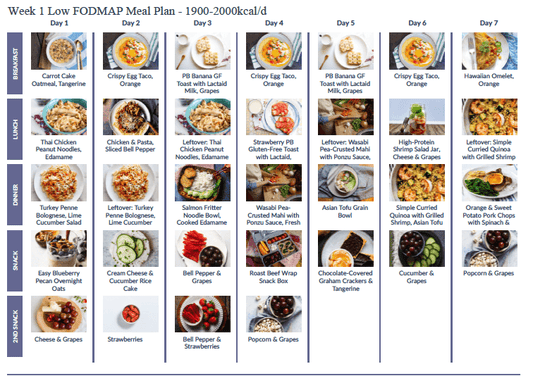
A low-FODMAP approach (temporarily reducing specific fermentable carbs that trigger gas and bloating) can be a practical tool for some people, especially those who notice bloating, abdominal pain, or irregular stools that worsen with therapy.
But the key word is temporary and targeted. Over-restriction can backfire by reducing dietary diversity and fiber types that support a healthy microbiome.
This is where IBS-friendly digestive support and careful food choices can matter more than sheer willpower.
Nutrient Shortfalls: Protein, Fiber, And Micronutrients With Reduced Portions
When portions shrink, every bite has to do more work.
Common long-term nutrition gaps on GLP-1–type therapy include:
Protein: critical for preserving lean mass
Fiber: critical for stool quality, cholesterol metabolism, and microbiome support
Micronutrients: iron, B12, folate, vitamin D, magnesium, and others depending on diet pattern
The nutrition risk isn't theoretical. It's practical: if you're living on "a few bites" most of the day, you can lose weight while quietly becoming undernourished.
A helpful way to think about it is not "eating less." It's "eating more intentionally."
Who Should Be Extra Cautious (Especially Women 35–55)
Retatrutide may eventually become a valuable option. But some groups deserve extra caution because the downside risk of muscle loss, bone loss, dehydration, or specific organ complications is higher.
Perimenopause And Menopause: Body Composition, Bone Health, And Symptom Overlap
In perimenopause and menopause, estrogen declines shift your body toward:
More visceral fat (central weight gain)
Less lean mass if you're not actively training
Higher bone loss rate in the years around the final menstrual period
Some GLP-1 side effects also overlap with menopause symptoms: sleep disruption, nausea-related appetite changes, constipation, and fatigue. That overlap can make it harder to tell what's driving what.
If you're in this window, the "success plan" should include strength, protein, and bone metrics from day one, not after you've already lost 20 pounds.
Thyroid Disease History, Gallstones, Or Prior Pancreatitis
If you have a personal history of:
Gallstones or biliary colic
Pancreatitis
Thyroid nodules or significant thyroid disease
You'll want a more individualized conversation. Trials often exclude these histories, which means the evidence base is thinner for exactly the people who most need clarity.
Eating Disorder History And Highly Restrictive Diet Patterns
A medication that reduces appetite can be medically helpful, but it can also amplify restrictive patterns.
If you have a history of anorexia, bulimia, binge eating disorder, or chronic yo-yo dieting with rigid rules, treat this as a clinical red flag to discuss upfront. Not because you "can't" benefit, but because monitoring should include mental health, food behaviors, and adequate nutrition, not only the scale.
Older Adults Or Anyone With Low Muscle Mass To Start
If you're older, sedentary, or starting with low muscle reserves, aggressive weight loss can tip into frailty.
In this group, the priority isn't maximum weight loss. It's better function: strength, balance, endurance, and metabolic markers while preserving independence.
Practical Risk-Reduction While Evidence Catches Up
You can't control what hasn't been studied yet, but you can control how thoughtfully you approach therapy.
The goal is to reduce preventable risks (dehydration, malnutrition, muscle loss) while monitoring for the less common complications.
A Conservative Titration Mindset: Go Slow, Don't Chase The Highest Dose
Dose escalation is where many side effects show up.
A conservative mindset means:
You and your clinician prioritize tolerability and function over speed.
You don't assume the highest dose is automatically the best dose.
You give your body time to adapt before increasing.
In real life, being able to stay consistent at a lower dose often beats stopping and restarting after pushing too fast.
Protein-First And Hydration Targets To Protect Muscle And Kidneys
When appetite is low, protein needs to be prioritized because it's the most protective lever for lean mass.
Hydration is just as important. Many people underestimate how little they're drinking when nausea is present.
Instead of vague goals, discuss simple, trackable targets with your clinician or dietitian. And if you're experiencing vomiting or diarrhea, hydration and electrolyte balance becomes a safety issue, not a wellness preference.
Fiber Strategy For GLP-1 Constipation Without Worsening IBS
Constipation on GLP-1 therapy can be stubborn because motility slows.
A practical fiber strategy is individualized:
If you tolerate it, soluble fiber (like psyllium) can improve stool consistency.
If you have IBS or bloating, you may need to adjust fiber type, dose, and timing and consider a low-FODMAP approach rather than simply "adding more fiber."
The wrong fiber plan can worsen gas and pain, which then reduces intake and movement, creating a loop.
Strength Training And Bone-Support Basics (Calcium, Vitamin D, Impact)
If you want long-term success, strength training isn't optional "extra credit." It's part of the risk-reduction plan.
Bone-support basics to discuss include:
Adequate calcium intake through diet and/or supplements if needed
Vitamin D status and supplementation if deficient
Appropriate impact or loading activity (based on your joints and fitness level)
You're not just losing weight. You're trying to build a body you can live in comfortably five years from now.
When To Stop Or Seek Urgent Care: Red-Flag Symptoms Checklist
You shouldn't self-diagnose, but you should know what symptoms deserve urgent evaluation.
Discuss with your clinician what to do if you develop:
Severe or persistent upper abdominal pain (especially if it radiates to the back)
Persistent vomiting or inability to keep fluids down
Signs of dehydration (dizziness, fainting, very dark urine, minimal urination)
Yellowing of skin/eyes or severe right upper abdominal pain (possible biliary issue)
A racing or irregular heartbeat that's new for you
A neck mass, persistent hoarseness, or trouble swallowing
Having a plan reduces panic and delays in care.
What To Monitor With Your Clinician (Baseline And Ongoing)
Because retatrutide long-term safety is still being defined, monitoring is where you regain control. You can't eliminate uncertainty, but you can reduce the chance of missing something important.
Labs To Discuss: A1C/Glucose, Lipids, Liver Enzymes, Kidney Function
At baseline and periodically, common labs to discuss include:
A1C and/or fasting glucose: tracks glycemic response
Lipids: triglycerides, LDL-C, HDL-C, and sometimes ApoB depending on your risk
Liver enzymes (ALT/AST): helpful especially if you have fatty liver risk
Kidney function (creatinine, eGFR): particularly important if intake drops or dehydration occurs
Your clinician may also consider electrolytes, vitamin B12, iron studies, vitamin D, or other tests based on your diet pattern, symptoms, and medical history.
Situational Monitoring: Gallbladder Symptoms, Thyroid Nodules, And Heart Rate
Some monitoring is symptom-driven:
Gallbladder: new right upper abdominal pain after fatty meals, nausea patterns that feel different than typical GLP-1 nausea
Thyroid: awareness of nodules or compressive symptoms, especially if you have thyroid history
Heart rate: resting heart rate trends, palpitations, exercise tolerance, and blood pressure
If you wear a fitness tracker, it can be useful for pattern recognition, not self-diagnosis.
Tracking Outcomes That Matter: Waist, Strength, GI Tolerance, And Energy
The scale is one data point. Long-term health is broader.
Consider tracking:
Waist circumference (a proxy for visceral fat trends)
Strength markers (how many push-ups, your squat or deadlift progression, or simply "can I carry groceries up stairs without effort?")
GI tolerance (constipation, reflux, nausea days per week)
Energy and sleep quality
If weight is falling but strength and energy are collapsing, that's not a win. It's a signal to adjust the plan.
How To Weigh Unknown Risks Against Potential Benefits
Deciding whether to pursue retatrutide (now or later) is less about chasing the newest medication and more about matching the tool to your goals, your risk profile, and your tolerance for uncertainty.
Questions To Ask Before Starting Or Switching From Semaglutide/Tirzepatide
Bring your clinician specific questions such as:
What problem are we solving that my current plan isn't solving (weight plateau, glucose control, side effects, adherence)?
What's my personal risk profile for gallbladder disease, pancreatitis, thyroid disease, arrhythmia, and dehydration?
What would make us slow down titration or stop escalation?
How will we protect lean mass and bone health while weight comes off?
What symptoms should trigger urgent evaluation?
If you're switching because of side effects, be honest about what you couldn't tolerate. Potency without tolerability usually doesn't translate to long-term success.
Defining Your Success Metrics: Weight, Metabolic Health, Or Symptom Relief
Success metrics change how you choose a medication.
If your main goal is metabolic improvement (A1C, triglycerides, fatty liver markers), you may accept slower weight loss if it's sustainable.
If your main goal is weight reduction for joint pain or sleep apnea, you may prioritize a therapy that delivers meaningful loss while still letting you eat enough protein and maintain a training plan.
If your main goal is simply "I want to feel normal around food," your success metric may be appetite stability and less food noise, not a certain number on the scale.
Planning For Maintenance: Long-Term Use vs. Off-Ramps And Weight Regain Risk
One of the most overlooked parts of GLP-1–based therapy is the maintenance phase.
Because obesity is a chronic disease for many people, long-term use may be necessary to maintain results. If you're hoping for an off-ramp, you'll want to discuss:
What lifestyle and nutrition structure will replace the medication effect
How you'll monitor early regain
Whether a lower maintenance dose is an option
What you'll do if appetite and cravings return strongly
In other words, treat maintenance as a phase of care, not an afterthought.
GI side effects don't have to be the price of admission for GLP-1 therapy. Casa de Sante offers physician-formulated gut support products built for the specific digestive challenges these medications create. Explore your options at casadesante.com.
This article is for educational purposes only and is not medical advice. Always consult your healthcare provider before making changes to your treatment plan.
Conclusion
Retatrutide may eventually earn a meaningful place in obesity and metabolic care. But in 2026, the most honest statement is still: we don't have multi-year safety answers yet.
You don't need fear to make a smart decision. You need a framework. Focus on what is knowable today: your personal risk factors, your baseline labs, your GI tolerability, your protein and hydration consistency, your strength and bone-support plan, and your willingness to titrate conservatively.
The "best" medication isn't the newest one. It's the one you can use safely, tolerate well, and maintain long enough to translate weight loss into better health.
Retatrutide Long-Term Safety: Frequently Asked Questions
What is retatrutide and how does its triple-agonist mechanism differ from other weight loss medications?
Retatrutide is a next-generation metabolic therapy targeting three hormone receptors: GLP-1, GIP, and glucagon. Unlike dual agonists like tirzepatide, it activates glucagon receptors to increase energy expenditure, potentially enhancing weight loss but raising unique long-term safety questions, such as cardiovascular effects.
Why are retatrutide’s long-term safety effects still unknown as of 2026?
Current retatrutide clinical trials have followed participants for up to about 48 to 89 weeks, which is insufficient to assess multi-year risks like cancer incidence, bone density changes, and rare adverse events. Longer-term phase 3 studies are ongoing but results won’t be available for several years.
What are the potential long-term health risks associated with retatrutide use?
Key unknowns include gallbladder and pancreas complications from rapid weight loss, cardiovascular effects from glucagon receptor activation, bone density loss, lean muscle mass reduction, and rare events like thyroid tumors. Also, chronic gastrointestinal effects and nutrient deficiencies could affect quality of life and organ health over time.
Who should be especially cautious about using retatrutide?
Women aged 35-55, particularly in perimenopause or menopause, people with thyroid disease, gallstones, or prior pancreatitis, individuals with eating disorder histories, older adults, and those with low muscle mass should approach retatrutide cautiously due to elevated risks of bone loss, dehydration, and organ complications.
How can patients minimize risks while using retatrutide despite unknown long-term safety?
A conservative dose escalation, prioritizing protein intake and hydration, maintaining fiber balance, incorporating strength training, and regular monitoring of labs (A1C, liver, kidney function), heart rate, and gastrointestinal symptoms can help mitigate preventable risks during retatrutide therapy.
Is retatrutide FDA-approved and widely accessible for weight loss treatment in 2026?
No. As of 2026, retatrutide is not FDA-approved for routine prescribing and is only accessible through clinical trials, which involve carefully selected populations and close monitoring, limiting knowledge about its safety in broader, more medically complex patients.