Ozempic With A Sensitive Stomach: A Simple Daily Routine To Reduce Nausea, Bloating, And Reflux (2026)








If you have a sensitive stomach, Ozempic can feel like it turns the volume up on every normal digestive quirk: you get full too fast, certain foods suddenly "sit there," and nausea or reflux can show up at the worst times (often right when you're trying to eat healthier).
The good news is that most GI side effects on semaglutide are predictable, and predictable usually means manageable. The goal isn't to "push through" or eat perfectly. It's to create a simple, repeatable daily routine that works with GLP-1 physiology (slower stomach emptying and lower appetite) so you can tolerate your plan, protect your nutrition, and feel more like yourself.
Below is a practical Ozempic sensitive stomach routine you can use morning to night, plus injection-day tweaks and symptom-specific strategies that make sense for how these medications actually work.
Why Ozempic Can Feel Hard On A Sensitive Stomach
Ozempic (semaglutide) is highly effective for appetite regulation and weight loss for many people. But the same mechanism that helps you feel satisfied can also make your stomach feel touchier than usual, especially if you already deal with IBS tendencies, reflux, or nausea-prone digestion.
How Semaglutide Affects Gastric Emptying And Appetite Signals
Semaglutide is a GLP-1 receptor agonist. In plain English: it mimics a gut hormone that helps regulate appetite and blood sugar. One key effect is that it slows gastric emptying, meaning food leaves your stomach more slowly.
That slowdown is part of why you feel full faster and stay full longer. But it also means:
- Larger meals can feel "stuck," leading to nausea and discomfort.
- High-fat foods may linger in the stomach longer (fat already slows digestion), which can amplify queasiness, reflux, and burping.
- If you go too long without eating, nausea can paradoxically worsen for some people, because an empty stomach plus GLP-1 effects can feel like motion sickness.
Common Triggers: Large Meals, High Fat Foods, Carbonation, And Lying Down
If you're trying to reduce symptoms, these are the most common, high-yield triggers to address first:
- Large meals: Your comfortable "meal capacity" tends to shrink on GLP-1 therapy.
- High-fat or greasy foods: Think fried foods, creamy sauces, pizza, burgers.
- Carbonation: Bubbles plus slower emptying often equals pressure and burping.
- Lying down after eating: This increases the chance of reflux because gravity stops helping.
If your symptoms seem random, it's often not random, it's timing, portion size, or fat load.
Red Flags That Need A Clinician, Not A Routine
A routine helps typical side effects. But some symptoms deserve medical attention.
Contact your clinician promptly if you have:
- No bowel movement for 3+ days, especially with pain, vomiting, or significant bloating
- Severe or persistent abdominal pain, pain that radiates to the back, or vomiting with significant gas/burping (this needs evaluation)
- Signs of dehydration (dizziness, very dark urine, inability to keep fluids down)
- Worsening reflux with trouble swallowing, black stools, or vomiting blood
And if you're escalating your dose and symptoms become unmanageable, that's also a clinician conversation. Many people do well with a slower titration, and you don't necessarily need the highest dose to benefit.
Before You Start: Set Up Your Baseline And Your Non-Negotiables
When your stomach feels sensitive, the fastest way to make progress is to stop guessing. A short baseline period can reveal patterns you can actually use.
Track Symptoms, Bowel Pattern, And Trigger Foods For 7 Days
For one week, track three things (notes app is fine):
- Symptoms: nausea, bloating, reflux/burping, cramps (rate 0–10)
- Bowel pattern: frequency, stool consistency, urgency
- Likely triggers: meal size, fat-heavy meals, carbonation, late-night eating
This is less about perfection and more about identifying your top two triggers. Most people have a "usual suspect" they didn't realize was consistent.
Confirm Your Dose Escalation Plan And Injection Timing
GI side effects often peak during dose escalation, commonly within 1 to 3 days after an increase. This is why two people on the "same medication" can have very different experiences: timing and titration matter.
Know:
- Your current dose and when the next increase is planned
- Whether your provider is open to holding at a dose longer if side effects are limiting
- When you inject (morning vs evening) and what day of the week, because you can plan meals and social events around your most sensitive window
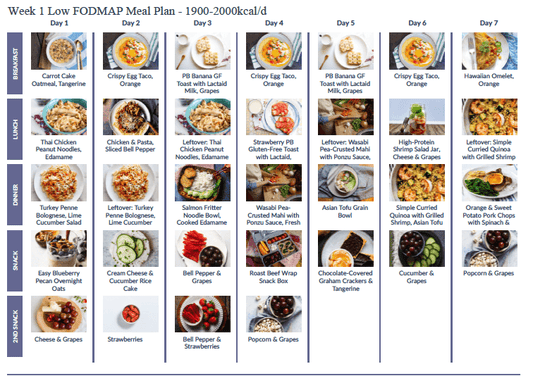
Build A "Safe Foods" List Using Low-FODMAP Principles
If you're already prone to IBS-like symptoms, low-FODMAP principles can be a useful filter while your body adjusts. Low-FODMAP isn't a forever diet for most people: think of it as a temporary "calm the gut down" tool.
Create a short safe-foods list you can rely on when nausea hits:
- Lean proteins: chicken, turkey, eggs/egg whites, fish, tofu (if tolerated)
- Low-FODMAP carbs: white rice, oats, sourdough (often better tolerated), potatoes
- Gentle produce: bananas, carrots, zucchini, green beans
The practical win: when you're queasy, you don't have to think. You just rotate safe options and keep your nutrition steady.
A Daily Ozempic Sensitive-Stomach Routine (Morning To Night)
This routine is designed to reduce nausea, bloating, and reflux by working with slower gastric emptying. The theme is consistent: smaller portions, lower fat, earlier dinner, and no long gaps that leave you nauseated and then over-hungry.
Morning: Hydration First, Then A Small Protein-Forward Breakfast
Start with hydration before coffee.
- Drink water first. If plain water makes you nauseated, try small sips, room temperature, or add an electrolyte packet.
- Aim for a small, protein-forward breakfast within a couple of hours of waking.
Sensitive-stomach breakfast ideas:
- Greek yogurt (lactose-free if needed) + a small banana
- Eggs + a slice of sourdough toast
- Protein shake made with a low-fat base (and sip it slowly)
Why this helps: protein supports muscle retention during weight loss and tends to be more nausea-stable than a carb-only breakfast.
Midday: Smaller Lunch, Slow Eating, And A 10-Minute Walk
Lunch is where many people accidentally create the "stomach brick" feeling.
Try this structure:
- Make lunch smaller than your pre-GLP-1 normal.
- Eat slowly. A useful cue is to chew until the texture is almost applesauce-like before swallowing.
- Take a 10-minute walk afterward.
That short walk isn't about burning calories. It's about improving post-meal comfort and reducing reflux by keeping you upright and gently encouraging motility.
Afternoon: Smart Snacks To Prevent Nausea From An Empty Stomach
If you wait too long between lunch and dinner, nausea can creep in, and then dinner becomes harder to tolerate.
Good "anti-empty-stomach" snack options:
- A few bites of turkey slices or a small protein portion
- A small yogurt
- A half serving of a protein shake
- Crackers or rice cakes paired with a little protein
If you're very nausea-prone, set a reminder for a small snack rather than waiting for hunger.
Evening: Early Dinner, Lower Fat, And A Reflux-Safe Wind-Down
For many people, the most effective reflux intervention is simply moving dinner earlier.
Aim for:
- Early dinner when possible
- Lower-fat cooking methods (baked, grilled, air-fried with minimal oil)
- Smaller portion size than you think you "should" eat
Reflux-safe wind-down:
- Stay upright for at least 30 minutes after dinner
- Avoid tight waistbands right after eating (it matters more than people expect)
- Keep dessert small and low-fat if you choose to have it
Bedtime: Positioning, Fluids Cutoff, And Constipation Prevention
Two bedtime habits make a noticeable difference for sensitive stomachs on Ozempic:
- Fluids cutoff: limit large fluid intake 1–2 hours before bed to reduce overnight reflux and bathroom trips.
- Positioning: if reflux is an issue, elevate your head or sleep slightly on your left side (often better for reflux due to stomach anatomy).
Constipation prevention basics:
- Don't wait until you're "stuck." Build in daily soluble fiber (like psyllium) and adequate water.
- If you use magnesium, discuss the form and dose with your clinician, some types are more likely to loosen stools than others.
The goal is steady bowel regularity, not an aggressive fix that swings you into diarrhea.
What To Eat When Your Stomach Is Extra Sensitive (And What To Avoid)
On your rough days, think "low fat, lower volume, lower fermentable carbs, and predictable." This is not the day to test a new kale salad.
Best-Tolerated Staples: Lean Protein, Low-FODMAP Carbs, Gentle Produce
These foods tend to be more tolerated when gastric emptying is slowed:
- Lean protein: chicken breast, turkey, fish, shrimp, egg whites, low-fat lactose-free dairy, tofu (if tolerated)
- Low-FODMAP carbs: white rice, potatoes, oats, quinoa (portion-dependent), sourdough bread
- Gentle produce: bananas, carrots, cucumbers, zucchini, spinach (cooked often easier than raw)
If you're struggling to eat enough overall, prioritize protein first, then add carbs for energy. Fat can come in later in smaller amounts.
Temporarily Limit: Greasy Meals, Very Fibrous Raw Veg, Spicy Foods, Alcohol
These commonly worsen nausea, bloating, and reflux on semaglutide:
- Greasy/high-fat meals (they sit in the stomach longer)
- Very fibrous raw vegetables (large salads, raw cruciferous veggies)
- Spicy foods (especially if reflux is active)
- Alcohol (irritates the stomach lining, worsens reflux, and can destabilize appetite)
This isn't a moral judgment on the food. It's a timing issue: your gut may tolerate these better later, once you're stable on your dose.
Carbonation, Coffee, And Acidic Foods: How To Test Without Guessing
You don't need to eliminate everything forever. You need a testing plan.
A simple method:
- Test one variable at a time for 2–3 days.
- Keep portion size small.
Examples:
- Coffee: try half-caff, drink it after food (not on an empty stomach), and keep it small.
- Carbonation: test a few sips rather than a full can.
- Acidic foods (tomato, citrus): try them earlier in the day and in a small portion, not at dinner.
If symptoms flare, you've learned something useful without turning your diet into chaos.
Symptom-Specific Fixes That Fit GLP-1 Physiology
When you're on a GLP-1, your symptoms often have a mechanical explanation: food staying in the stomach longer, meals being too big for your new comfort level, or fermentation/gas building from certain carbs.
Nausea And Food Aversion: Portioning, Ginger/Peppermint, And Timing
What usually helps nausea on semaglutide:
- Portion down, not willpower up. If you think you "should" eat a full bowl, eat half and reassess later.
- Avoid high-fat meals when nausea is active.
- Consider ginger or peppermint (tea, lozenges) if you tolerate them. Peppermint can worsen reflux in some people, so if reflux is your main symptom, ginger is often the safer first test.
- Don't let your stomach get completely empty for long stretches. Small, regular intake is often better tolerated.
If nausea is severe or persistent, your clinician can also discuss anti-nausea options or adjusting titration.
Bloating And Gas: FODMAP Load, Fiber Type, And Meal Pace
Bloating on GLP-1 therapy is often a combination of slower emptying plus fermentation.
Try:
- Reduce FODMAP load temporarily (onion, garlic, large servings of wheat products, certain fruits, sugar alcohols).
- Choose soluble fiber over large amounts of raw insoluble fiber. Soluble fiber (like psyllium) is often gentler and more predictable.
- Slow down your eating pace. Swallowed air plus slower emptying can make bloating feel dramatic.
Reflux And Burping: Meal Timing, Fat Content, And Posture
Reflux and burping often improve with three changes:
- Meal timing: earlier dinner, and avoid late-night eating.
- Fat content: keep dinner lower fat, especially on injection-day and after titration.
- Posture: stay upright after meals: avoid bending at the waist right after eating.
If you're using over-the-counter acid reducers (like famotidine) or antacids, check with your clinician or pharmacist to make sure it fits your medical history and medication list.
Constipation Or Diarrhea: Hydration, Electrolytes, Magnesium, And Soluble Fiber
GLP-1 therapy can shift bowel habits in either direction.
For constipation:
- Hydration plus electrolytes (especially if you're eating much less)
- Soluble fiber (psyllium is commonly used)
- Magnesium may help some people, but the best type and dose depend on your situation and should be discussed with your clinician
For diarrhea:
- Temporarily reduce high-fat meals
- Use simpler, lower-fat foods for 24–48 hours
- Maintain hydration and electrolytes
If constipation becomes severe (especially no bowel movement for 3+ days), or diarrhea is persistent with weakness or dehydration, loop in your clinician.
Injection-Day And Dose-Increase Routine
Most people who struggle with GI symptoms don't struggle every day, they struggle in predictable windows. Injection-day and dose increases are the big ones.
The 24-Hour "Gentle Gut" Plan Around Your Shot
For the 24 hours after your injection (and especially after a dose increase), simplify:
- Smaller meals than usual
- Lower fat than usual
- No "challenge foods" (greasy, spicy, very high fiber, large salads)
- Extra attention to hydration
A practical approach is to treat that day like a "bland-but-nourishing" day: protein, simple carbs, cooked vegetables.
When To Hold Off On New Foods, Supplements, Or Alcohol
If you change three things at once, you'll never know what caused the flare.
Consider holding off on:
- New supplements
- New high-fiber foods
- Alcohol
…during the 24–48 hours after your shot, and for several days after a dose increase. Once you feel steady again, reintroduce one variable at a time.
What To Do If Side Effects Spike After A Titration
If symptoms spike after titration, it doesn't necessarily mean you "can't tolerate" the medication.
Bring these points to your prescriber:
- The timing (often 1–3 days after the increase)
- The specific symptoms and severity
- Whether you're meeting hydration and protein needs
Common clinician-led adjustments include slowing the titration, staying at the current dose longer, or in some cases temporarily stepping back. Many people do well with a slower approach, and you can still achieve meaningful outcomes without racing to the maximum dose.
Special Considerations For Perimenopause And Menopause
If you're in perimenopause or menopause, the digestive side of GLP-1 therapy can feel more intense, not because you're doing something wrong, but because physiology is changing in parallel.
Reflux, Slower Motility, And Sleep Changes: Adjusting Meal Timing
Hormonal shifts can influence sleep quality, stress hormones, and GI function. If sleep is lighter or more fragmented, reflux can feel worse simply because you're waking up and noticing it.
High-impact adjustments:
- Move dinner earlier, even by 60–90 minutes.
- Keep late-night snacks minimal and low fat.
- If reflux wakes you, consider whether your fluids cutoff and head elevation are consistent.
If you're also adjusting hormone therapy, that's another reason to keep food changes steady and predictable so you can interpret symptoms accurately.
Protein, Muscle, And Bone: Hitting Targets Without Upsetting Your Stomach
In midlife, preserving lean mass (muscle) and supporting bone health becomes more important, not less, especially during weight loss.
If big portions make you nauseated, think distribution:
- Break protein into smaller doses across the day (breakfast, lunch, snack, dinner).
- Use softer textures when needed (yogurt, shakes, soups) to reduce chewing fatigue and volume.
- Pair protein with easy carbs when appetite is low (rice, potatoes, oats) so you don't end up under-eating for days.
This isn't about bodybuilding. It's about keeping your metabolism, strength, and function resilient while the scale changes.
Conclusion
If Ozempic makes your stomach feel sensitive, the most effective strategy is rarely a single "magic" food or supplement. It's consistency: smaller portions, lower fat when symptoms are active, earlier dinners, gentle movement after meals, and a short list of safe foods you can rely on when appetite and tolerance change.
And remember, the hardest weeks are often the early weeks and dose increases. If you plan around those windows, you can usually stay ahead of nausea, bloating, and reflux rather than reacting to them.
GI side effects don't have to be the price of admission for GLP-1 therapy. Casa de Sante offers physician-formulated gut support products built for the specific digestive challenges these medications create. Explore your options at casadesante.com.
This article is for educational purposes only and is not medical advice. Always consult your healthcare provider before making changes to your treatment plan.
Ozempic Sensitive Stomach Routine: Frequently Asked Questions
Why does Ozempic cause a sensitive stomach and nausea?
Ozempic (semaglutide) slows gastric emptying, meaning food stays in the stomach longer. This delayed digestion can cause nausea, bloating, reflux, and a feeling of fullness after smaller meals, especially in those with sensitive stomachs or digestive conditions.
What foods should I eat or avoid on an Ozempic sensitive stomach routine?
Choose lean proteins like chicken and fish, low-FODMAP carbs like white rice and potatoes, and gentle produce such as bananas and carrots. Avoid large meals, high-fat or greasy foods, spicy dishes, alcohol, carbonation, and lying down after eating to reduce symptoms.
How can I structure my daily routine to manage Ozempic-related stomach sensitivity?
Start your day with hydration and a small protein-rich breakfast. Eat smaller, slower meals with an early, low-fat dinner. Include a mid-meal walk and protein snacks to prevent nausea from an empty stomach. Bedtime habits like limiting fluids and elevating the head help reduce reflux.
What are the common triggers that worsen stomach symptoms on Ozempic?
Common triggers include large meals, high-fat or greasy foods, carbonated drinks, and lying down soon after eating. These factors prolong stomach emptying and increase nausea, reflux, and bloating during treatment.
How should I handle dose increases or injection days if I have a sensitive stomach?
During the 24 hours after injection or dose escalation, eat smaller, lower-fat meals and avoid trigger foods. Hydrate well and delay introducing new foods or supplements until symptoms stabilize. Slower dose titration may reduce gastrointestinal side effects.
When should I seek medical attention for Ozempic digestive issues?
Contact your clinician if you experience no bowel movement for 3+ days, severe abdominal or back pain with vomiting or gas, signs of dehydration, or worsening reflux with difficulty swallowing or blood in vomit or stool. Severe or persistent symptoms also warrant medical evaluation.