Ozempic Protein Shake Review (2026): What To Look For When GLP-1s Kill Your Appetite

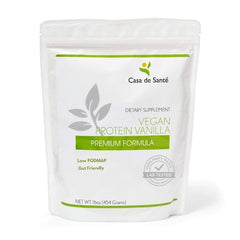
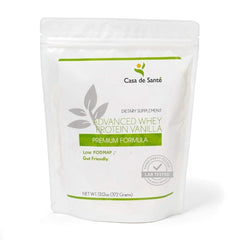
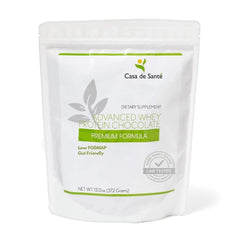


If you're on Ozempic or another GLP-1 medication, "just eat more protein" can feel like a joke on the days when you're nauseated, food-averse, or full after three bites. And yet protein is exactly what protects you from the downside of rapid weight loss: losing muscle along with fat, feeling weak, and watching your hair and skin take a hit.
That's where an "Ozempic-friendly" protein shake can be genuinely useful. Not as a magic fix or a meal replacement you force down, but as a low-effort, low-volume way to get high-quality amino acids when your appetite is unreliable.
This ozempic protein shake review is less about ranking brands and more about teaching you how to assess any shake quickly, based on what GLP-1s do to digestion, appetite, and tolerance, so you can choose something that helps instead of backfiring.
Why Protein Shakes Matter On GLP-1 Meds
GLP-1 medications (like semaglutide and tirzepatide) work largely by reducing appetite and slowing stomach emptying. Clinically, that's part of the benefit. Practically, it can make normal eating feel like a chore.
A well-chosen protein shake is one of the simplest tools to keep your nutrition from drifting too low, especially in the first few months, when side effects and appetite changes are usually most intense. Many people do best aiming roughly 60 to 100 grams of protein per day, but your ideal target depends on your body size, activity level, age, and whether you're in perimenopause or menopause.
Protecting Lean Muscle During Rapid Weight Loss
When weight drops quickly, some of that loss can come from lean mass (muscle). That matters because muscle isn't just "aesthetic." It's metabolic tissue that supports strength, mobility, insulin sensitivity, and long-term weight maintenance.
Protein provides essential amino acids your body can't make on its own. For muscle preservation, you're not just looking for "protein" in the abstract, you're looking for enough of the right amino acids (especially leucine) to signal muscle protein synthesis, ideally alongside some form of resistance training.
Managing Low Appetite, Nausea, And Early Fullness
GLP-1s commonly create a pattern of early fullness: you feel done before you've eaten enough to meet basic protein and micronutrient needs. Shakes can help because they're predictable, portionable, and often easier to sip than chew.
They can also be adjusted to your tolerance. On a rough day, a diluted half-shake sipped slowly may be more realistic than a full plate of food. The goal is not to "push through." The goal is to choose a format your GI tract can handle while you stay consistent over time.
What “Ozempic-Friendly” Really Means In A Protein Shake
An ozempic-friendly protein shake isn't about trendy ingredients. It's about matching the shake to the most common GLP-1 realities: slower gastric motility (slower movement of food through your stomach), lower appetite, and a narrower window of digestive tolerance.
Here's what actually matters.
Protein Quality And Dose Per Serving
For most people on GLP-1 therapy, a practical target is 20 to 30 grams of protein per serving. That dose tends to be large enough to matter for daily totals without feeling like you're swallowing a brick.
Quality matters too:
Whey protein is rich in essential amino acids and naturally high in leucine, which is one reason it's often used for muscle support.
Plant proteins can work well, but some blends require larger volumes to hit the same amino acid profile, and some people notice more bloating depending on the source (pea, for example).
Collagen peptides are not a complete protein (they're missing certain essential amino acids). They can still be useful as an add-on for skin and connective tissue support, but they typically shouldn't be your only protein source.
Carbs, Added Sugar, And Fiber: What Helps Vs. What Triggers GI Symptoms
If you're using a shake to help you meet protein goals without GI drama, keep the carb load modest. Many people feel best with lower added sugar and total carbs under about 10 grams per serving, especially if nausea is an issue.
Fiber is more nuanced.
A small amount of fiber can support regularity and help with blood sugar stability.
Too much fiber in one sitting, especially from certain added fibers, can worsen gas, bloating, and cramping, particularly when GLP-1s are already slowing your gut.
If constipation is your main issue, fiber may help, but it often works best when it's introduced gradually and paired with adequate fluid.
Fat Content And Texture: Why Rich Shakes Can Backfire
High-fat shakes tend to sit in the stomach longer. On GLP-1s, your stomach is already emptying more slowly, so a rich, creamy, high-fat shake can become the perfect recipe for reflux, nausea, or that "food just isn't moving" sensation.
Texture matters more than people think. Very thick shakes (especially those made with lots of nut butter, heavy cream, or large amounts of added fiber) can feel intolerable when you're dealing with early fullness.
A simpler, smoother, lower-fat shake is often more "GLP-1 realistic."
Common Trigger Ingredients For Sensitive Stomachs (Including High-FODMAP Sweeteners)
If you have IBS tendencies or you've noticed GLP-1 therapy makes you more reactive, ingredient simplicity is your friend.
Common triggers include:
Sugar alcohols and certain sweeteners that can be high-FODMAP for many people (like maltitol, sorbitol, mannitol). These can pull water into the gut and ferment, leading to bloating, gas, and diarrhea.
Inulin/chicory root fiber and some other added prebiotic fibers. These help some people and absolutely wreck others.
Large blends of gums and thickeners (like xanthan gum, guar gum, carrageenan) that can contribute to bloating or altered stool patterns in sensitive individuals.
Lactose, if you're lactose intolerant. Even "whey" products vary in lactose content depending on whether they use whey concentrate versus isolate.
If you're doing a personal ozempic protein shake review at home, pay attention to what keeps showing up in products that trigger symptoms for you. Patterns appear fast once you're looking.
How To Review Any Ozempic Protein Shake: A Simple Label Checklist
You don't need to be a dietitian to evaluate a protein shake. You just need a consistent checklist and a willingness to treat your gut like it's giving you data.
Calories, Protein, And Leucine Signals
Start with the basics:
Protein: 20 to 30 grams per serving is a solid range for many adults on GLP-1s.
Calories: Many people do well around 150 to 250 calories for a shake that's meant to supplement, not replace, meals. If it's much higher, ask whether the extra calories are coming from fat, sugar, or something you actually want.
Leucine "signals": Labels don't always list leucine, but you can infer more muscle-supportive profiles when you see whey (especially whey isolate) as a primary protein. Some products list BCAAs or leucine content explicitly.
If your goal is muscle preservation, the combination of adequate total protein plus resistance training is the big lever. The shake is there to make consistency possible.
Sweeteners, Sugar Alcohols, And Gums To Watch
This is where many "healthy" shakes fail GLP-1 users.
Scan for:
Sugar alcohols (often ending in "-itol"): common culprits for cramping, gas, and diarrhea.
A long list of gums/thickeners: not automatically bad, but the more complex the formula, the harder it is to troubleshoot intolerance.
Very high fiber counts from added functional fibers: can be helpful for constipation, but can also trigger bloating.
If you're prone to nausea or reflux, simpler usually wins.
Lactose, Whey, And Dairy-Free Alternatives
If dairy triggers you, you have options:
Whey isolate tends to have less lactose than whey concentrate, but sensitivity varies.
Dairy-free options include soy, pea, rice, and blended plant proteins. Some people tolerate soy very well: others do better with blends.
If lactose intolerance is part of the picture, choosing lactose-free or low-lactose products is often a straightforward fix. If you suspect a true milk protein allergy (not just intolerance), that's a different category, avoid dairy proteins altogether.
Electrolytes And Micronutrients Often Missed On GLP-1s
On GLP-1 therapy, reduced food intake can quietly reduce micronutrient intake too. Not everyone needs a fortified shake, but it's worth checking whether your overall day includes the basics.
Commonly missed areas include:
Electrolytes (especially if you're eating less overall or struggling with hydration): sodium, potassium, magnesium.
Calcium and vitamin D (important for bone health, particularly in midlife).
Iron and B vitamins, depending on your diet pattern.
If your shake is your "insurance policy" on low-intake days, a modestly fortified option can be helpful, as long as it remains GI-tolerable.
Digestive Tolerance Review: Bloating, Reflux, Constipation, And Diarrhea
For many people, the best protein shake on paper becomes the worst one in real life because of digestive tolerance. GLP-1s can amplify whatever your baseline gut tendencies are.
Use this section as your troubleshooting guide when your ozempic protein shake review turns into: "Why do I feel worse?"
Strategies If Protein Shakes Worsen Nausea Or Reflux
If shakes worsen nausea, reflux, or that heavy "stuck" feeling, the most common drivers are volume, thickness, fat content, and timing.
What often helps:
Reduce volume and concentration: try a half serving and dilute with water or lactose-free milk.
Slow down: sipping over 20 to 30 minutes is different from drinking quickly.
Avoid high-fat add-ins: nut butters, coconut cream, heavy dairy.
Adjust timing: many people tolerate shakes better mid-morning or mid-afternoon than first thing in the morning or right before lying down.
If reflux is persistent, severe, or new since starting GLP-1s, it's worth discussing with your clinician. Sometimes dose timing, titration speed, or reflux management needs to be addressed.
Strategies If Protein Shakes Worsen Constipation
Constipation is one of the most common GLP-1 side effects. A protein shake can either help (if it supports hydration and regular intake) or worsen things (if it displaces fluids and fiber).
A few clinically sensible adjustments:
Prioritize fluid with the shake. Constipation is often a "low volume in the gut" problem as much as it's a fiber problem.
Consider adding gentle fiber separately rather than choosing a shake with a massive fiber load.
Look for magnesium-containing nutrition patterns (food-first when possible), and discuss supplementation with your clinician if constipation is persistent.
Keep moving. Even light walking can support gut motility.
If you're relying on a shake as your main intake source and constipation is escalating, that's a sign to reassess the overall plan with your healthcare team.
Strategies If Protein Shakes Trigger Gas And Bloating (Low-FODMAP Approach)
If your main issue is gas and bloating, think like an IBS clinician for a moment: fermentation and osmotic effects are common mechanisms.
A low-FODMAP-leaning approach often looks like this:
Choose simpler formulas with fewer sweeteners and fewer added fibers.
Avoid sugar alcohols (maltitol, sorbitol, mannitol) and be cautious with large amounts of inulin/chicory root.
Trial one change at a time for a few days. If you change the shake, the milk, and the add-ins all at once, you'll never know what helped.
If bloating is intense, accompanied by vomiting, severe abdominal pain, or inability to tolerate oral intake, don't try to "hack" your way through it. Get medical guidance promptly.
Best Times And Ways To Use Protein Shakes On Ozempic
The best use case for a protein shake on Ozempic is the one that fits your real appetite pattern. Many people find they can't tolerate big meals, but they can tolerate small, consistent nutrition.
How To Build A "Half-Shake" For Early Fullness
If early fullness is your biggest barrier, stop trying to make a shake feel like a full meal.
A half-shake strategy:
Use half a serving of powder (or half a premade bottle).
Add more fluid than usual to thin it out.
Sip slowly.
If tolerated, you can repeat later in the day. Two half-shakes are often easier than one full shake.
Pairing With Small, Tolerable Foods For Better Blood Sugar And Less Nausea
Some people feel worse when they drink a shake completely on an empty stomach. Pairing small amounts of protein with a bland, tolerable carbohydrate can reduce nausea and help stabilize blood sugar.
Examples of "small but doable" pairings include a few crackers, half a banana, or a small piece of toast, especially if you're prone to lightheadedness or you're not eating much overall. The exact choice depends on your tolerance and any GI conditions you're managing.
The principle is simple: avoid making your stomach choose between "nothing" and "too much."
Pre-Workout, Post-Workout, And Bedtime Use Cases
Protein timing isn't magic, but it can be strategic when appetite is unpredictable.
Pre-workout: If you can tolerate it, a small amount of protein beforehand may support training energy, but keep volume low to avoid nausea.
Post-workout: Often the easiest win. A shake can provide a reliable protein dose when you're not ready for a full meal.
Bedtime: Useful if your total daily protein is falling short. But if reflux is an issue, avoid large volumes close to lying down.
If strength training is part of your plan (and it should be, if your body allows), a tolerable post-workout protein routine is one of the most practical ways to protect lean mass during GLP-1 weight loss.
Who Should Avoid Or Modify Protein Shakes
Most people can include protein shakes safely, but there are situations where you should be more cautious, modify the approach, or avoid them without medical input.
Kidney Disease, Gastroparesis Symptoms, And Reflux Red Flags
If you have chronic kidney disease, your protein target may need to be individualized. Higher protein intake isn't automatically unsafe, but it should be guided by your clinician and lab trends.
If you have symptoms consistent with significant gastroparesis (delayed stomach emptying), such as frequent vomiting, inability to tolerate solids or liquids, severe early satiety, or ongoing abdominal pain, discuss this urgently with your prescribing clinician. GLP-1 therapy can worsen gastric emptying in some individuals.
Reflux red flags include persistent heartburn, nighttime symptoms, or food/liquid coming back up regularly. Thick, high-fat shakes often worsen this.
Food Allergies, Lactose Intolerance, And IBS Considerations
If you have a true food allergy (milk protein, soy, etc.), avoid that ingredient category completely.
If you have lactose intolerance, consider lactose-free options or non-dairy proteins, and watch whether symptoms track with dairy exposure.
If you have IBS or you've previously done well with a low FODMAP diet, treat protein shakes like any other packaged food: the ingredient list matters as much as the macro numbers. Sweeteners, sugar alcohols, and added fibers are frequent triggers.
Perimenopause And Menopause: Protein Needs, Strength Training, And GLP-1s
If you're in perimenopause or menopause, GLP-1 therapy intersects with a very real physiology shift: declining estrogen tends to reduce muscle protein synthesis efficiency, change fat distribution, and increase risk for bone loss over time.
That's why the conversation isn't only "Will GLP-1 help the scale?" It's "Can you lose weight while protecting muscle and bone?" Protein and strength training are the foundation.
How Much Protein To Aim For (Without Overdoing Calories)
A common evidence-informed range for midlife adults aiming to preserve lean mass is roughly 1.2 to 2.0 grams of protein per kilogram of body weight per day, adjusted for your context and medical history.
You don't have to hit the top end to benefit. What matters most is consistency and distribution: getting meaningful protein doses across the day instead of one big bolus you can't tolerate.
A protein shake can be a practical tool here because it's measurable. If you know you're only able to eat small meals, using a shake to anchor 20 to 30 grams of protein can take pressure off the rest of the day.
Supporting Bone, Muscle, And Appetite Regulation During Hormone Shifts
Strength training supports muscle, bone density, and functional capacity. On GLP-1s, it also helps counter the natural tendency to lose some lean mass during weight loss.
Bone health is not just calcium. It's protein, vitamin D, magnesium, resistance exercise, and overall energy availability. When appetite is suppressed, it becomes easier to under-eat for long stretches, which can impact hair, skin, mood, and recovery.
If you're navigating menopausal symptoms alongside GLP-1 therapy, it's reasonable to want a clinician who can connect those dots, because your outcomes depend on the whole system, not one prescription.
Conclusion
A useful ozempic protein shake review comes down to one question: does this product help you meet protein needs without provoking the very GI symptoms you're trying to avoid?
Look for a moderate serving (often 20 to 30 grams of protein), a tolerable texture, and a short ingredient list that avoids your personal triggers, especially sugar alcohols and overly rich, high-fat formulations. If you're in perimenopause or menopause, raise your standards even further: muscle and bone protection should be part of your GLP-1 plan from day one.
When appetite is low, consistency beats perfection. A half-shake you can tolerate is more effective than a "perfect" shake you dread.
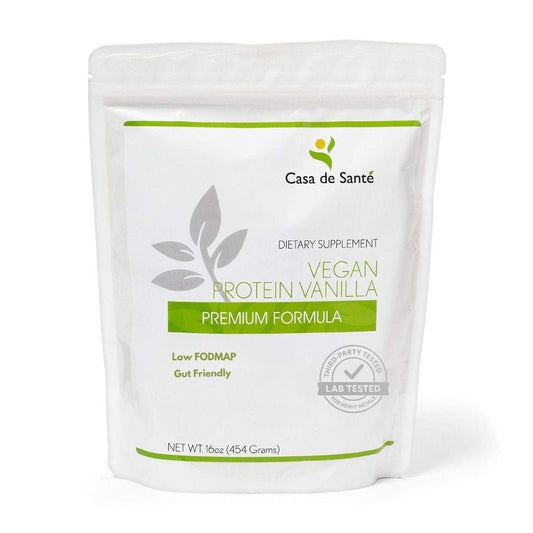
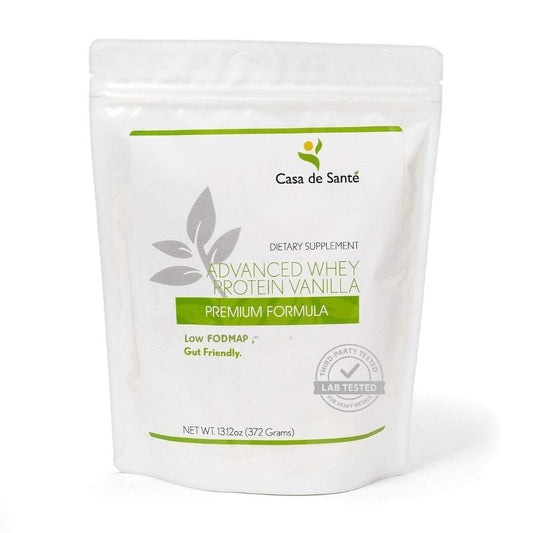
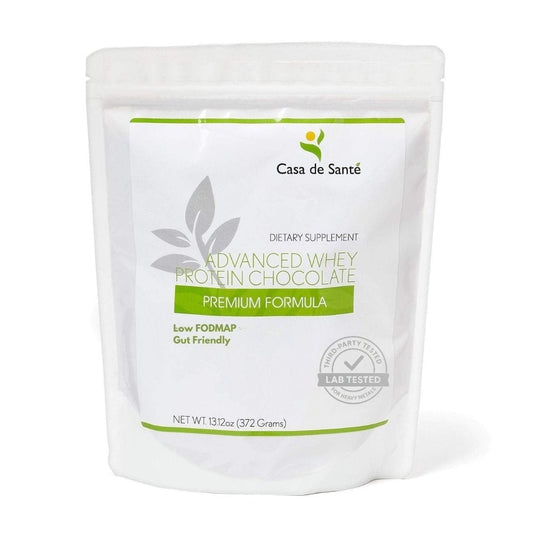
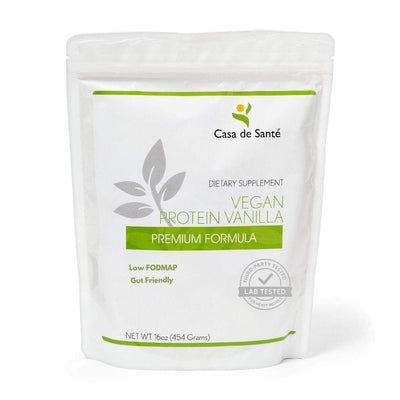
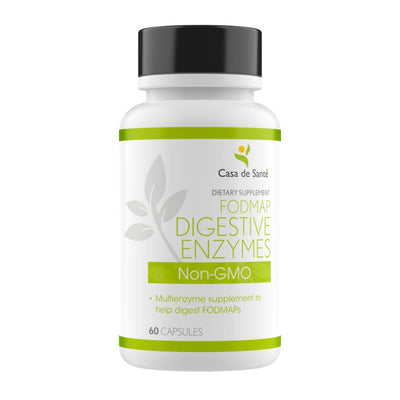
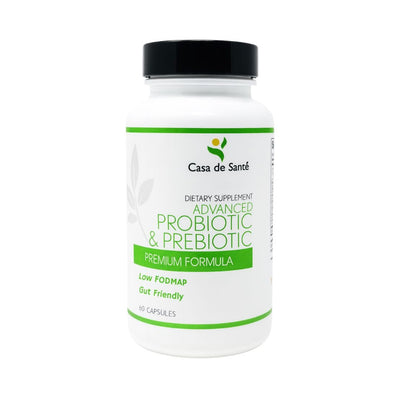
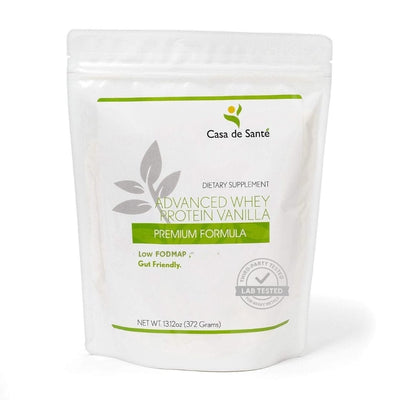
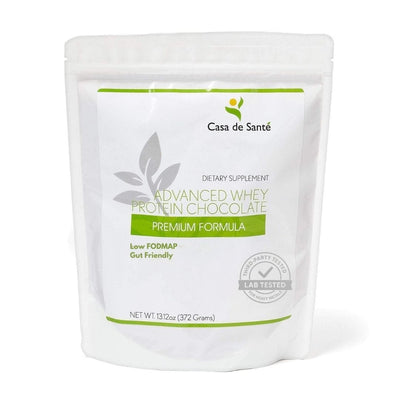
When appetite drops on GLP-1 therapy, getting enough protein becomes a real challenge, and it's the single most important macronutrient for preserving lean mass during weight loss. Casa de Sante's physician-formulated protein products are designed for gut tolerance and optimal absorption during metabolic therapy. See what fits your protocol at casadesante.com.
This article is for educational purposes only and is not medical advice. Always consult your healthcare provider before making changes to your treatment plan.
Ozempic Protein Shake FAQs
Why are protein shakes important when using Ozempic or other GLP-1 medications?
Protein shakes help preserve lean muscle during the rapid weight loss caused by Ozempic, support blood sugar control, and provide an easy way to meet protein needs despite low appetite or nausea.
What makes a protein shake 'Ozempic-friendly'?
An Ozempic-friendly protein shake contains 20–30 grams of high-quality protein per serving, is low in added sugar and carbs (under 10 grams), low in fat with a smooth texture, and avoids common GI irritants like sugar alcohols, excess fiber, lactose, and thickening agents.
How can I manage nausea or reflux when drinking protein shakes on Ozempic?
To reduce nausea or reflux, try diluting the shake to a half-serving, sip it slowly over 20 to 30 minutes, avoid high-fat or thick ingredients, and consume it mid-morning or mid-afternoon rather than on an empty stomach or before lying down.
What protein targets should I aim for while on Ozempic, especially during perimenopause or menopause?
Aim for roughly 60 to 100 grams of protein daily, with 1.2 to 2.0 grams per kilogram of body weight recommended in perimenopause or menopause to support muscle and bone health, distributed in tolerable doses like 20–30 grams per shake serving.
Are there particular ingredients I should avoid in protein shakes if I have IBS or sensitive digestion on GLP-1 therapy?
Yes, avoid sugar alcohol sweeteners (like maltitol or sorbitol), high-FODMAP fibers such as inulin or chicory root, complex gums and thickeners, and lactose if intolerant, as these can cause bloating, gas, or diarrhea.
When is the best time to consume protein shakes while taking Ozempic?
Protein shakes can be used pre- or post-workout to support recovery, as a half-shake mid-morning or mid-afternoon to manage early fullness, or at bedtime to boost protein intake, tailored to your appetite and tolerance patterns.