Ozempic Face Prevention: A Science-Backed Skincare Routine To Keep Skin Firm While Losing Weight (2026)

If you're on semaglutide or tirzepatide and your face suddenly looks a little "tired," you're not imagining it. Rapid weight loss can change how light hits your cheekbones, soften jawline definition, and make fine lines look more obvious, especially if you're also navigating perimenopause or menopause.
The good news: "Ozempic face" isn't a mysterious drug-specific skin disease. It's largely a predictable (and often preventable) mismatch between how fast volume changes and how quickly your skin can adapt. A smart routine focuses on four priorities: protecting your barrier, keeping skin hydrated, supporting collagen, and preventing UV-driven laxity. Below is a practical, science-backed skincare prevention routine you can start now, even if you're only a few weeks into GLP-1 therapy.
What “Ozempic Face” Is (And What It Isn’t)
"Ozempic face" is a popular, slightly alarmist term for facial volume loss and skin laxity (mild sagging), often paired with more visible lines and a less "plump" look during rapid weight reduction.
What it is:
Facial fat pad shrinkage plus slower skin rebound. Your face has natural "support structures" made of fat compartments, collagen, and elastin. When fat decreases quickly, the scaffolding under the skin changes faster than the skin can tighten.
An accelerated-aging look, not accelerated aging itself. Many people look a bit older when volume drops, even if their skin health is actually improving overall.
Often worsened by dehydration and irritation. If GLP-1 side effects reduce your intake, cause nausea, or shift your hydration/electrolytes, your skin can look more crepey or dull.
What it isn't:
Not a direct toxic side effect of GLP-1 medications on skin. The medication isn't "melting" your collagen. The primary driver is the rate and magnitude of weight loss.
Not unique to Ozempic. Similar changes happen with any fast weight loss, post-bariatric surgery, aggressive dieting, illness-related loss, or high-volume training cuts.
Why GLP-1 Weight Loss Can Change Facial Volume
GLP-1 receptor agonists work largely by reducing appetite and slowing gastric emptying (food moves from your stomach to your intestines more slowly). That can make it easier to sustain a calorie deficit. If the deficit is significant, fat loss can be rapid, and you don't get to choose where fat comes off first.
Many people lose fat from the midface (cheeks) and temples early. When those areas deflate, you may notice:
More prominent nasolabial folds (smile lines)
A softer jawline or early jowling appearance
Under-eye hollowing or shadowing
A "flattened" cheek look
The skin isn't necessarily "worse": it's adjusting to new architecture.
Who Is Most Likely To Notice It (Age, Menopause, Starting BMI, Rate Of Loss)
You're more likely to notice "Ozempic face" if one or more of these apply:
Age 35+ (and especially 45+). Collagen production naturally declines with age, and elastin fibers don't bounce back like they used to.
Perimenopause/menopause. Estrogen supports collagen content, skin thickness, and hydration. As estrogen declines, dryness and laxity tend to increase.
Higher starting BMI or larger total weight loss. The bigger the change, the more the face can change.
Fast loss (commonly cited threshold: consistently more than about 2 pounds per week). Faster loss gives skin less time to adapt.
A history of sun exposure, smoking, or chronic irritation from harsh acne products. These factors weaken collagen and compromise barrier function, making volume changes show up more dramatically.
None of this means you should panic or stop your medication. It means you should treat facial skin like a "tissue adapting to change" and support it early.
Set Your Prevention Timeline: When To Start And What To Expect
Prevention works best when it starts early, ideally when you start GLP-1 therapy, or the moment you notice your intake dropping. Think of this like training for a marathon: you don't wait for knee pain to buy good shoes.
The First 4–8 Weeks: Barrier First, Inflammation Down
In the first month or two, your biggest risks are dehydration, irritation, and "overcorrecting" with harsh actives because your skin suddenly looks different.
Your goals:
Keep the barrier intact (so water stays in and irritants stay out)
Reduce visible inflammation (redness, stinging, sensitivity)
Build consistent daily sunscreen habits
What you might notice:
A temporary dullness or dryness if nausea reduces protein/fat intake
Makeup sitting differently (often due to dehydration)
More obvious fine lines that improve once hydration and barrier support are consistent
Months 2–6: Collagen Support And Texture Improvements
This is the window where adding (or optimizing) collagen-supporting skincare makes sense.
Your goals:
Introduce a retinoid slowly (collagen signaling, texture, fine lines)
Use peptides and niacinamide to support repair and resilience
Keep antioxidants steady to reduce oxidative stress (one of the drivers of collagen breakdown)
What you might notice:
Smoother texture and brighter tone with consistent vitamin C and gentle exfoliation
Improved "snap" to the skin over time, though true tightening is gradual
If you're losing quickly, volume changes can still outpace improvements, this is where lifestyle factors start to matter more
Beyond 6 Months: Maintenance And Targeted Lifting Strategies
If your weight loss continues past six months, your routine should become boring (in a good way): consistent, non-irritating, and protective.
Your goals:
Maintain retinoid and sunscreen consistency
Adjust richness of moisturizers as your skin needs change
Consider targeted professional options if volume loss is the main driver (because skincare can't fully replace volume)
What you might notice:
Your face "settles" as weight loss slows or stabilizes
Small improvements in laxity with steady collagen support, but true volume restoration generally requires in-office options
The biggest win here is avoiding self-inflicted damage: irritation, over-exfoliation, and inconsistent sunscreen are the things that quietly make the situation worse.
AM Skincare Routine For Ozempic Face Prevention
Your morning routine is about protection and hydration. The goal is to leave the house with a calm barrier, plumped water content, and strong UV defense.
Gentle Cleanse Or Rinse: Don't Strip A Dehydrated Barrier
If your skin feels tight after cleansing, your cleanser is too harsh or you're cleansing too often.
Options that work well during GLP-1-related dryness:
Rinse with lukewarm water only if you're not oily in the morning
Use a gentle, non-foaming cleanser with barrier-supporting ingredients (like ceramides or glycerin)
Avoid:
Hot water
Strong foaming surfactants that leave your skin squeaky
Alcohol-heavy "clarifying" products unless a dermatologist specifically recommends them
Hydrate And Plump: Humectants + Barrier Lipids
Plumping is not just cosmetic. Hydrated skin functions better and looks firmer.
Look for a two-part approach:
Humectants to pull water into the skin: hyaluronic acid, glycerin, panthenol
Barrier lipids to seal and strengthen: ceramides, cholesterol, fatty acids, squalane
If you're sensitive, keep it simple: one hydrating serum plus one moisturizer you tolerate consistently.
Antioxidants For Elasticity: Vitamin C And Alternatives For Sensitive Skin
Antioxidants help neutralize free radicals from UV and pollution, which contribute to collagen breakdown.
If you tolerate it, vitamin C (often L-ascorbic acid) is the classic morning antioxidant. It can support brightness and improve the look of uneven tone over time.
If you don't tolerate classic vitamin C (stinging is common in reactive or dry skin), consider gentler alternatives such as:
Vitamin C derivatives (like magnesium ascorbyl phosphate)
Ferulic acid combinations
Niacinamide (also supports barrier and redness)
The "best" antioxidant is the one you'll use consistently without irritation.
Daily Sunscreen: The Non-Negotiable Anti-Sagging Step
If you do only one thing for "Ozempic face" prevention, make it daily broad-spectrum sunscreen.
UV exposure breaks down collagen and elastin. When you're already losing underlying volume, UV-driven collagen loss makes laxity show up faster.
Choose:
Broad-spectrum SPF 30 or higher
A formula you'll actually wear every day (tinted sunscreens can double as light coverage)
If you're acne-prone, look for non-comedogenic options, but avoid harsh drying acne "mattes" that leave you flaky.
And yes, apply to the neck and upper chest too, those areas often show weight-loss-related skin changes just as clearly.
PM Skincare Routine For Ozempic Face Prevention
Your evening routine is about repair and collagen signaling, while keeping irritation low. If your skin is stressed, less is more.
Double Cleanse Only If Needed (Makeup, Heavy SPF)
Double cleansing can be helpful, but it's not mandatory.
Do it if you wear:
Long-wear makeup
Heavy water-resistant sunscreen
Urban pollution exposure that leaves residue
Keep it gentle:
First cleanse: cleansing balm or oil to dissolve makeup/SPF
Second cleanse: mild cleanser to remove residue
If you don't wear makeup and your sunscreen isn't heavy, a single gentle cleanse is usually enough.
Retinoids For Collagen: How To Start Without Irritation
Retinoids are among the most evidence-supported topical ingredients for improving fine lines and supporting collagen over time. The problem is they're also one of the easiest ways to trigger peeling, stinging, and barrier damage, especially if your skin is drier during GLP-1 treatment.
A practical starting strategy:
Start low and slow (for example, a lower-strength retinoid a few nights per week)
Use the "moisturizer sandwich" method if you're sensitive: moisturizer, retinoid, moisturizer
Increase frequency only when your skin is calm (no burning, rawness, or persistent flaking)
If you're pregnant, trying to conceive, or breastfeeding, retinoids are typically avoided, confirm with your clinician.
Recovery Nights: Ceramides, Niacinamide, Peptides, And Occlusives
Not every night should be an "active night." Recovery nights are where you keep skin comfortable and resilient, which indirectly supports firmness.
A solid recovery routine might include:
Ceramides to reinforce the barrier
Niacinamide to support barrier function and reduce redness
Peptides (signal molecules) that can support a smoother look over time
An occlusive layer (like petrolatum or a thicker balm) on dry areas to prevent overnight water loss
If you're peeling from retinoids or feeling tight, prioritize recovery nights until your skin feels normal again. Consistency beats intensity here.
Weekly Add-Ons That Help Without Overdoing It
Weekly add-ons can improve glow and comfort, but they're also where many people accidentally tip into irritation. Your skin can't look "lifted" if it's inflamed.
Exfoliation For Glow (AHAs/PHAs) While Protecting The Barrier
Gentle exfoliation can improve radiance and texture, which helps counter the "drawn" look some people notice during weight loss.
General guardrails:
Choose gentler acids if you're sensitive: PHAs (polyhydroxy acids) are often better tolerated than stronger AHAs
Keep it to about once weekly at first
Don't exfoliate on the same night as a new retinoid until your skin is stable
If you're stinging, peeling, or raw, pause exfoliation entirely and rebuild your barrier.
Facial Massage And Lymphatic Drainage: What Helps, What's Hype
Facial massage and gua sha can temporarily reduce puffiness and improve the look of contour through fluid movement. They can also help you notice tension you hold in your jaw and forehead.
What to keep realistic:
You may see short-term improvements in puffiness and "snap" right after massage
You won't rebuild lost facial fat with massage, and you won't create surgical-level lift
How to do it safely:
Use a lubricant (oil or moisturizer) to avoid tugging
Keep pressure light, especially around the eyes
Avoid aggressive scraping that leaves redness, irritation is not "detox"
Redness And Sensitivity Management: Azelaic Acid And Calming Actives
If your skin is reactive (burning with products, persistent redness), the priority is calming inflammation.
Azelaic acid is a useful option for redness-prone or acne-prone skin and is often better tolerated than harsher acne actives. Other calming supports include:
Centella asiatica
Colloidal oatmeal
Allantoin
If you're tempted to "fix everything" with a 10-step routine, this is your reminder: fewer products, used consistently, usually perform better than a crowded routine that irritates your skin.
Lifestyle And Nutrition Moves That Protect Facial Skin During GLP-1 Use
Skincare matters, but "Ozempic face" is largely a body composition and tissue-adaptation story. Your habits determine whether your skin has the building blocks and recovery time it needs.
Protein Targets And Leucine-Rich Choices To Preserve Lean Mass
When appetite drops on GLP-1 therapy, protein is often the first thing to fall short, especially at breakfast.
Adequate protein supports:
Lean mass preservation (which affects overall "tightness" and body composition)
Wound healing and skin repair
Hair and nail integrity (another common concern during rapid weight loss)
Many evidence-informed protocols for active weight loss aim around 1.6 g/kg/day of protein (individual needs vary, and your clinician may recommend a different target). Leucine-rich proteins are especially helpful for muscle protein synthesis, think whey, eggs, fish, and poultry.
If you struggle to tolerate large meals, protein works better in smaller, steady doses.
Hydration, Electrolytes, And Managing GLP-1 GI Side Effects That Dry Skin
Constipation, nausea, and reduced thirst cues can quietly push you into under-hydration. Dehydrated skin looks less plump and shows lines more easily.
Supportive habits include:
Regular fluids across the day (not all at night)
Electrolytes when appropriate, especially if your intake is low or you're exercising
Addressing constipation and slow motility early so you're not avoiding food and fluids out of discomfort
If GI side effects are severe or persistent, it's worth discussing dose timing and side-effect management with your prescribing clinician.
Strength Training And Sleep: The "Skin-Firming" Basics People Skip
Strength training is a skin strategy, indirectly. Preserving muscle improves overall tissue support and reduces the "deflated" look that can happen when weight loss is mostly lean mass.
Sleep is where repair happens. Chronic short sleep increases stress hormones and impairs recovery, and it tends to worsen cravings and decision fatigue, two things that can make nutrition gaps more likely.
Aim for a routine you can sustain: a few weekly resistance sessions, daily steps, and a consistent sleep window.
Perimenopause/Menopause Considerations: Estrogen, Collagen, And Dryness
If you're in perimenopause or menopause, the same rate of weight loss can show up more dramatically in your face because estrogen decline affects:
Collagen content and skin thickness
Oil production (dryness)
Barrier resilience and sensitivity
This doesn't mean GLP-1 therapy is a bad choice. It means you may need more barrier support, more hydration, and a lower-irritation approach to actives. It also means it's reasonable to discuss the bigger hormone-metabolism picture with a clinician who routinely manages both.
Common Mistakes That Make Ozempic Face Worse
Most worsening isn't from one dramatic mistake. It's from a few small, repeated choices that compound over months.
Losing Weight Too Fast And Under-Eating Protein
Very rapid loss can outpace skin adaptation. And if protein intake is low, you're more likely to lose lean mass along with fat, which can amplify a "deflated" look.
If your loss feels unusually fast or you're struggling to eat enough to feel well, that's a clinician conversation, not a willpower problem.
Over-Exfoliating Or Stacking Too Many Actives
When you notice new lines, it's tempting to throw everything at your face: exfoliating acids, retinoids, vitamin C, scrubs, peels, masks.
Irritation can cause:
More visible texture
Redness and dryness that exaggerate wrinkles
Barrier disruption that makes actives sting, leading you to quit everything (and then restart aggressively again)
Pick one "project" at a time. Usually: sunscreen plus a retinoid you can tolerate.
Skipping Sunscreen Or Using Drying Acne Products
Skipping sunscreen is like doing strength training but never eating protein: you're working against yourself.
And if you're using strong acne products (high-percentage benzoyl peroxide, frequent alcohol-based toners, harsh exfoliating cleansers), you can end up with dehydrated, flaky skin that reads as older.
If acne is a real issue, a dermatologist can help you control it without sacrificing your barrier.
When Skincare Isn’t Enough: Professional Options To Discuss
Skincare can improve texture, brightness, hydration, and fine lines. But it cannot fully replace lost volume. If volume loss is the main driver of your "Ozempic face," professional options may be worth discussing, especially once your weight loss rate slows.
Derm-Directed Topicals And Prescription Retinoids
If over-the-counter retinoids aren't giving enough benefit (or you can't tolerate them), a dermatologist can guide:
Prescription retinoids with a tailored ramp-up plan
Barrier-support strategies to reduce irritation
Treatment for concurrent issues like rosacea, acne, or hyperpigmentation that can make facial aging look more pronounced
In-Office Treatments: Collagen Stimulation, Volume Restoration, Skin Tightening
In-office options generally fall into three buckets:
Collagen stimulation: microneedling, certain lasers, and other collagen-inducing procedures can improve texture and mild laxity over time.
Volume restoration: dermal fillers can replace volume in cheeks, temples, or under-eyes when hollowing is the key issue.
Skin tightening: radiofrequency or ultrasound-based devices may provide modest tightening for select candidates.
These are medical decisions with real trade-offs (cost, downtime, risks), so the goal is an individualized plan rather than chasing a trend.
How To Choose Timing During Active Weight Loss Vs After Stabilizing
Timing matters.
During rapid weight loss, it can be difficult to "hit a moving target" with volume restoration. Some people prefer to wait until their weight stabilizes so results are easier to calibrate.
That said, you don't have to wait to start:
Sunscreen
Barrier support
A gentle retinoid plan
And if facial changes are affecting how you feel day-to-day, it's reasonable to discuss options earlier, just with the understanding that you may need adjustments later as your body continues to change.
Your skin is part of your health. Feeling like yourself matters.
Conclusion
If you take one thing from this: "Ozempic face" is usually a speed-and-support problem, not a mysterious medication complication. When weight comes off quickly, your best prevention strategy is consistency, hydration, barrier care, collagen-supporting actives you can tolerate, and daily sunscreen. Pair that with adequate protein, strength training, and good sleep, and you give your skin the best chance to adapt gracefully.
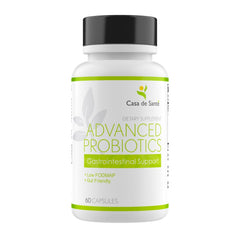
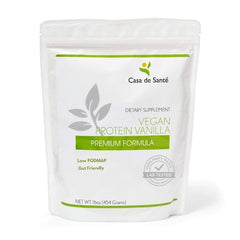
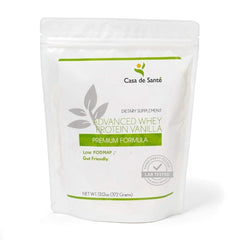
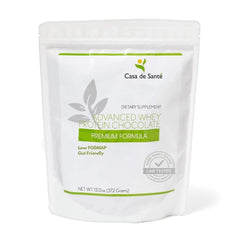
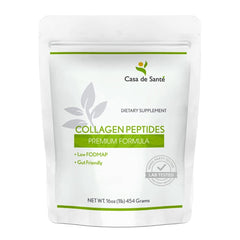
Rapid weight loss can outpace your skin's ability to adapt, and nutrient shortfalls make it worse. Supporting collagen synthesis, antioxidant status, and targeted topical care matters. Casa de Sante's physician-formulated skincare protocols and collagen supplements are designed specifically for the skin changes that come with GLP-1 therapy. Explore them at casadesante.com.
This article is for educational purposes only and is not medical advice. Always consult your healthcare provider before making changes to your treatment plan.
Ozempic Face Skincare Prevention FAQs
What causes 'Ozempic face' and how is it related to skincare?
Ozempic face results from rapid weight loss causing facial fat pad shrinkage and slower skin rebound, leading to volume loss and mild sagging. It's not a direct drug effect but a mismatch between fat loss rate and skin adaptation, which skincare can help manage by protecting and supporting the skin barrier.
How should I start a skincare routine to prevent 'Ozempic face' when beginning GLP-1 therapy?
Begin prevention early with a gentle cleanser, hydrate with humectants like hyaluronic acid and barrier lipids such as ceramides, use antioxidants like vitamin C, and apply broad-spectrum SPF daily to protect collagen and prevent UV-related sagging, especially in the first 4–8 weeks.
What are the key ingredients to include in my PM skincare to support collagen and skin recovery?
In the evening, use a gentle double cleanse if needed, then apply retinoids slowly (around 0.25-0.5%, 3 times a week) to support collagen. On non-retinoid nights, prioritize ceramides, niacinamide, peptides, and occlusive moisturizers to repair the barrier and maintain hydration.
Can lifestyle and nutrition affect the appearance of 'Ozempic face'?
Yes. Adequate protein intake (about 1.6g/kg bodyweight, leucine-rich sources), proper hydration, electrolyte balance to counteract GLP-1 side effects, regular strength training, and sufficient sleep (7-9 hours) all support muscle preservation and skin health, helping prevent facial volume loss.
Why is daily sunscreen essential in preventing 'Ozempic face'?
Daily broad-spectrum SPF 30+ sunscreen protects skin collagen and elastin from UV damage, which accelerates laxity especially during rapid weight loss. Consistent sunscreen use helps reduce visible sagging and premature aging effects related to volume loss.
When should I consider professional treatments for facial volume loss caused by rapid weight loss?
If volume loss persists beyond six months despite consistent skincare, or significantly affects your appearance, discuss professional options like dermal fillers, microneedling, radiofrequency tightening, or prescription retinoids with a dermatologist. Timing is often best once weight stabilizes for optimal results.