Ozempic Dose Escalation Side Effects: What To Expect At Each Increase (And How To Feel Better) In 2026








If you felt "fine" on your starter dose of Ozempic and then suddenly got hit with nausea, reflux, or constipation after an increase, you're not imagining it. Most of the uncomfortable GI side effects people associate with semaglutide happen at the beginning of treatment and during dose escalation, not necessarily once you've been steady at a dose for a while.
In 2026, more people are using Ozempic (semaglutide) either for type 2 diabetes or off-label for weight management, and the same question keeps coming up: what's normal when your dose increases, and what's a sign you've escalated too fast?
Below, you'll learn why symptoms often spike during titration, what tends to happen at each step-up, how to make dose increases more tolerable without derailing progress, and when it's time to talk with your prescriber about holding or stepping back.
Why Side Effects Often Spike During Dose Escalation
Dose escalation (titration) is built into Ozempic prescribing for a reason: your body often needs time to adapt. The catch is that the very mechanism that makes semaglutide effective can also make your gut feel… temporarily unhappy.
Clinical trial data show gastrointestinal adverse reactions are common and dose-related: GI side effects were reported in about 30.8% of people at 1 mg and 34.0% at 2 mg, with many symptoms clustering around dose starts and increases. In other words, the "jump" matters.
How Semaglutide Changes Appetite, Motility, And Blood Sugar
Ozempic is a GLP-1 receptor agonist. In plain English, it mimics a naturally occurring gut hormone signal.
What that tends to do:
Appetite and cravings drop. Many people notice a quieter "food noise," smaller portions feeling sufficient, and less reward-driven snacking.
Gastric emptying slows (especially early on and around increases). That's delayed stomach emptying: food sits in your stomach longer before moving into your small intestine. This is one of the reasons you feel full faster, but it's also a reason nausea, fullness, burping, and reflux can show up.
Blood sugar patterns improve. Semaglutide increases glucose-dependent insulin secretion and reduces glucagon when glucose is elevated. That "glucose-dependent" part matters because it lowers blood sugar primarily when it's high, but low blood sugar can still happen in certain situations (more on that later).
Why Higher Doses Can Feel Like "Starting Over"
When you increase the dose, you're raising the strength of those signals. If your stomach and intestines were just beginning to adjust at 0.25 mg or 0.5 mg, a step-up can recreate the early-treatment feel: more pronounced fullness, more nausea, more constipation, or sometimes diarrhea.
Researchers have also pointed out that the speed and size of escalation is an underappreciated driver of side effects. Two people can be on the same medication and dose, but the one who escalates faster (or has underlying constipation, reflux, or IBS tendencies) may have a dramatically different experience.
A useful way to think about it: you're not "failing" a dose increase. Your GI tract may simply be telling you it needs more time to adapt.
The Standard Ozempic Titration Schedule (And Where Symptoms Commonly Hit)
Ozempic dosing is typically increased gradually to improve tolerability. The goal isn't to race to a higher dose. The goal is to find the lowest effective dose you can comfortably sustain, based on your clinical goals and your prescriber's plan.
Typical Step-Ups: 0.25 Mg To 0.5 Mg To 1 Mg To 2 Mg
A common titration pattern looks like this (your prescriber may adjust it):
0.25 mg weekly (starter dose) for about 4 weeks
0.5 mg weekly for at least 4 weeks
1 mg weekly if needed
2 mg weekly in some people, particularly for glycemic control in type 2 diabetes
Where symptoms commonly hit:
First 1–2 injections at a new dose: that's when nausea, appetite suppression, reflux, and fatigue often show up most strongly.
The 0.25 to 0.5 mg increase: many people feel a noticeable appetite shift and more "stomach sitting heavy" fullness.
The 0.5 to 1 mg increase: this is a common point for constipation to become more obvious (because intake drops further and motility slows).
The 1 to 2 mg increase: some people do fine, but dose-related GI complaints are reported slightly more often at 2 mg than 1 mg in trials.
Who May Need A Slower Titration (And Why)
You may need a slower titration (more time between increases, smaller step-ups, or holding a dose) if you have:
A history of reflux (GERD), IBS, or chronic constipation
A sensitive stomach with nausea or motion sickness tendencies
Low baseline food and fluid intake (you're already "barely eating")
A physically demanding job or training schedule where dehydration or low intake hits harder
Perimenopause/menopause-related sleep disruption and stress physiology that can amplify GI symptoms (more on this later)
Slower titration isn't a sign the medication "isn't working." It's often what keeps you on therapy long enough to get the benefits.
Most Common Side Effects After A Dose Increase
Side effects tend to be most noticeable after increases because the medication effect is stronger while your habits (portion size, hydration, fiber, protein) may not have adjusted yet.
In clinical trials, the most common adverse effects (reported in 5% or more of patients) include nausea, vomiting, diarrhea, abdominal pain, and constipation. Real-world analyses often report even higher rates of GI symptoms, partly because everyday life is messier than a clinical trial.
GI Effects: Nausea, Fullness, Reflux, Constipation, Diarrhea, Gas, Burping
Nausea and queasiness: often tied to slower gastric emptying and larger/fattier meals sitting in the stomach longer.
Early satiety and "food just sits there" fullness: you may feel uncomfortably full on portions that used to be normal.
Reflux/heartburn: pressure in the stomach can push symptoms upward, especially if you eat close to lying down.
Constipation: can happen because intake drops (less volume, less fiber, less water), and because motility slows.
Diarrhea: sometimes occurs when food choices change (more sugar alcohols, shakes, higher-fat "small meals"), or when the gut's rhythm is changing.
Gas and burping: often a combo of slower transit, fermentation from certain carbohydrates, and eating too quickly when you're trying to "get food in" even though low appetite.
Non-GI Effects: Fatigue, Headache, Dizziness, Appetite Suppression, Taste Changes
Fatigue: sometimes from lower calorie intake, dehydration, or disrupted sleep from nausea/reflux.
Headache: commonly dehydration-related, especially if you're eating less and unintentionally salting your food less.
Dizziness/lightheadedness: can reflect low intake, dehydration, or blood pressure changes in some people.
Stronger appetite suppression: you may suddenly forget meals. It sounds convenient until protein intake drops and you feel weak.
Taste changes or food aversions: some people develop a sudden "nope" response to certain foods, especially greasy or very sweet items.
What’s Normal Vs. A Sign The Dose Is Too High
You're looking for two things: intensity and trajectory.
Mild-to-moderate symptoms that peak and then improve are common. Symptoms that escalate, prevent hydration, or persist without improvement may mean the dose increase was too aggressive for your physiology right now.
Expected Timing: First 24–72 Hours Vs. Week 1–2 After An Increase
Many people notice a pattern like this:
First 24–72 hours after the injection: nausea, reduced appetite, reflux/fullness can be most noticeable here.
By days 4–7: symptoms often ease as you learn what portions and foods work.
Over week 1–2 at the new dose: your body tends to adapt, especially if you've adjusted meal size, fat content, hydration, and fiber strategy.
If you're still unable to meet basic hydration and protein needs by week 2, that's a practical sign your plan may need adjusting.
Red Flags: Severe Vomiting, Dehydration, Low Blood Sugar, Allergic Symptoms
Contact urgent care or your healthcare team promptly if you have red flags such as:
Severe or persistent vomiting (especially if you can't keep fluids down)
Signs of dehydration: very dark urine, minimal urination, dizziness on standing, rapid heartbeat, confusion
Low blood sugar symptoms (more common if you're also on insulin or sulfonylureas): shaking, sweating, confusion, weakness, vision changes
Severe abdominal pain (especially if it's persistent or radiates to the back)
Allergic symptoms: facial or throat swelling, breathing difficulty, widespread rash, or rapid heartbeat
One important nuance: diarrhea and abdominal pain are common reasons some people discontinue in studies. Don't "tough it out" in silence if you're miserable. There are usually workable options: a slower titration, symptom management, nutrition adjustments, or reassessing other meds that may be compounding the problem.
How To Reduce Dose-Escalation Side Effects Without Losing Progress
The goal is not to override the medication's effect. It's to work with it.
When people struggle during escalation, it's often because appetite falls faster than their routine adapts. The fix is usually boring but effective: smaller portions, smarter food choices, hydration/electrolytes, and a little strategy around injection day.
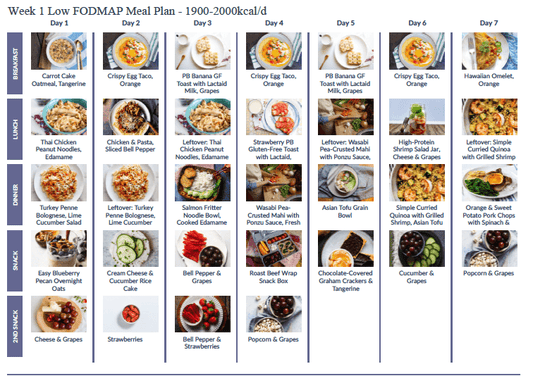
Food Strategy: Smaller Portions, Protein-First, Low-Fat, Lower-FODMAP When Sensitive
Think "smaller, simpler, steadier."
Smaller portions, eaten slower: the most reliable nausea reducer is often simply stopping earlier. On semaglutide, the line between "enough" and "too much" can be only a few bites.
Protein-first: prioritize protein early in the day and early in each meal. If you wait until dinner to "catch up," you're more likely to overeat volume and trigger nausea or reflux.
Lower-fat when symptoms flare: high-fat meals sit longer and can worsen nausea and reflux during escalation. You don't need zero fat, but this isn't the moment for fried foods or heavy creamy sauces.
Lower-FODMAP when you're sensitive: if gas, bloating, and urgency spike, temporarily reducing fermentable carbs (FODMAPs) can help. Common triggers include large servings of onions/garlic, certain dairy, wheat-heavy meals, and some sweeteners.
A practical template during a rough week:
Breakfast: Greek yogurt or a protein shake, plus a small fruit you tolerate
Lunch: simple protein (eggs, chicken, tofu) with cooked vegetables and a small carb
Dinner: smaller repeat of lunch: avoid "making up calories" late
If you're using meal replacements, choose options that are easier on sensitive stomachs and avoid a high load of sugar alcohols or fiber add-ins during a flare.
Hydration And Electrolytes: Preventing Constipation, Headaches, And Weakness
A lot of "Ozempic side effects" are dehydration plus low intake wearing a disguise.
Hydration basics: sip steadily rather than chugging (chugging can worsen nausea).
Electrolytes: if headaches, fatigue, and constipation show up together, consider whether you've unintentionally cut sodium along with calories.
Constipation prevention: adequate fluid plus a consistent fiber plan tends to work better than random "big fiber days." Some people do well with gentle soluble fiber, but if fiber worsens bloating, you may need to adjust type and dose.
If you have kidney disease, heart failure, or you're on medications that affect fluid balance, electrolyte strategies should be discussed with your clinician.
Practical Timing: Injection Day, Meal Timing, And Activity Adjustments
Small timing tweaks can matter more than you'd expect.
Plan injection day: many people prefer injecting before a day when they can keep meals simple and rest if needed.
Don't skip food all day: paradoxically, letting yourself get too hungry can worsen nausea and lead to the wrong kind of "grab food," often higher-fat or higher-sugar.
Keep movement gentle after meals: a short walk can support motility and reduce that heavy, stuck feeling.
Be cautious with intense training during the first couple days after an increase: if intake and hydration are down, hard workouts can amplify dizziness and fatigue.
If reflux is an issue, avoid lying down soon after eating and consider earlier dinners during escalation weeks.
When To Pause, Hold, Or Step Back A Dose With Your Prescriber
There's a common myth that you must keep escalating on schedule or you'll lose momentum. In clinical practice, the opposite is often true: tolerability drives consistency, and consistency drives results.
Any dose decision should be made with your prescriber, but it helps to know what typically prompts a pause or a slower plan.
Signs You're Not Tolerating The Escalation
Consider checking in with your prescriber if you're experiencing:
Inability to maintain hydration or keep down fluids
Repeated vomiting or persistent diarrhea
Constipation that becomes painful, prolonged, or doesn't respond to basic measures
Symptoms that do not improve after 1–2 weeks at the new dose
Rapid drop in intake where you can't meet protein needs and you feel weak or lightheaded
Quality-of-life issues: you're avoiding social meals, missing work, or anxious about the next injection
Often the adjustment is straightforward: holding the current dose longer, reducing the dose, or addressing constipation/reflux more directly.
Medication Interactions And Conditions That Raise Risk
Dose escalation can be harder if you're also dealing with:
Other medications that lower blood sugar (insulin or sulfonylureas), increasing hypoglycemia risk
Medications that cause constipation (certain iron supplements, some antidepressants, opioid pain meds)
A history of gallbladder disease, pancreatitis, or significant GERD
Very low calorie intake patterns that increase dehydration and nutrient gaps
Also, if you take oral medications that need predictable absorption, talk to your prescriber. Delayed gastric emptying can change the timing of how quickly some pills "hit," even if the total absorption is similar.
Dose Escalation In Perimenopause And Menopause: What Can Feel Different
If you're in perimenopause or menopause, dose escalation can feel different for reasons that have nothing to do with willpower.
Hormone shifts influence sleep, stress resilience, insulin sensitivity, body composition, and bowel regularity. When you layer GLP-1 therapy on top, your margin for error with hydration, protein, and constipation prevention can shrink.
Why Sleep, Stress, And Hormone Shifts Can Amplify GI Symptoms
Poor sleep changes appetite hormones, pain perception, and nausea sensitivity. Stress can also alter gut-brain signaling, making bloating or reflux feel more intense.
Meanwhile, fluctuating estrogen and progesterone can affect fluid balance and bowel patterns. If you already noticed constipation creeping in during perimenopause, a semaglutide dose increase may push it from "annoying" to "problematic" unless you proactively adjust hydration, fiber type, and movement.
Constipation, Gallbladder Risk, And Muscle Loss: What To Monitor
Constipation: pay attention early. If you're going less often, straining, or feeling incomplete emptying, address it before it becomes a weeks-long cycle.
Gallbladder risk: rapid weight loss itself increases gallstone risk, and GLP-1 therapy has been associated with gallbladder-related events in some data. If you develop right upper abdominal pain, fever, or persistent nausea, don't self-manage.
Muscle loss: during midlife, you're already more vulnerable to losing lean mass (sarcopenia risk). Appetite suppression can make protein and resistance training harder, but they're also more important than ever. If escalation makes you unable to eat protein, that's a signal to slow down and problem-solve, not just "push through."
If you're navigating GLP-1 therapy alongside perimenopause/menopause symptoms, it's worth working with a clinician who thinks in systems: medication, nutrition, sleep, strength training, and hormones, not just the dose.
Conclusion
Ozempic dose escalation side effects are common, especially nausea, fullness, reflux, and constipation, and they often flare right when your dose increases. For most people, symptoms are most noticeable in the first few days after a step-up and improve as your routine adapts. The most effective "tolerability tools" are also the least dramatic: smaller portions, protein-first meals, lower-fat choices during flare weeks, hydration with attention to electrolytes, and practical planning around injection day.
If symptoms are severe, persistent, or keep you from hydrating and functioning, you're not obligated to white-knuckle it. A slower titration or a temporary hold is often what makes long-term progress possible.
GI side effects don't have to be the price of admission for GLP-1 therapy. Casa de Sante offers physician-formulated gut support products built for the specific digestive challenges these medications create. Explore your options at casadesante.com.
This article is for educational purposes only and is not medical advice. Always consult your healthcare provider before making changes to your treatment plan.
Ozempic Dose Escalation Side Effects: Frequently Asked Questions
Why do side effects often increase when the Ozempic dose is escalated?
Side effects commonly spike during Ozempic dose escalation because the body needs time to adapt. Higher doses strengthen semaglutide’s effects on appetite suppression and gastric emptying, which can temporarily cause more nausea, fullness, reflux, and constipation.
What are the most common side effects experienced after increasing the Ozempic dose?
After a dose increase, common side effects include nausea, vomiting, diarrhea, abdominal pain, and constipation. These gastrointestinal symptoms typically peak within the first few days and tend to improve as the body adjusts to the new dose.
How can I manage Ozempic dose escalation side effects without losing treatment progress?
To reduce side effects, eat smaller, slower meals focusing on protein, choose lower-fat and lower-FODMAP foods during flares, stay hydrated with attention to electrolytes, and plan injection days when you can rest and keep meals simple. Adjusting your routine helps your body adapt while maintaining progress.
When should I consider pausing or slowing down my Ozempic dose increase?
Consider holding or slowing dose escalation if symptoms persist beyond 1–2 weeks, prevent hydration or protein intake, include severe constipation, vomiting, or diarrhea, or significantly worsen quality of life. Consulting your healthcare provider can help tailor a safer, more tolerable titration schedule.
What are the serious side effects or red flags during Ozempic dose escalation that require immediate medical attention?
Seek urgent care if you experience severe or persistent vomiting, dehydration signs (dark urine, dizziness), low blood sugar symptoms (shaking, confusion), severe abdominal pain, or allergic reactions like facial swelling, breathing difficulty, or rash. These require prompt evaluation to prevent complications.
How does Ozempic’s mechanism affect appetite and gastrointestinal function during dose escalation?
Ozempic mimics a gut hormone that reduces appetite and slows gastric emptying, causing food to remain longer in the stomach. This delays digestion, which lowers cravings but can trigger nausea, fullness, reflux, or constipation, especially when doses increase and the effects intensify.