Ozempic Constipation Relief: A 7-Day Low FODMAP Plan That Actually Works (2026)








If you started Ozempic (semaglutide) or another GLP-1 medication and suddenly your "normal" bathroom routine disappeared, you're not imagining it. Constipation is one of the most common, and most frustrating, side effects. Studies report constipation in roughly 3–13% of people using semaglutide overall, with rates up to about 24% in weight loss populations, where appetite suppression and rapid dietary changes are more pronounced.
The tricky part: the usual advice to "eat more fiber" can backfire when your appetite is low, your stomach feels full fast, and high-FODMAP foods (like onions, wheat, or certain sweeteners) leave you bloated and crampy. That's where a targeted approach helps.
This article walks you through a practical Ozempic constipation low FODMAP plan: why constipation happens on GLP-1s, when low FODMAP is actually the right tool, and a 7-day plan designed to improve regularity without piling on gas, nausea, or misery.
Why GLP-1 Medications Can Cause Constipation
Constipation on GLP-1 therapy usually isn't a single problem. It's a "stack" of changes, slower gut movement, less intake, less fluid, and sometimes electrolyte shifts, happening at the same time.
How Semaglutide Slows Gut Motility And Changes Appetite
GLP-1 receptor agonists (like semaglutide and tirzepatide) help with blood sugar and weight by:
- Slowing gastric emptying (how quickly food leaves your stomach)
- Reducing appetite and increasing feelings of fullness
That slowdown doesn't only affect your stomach. Many people experience slower overall GI transit (how quickly things move through your intestines). When transit slows, your colon has more time to absorb water from stool, making it drier, harder, and tougher to pass.
And when you're eating less, often dramatically less, your gut also has less "bulk" to move along.
Common Triggers: Low Intake, Dehydration, And Electrolyte Shifts
Most GLP-1 constipation patterns involve a few common triggers:
• Lower total food intake, especially less fiber because you've cut volume, carbs, or variety
• Dehydration (often unintentional). If you're not thirsty, you may simply forget to drink
• Electrolyte shifts, particularly if your diet becomes more restricted or you're eating very "clean" but not enough sodium/potassium-containing foods
• Dose increases. Higher doses correlate with higher constipation risk for some people
One subtle point: "I'm drinking a lot of water" isn't always the whole story. If your food intake drops, your electrolyte intake often drops with it. In that situation, plain water alone may not improve how you feel, and sometimes it worsens lightheadedness or fatigue, so bowel habits can suffer too.
When Constipation Signals Something More Serious
Most constipation on GLP-1s is manageable, but you should treat these as red flags to contact your clinician urgently:
• Severe or worsening abdominal pain
• Persistent vomiting or inability to keep fluids down
• No bowel movement plus significant abdominal distention (bloating that looks/feels like swelling)
• Blood in the stool or black, tarry stools
• Fever, fainting, or signs of dehydration (very dark urine, minimal urination)
Also, if you have known gastroparesis (delayed stomach emptying) or a history of bowel obstruction, any major change in symptoms on GLP-1 therapy deserves prompt medical attention.
Why A Low FODMAP Approach Helps (And When It Doesn’t)
Low FODMAP isn't a "constipation cure." It's a tool to reduce fermentation-related symptoms, bloating, gas, cramping, by temporarily reducing specific carbohydrates that are highly fermentable.
For many people on GLP-1s, constipation and bloating show up together. In that situation, you want a plan that improves stool frequency without adding more gas.
FODMAPs vs. Fiber: What To Reduce vs. What To Increase
FODMAPs are certain short-chain carbs that can pull water into the gut and get rapidly fermented by bacteria. Common examples include:
• Fructans (wheat, onion, garlic)
• Lactose (milk, soft cheeses, unless lactose-free)
• Sugar alcohols (sorbitol, mannitol, some "sugar-free" products)
• Excess fructose (certain fruits, large servings)
Fiber is different. Fiber is the "structure" your gut uses to form stools and support motility.
The practical takeaway for an Ozempic constipation low FODMAP plan:
• Reduce high-FODMAP triggers that cause bloating and cramping
• Keep or strategically increase low-FODMAP fiber sources so constipation doesn't worsen
The Goal: Comfortable Digestion Without Bloating Or Cramping
On GLP-1 therapy, comfort matters because discomfort changes what you eat. If you get bloated from a high-fiber, high-FODMAP meal, you'll naturally eat less the next day, which can worsen constipation.
The goal is not "perfect elimination." It's:
• Softer, easier-to-pass stools
• Less straining
• Less painful bloating
• A plan you can actually follow with low appetite
Who Should Not Do Low FODMAP Without Guidance
Low FODMAP can be overly restrictive. It's best done with clinician or dietitian guidance if:
• You suspect gastroparesis or you're experiencing severe delayed emptying symptoms (persistent early fullness, frequent vomiting, inability to tolerate solids)
• Reflux and early fullness are your dominant symptoms (restriction can worsen under-eating)
• Constipation is your only symptom (low FODMAP may remove helpful high-fiber foods like beans and some whole grains)
• You're already struggling to meet protein and calorie needs
If your appetite is already very low on semaglutide or tirzepatide, aggressive restriction can backfire by shrinking your diet further and increasing nutrient gaps. In those cases, a "low FODMAP light" approach, targeting only your biggest triggers, often makes more sense.
Your Ozempic Constipation Low FODMAP Framework
Think of this as your foundation. The meal plan in the next section works best when these basics are in place.
Step 1: Hydration + Sodium-Potassium Basics For GLP-1 Users
Constipation-friendly hydration is more than chasing a big water number.
What tends to help in real life:
• Spread fluids across the day (a large bolus at night often doesn't change stool consistency)
• Include sodium and potassium sources in food when intake is low (soups/broths, tolerated electrolyte beverages, potatoes, kiwi, spinach)
• Aim for pale yellow urine most of the day (a simple feedback loop)
If you're prone to nausea, cold fluids, carbonated beverages, and chugging can worsen symptoms. Small, steady sips often work better.
Step 2: Build A Constipation-Friendly Low FODMAP Plate
A simple plate structure keeps you from accidentally eating "too little of everything," which is common on GLP-1s.
Use this template most meals:
• Protein first: eggs, fish, chicken/turkey, tofu (firm), lactose-free Greek yogurt, or a protein shake
• Low-FODMAP carb: rice, potatoes, quinoa, gluten-free oats (portioned), sourdough spelt in tolerated portions
• Cooked low-FODMAP vegetables: zucchini, carrots, spinach, bell pepper, green beans
• Moderate fat: olive oil, small portions of nuts/seeds, avocado only in low-FODMAP amounts (fat can worsen nausea/reflux if you overdo it)
Cooking matters. Many people tolerate cooked vegetables far better than raw salads during GLP-1 dose escalation.
Step 3: Timing, Portion Size, And "Small Meals" Strategy
GLP-1 medications make large meals feel like a mistake. Smaller meals can reduce nausea and improve overall intake.
A practical rhythm:
• 3 small meals + 1–2 small snacks
• Stop at "comfortably satisfied," not "full"
• Try to eat earlier in the day if nighttime reflux or nausea is an issue
Constipation also responds to consistency. When meals are erratic, your gut's natural motility waves (especially after meals) become less predictable.
Step 4: The Two Fibers That Tend To Work Best (And How To Start Low)
Two fibers are often better tolerated when you're gas-prone:
- Psyllium husk (a bulking, gel-forming fiber)
- PHGG (partially hydrolyzed guar gum), which can be gentler for some people with bloating
The key is starting low and increasing slowly. Sudden fiber jumps can worsen bloating and cramping, especially when motility is already slowed.
A cautious approach you can discuss with your clinician:
• Start with a very small dose once daily
• Increase every few days as tolerated
• Pair fiber with adequate fluids
If you add fiber but don't increase fluids, you can make constipation worse. That's a common and completely understandable mistake.
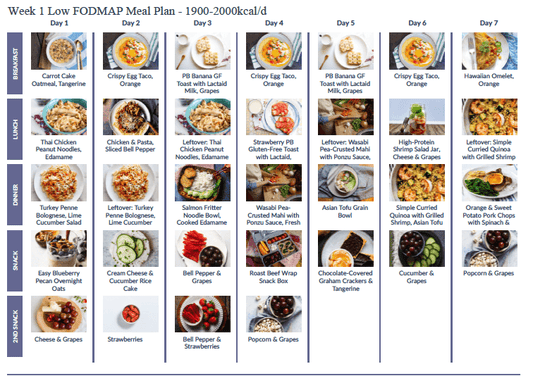
7-Day Low FODMAP Meal Plan For Ozempic Constipation
This plan is designed to be gentle for days when your appetite is low and your GI tract feels "slowed down." Portions matter on low FODMAP. If you overshoot serving sizes, you can accidentally turn a low-FODMAP day into a high-FODMAP day.
Important: this is educational and meant to be adapted. If you have diabetes, kidney disease, or other conditions that change your nutrition needs, personalize with your clinician.
Day 1–2: Reset With Gentle, Lower-Fiber Meals
Goal: reduce bloating triggers, keep meals simple, and avoid massive fiber swings.
Breakfast options:
• Lactose-free Greek yogurt with strawberries (portion-controlled) and a small sprinkle of chia (if tolerated)
• Scrambled eggs with spinach and a side of rice
Lunch options:
• Chicken and rice soup (use garlic-infused oil instead of garlic/onion)
• Tuna salad made with tolerated mayo or olive oil, served with cucumber slices and a baked potato
Dinner options:
• Salmon with mashed potatoes and cooked carrots
• Ground turkey with zucchini over quinoa
If you're very backed up, these first two days can feel "too low fiber." That's intentional, many people need symptom calm before adding the fiber tools.
Day 3–4: Add Soluble Fiber And Kiwi/Chia Options (As Tolerated)
Goal: introduce gentle, stool-softening strategies without a big gas spike.
Breakfast options:
• Oats (gluten-free, portioned) cooked with lactose-free milk: add chia slowly if you tolerate it
• Protein shake plus a kiwi (kiwi is low FODMAP in typical servings and is a common "natural laxative" food)
Lunch options:
• Quinoa bowl: chicken, spinach, bell pepper, olive oil, lemon
• Egg salad on low-FODMAP bread with a side of grapes
Dinner options:
• Shrimp with rice noodles and low-FODMAP vegetables (zucchini, carrots)
• Baked tofu with potatoes and green beans
If kiwi increases urgency or cramps, don't force it. The "best" food is the one your gut accepts.
Day 5–7: Increase Variety While Keeping Portions Low FODMAP
Goal: expand your menu so you don't end up stuck in a restrictive loop.
Breakfast options:
• Lactose-free yogurt with blueberries and a small portion of chia
• Omelet with spinach and bell pepper: side of potatoes
Lunch options:
• Turkey burger (no onion/garlic seasoning) with roasted potatoes and a side salad you tolerate (many do better with smaller salad portions)
• Rice bowl with salmon, cucumber, carrots, and a sesame-ginger sauce without garlic/onion
Dinner options:
• Chicken stir-fry using garlic-infused oil: serve over rice
• Lean steak (if tolerated) with quinoa and cooked zucchini
Low FODMAP Snack Swaps When Nausea Or Low Appetite Hits
These are "low-effort calories" that often go down easier:
• Rice cakes with peanut butter (portion-controlled)
• Lactose-free yogurt
• A small protein shake
• Grapes, oranges, or strawberries (portion-controlled)
• Hard-boiled eggs
• Sourdough spelt toast (small serving) with butter or olive oil
If nausea is prominent, warm, bland foods (soups, potatoes, rice) are often easier than raw, cold, or spicy meals.
Simple Add-Ons That Improve Regularity Without Worsening Gas
Once your meals are steady, add-ons can make a meaningful difference, especially if constipation is persistent but you're trying to avoid bloating.
Low FODMAP High-Fiber Foods With Typical Serving Ranges
Here are commonly tolerated options. Serving sizes matter: low FODMAP is often "dose-dependent."
Low-FODMAP fiber supports (typical servings):
• Kiwi: 1–2 fruits
• Chia seeds: start with 1 teaspoon: some tolerate up to 1 tablespoon
• Oats (gluten-free): portioned servings (larger portions may become higher FODMAP for some)
• Potatoes (white or sweet): a reliable, gentle carb base: add skins if tolerated
• Spinach, carrots, zucchini, bell pepper: cooked tends to be easier than raw
• Raspberries: small serving (higher fiber, can be a useful add-on)
If you're someone who relied on beans, lentils, and high-bran cereals before GLP-1 therapy, low FODMAP can feel limiting. That's why reintroduction matters once symptoms settle.
Coffee, Magnesium, And Other Evidence-Based Helpers (What To Ask Your Clinician)
Some evidence-informed options to discuss with your clinician include:
• Coffee: for many people, coffee stimulates the gastrocolic reflex (the urge to go after eating/drinking). If reflux or anxiety is an issue, it may not be worth it.
• Magnesium (certain forms): magnesium can draw water into the intestines and soften stool. It's not appropriate for everyone, especially with kidney disease or certain medications.
• Osmotic laxatives and stool softeners: sometimes needed short-term. Your clinician can guide safe choices and dosing.
Avoid stacking multiple new interventions at once. If you change three things and feel worse, you won't know what to remove.
Movement And Post-Meal Habits That Support Motility
You don't need intense workouts to support gut motility.
What often helps:
• A 10–20 minute walk after meals
• Gentle core and hip mobility (especially if you sit a lot)
• A consistent bathroom "appointment" 20–30 minutes after breakfast or another meal, when gut activity naturally increases
If you strain, you can worsen hemorrhoids and pelvic floor tension. If straining is a pattern, that's worth bringing up with your clinician (and sometimes a pelvic floor physical therapist).
How To Track Progress And Adjust Week To Week
The fastest way to get unstuck is to measure the right things, without obsessing.
The "3-Number Check": Frequency, Strain, And Stool Form
Once daily (or every other day), do a quick check-in:
- Frequency: how many bowel movements per week?
- Strain: none, mild, moderate, severe?
- Stool form: use the Bristol Stool Form Scale (Type 1 is hard pellets: Type 4 is smooth/soft: Type 7 is watery)
A common goal for constipation is moving toward Type 3–4 with minimal straining.
If You're Still Constipated: What To Change First
If you've done the plan for a week and you're still stuck, don't immediately slash more foods.
The usual order of operations:
• Check fluids and electrolytes first (many people under-estimate this)
• Add or adjust a gentle fiber strategy (slowly)
• Ensure meal rhythm is consistent enough to trigger motility waves
• Review medications and supplements with your clinician (iron, certain antacids, and some pain meds can worsen constipation)
Also consider whether your dose recently increased. Constipation often spikes during escalation and improves once your body adapts.
Reintroduction After Symptoms Improve (So You Don't Over-Restrict)
Low FODMAP is not meant to be forever.
Once bloating and cramping calm down and stools improve, a smart next step is reintroducing one FODMAP category at a time in small, structured amounts. This helps you identify your true triggers (for example: garlic vs. lactose vs. wheat) so your diet can broaden again.
That matters on GLP-1 therapy because dietary variety is a major protector against nutrient gaps, especially when portion sizes are smaller.
Constipation In Perimenopause/Menopause On GLP-1s
If you're in perimenopause or menopause, constipation on GLP-1 therapy can feel more intense, and sometimes more stubborn.
Hormone Shifts, Sleep, And Stress: Why Symptoms Can Spike
As estrogen fluctuates and then declines, many women notice shifts in:
• Sleep quality
• Stress resilience
• Body composition (more central fat gain)
• Gut function and sensitivity
Poor sleep and chronic stress can change bowel habits through the gut-brain axis (the two-way communication between your nervous system and your GI tract). Add a GLP-1 that slows motility and suppresses appetite, and it's easy to see why symptoms can spike.
If you're also managing hot flashes, mood changes, or new anxiety, it's not "all in your head." It's physiology, and it's worth a clinician visit if symptoms are affecting your quality of life.
Protein Goals Without Triggering Bloating Or Backing You Up
Protein is essential during weight loss to protect lean mass, but higher-protein patterns can worsen constipation if fiber and fluids don't keep up.
Practical ways to balance this:
• Use protein anchors that are easy to digest: eggs, fish, poultry, lactose-free yogurt, or a tolerated protein shake
• Pair protein with cooked low-FODMAP vegetables and a low-FODMAP carb (potatoes/rice/quinoa) to keep stools moving
• Avoid making dinner a giant protein-only meal. Large, dense meals are more likely to sit heavy on GLP-1s
If you're trying to hit protein targets but feel too full, splitting protein into smaller doses across the day often works better than forcing it at night.
Conclusion
Constipation on Ozempic and other GLP-1 medications is common, and it's usually fixable, but it rarely improves with one random hack. The pattern that works best is boring in the best way: steady fluids plus electrolytes, a low-FODMAP approach only as needed for bloating and cramping, and a slow, deliberate fiber strategy that doesn't overwhelm a slowed gut.
If you try the 7-day plan and you're improving, the next win is reintroducing foods strategically so you're not stuck in a restricted diet while your appetite is already reduced.
Digestive discomfort is one of the most common reasons people struggle with GLP-1 medications. Targeted nutrition support can make a real difference in tolerability. Casa de Sante's physician-formulated digestive enzymes, synbiotics, and motility support supplements are designed specifically for sensitive stomachs on GLP-1 therapy. See what's available at casadesante.com.
This article is for educational purposes only and is not medical advice. Always consult your healthcare provider before making changes to your treatment plan.
Ozempic Constipation and Low FODMAP Plan FAQs
Why does Ozempic (semaglutide) cause constipation?
Ozempic slows gastric emptying and overall gut motility while reducing appetite and food intake, leading to harder, drier stools. Lower fluid and fiber intake plus electrolyte changes further contribute to constipation during GLP-1 therapy.
How can a low FODMAP diet help with constipation caused by Ozempic?
A low FODMAP diet reduces fermentable carbs that cause bloating and gas, which often accompany constipation on Ozempic. By minimizing high-FODMAP triggers while maintaining low-FODMAP fiber, it improves stool comfort without worsening gas or cramping.
What are the key components of a constipation-friendly low FODMAP meal plan for Ozempic users?
Meals should focus on protein first (eggs, fish, poultry), low-FODMAP carbs (rice, potatoes, quinoa), cooked low-FODMAP vegetables (zucchini, carrots), and moderate fats. Adequate hydration with electrolytes and consistent small meals support regularity without bloating.
When should someone avoid a low FODMAP diet while experiencing constipation on Ozempic?
Avoid low FODMAP if constipation is the only symptom, if you have gastroparesis or severe delayed emptying, if reflux or early fullness dominates, or if you already struggle to meet protein and calorie needs. Aggressive restriction can worsen nutrition gaps and constipation.
What fiber strategies work best for managing Ozempic-induced constipation?
Start gradually with soluble fibers like partially hydrolyzed guar gum (PHGG) or bulking fibers like psyllium husk, increasing slowly while ensuring adequate fluid intake. Sudden fiber increases without enough fluids can worsen bloating and constipation.
Are there lifestyle habits that help improve bowel regularity on Ozempic?
Yes. Light physical activity like a 10–20 minute walk after meals, establishing a consistent bathroom routine 20–30 minutes post-meal, and regular meal timing help stimulate gut motility and improve constipation symptoms.