Ozempic Bloating Relief: The Supplement Strategy That Actually Makes Sense In 2026








If you're on Ozempic (semaglutide) and you feel like your stomach is constantly "full of air," you're not imagining it, and you're not alone. Bloating is one of the more common GLP-1 side effects, and it tends to show up in a predictable pattern: early weeks, after dose increases, and especially when appetite changes lead to new eating habits.
The frustrating part is that most "bloating supplement" advice online ignores what GLP-1 medications actually do to your gut. In 2026, the most helpful strategy is still simple and clinical: reduce fermentation, improve motility (movement of food and stool), and pick supplements that match your main symptom, not whatever is trending.
Below is a conservative, evidence-informed approach to Ozempic bloating relief, including what to try first, what to avoid, and how to run a short, structured trial so you can actually tell what's helping.
Why Ozempic (Semaglutide) Can Cause Bloating In The First Place
Bloating on Ozempic usually isn't a mystery diagnosis, it's physiology. Semaglutide changes how quickly your stomach empties and how your intestines move. That's part of why it works for appetite control and blood sugar regulation. But those same mechanisms can set you up for pressure, gas, and that uncomfortable "stretched" feeling.
Slower Gastric Emptying And Fermentation: What Changes On GLP-1s
Ozempic is a GLP-1 receptor agonist. One of its key effects is delayed gastric emptying (your stomach releases food into the small intestine more slowly). Studies and clinical experience suggest gastric emptying can slow dramatically, sometimes by as much as roughly 70%, especially early on and during dose escalation.
Here's why that matters for bloating:
Food sits longer in the stomach and upper small intestine. That increases the chance of feeling overly full after small portions.
Carbohydrates linger longer, giving gut bacteria more opportunity to ferment them. Fermentation produces gas (including hydrogen and methane), which can feel like bloating, pressure, and visible distension.
Motility signals can slow. GLP-1 activity influences the vagus nerve and the "pace-setter" patterns of the GI tract. Translation: your gut can become more sluggish overall.
Timing-wise, many people notice symptoms peak in the first 1–4 weeks and again around dose increases. For a lot of users, bloating improves over 4–8 weeks as your body adapts, but you shouldn't have to white-knuckle through it.
Constipation, Gas, And Food Choices That Compound The Problem
Constipation is the silent partner of GLP-1 bloating. If stool is moving slowly, gas has nowhere to go, and the colon can become distended. Even mild constipation can create major discomfort.
A few patterns make this worse on semaglutide:
Lower food volume. You're eating less overall, which often means less fiber and less "bulk" to stimulate bowel movements.
Lower fluid intake. Appetite reduction often comes with reduced thirst cues, and dehydration can harden stool.
Changed food choices. Many people lean on protein bars, shakes, sugar-free candy, and "diet" foods. These often include sugar alcohols (like erythritol, sorbitol, maltitol) that can cause gas and diarrhea, or alternating constipation and diarrhea, in sensitive guts.
High-fermentable carbs. Certain fibers and carbohydrates are simply more gas-producing, especially when motility slows.
When Bloating Signals Something More Serious
Most Ozempic bloating is functional (meaning it's related to slowed motility and fermentation), but you should know the red flags.
Contact your clinician urgently or seek medical care if you have:
Severe, persistent abdominal pain (especially if it's worsening)
Repeated vomiting or inability to keep fluids down
A swollen, rigid abdomen with no gas or stool passing (possible obstruction)
Fever, fainting, or signs of dehydration
Right upper abdominal pain, especially after fatty meals, sometimes radiating to the back or shoulder (possible gallbladder issue)
Symptoms that feel like gastroparesis (significant early satiety, nausea, vomiting of undigested food)
GLP-1 medications can be associated with gallbladder disease in some users, and severe motility slowing can rarely become clinically significant. When in doubt, don't troubleshoot severe symptoms with supplements at home.
Before You Add A Supplement: The 5 Quick Fixes That Improve Bloating Fast
If you're searching for an "Ozempic bloating supplement," it's worth doing a quick reset first. These changes are low-risk and often work within days because they address the mechanics behind GLP-1 bloating.
Adjust Dose Timing, Meal Size, And Eating Speed
A few practical adjustments can reduce how "backed up" your stomach feels:
Smaller meals, more often. Large meals sit longer on semaglutide. If you're bloated, think "mini-meals," not one big salad or a heavy dinner.
Slow down your eating. Faster eating increases swallowed air and overwhelms a slower-emptying stomach.
Separate dense foods. A protein-heavy meal plus a high-fiber side (for example: steak plus beans plus a big cruciferous salad) can be a perfect storm for bloating on GLP-1s.
Be consistent around injection day. Many people feel more GI symptoms in the 24–72 hours after dosing. Planning simpler, lower-fermentable meals during that window can noticeably reduce bloating.
Hydration, Electrolytes, And Daily Movement For Motility
Motility needs fluid and movement. Two realities of GLP-1 therapy: you may drink less, and you may move less if you're fatigued.
Helpful basics:
Water: aim for steady intake across the day rather than chugging at night.
Electrolytes: if you're drinking more but still constipated or lightheaded, electrolytes can help with fluid balance and bowel regularity.
Walk after meals: a 10–15 minute walk after eating can reduce post-meal fullness and help gas move through.
A note that surprises people: "core workouts" don't beat constipation. Regular low-intensity movement usually helps more than an occasional hard workout.
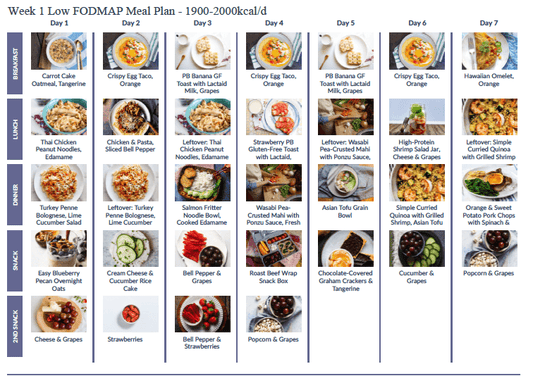
A Low-FODMAP-Inspired Approach For GLP-1 Users (Without Over-Restricting)
You don't need a strict low FODMAP diet to reduce Ozempic bloating. But using a low-FODMAP-inspired filter for 1–2 weeks can lower fermentation while your gut adjusts.
Try temporarily reducing the biggest offenders:
Sugar alcohols (common in sugar-free candy, "keto" desserts, many protein bars)
Large servings of onions, garlic, cauliflower, broccoli, beans, lentils
Wheat-heavy meals (especially combined with other fermentables)
Apples, pears, watermelon (some people do fine with berries and citrus)
Then rebuild intelligently:
Keep protein simple: eggs, poultry, fish, lactose-free Greek yogurt if tolerated
Choose gentler carbs: rice, oats, potatoes
Use low-FODMAP veggies more often: zucchini, carrots, spinach, bell pepper
Portion matters as much as the food. On GLP-1s, even "healthy" high-fiber foods can backfire when your stomach empties slowly.
If you already have IBS or a sensitive gut, this is where structured support (like personalized meal plans) can be more useful than guessing.
The Best Supplements For Ozempic Bloating (What To Try First)
The best Ozempic bloating supplement depends on your dominant pattern:
Constipation-driven bloating (you feel backed up)
Fermentation-driven bloating (gas after carbs, sulfur-y burps, noisy gut)
Cramping/spasm-driven bloating (painful bloating that eases after passing gas)
Below are the supplements that make the most sense to trial first, in a logical order.
Soluble Fiber For Constipation-Driven Bloating: What Works And What Backfires
Soluble fiber can help constipation by holding water in stool and improving stool form. It's often a good first-line option when bloating is coming from sluggish bowels.
What tends to work better on GLP-1s:
Psyllium husk: commonly effective, but it must be introduced slowly and taken with enough water.
Partially hydrolyzed guar gum (PHGG): often gentler for some IBS-prone people.
What commonly backfires early in GLP-1 therapy:
Large doses of any fiber too quickly. If motility is slow and you add a lot of fermentable substrate, gas can spike.
Mostly insoluble fibers (like wheat bran) can worsen discomfort for some people.
Practical approach: start low, increase slowly every few days, and only if you're also improving hydration. If you add fiber without water, you can make constipation worse.
Magnesium For Motility: Picking The Right Form And Dose
Magnesium is a classic constipation tool because certain forms draw water into the intestines and can stimulate bowel movements.
Common forms:
Magnesium citrate: often used for constipation support.
Magnesium oxide: can be effective for bowel regularity in some people, though absorption varies.
Magnesium glycinate: usually better tolerated for sleep/anxiety, but often less effective for constipation.
Typical supplemental ranges people trial are often around 200–400 mg per day, starting low to avoid diarrhea. If you have kidney disease, magnesium supplementation can be risky, this is a "check first" category.
Also important: if you're constipated because you're not eating enough overall (very low food volume), magnesium can help, but it won't replace the need for adequate fluid, electrolytes, and some dietary bulk.
Digestive Enzymes For Post-Meal Fullness And Gas: Who Benefits Most
Digestive enzymes can be useful when your main complaint is post-meal heaviness, upper abdominal pressure, burping, and gas after specific meals.
You're more likely to benefit if:
Bloating is worse after higher-fat or higher-protein meals.
You feel "food just sits there" even when your portions are modest.
You notice more symptoms when you eat mixed meals (protein plus carbs plus fiber).
Enzyme blends often include protease (protein), lipase (fat), and amylase (carbs). Some also include lactase for dairy intolerance.
One nuance on GLP-1s: because gastric emptying is slowed, enzymes don't "speed up" the stomach. They can, but, improve breakdown and reduce how much reaches the lower gut partially digested, meaning less fermentation and gas for some people.
Probiotics Vs. Spore-Based Probiotics: When Each Is Worth Trying
Probiotics are not one thing. Different strains do different jobs, and response is very individual, especially if your GI tract is moving more slowly on semaglutide.
A reasonable way to think about it:
Traditional probiotics (like Lactobacillus and Bifidobacterium species) can help some people with IBS-like symptoms, stool form, and gut barrier function. They can also cause temporary gas in the first week.
Spore-based probiotics (often Bacillus species) are designed to be more resilient through stomach acid and may be better tolerated by some people who bloat easily. They're not automatically "better," but they can be worth a trial if standard probiotics make you feel gassier.
If constipation and methane-predominant gas is a major issue, probiotics can be tricky, some people improve, others worsen. That's why a short, structured trial (later in this text) matters.
Peppermint Oil, Ginger, And Carminatives: Symptom Relief For Gas And Cramping
If your bloating is paired with cramping or that "trapped gas" feeling, symptom-relief options can help while you work on motility.
Peppermint oil (especially enteric-coated) has evidence for reducing intestinal spasm in IBS. It can reduce pain and bloating sensations for some people.
Ginger can help nausea and may support gastric comfort, which is useful if bloating overlaps with queasiness after meals.
Carminative herbs (like fennel) are traditionally used for gas. Evidence is mixed, but some people find them helpful.
Caution: peppermint can worsen reflux (GERD) in some people by relaxing the lower esophageal sphincter. If GLP-1 therapy already gives you heartburn, peppermint may not be your friend.
Supplements To Use Carefully On GLP-1s (And Common Mistakes)
A lot of "bloating hacks" are designed for people with normal motility. On GLP-1 therapy, your baseline motility is often slower, so the same product can have a different effect.
Too Much Fiber Too Soon, Sugar Alcohols, And "Gut Cleanse" Products
The most common mistake is adding a big dose of fiber (or multiple fiber products) immediately.
If you do that while gastric emptying is slowed, you can get:
More fermentation and gas
Worsening constipation (especially if fluid intake isn't high)
More nausea due to increased fullness
Sugar alcohols are another frequent trigger. Even if a label says "no sugar," it may include ingredients that produce gas and osmotic diarrhea (water pulled into the gut). If you're bloated on Ozempic, scan labels for erythritol, xylitol, sorbitol, maltitol, and inulin/chicory root.
"Gut cleanse" or stimulant laxative products are risky for routine use. They can cause cramping, dehydration, electrolyte issues, and rebound constipation. If you need a laxative regularly, that's a sign to talk with your clinician.
Activated Charcoal, Baking Soda, And Other Trendy Fixes With Downsides
Activated charcoal is popular online for gas, but it can bind to medications and nutrients. On GLP-1 therapy, many people are also taking thyroid medication, antidepressants, oral contraceptives, vitamins, and other prescriptions, charcoal can interfere with absorption.
Baking soda (sodium bicarbonate) can temporarily reduce stomach acidity, but it adds sodium load and can worsen reflux patterns for some people. It also doesn't address the core issue (slow motility and fermentation downstream).
If a "bloating remedy" promises immediate flattening, assume it's either masking symptoms or pushing water around, not fixing physiology.
Interactions And Contraindications: Thyroid, Gallbladder, GERD, And Kidney Concerns
A few common clinical considerations on GLP-1s:
Thyroid medication: fiber, calcium, iron, and sometimes magnesium can reduce absorption if taken too close to levothyroxine. Timing matters.
Gallbladder concerns: rapid weight loss and GLP-1 therapy can both increase gallstone risk in some people. New right upper abdominal pain, nausea after fatty meals, or persistent bloating with pain should be evaluated.
GERD: peppermint oil, high-fat supplements, and large evening doses of magnesium citrate can worsen reflux in some.
Kidney disease: magnesium supplementation can be unsafe if kidney function is impaired.
If you have persistent, escalating symptoms, the safest move is to involve your prescribing clinician rather than continually layering supplements.
A Simple 14-Day Trial Plan To Find Your Best Ozempic Bloating Supplement
If you change five things at once, you'll never know what worked. A short trial helps you get results without turning your kitchen into a supplement aisle.
Step 1: Track Triggers And Choose Your Primary Symptom Target
For 3–4 days, track two things:
Your primary symptom: is it constipation, gas after meals, or cramping?
Your pattern: does it spike after injection day, after certain foods, or late afternoon?
Also note:
Bowel movement frequency and stool consistency
Whether nausea or reflux is part of the picture
A simple note in your phone is enough. You're looking for patterns, not perfection.
Step 2: Add One Supplement At A Time With A Clear Dose Schedule
Pick one target and one supplement.
If constipation is the main driver:
Start with magnesium (low dose) or soluble fiber (low dose), not both.
If post-meal fullness/gas is dominant:
Trial a digestive enzyme with your most symptomatic meal.
If cramping is dominant:
Consider enteric-coated peppermint oil (if you don't have significant reflux), or ginger if nausea overlaps.
Keep the trial to 7 days unless you have side effects sooner. Don't introduce a second new supplement until you've had at least several days to observe the first.
Step 3: Evaluate Results And Decide Whether To Switch, Stack, Or Stop
At day 7, ask:
Did bloating intensity drop at least 30–50%?
Did bowel movements improve without causing diarrhea?
Did nausea, reflux, or cramping worsen?
Then choose one path:
Continue: if it's working and tolerable.
Switch: if there's no meaningful improvement.
Stack cautiously: only if you have partial improvement and the second supplement targets a different mechanism. Example: magnesium for constipation plus digestive enzymes for post-meal fullness.
Stop: if symptoms worsen, especially pain, vomiting, or significant reflux.
If you're still significantly bloated after 14 days of a structured approach, that's when you consider a clinician conversation about dose escalation pace, injection timing strategies, constipation management options, or evaluation for other GI conditions.
Special Considerations: Perimenopause, Menopause, And GLP-1 Bloating
If you're in perimenopause or menopause, Ozempic bloating can feel extra unpredictable. That's not in your head, sex hormones influence fluid balance, bile flow, and bowel motility.
Hormonal Shifts, Fluid Retention, And Constipation Patterns
Declining estrogen and progesterone can shift your baseline:
Progesterone tends to relax smooth muscle, which can slow bowel motility for some women.
Estrogen shifts can influence fluid retention and how "puffy" your abdomen feels even without extra gas.
Sleep disruption and stress (very common in perimenopause) can worsen gut sensitivity and constipation.
So you may notice a pattern where bloating worsens in certain weeks, even if your diet is stable. In this case, the goal is a boring, steady routine: hydration, daily walking, consistent protein, and gentle motility support rather than aggressive "cleanses."
Protein, Iron, And Calcium Supplements That Can Worsen GI Symptoms
This is a big one on GLP-1 therapy because reduced appetite raises the temptation to "supplement your way out" of low intake.
A few common offenders:
Iron supplements can cause constipation, nausea, and dark stools. If you need iron, dosing and formulation matter.
Calcium supplements (especially calcium carbonate) can worsen constipation.
Some protein powders and bars include sugar alcohols, inulin/chicory root, or large amounts of gums that can increase gas in sensitive users.
If you're trying to preserve lean mass while appetite is low, choose protein options designed for gut tolerance and keep servings moderate. Many people do better splitting protein into smaller doses rather than one large shake.
When To Loop In Your Clinician For Medication Or Hormone Adjustments
Bring your clinician in sooner rather than later if:
Bloating is severe enough that you're skipping meals, dehydrating, or unable to meet protein needs
You're stuck in a constipation cycle even though hydration, movement, and a reasonable supplement trial
Symptoms reliably flare at each dose escalation and don't improve after several weeks
You have new reflux, significant nausea/vomiting, or any red-flag pain
If you're also considering menopausal hormone therapy (or adjusting it), it's worth coordinating. Metabolic therapy and hormone management can complement each other, but the details matter, and your plan should be individualized.
Conclusion
Ozempic bloating relief is less about finding a magic pill and more about matching the tool to the mechanism. On GLP-1 therapy, the biggest drivers are slowed gastric emptying, fermentation of certain carbs, and constipation that traps gas. Start with the quick fixes that improve motility, then trial supplements one at a time, soluble fiber, magnesium, digestive enzymes, targeted probiotics, or peppermint/ginger, based on your main pattern.
GI side effects don't have to be the price of admission for GLP-1 therapy. Casa de Sante offers physician-formulated gut support products built for the specific digestive challenges these medications create. Explore your options at casadesante.com.
This article is for educational purposes only and is not medical advice. Always consult your healthcare provider before making changes to your treatment plan.
Ozempic Bloating Supplement: Frequently Asked Questions
Why does Ozempic cause bloating in many users?
Ozempic (semaglutide) slows gastric emptying by up to 70%, causing food to stay longer in the stomach where bacteria ferment carbohydrates, producing gas that leads to bloating and fullness.
What are effective quick fixes to reduce bloating while on Ozempic?
Try smaller, more frequent meals, eat slowly, stay hydrated, take electrolytes if needed, and walk daily to improve gut motility and reduce bloating symptoms.
Which supplements are recommended first to relieve Ozempic-related bloating?
Start with low-dose soluble fiber like psyllium for constipation-driven bloating, magnesium citrate or oxide (200–400 mg) for motility, or digestive enzymes for post-meal gas and fullness, depending on your main symptoms.
How do I safely test supplements to find what helps with my Ozempic bloating?
Use a 14-day structured trial by tracking your symptoms, adding one supplement at a time for 7 days, then evaluating if it reduced bloating by 30–50% before deciding to continue, switch, or stack supplements.
Can probiotics help reduce bloating caused by Ozempic?
Probiotics may help some users, but responses vary. Spore-based probiotics are often better tolerated on GLP-1 therapy than traditional strains, especially if standard probiotics increase gas.
When should I see a doctor about Ozempic-related bloating?
Seek medical care if you experience severe abdominal pain, persistent vomiting, swollen abdomen with no gas or stool passage, fever, or symptoms like gastroparesis or gallbladder issues to rule out serious complications.