Ozempic And Perimenopause Weight Gain: What Actually Helps (And What To Ask Your Doctor In 2026)








If you're in your 40s (or early 50s) and feel like your body changed the rules overnight, you're not imagining it. Perimenopause can make weight gain show up even though the same "healthy habits" that used to work, and it often concentrates around your midsection, comes with sleep disruption, and feels strangely resistant to dieting.
Ozempic (semaglutide) can be a powerful tool in this season, but it's not magic, and the way you support your nutrition, muscle, sleep, gut, and hormones matters more in perimenopause than most people are told. Here's what actually helps, how to interpret plateaus, and what to ask your clinician in 2026 so your plan is medically sound and sustainable.
Why Perimenopause Makes Weight Gain Different (Even With “Healthy Habits”)
Perimenopause isn't a switch that flips on your 50th birthday. It's a multi-year transition where your ovarian hormones become more variable before they trend lower overall. That variability is part of why your appetite, sleep, energy, and body composition can feel unpredictable.
What's frustrating is that many women do "the right things" and still gain weight. That's because perimenopause changes the physiology underneath the habits, how your body partitions calories (fat vs. lean mass), how it regulates hunger and satiety, and how it responds to stress and sleep loss.
The Hormone Shifts That Change Appetite, Fat Storage, And Sleep
In perimenopause, estrogen tends to decline over time, but not smoothly. Those swings can:
- Shift fat storage toward the abdomen
Lower estrogen is associated with more visceral fat (the deeper belly fat around organs). Even if the scale changes modestly, your waistline can change more.
- Increase appetite and cravings
Estrogen interacts with brain pathways that influence satiety and reward. When levels drop or fluctuate, some people notice more "food noise," stronger cravings, and less satisfaction after eating.
- Disrupt sleep, which then drives weight gain
Hot flashes, night sweats, mood changes, and early-morning awakenings are common in perimenopause. Poor sleep increases hunger hormones, reduces impulse control around food, and makes workouts feel harder. It's a triple hit.
If you've been told, "Just eat less," and it's backfired, that's also common. Aggressive calorie restriction in a time when sleep is fragile and muscle loss risk rises can make your metabolism adapt downward, and make your body composition worse even if the scale moves.
Stress, Cortisol, And The Midsection: The Underestimated Driver
Perimenopause often overlaps with a high-stress decade: career strain, parenting, caregiving, or all of the above. Chronic stress raises cortisol, and cortisol doesn't just affect mood, it affects metabolic behavior.
Higher cortisol can:
• Increase appetite (especially for high-reward foods)
• Worsen insulin resistance (your cells become less responsive to insulin)
• Promote central fat storage
• Fragment sleep, which further worsens appetite regulation
When you see midsection weight gain in perimenopause, it's rarely "lack of willpower." It's usually a tight loop of hormones, stress physiology, sleep disruption, and muscle loss risk, plus an environment that makes ultra-processed food effortless.
That's the context in which Ozempic may help. But it helps best when it's paired with a plan built for perimenopause physiology, not a 2012 diet plan with a new prescription.
Where Ozempic Fits: What Semaglutide Can (And Can’t) Do In Perimenopause
Ozempic (semaglutide) is a GLP-1 receptor agonist. GLP-1 is a hormone your gut releases after you eat: it signals satiety to the brain, slows gastric emptying (how fast food leaves your stomach), and supports healthier blood sugar patterns.
In clinical studies of semaglutide for weight management, average weight loss often lands around 15 to 16 percent of body weight over roughly 12 to 15 months, though individual results vary based on dose, adherence, side effects, activity, protein intake, and baseline metabolic health.
How GLP-1s Affect Hunger, Cravings, And Metabolic Health
In real life, the most noticeable effects are usually:
• Less hunger and fewer cravings
You may think about food less and feel satisfied on smaller portions.
• Earlier fullness
Because gastric emptying slows, you feel full sooner, and if you push past it, nausea can show up.
• Better glucose control
Semaglutide improves insulin sensitivity and post-meal blood sugar spikes in many people, which can reduce energy crashes and "snack spirals."
What Ozempic doesn't do by itself:
• It doesn't automatically protect muscle.
If you lose weight quickly while under-eating protein and skipping strength training, you can lose lean mass along with fat. In perimenopause, that's a bigger deal because age-related muscle loss (sarcopenia) is already a risk.
• It doesn't fix sleep.
And if sleep is poor, your results often blunt.
• It doesn't diagnose why weight is rising.
If thyroid function, iron status, or medication side effects are in play, you may still struggle.
Common Plateaus In Perimenopause And How To Interpret Them
A plateau on Ozempic can mean several different things, and the interpretation matters.
- Your body has adapted to a lower calorie intake
As you lose weight, your energy needs drop. If your intake creeps up (even slightly) or activity drops, loss can slow.
- You're under-eating protein and losing muscle
If the scale stalls but your strength is declining and you look "softer," you may be losing lean tissue. That lowers metabolic rate and can make progress feel stuck.
- Constipation is masking fat loss
This is extremely common with GLP-1 therapy. If bowel movements slow, the scale can look unchanged for days.
- Your cycle fluctuations are driving water retention
Perimenopause can bring irregular cycles and stronger PMS-like fluid shifts. Waist measurements and trend lines over weeks matter more than any single weigh-in.
A useful mindset: plateaus aren't failures: they're data. Your job (with your clinician) is to figure out which kind you're dealing with.
Safety And Suitability: Who Should Be Cautious Or Avoid GLP-1s
GLP-1 medications are generally prescribed for people with BMI 30 or higher, or BMI 27 or higher with weight-related conditions (like prediabetes, type 2 diabetes, hypertension, sleep apnea, or dyslipidemia). They're not typically used just to "prevent" perimenopause weight gain.
You should discuss extra caution if you have:
• A personal or family history of medullary thyroid cancer or MEN2 (these are labeled contraindications)
• A history of pancreatitis (risk assessment is individualized)
• Significant gastrointestinal disease or severe reflux/gastroparesis symptoms
• A history of eating disorder, if appetite suppression could destabilize recovery
Bone density is also a 2026-level conversation worth having. Rapid weight loss itself can reduce bone density, and some research questions whether GLP-1 therapy may contribute indirectly via reduced mechanical loading or nutritional shortfalls. The practical takeaway is not "panic," but "plan": prioritize protein, resistance training, and micronutrients, and consider whether bone density screening makes sense for you.
If you're unsure whether you're a good candidate, that's exactly the right place for a clinician-guided conversation, especially if you're juggling perimenopause symptoms and metabolic risk factors.
Getting Better Results On Ozempic During Perimenopause: A Practical Plan
If Ozempic reduces appetite, the biggest risk in perimenopause is that your nutrition gets "too small" while your needs are actually higher in a few key areas: protein, fiber tolerance, and recovery.
Think of your plan as three pillars: eat to preserve muscle, train to keep muscle, and recover to make the biology cooperate.
Nutrition Priorities: Protein Targets, Fiber, And Blood-Sugar-Friendly Meals
Protein is the center of the plate in perimenopause, especially on GLP-1 therapy.
Practical protein targets (discuss with your clinician): many adults do well around 25 to 40 grams per meal, aiming for a daily total that supports lean mass. If you can only manage smaller meals, distributing protein across more eating moments can be easier than forcing one large dinner that triggers nausea.
A simple structure that's GLP-1 friendly:
• Start with protein first (because fullness hits fast)
• Add colorful produce next
• Then add a small portion of slow carbs or healthy fats as tolerated
For blood-sugar-friendly meals, favor:
• Lean proteins, eggs, Greek yogurt (if tolerated), tofu/tempeh
• Non-starchy vegetables and berries
• Beans and whole grains in portions you tolerate (and adjusted if GI symptoms flare)
• Fats in modest amounts if nausea is an issue (very high-fat meals can worsen reflux and nausea)
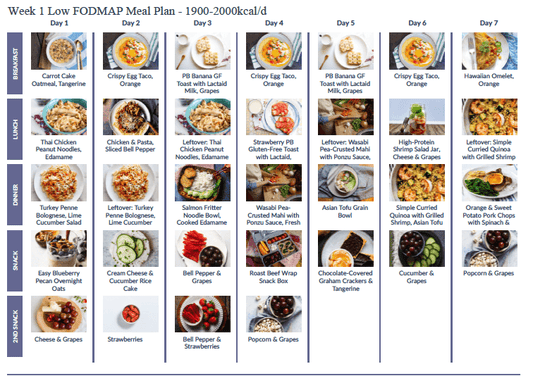
Fiber matters, but the "more is always better" approach can backfire on GLP-1s. Your goal is regularity without bloating. If you're prone to IBS symptoms, a low FODMAP approach (temporarily reducing fermentable carbohydrates that cause gas and bloating) can be a smart way to keep vegetables in your diet without feeling miserable.
Strength Training For Menopause Muscle: The "Non-Negotiable" Lever
If you only pick one lifestyle lever to pair with Ozempic in perimenopause, pick strength training.
Here's why it's non-negotiable:
• It preserves lean mass during weight loss
• It supports insulin sensitivity
• It improves posture and joint stability as body composition changes
• It's protective for bone health
You don't need a complicated program. What you need is consistency and progressive overload (gradually increasing challenge).
A realistic template many people can sustain:
• 2 to 4 strength sessions per week
• Focus on major movement patterns: squat or sit-to-stand, hinge (deadlift pattern), push, pull, carry
• Keep sessions 30 to 45 minutes if time is tight
If you're new or dealing with joint pain, a qualified trainer or physical therapist can help you find safe modifications. The goal isn't to punish yourself: it's to tell your body, "Keep this muscle."
Sleep And Recovery: The Fastest Way To Fix A Stall
Sleep is often the hidden reason Ozempic "stops working." When sleep is short or fragmented:
• Hunger and cravings rise
• Your stress response is higher
• Training feels harder, so activity drops
• Inflammation and water retention can increase
If you're waking at 3 a.m. with a racing mind, or night sweats are constant, treat that as a medical issue, not a personal failure. In 2026, it's reasonable to discuss perimenopause symptom management (including hormone therapy for appropriate candidates) alongside weight management.
Practical recovery strategies that tend to help:
• Keep caffeine earlier in the day (and don't "chase fatigue" with more)
• Prioritize a protein-forward breakfast if mornings are your best appetite window
• Gentle evening walks after dinner to support glucose and digestion
• A consistent wind-down routine that's actually doable (even 15 minutes)
If sleep is poor because nausea or reflux is waking you, that's a GI side effect issue, and it's fixable more often than people think.
GI Side Effects Can Derail Weight Loss—How To Prevent And Manage Them
GI side effects are one of the main reasons people quit GLP-1 therapy or can't reach an effective dose. And in perimenopause, when you're already sleep-deprived or stressed, persistent nausea or constipation can become the tipping point.
The goal isn't to "tough it out." The goal is to make the medication tolerable enough that you can keep eating in a way that protects muscle, micronutrients, and quality of life.
Constipation, Nausea, Reflux, And Bloating: Why They Happen On GLP-1s
Semaglutide slows gastric emptying and can slow overall gut motility (how quickly the intestines move). That's a big part of how it reduces appetite, but it's also why side effects happen.
Common patterns:
• Nausea when you eat too fast, eat too much, or eat very fatty meals
• Reflux when food sits in the stomach longer
• Constipation from slower motility plus lower overall food and fluid intake
• Bloating from fermentation (especially if you suddenly increase fiber or eat high-FODMAP foods)
If you're getting these symptoms, it doesn't mean you're "doing it wrong." It usually means your gut needs a more careful pacing strategy.
Gut-Friendly Eating: Low-FODMAP Adjustments Without Under-Eating
One of the biggest mistakes on Ozempic is accidentally under-eating, then wondering why you're fatigued, losing hair, or stalling.
A gut-friendly approach is often about substitutions, not restriction:
• Choose lower-FODMAP vegetables when symptoms flare (think zucchini, carrots, spinach, bell peppers) rather than raw crucifers in large portions
• Use cooked vegetables more than raw (they're often easier to tolerate)
• Consider lactose-free dairy or whey isolate if lactose triggers bloating
• Keep portions smaller and eat more slowly
If nausea is active:
• Prioritize "soft protein" options: yogurt, cottage cheese (if tolerated), eggs, protein smoothies
• Keep meals simple: protein + one carb + one produce item
• Avoid lying down after eating if reflux is an issue
Hydration, Electrolytes, And Fiber Strategy That Won't Backfire
Constipation on GLP-1 therapy is often a hydration problem plus a motility problem.
General principles to discuss with your clinician:
• Increase fluids gradually, especially if your intake dropped with appetite
• Use electrolytes if you're not retaining fluids well or you're getting headaches/lightheadedness
• Increase fiber slowly (days to weeks), not overnight
A practical fiber strategy that tends to be better tolerated:
• Start with food-based fiber you tolerate (berries, kiwi, oats, chia, cooked vegetables)
• Add supplemental fiber only if needed, and titrate slowly
• If adding fiber makes bloating worse, it may be the wrong type, the wrong dose, or the wrong timing
If constipation is severe, persistent, or accompanied by vomiting, abdominal pain, or inability to keep fluids down, you need prompt medical guidance.
Digestive discomfort is one of the most common reasons people struggle with GLP-1 medications. Targeted nutrition support can make a real difference in tolerability. Casa de Sante's physician-formulated digestive enzymes, synbiotics, and motility support supplements are designed specifically for sensitive stomachs on GLP-1 therapy. See what's available at casadesante.com.
This article is for educational purposes only and is not medical advice. Always consult your healthcare provider before making changes to your treatment plan.
When Weight Gain Or Stalling Signals Something Else
Sometimes weight gain in perimenopause isn't primarily "perimenopause." Or Ozempic is helping appetite, but something else is keeping the scale sticky.
This is where a clinician's work-up matters. You're not looking for an exotic diagnosis, you're looking for common, correctable issues.
Thyroid, Iron, B12, Vitamin D, And Insulin Resistance: What To Check
Talk with your clinician about whether it makes sense to check:
• Thyroid function (typically TSH and free T4, sometimes free T3 depending on context)
An underactive thyroid can contribute to fatigue, constipation, and weight gain.
• Iron status (ferritin, iron studies)
Low iron can look like "I'm exhausted and my workouts are terrible," and it can also contribute to hair shedding.
• Vitamin B12
B12 is important for energy, nerve function, and red blood cell production. People who eat less overall or avoid animal foods may become low.
• Vitamin D
Low vitamin D is common and may affect muscle function and mood.
• Markers of insulin resistance
Depending on your case: fasting glucose, A1c, fasting insulin, triglycerides, HDL, and sometimes an oral glucose tolerance test.
If you're losing weight but feel progressively weaker, colder, more constipated, or more fatigued, that's also a cue to look at nutrition sufficiency, not just labs.
Medications And Alcohol: Hidden Contributors To Scale Creep
A few common contributors to "mysterious" weight creep:
• Certain antidepressants, antipsychotics, and mood stabilizers
• Some sleep medications
• Steroids (even intermittent)
• Some hormonal contraceptives (individual responses vary)
• Alcohol, especially if it's become a nightly stress tool
Alcohol is worth calling out because it's easy to underestimate, and in perimenopause it can worsen sleep, hot flashes, reflux, and next-day cravings, exactly the cluster you're trying to improve.
Tracking The Right Metrics: Waist, Strength, Symptoms, And Labs
The scale is one data point, not the verdict.
In perimenopause, you'll get a clearer picture by tracking:
• Waist circumference (and how clothes fit)
• Strength performance (are you maintaining or progressing?)
• Energy, sleep quality, hot flashes, mood, and GI symptoms
• Labs over time, when clinically appropriate
If you're losing inches and gaining strength while the scale is slow, that's often progress you can trust. Conversely, if the scale drops fast but strength craters and hair sheds, your plan likely needs more protein, more resistance training, and possibly a dose or pacing adjustment with your clinician.
Ozempic Plus Hormone Support: How To Coordinate Care Safely
Perimenopause weight gain is often a combined problem: appetite regulation plus changing sex hormones plus sleep disruption. That's why some women do best when GLP-1 therapy and hormone support are coordinated rather than treated as separate lanes.
The key word is coordinated. You want one coherent plan, not competing prescriptions.
HRT Basics In Perimenopause And How It May Affect Weight And Appetite
Hormone replacement therapy (HRT) in perimenopause is primarily used to treat symptoms like hot flashes, night sweats, sleep disruption, mood changes, and vaginal dryness, and to support bone health in appropriate candidates.
HRT isn't a "weight loss drug," but it may influence the drivers of weight gain:
• Better sleep can improve appetite regulation and energy for training
• Improved vasomotor symptoms (hot flashes/night sweats) can reduce nighttime awakenings
• Some women notice changes in appetite or body composition when hormones are stabilized
There's also emerging discussion about whether combining GLP-1 therapy with appropriate hormone support can improve outcomes in some perimenopausal women, with some reports suggesting greater weight loss compared to GLP-1 therapy alone. The important point is that this is individualized and depends on your risks, symptoms, and goals.
PCOS, Prediabetes, And Metabolic Syndrome: When Combination Care Helps Most
Combination care tends to matter even more if you have:
• PCOS history (often overlaps with insulin resistance)
• Prediabetes or type 2 diabetes
• Metabolic syndrome (waist circumference, blood pressure, triglycerides, HDL, glucose)
In these cases, a plan that addresses insulin resistance, sleep, strength training, and symptom control can be more effective than chasing a higher Ozempic dose alone.
What To Discuss With Your Clinician: Dosing, Timing, And Side-Effect Tradeoffs
Bring specific questions to your visit. Useful ones include:
• What is our goal dose and timeline, and what symptoms would make us slow down titration?
• If nausea or constipation is limiting my intake, how do we adjust so I can still meet protein and micronutrient needs?
• What metrics will we use besides the scale (waist, strength, labs), and how often will we review them?
• Do I need screening for iron deficiency, B12, vitamin D, thyroid issues, or bone density based on my symptoms and history?
• If I'm having significant perimenopause symptoms (sleep disruption, hot flashes), am I a candidate for hormone therapy, and how would we monitor it alongside GLP-1 treatment?
If you're already on Ozempic and you feel like perimenopause symptoms are driving late-night eating, low energy, or persistent stalls, that's not a "you problem." It's a coordination problem, and it's solvable with the right clinician and the right priorities.
Conclusion
Perimenopause weight gain isn't just about calories. It's about hormonal variability, sleep disruption, stress physiology, and a higher risk of losing muscle during weight loss. Ozempic can meaningfully reduce appetite and improve metabolic health, but your best results usually come when you treat perimenopause like the clinical context it is.
In 2026, the smartest path is collaborative: use GLP-1 therapy when you're an appropriate candidate, protect lean mass with protein and strength training, take GI side effects seriously (so you can actually follow your plan), and check for common medical contributors when progress doesn't match your effort.
If you want to walk into your next appointment prepared, focus less on "Why am I stuck?" and more on "Which driver is dominant for me right now: sleep, muscle, gut tolerance, hormones, or labs?" That framing tends to lead to better care, and better outcomes.
Ozempic and Perimenopause Weight Gain: Frequently Asked Questions
How does perimenopause affect weight gain despite healthy habits?
Perimenopause causes hormonal shifts like estrogen decline that increase abdominal fat, appetite, and disrupt sleep, making weight gain common even with healthy habits, as metabolism and hunger signals change.
What role does Ozempic play in managing perimenopause weight gain?
Ozempic (semaglutide) helps reduce appetite, slows stomach emptying, and improves insulin sensitivity, supporting weight loss averaging 15-16% body weight over 12-15 months when combined with lifestyle support.
Why is strength training important when using Ozempic during perimenopause?
Strength training preserves lean muscle mass, which supports metabolism and insulin sensitivity, helping prevent muscle loss that can occur with rapid weight loss or inadequate protein intake during perimenopause.
What are common side effects of Ozempic and how can they be managed?
Nausea, constipation, reflux, and bloating occur due to slowed gastric emptying. Managing these involves gradual dose increases, low-FODMAP diets, adequate hydration, fiber adjustments, and eating smaller, slower meals.
Can hormone replacement therapy improve weight loss results with Ozempic in perimenopause?
Yes, combining hormone replacement therapy with Ozempic may enhance weight loss by improving sleep, reducing hot flashes, and stabilizing appetite and body composition, but should be personalized and closely monitored by a clinician.
What should I discuss with my healthcare provider before starting Ozempic for perimenopause weight gain?
Discuss your hormone symptoms, dosing plan, potential side effects, metrics beyond the scale like waist circumference and strength, and check for thyroid, vitamin D, B12, iron levels, and bone density risks to ensure safe, effective treatment.