Mounjaro + Low FODMAP… and Suddenly You Can’t Poop? Here’s the Regularity Fix That Actually Works








If Mounjaro (tirzepatide) helped your appetite, but wrecked your bathroom schedule, you're not imagining it. The good news: you can support regularity and stay low FODMAP with a few smart, low-drama tweaks.
Why Mounjaro Can Disrupt Bowel Regularity
Mounjaro is famous for changing hunger and blood sugar. Less talked about (until it happens to you): it can change your bowel habits, sometimes fast, sometimes annoyingly slow.
Clinically, constipation is reported in more than 1 in 10 users in some data sets, while diarrhea can affect roughly 16–20% of users. The pattern many people notice is that symptoms are worst early on or during dose increases, then often improve over a few weeks as your body adapts.
How Slower Gastric Emptying And Appetite Changes Affect Motility
Mounjaro acts on GLP-1 (and GIP) pathways that help you feel full sooner and stay full longer. One key mechanism is slower gastric emptying, food leaves your stomach more slowly.
That "slower flow" can ripple down your whole GI tract:
- Less volume in = less volume out. If you're eating dramatically less, you're producing less stool. That alone can make you feel "backed up," even when nothing is "wrong."
- Less fiber by accident. When your portions shrink, your fiber intake often drops, especially if you're avoiding beans, wheat, and certain fruits on a low FODMAP diet.
- Less fluid and electrolytes. Many people unconsciously drink less when they eat less. Add nausea or food aversions, and constipation gets easier to trigger.
In other words: Mounjaro doesn't just slow digestion: it can change your inputs (food, fiber, fluid) in a way that makes motility less predictable.
Constipation vs. Diarrhea: What "Irregular" Can Look Like On GLP-1s
"Irregular" on GLP-1s isn't one thing. It can swing either direction, even within the same month.
Constipation on Mounjaro can feel like:
- Going less often (every 3–5 days instead of daily)
- Hard, dry stools or straining
- A sense of incomplete emptying
- Bloating and cramping that improves after a bowel movement
Diarrhea on Mounjaro can look like:
- Looser stools and more urgency
- More frequent trips (sometimes clustered in the morning)
- Cramping, gurgling, or "hot" gut sensations
- Triggered flare-ups after higher-fat meals or when you're titrating your dose
A frustrating nuance: you can have constipation with overflow diarrhea (looser stool slipping around harder stool). If you're alternating between "nothing for days" and "suddenly urgent," keep that possibility on the table.
When Symptoms Suggest Something More Than A Side Effect
Most GI side effects are uncomfortable, but not dangerous, and improve as you stabilize. Still, you don't want to explain away symptoms that deserve medical attention.
Call your prescriber (or seek urgent care) if you have:
- Severe or worsening abdominal pain, especially if it's localized or doesn't ease
- Persistent vomiting (especially beyond several days, or inability to keep fluids down)
- Blood in stool or black/tarry stool
- A markedly distended abdomen, fever, or signs of dehydration
- No bowel movement for an extended period (especially if paired with pain, vomiting, or inability to pass gas)
Also keep an eye out for symptoms that could suggest gallbladder issues (upper-right abdominal pain, nausea after fatty meals, yellowing skin/eyes). If anything feels "not like your normal constipation," trust that instinct and get evaluated.
Low FODMAP Basics For GLP-1 Users
Low FODMAP is often used for IBS-style symptoms, gas, bloating, abdominal pain, and urgency. It isn't specifically designed for GLP-1 side effects, but it can be a very practical framework when your gut is more reactive during dose changes.
The trick is not to let low FODMAP become low everything. On Mounjaro, undereating can quietly become the main driver of constipation.
FODMAP Categories And Why They Trigger Gas, Bloating, And Urgency
FODMAPs are fermentable carbohydrates that can be poorly absorbed in the small intestine. When they reach the colon, they're fermented by gut bacteria, creating gas, and they can also pull water into the gut. That combo can cause:
- Bloating and distention
- Excess gas
- Cramping
- Urgency or diarrhea (especially in sensitive guts)
The main FODMAP categories you'll see in low FODMAP resources:
- Fructans (onion, garlic, wheat)
- GOS (many beans/legumes)
- Lactose (milk, soft cheeses if lactose-containing)
- Excess fructose (certain fruits, honey)
- Polyols (sorbitol, mannitol, some fruits and sugar alcohols)
If Mounjaro has made your stomach slower and your appetite smaller, high-FODMAP foods can feel even more intense, because there's less "buffer" and meals may sit longer.
How To Adjust Low FODMAP When Your Appetite Is Low
When you're eating less, the goal shifts from "perfect elimination" to "keep symptoms calm while maintaining enough intake to stay regular." Practical adjustments:
- Choose fiber that fits in small portions. A huge salad might be low FODMAP, but it can be unrealistic when you're full after six bites. Think kiwi, chia, oats (appropriate serving), or a measured supplement like psyllium/PHGG.
- Prioritize hydration like it's part of the meal. If your meal is half the size, you may need to be more deliberate with fluids.
- Watch fat bombs. Very high-fat meals can worsen nausea/diarrhea for some people on GLP-1s. You don't have to go low-fat, but aim for "moderate and consistent."
- Use "safe flavor." Garlic-infused oil, scallion greens, chives, citrus, and ginger can keep food appealing when appetite is fragile.
If you're using a structured plan, a low FODMAP approach that's designed for sensitive digestion (like the resources and meal planning tools at Casa de Sante) can be helpful, especially when you want ideas that don't rely on onion/garlic or giant portions.
Reintroduction Strategy To Avoid Unnecessary Restriction
Low FODMAP is not meant to be permanent. The elimination phase is a short-term tool, not a lifestyle badge.
A practical reintroduction strategy (especially on GLP-1s):
- Wait for a stable week. Try reintroductions when your Mounjaro dose and GI symptoms are relatively steady.
- Test one category at a time (like lactose or fructans), using a small, controlled portion.
- Keep the rest of the day boring. The more variables you add, the harder it is to interpret symptoms.
- Aim for "tolerated enough," not "perfect." Your goal is the least restrictive diet that keeps you feeling good.
Over-restricting can backfire: less variety often means less fiber diversity, which can worsen constipation and make your gut more sensitive over time.
Food-First Regularity Plan That Stays Low FODMAP
If you want predictable bowel movements on Mounjaro, the "food-first" approach usually works better than random laxative roulette. Think: fluids + fiber + a meal rhythm your gut can learn.
Hydration And Electrolytes: Targets And Timing When You're Eating Less
Constipation loves dehydration. And on GLP-1s, dehydration can sneak up because you're simply not eating (or sipping) as often.
Try this:
- Start the day with fluid. Before coffee, before emails, get 12–16 oz water in.
- Add electrolytes if intake is low. If you're barely eating, a low-sugar electrolyte mix can help you hold onto fluid better (especially if you're also getting headaches or lightheaded).
- Sip between meals. Big gulps can worsen nausea for some people: steady sipping is gentler.
You don't need to obsess over a perfect number, but if your urine is consistently dark or you're going long stretches without drinking, constipation is basically predictable.
Fiber Without FODMAP Overload: Best Low FODMAP Choices
On a low FODMAP diet, you can absolutely get enough fiber, you just need the right sources and portions.
Low FODMAP-friendly fiber options many people tolerate well:
- Kiwi (often a standout for regularity)
- Chia seeds (small servings: let them gel)
- Ground flaxseed (again, modest amounts)
- Oats (portion matters)
- Firm bananas (ripe bananas can be more triggering for some)
- Low FODMAP veggies like carrots, zucchini, spinach, bell peppers
Two important notes on GLP-1s:
- Increase fiber slowly. If you jump from low fiber to "all the fiber," you can get painful bloating.
- Fiber needs water. Adding fiber without adding fluid often worsens constipation.
Meal Patterning: Smaller Portions, More Often, For Predictable BMs
When your stomach empties slowly, huge meals can sit like a brick. Smaller meals are often easier on nausea and support a steadier gastrocolic reflex (the natural "move things along" response after eating).
A simple pattern:
- 3 small meals + 1–2 planned snacks
- Include some fiber and some fluid at multiple points in the day
- Keep timing relatively consistent, especially during dose escalations
If you're only eating once or twice a day because you're "not hungry," your gut can become sluggish and irregular. Your body may do better with a schedule than with hunger cues right now.
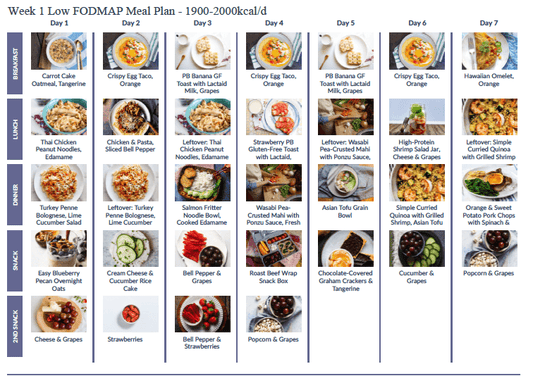
Practical Low FODMAP Meal And Snack Ideas For Regularity
A few options that are realistic when you're not very hungry:
- Breakfast: Overnight oats (small portion) with chia + lactose-free yogurt: add kiwi on top
- Snack: Rice cakes with peanut butter + a side of strawberries
- Lunch: Egg-and-spinach bowl with quinoa: drizzle garlic-infused olive oil
- Snack: Lactose-free kefir or yogurt (if tolerated) + blueberries
- Dinner: Salmon (or tofu) + roasted carrots and zucchini + a small baked potato
If you're also trying to hit protein goals, consider low FODMAP-friendly protein options that won't irritate your gut, Casa de Sante's low FODMAP protein powders and digestive support products are designed with sensitive stomachs in mind, which matters when Mounjaro already has your GI tract on a shorter fuse.
Supplements And Gentle Aids Compatible With Low FODMAP
If food and fluids aren't enough (or you need help while your body adjusts), supplements can be useful, when you choose them deliberately and titrate slowly.
Psyllium, Partially Hydrolyzed Guar Gum (PHGG), And Dose Titration
Two fibers often used for regularity that can fit a low FODMAP approach:
- Psyllium husk: Bulking fiber that can improve stool form. It can help both constipation and diarrhea when dosed correctly.
- PHGG (partially hydrolyzed guar gum): A gentler, more gradually fermentable fiber many people find easier to tolerate.
How to use either without making bloating worse:
- Start low (for example, half a serving)
- Hold that dose for 3–5 days
- Increase slowly if tolerated
- Pair with water, always
If you're very sensitive, PHGG is often the "less dramatic" place to start.
Magnesium Options, Pros/Cons, And When To Avoid Them
Magnesium can pull water into the intestines (depending on the form), which may soften stools.
Common forms you'll see:
- Magnesium citrate: More likely to loosen stool: can be effective but easier to overdo.
- Magnesium oxide: Also used for constipation: variable absorption.
- Magnesium glycinate: Often chosen for sleep/stress: usually less of a laxative.
When to be cautious:
- If you already have diarrhea, magnesium can worsen it.
- If you have kidney disease, don't self-prescribe magnesium, talk to your clinician.
Osmotic Laxatives, Stool Softeners, And Short-Term Rescue Options
Sometimes you need a short-term "reset," especially after a dose increase.
Options commonly used (follow your clinician's advice):
- Osmotic laxatives (like polyethylene glycol) can help draw water into stool.
- Stool softeners may help if stool is hard and dry.
These can be useful as temporary supports, but if you need rescue options repeatedly, it's a sign your baseline plan (fluid, fiber, meal timing, movement) needs adjusting, or your dose escalation needs to slow down.
Probiotics, Digestive Enzymes, And Peppermint: Who They Help (And Who They Don't)
These tools can be helpful, but they're not universal fixes.
- Probiotics: Some people notice improved stool consistency and less bloating: others feel worse. If you try one, pick a reputable product and give it 2–4 weeks, then keep it only if you clearly benefit.
- Digestive enzymes: Most useful when your symptoms are tied to specific foods (like lactose) rather than global motility slowing.
- Peppermint oil: Can help cramping for some people with IBS-like symptoms, but can worsen reflux, important if Mounjaro already increases nausea/heartburn for you.
If you want something designed specifically for sensitive digestion while using GLP-1s, a curated approach (supplements + meal planning) can save you from buying five random products that don't match your symptoms. That's the idea behind Casa de Sante's GLP-1-friendly digestive health tools and formulations.
Lifestyle Levers That Improve Motility On GLP-1s
Your gut is not just a food tube. Motility is heavily influenced by movement, stress physiology, and daily habits, especially when medications slow the system down.
Walking And Strength Training For Gut Motility And Glucose Support
If you want the simplest motility hack that doesn't require a supplement aisle, it's this: walk after you eat.
Try:
- 10–15 minutes after meals (even a slow walk counts)
- Add 2–3 days/week of strength training to support insulin sensitivity, lean mass, and overall metabolic health while on GLP-1 therapy
Movement helps stimulate gut contractions, and it can reduce that "stuck" feeling that sometimes shows up with slower gastric emptying.
Sleep, Stress, And The Gut-Brain Connection In IBS-Like Symptoms
On weeks when you sleep badly or you're stressed, your gut often notices first. That's not in your head, it's the gut-brain axis.
If your low FODMAP meals are consistent but symptoms aren't:
- Check your sleep window (are you getting enough total time?)
- Watch late-night eating (can worsen reflux/nausea)
- Build a quick downshift routine: 5 minutes of slow breathing, a short stretch, a warm shower, boring stuff that works
Stress doesn't "cause" everything, but it can turn mild constipation into painful constipation and mild urgency into full-blown urgency.
Toilet Posture And Timing: Simple Habits That Reduce Straining
Straining is common when constipation hits on Mounjaro, and it can create its own problems (hemorrhoids, pelvic floor issues).
Small changes that help:
- Use a footstool (knees slightly higher than hips)
- Don't force it. Give it a few minutes: if nothing happens, step away.
- Go when you first get the urge. Repeatedly ignoring the signal can make constipation harder to fix.
If you find you're always trying at night or always trying "whenever," pick a consistent time, often after breakfast, so your body learns a rhythm.
Special Considerations For Perimenopause And Menopause
If you're a woman in the 35–55 range, there's a good chance Mounjaro isn't the only variable. Perimenopause and menopause can change motility, pelvic floor function, and how you tolerate dietary shifts.
Hormone Shifts, Pelvic Floor Changes, And Constipation Risk
Hormonal changes can influence:
- Gut motility (some women notice more constipation around cycle changes or as cycles become irregular)
- Fluid balance and bloating
- Pelvic floor function, which can affect how effectively you empty
If you're suddenly constipated on a plan that "used to work," it may not be just the medication, it may be the timing of life.
Protein, Iron, Calcium, And Their Constipating Effects
Many GLP-1 users intentionally increase protein. During perimenopause/menopause, you may also be focusing on bone health and iron status. All great goals, until constipation shows up.
Common constipation contributors:
- Higher protein with lower fiber (classic combo)
- Iron supplements (notorious for slowing things down)
- Calcium supplements (can contribute for some people)
You don't necessarily need less of these, you often need a better support system: more fluid, the right fiber, and smart timing.
When To Discuss HRT, Thyroid, Or Iron Dosing With Your Clinician
If constipation is persistent and new for you, consider whether there's more going on:
- Thyroid changes (hypothyroidism can slow motility)
- Iron dose/formulation (some forms are better tolerated than others)
- HRT questions if you're having broader perimenopause/menopause symptoms and are exploring options
You're not being "high maintenance" by bringing this up. If you're changing body weight, appetite, and hormones at the same time, you deserve a plan that looks at the whole picture.
When To Call Your Prescriber And What To Track
One of the best ways to get taken seriously (and get helped faster) is to bring clean, specific information. "My stomach feels off" is real, but "Here's what changed and when" is actionable.
Red Flags: Severe Pain, Persistent Vomiting, Bleeding, Or No Bowel Movement
Contact your prescriber promptly if you have:
- Severe abdominal pain
- Persistent vomiting or inability to keep fluids down
- Bleeding (rectal bleeding, black/tarry stool)
- No bowel movement for a prolonged period, especially with pain, distention, vomiting, or inability to pass gas
If you feel acutely unwell, don't wait for a portal message, get urgent evaluation.
What To Log: Dose Changes, Fiber/Fluid, Stool Form, And Trigger Foods
For 1–2 weeks, track:
- Your Mounjaro dose and any recent titration
- Injection day and the 48–72 hours after
- Fluids (rough estimate) + electrolytes
- Fiber sources (food and supplements)
- Stool form using the Bristol Stool Scale (quick, specific)
- Trigger foods (especially high-fat meals, sugar alcohols, or large portions)
Patterns show up fast when you track them, even if your memory insists "it's random."
Medication Timing, Dose Escalation, And Managing Side Effects Proactively
If side effects spike every time you increase your dose, ask about:
- Slower titration or staying longer at a dose
- Practical strategies around injection day (simpler meals, hydration focus, gentler fiber)
- Whether any other medications you take could be contributing (some are constipating)
And yes, it's reasonable to proactively plan your week: if you know day 2 after injection is your "weird gut day," you can keep meals low FODMAP, moderate fat, and consistent, rather than guessing and suffering.
Conclusion
If Mounjaro regularity support on a low FODMAP diet feels like a puzzle, it's because it is, just not an unsolvable one. When your appetite drops and gastric emptying slows, constipation or diarrhea can show up even if you're eating "clean."
Start with the unglamorous basics that actually move the needle: fluid (often with electrolytes), low FODMAP fiber that you increase slowly, and a steady meal rhythm. Layer in movement, better bathroom mechanics, and targeted supplements only as needed. And if you're in perimenopause or menopause, treat hormones, iron, calcium, and thyroid as part of the same conversation, not separate issues.
Most importantly: track what's happening and call your prescriber when red flags show up. You shouldn't have to choose between GLP-1 results and a gut that works.
Frequently Asked Questions About Mounjaro Regularity Support on a Low FODMAP Diet
Why does Mounjaro disrupt bowel regularity (constipation or diarrhea) in some people?
Mounjaro (tirzepatide) slows gastric emptying and can reduce appetite, which often means less food volume, less fiber, and less fluid intake. That change in “inputs” can slow motility and cause constipation, or trigger looser stools/urgency—especially early on or after dose increases.
How can I support regularity on Mounjaro while staying low FODMAP?
For Mounjaro regularity support low FODMAP, focus on basics that work with smaller appetites: hydrate early and consistently, consider electrolytes if intake is low, and choose low FODMAP fiber in small portions (kiwi, chia, oats, ground flax, carrots, zucchini). Increase fiber gradually and pair it with extra water.
What does “irregular” stool look like on Mounjaro, and can you have both constipation and diarrhea?
Irregularity can mean fewer bowel movements, hard stools, straining, or incomplete emptying. It can also mean frequent, urgent, looser stools—often worse with higher-fat meals or during titration. Some people get constipation with overflow diarrhea, where loose stool leaks around harder stool after several days of constipation.
When should I call my prescriber about constipation or diarrhea on Mounjaro?
Contact your prescriber or seek urgent care for severe or worsening abdominal pain, persistent vomiting or inability to keep fluids down, blood in stool or black/tarry stool, fever, marked abdominal distention, dehydration, or a prolonged lack of bowel movements—especially if paired with pain, vomiting, or inability to pass gas.
Which supplements are compatible with a low FODMAP plan for Mounjaro regularity support?
Low FODMAP-friendly options often include psyllium husk or PHGG (partially hydrolyzed guar gum). Start with a low dose, hold for 3–5 days, then increase slowly, always with water to avoid worsening constipation or bloating. Magnesium can loosen stool but may worsen diarrhea and isn’t for everyone.
How long do Mounjaro bowel side effects usually last, and do they improve over time?
Many people notice GI symptoms peak early in treatment or during dose increases, then improve over several weeks as the body adapts. If symptoms keep recurring with each titration, ask about slower dose escalation and build a consistent routine (fluids, moderate fat, low FODMAP fiber, and meal timing) around injection day.