Mounjaro, Growth Factor Peptides, And “Repair”: What’s Real, What’s Risky, And What To Do Instead (2026)








If you've been on Mounjaro (tirzepatide) for even a few weeks, you've probably seen the word repair thrown around online: "repair your metabolism," "repair loose skin," "repair muscle loss," "repair your gut." Then come the peptide conversations, especially "growth factor peptides," often framed as the missing piece that makes GLP-1 weight loss look and feel better.
Here's the grounded truth: Mounjaro is excellent at what it's designed to do, but it's not a general-purpose tissue repair drug. And pairing it with growth factor peptides is where the risk can quietly outpace the evidence.
What “Repair” Means On Mounjaro: Muscle, Skin, Gut, And Metabolic Adaptation
The word repair sounds comforting, but in medicine it's vague. On Mounjaro, "repair" usually means one of four things people want to improve while the scale is moving fast: muscle, skin, digestion, and long-term metabolic adaptation.
Muscle "repair" (what you can and can't expect)
Mounjaro helps many people lose a meaningful amount of weight, largely by lowering appetite and improving blood sugar regulation. In type 2 diabetes studies, tirzepatide has shown substantial A1C reductions (around 2.2%) and significant BMI decreases (for example, about an 11.2% drop at a 10 mg dose in one dataset). Those are metabolic outcomes, not direct muscle-preserving outcomes.
In plain English: weight loss almost always includes some lean mass loss unless you actively protect it. Mounjaro doesn't "repair" muscle for you. If your protein intake drops (because your appetite is low) and your strength training fades (because you feel tired or nauseated), your body will adapt by losing some muscle along with fat.
Skin "repair" and the reality of rapid weight loss
When weight comes off quickly, skin doesn't always keep up. That's not a character flaw or "bad collagen." It's biology: skin remodeling takes time, and it's influenced by age, genetics, sun exposure, smoking history, pregnancy, and how much weight is lost.
There's no strong clinical evidence that Mounjaro tightens skin or reverses facial volume changes. If anything, faster weight loss can make laxity more noticeable in some people, especially around the midface, jawline, neck, and upper arms.
Gut "repair" versus gut side effects
Mounjaro commonly affects the GI tract because GLP-1–based medications slow gastric emptying (how quickly food leaves your stomach). That effect often diminishes over time, but while it's present it can translate into nausea, reflux, bloating, constipation, or that "food just sits there" feeling.
Slower emptying is not the same thing as gut repair. It's a medication effect that can help you feel full sooner and eat less, but it can also make digestion feel touchy.
Metabolic "repair" and what actually changes
What Mounjaro does very well is improve metabolic signaling: lower glucose, lower glucagon, improved insulin sensitivity, and reduced caloric intake. That's the real "repair," if you want to use the word at all: improved metabolic control.
But it's also important to know the medication doesn't permanently rewrite your physiology. We have data across GLP-1 medications showing a common pattern: when the drug is stopped, many people regain a significant portion of the weight. One dataset reports that 82.5% of people regained at least 25% of lost weight after discontinuation. That doesn't mean you failed. It means long-term strategy matters, because biology is persistent.
Growth Factor Peptides 101: What They Are, Why People Pair Them With GLP-1s, And The Biggest Safety Red Flags
Let's translate the peptide conversation into normal language.
What are growth factor peptides?
"Growth factors" are signaling molecules that tell cells to grow, divide, and repair tissue. In legitimate clinical medicine, growth factor pathways are relevant in wound healing, hematology, and oncology (because uncontrolled growth signaling is also how cancers behave).
Online, "growth factor peptides" is used loosely. Sometimes people mean topical skincare ingredients labeled as growth factors. Other times they mean injectable peptides marketed for "recovery," "regeneration," or "anti-aging." These are not all the same thing.
Why people pair them with GLP-1s like Mounjaro
Most people considering growth factor peptides alongside tirzepatide are trying to solve one of these problems:
- Preserve muscle while losing weight quickly
They've heard that GLP-1s can lead to lean mass loss. They want a shortcut that lets them keep curves and strength without fighting for protein.
- Improve skin changes ("Ozempic face," laxity, dullness)
They want faster remodeling than skin can naturally deliver during a rapid body composition shift.
- Boost recovery when food intake is low
Low appetite can mean lower protein, fewer micronutrients, and less overall "building material," so "repair" products become tempting.
Here's the hard part: there's no high-quality evidence that adding growth factor peptides to Mounjaro produces better body composition, better skin outcomes, or safer long-term results. And importantly, there isn't clear evidence establishing safety for these combinations either.
The biggest safety red flags (and why they matter)
If you're even considering growth factor peptides, these are the concerns you should take seriously.
- Unknown purity, dosing, and labeling
A major issue in the peptide marketplace is quality control. Many products are not FDA-approved drugs, may come from compounding pathways that vary widely, or may be research-grade products not intended for human use. That creates a basic, practical risk: you may not be getting what you think you're getting.
- "Pro-growth" signaling in the wrong context
Anything that broadly promotes cell proliferation raises a theoretical concern: could it stimulate unwanted tissue growth? That doesn't mean "it causes cancer" (that's an overreach). It means the long-term risk profile is often not well-characterized, especially when used outside medical indications.
- Interaction uncertainty while your glucose is changing
Mounjaro affects glucose and appetite in powerful ways. Hypoglycemia (low blood sugar) can occur, especially when combined with other diabetes medications: one dataset reported hypoglycemia in 15.4% of people on Mounjaro versus 5.9% on placebo. When you add an unstudied agent to a system already adjusting insulin and glucagon dynamics, you increase uncertainty.
- "Repair" promises can distract from what works
The most common real-world downside isn't a dramatic complication. It's that peptide stacking becomes a substitute for fundamentals: adequate protein, progressive strength training, fiber and hydration, sleep, and nausea management. Those basics don't sound exciting, but they're the things that actually change your outcome.
A quick reality check you can use
If a product or protocol claims it can "repair" loose skin, prevent all muscle loss, and accelerate fat loss at the same time, ask yourself: if this were consistently true, would it be confined to wellness forums and unregulated supply chains? Probably not.
A Safer Repair Plan While Using Mounjaro: Protein Targets, Strength Training, And Gut-Friendly Nutrition That Supports Healing
If your goal is "repair," what you usually mean is resilience: keeping your strength, your energy, your digestion, and your appearance as stable as possible while your body composition changes.
This plan is boring in the best way: it's evidence-informed, low-risk, and it works with the physiology Mounjaro creates.
Protein targets that actually protect lean mass
When appetite drops, protein becomes the hardest macronutrient to hit consistently and the most important one for lean mass retention.
A commonly used evidence-based range for preserving (and sometimes building) muscle during fat loss is about 1.6 to 2.2 grams of protein per kilogram of body weight per day. That's a range, not a commandment. Your best target depends on your current weight, kidney health, activity level, and what you can realistically tolerate on a slower stomach.
If you want a practical way to execute without doing math all day:
Aim to distribute protein across the day rather than "saving it" for dinner.
Prioritize protein at the first meal you can tolerate: it sets the tone.
Use lower-fat, easier-to-digest protein options when nausea is active (fat slows gastric emptying further).
Strength training: the real "growth factor" you control
Your body keeps muscle when it has a reason to. Strength training provides that reason.
A simple, effective framework while on Mounjaro:
2 to 3 strength sessions per week
Focus on big movement patterns: squat/lunge, hinge (deadlift variation), push, pull, carry
Keep sessions short if your energy is low: even 25 to 35 minutes counts
Progress gradually (more reps, slightly more weight, better form) rather than going to failure
If you're in perimenopause or menopause, this matters even more. Estrogen decline increases the tendency toward muscle loss (sarcopenia, meaning age-related loss of muscle mass and strength). GLP-1–driven appetite reduction can unintentionally pile on top of that. Strength training is how you push back.
Gut-friendly nutrition: reduce friction so you can stay consistent
Because tirzepatide can slow gastric emptying, your "repair" plan needs to respect digestion.
Try these principles:
Smaller portions, more often
Large meals can feel like a brick on GLP-1 therapy. Smaller meals tend to be better tolerated and make it easier to reach protein targets.
Fiber, but thoughtfully
Fiber supports bowel regularity and gut health, but adding a lot of fiber quickly can worsen bloating. Increase gradually, and consider soluble fiber sources that are gentler for many sensitive stomachs.
Hydration and electrolytes
Constipation and fatigue often worsen when fluid intake drops (which happens when appetite drops). If plain water feels unappealing, broths or electrolyte solutions can help you stay ahead.
Lower-FODMAP adjustments when symptoms flare
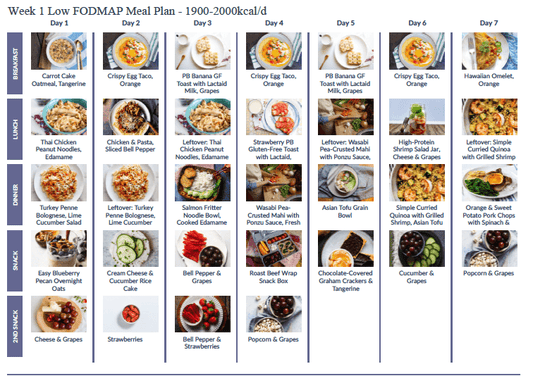
If you have IBS tendencies or you're noticing more bloating and gas, a low FODMAP approach can reduce symptom burden. The goal isn't to restrict forever: it's to lower fermentation load during a sensitive stretch so you can keep eating enough.
A quick "repair-support" checklist
Use this as a weekly self-audit:
Are you hitting a protein anchor at least twice per day?
Did you do 2 strength sessions this week?
Are you having regular bowel movements without straining?
Are nausea and reflux controlled enough that you can eat predictably?
Are you losing weight so fast that you feel weak, cold, dizzy, or your hair is shedding more than usual?
If the answer to the last question is yes, that's a signal to talk with your clinician. Sometimes the safest "repair" is simply slowing the pace.
Digestive discomfort is one of the most common reasons people struggle with GLP-1 medications. Targeted nutrition support can make a real difference in tolerability. Casa de Sante's physician-formulated digestive enzymes, synbiotics, and motility support supplements are designed specifically for sensitive stomachs on GLP-1 therapy. See what's available at casadesante.com.
This article is for educational purposes only and is not medical advice. Always consult your healthcare provider before making changes to your treatment plan.
Conclusion
On Mounjaro, "repair" is less about adding a trendy compound and more about protecting the biology that weight loss can unintentionally stress: lean mass, skin integrity, digestion, and long-term metabolic habits. Growth factor peptides may sound like a shortcut, but the safety and efficacy case simply isn't strong enough for most people.
If you want the version of "repair" that holds up over time, build it on protein, progressive strength training, and gut-tolerant nutrition you can repeat.
Mounjaro Growth Factor Peptides Repair: Frequently Asked Questions
What does "repair" mean when using Mounjaro for weight loss?
On Mounjaro, "repair" often refers to supporting muscle, skin, gut, and metabolic adaptation during weight loss, but the medication primarily improves metabolic control and does not directly repair tissues like muscle or skin.
Can growth factor peptides prevent muscle loss while taking Mounjaro?
There is no strong clinical evidence that growth factor peptides prevent muscle loss with Mounjaro. Muscle preservation is best supported by adequate protein intake and regular strength training while on the medication.
Does Mounjaro help tighten loose skin after rapid weight loss?
Mounjaro does not tighten skin or reverse facial volume changes. Rapid weight loss can make skin laxity more noticeable because skin remodeling takes time and depends on factors like age and genetics.
Why do people consider using growth factor peptides with Mounjaro?
Some try growth factor peptides to preserve muscle, improve skin changes, or boost recovery due to reduced appetite on Mounjaro, but safety and efficacy of combining these peptides with tirzepatide lack strong evidence.
What are the safest ways to support tissue repair while on Mounjaro?
The safest approach is focusing on adequate protein intake (1.6–2.2 g/kg body weight per day), regular strength training 2–3 times weekly, and gut-friendly nutrition that manages digestion side effects from Mounjaro.
What are the safety concerns of using growth factor peptides with Mounjaro?
Growth factor peptides have unknown purity and dosing, possible pro-growth risks, and uncertain interactions with Mounjaro, which may increase hypoglycemia risk and other side effects due to unstudied combinations.