Mounjaro Exit Strategies In 2026: How To Taper Safely, Maintain Weight Loss, And Protect Gut Health








If you're searching "Mounjaro exit strategies 2026," you're probably not being casual about it. Maybe your insurance is changing, maybe you've hit your goal weight, or maybe the side effects are wearing you down. And underneath all of that is the same fear: "If I stop tirzepatide, will the weight come right back… and will my stomach be a mess?"
The honest answer is that stopping Mounjaro (tirzepatide) is not just a medication decision. It's a metabolism, appetite, muscle, and gut-motility decision. In 2026, it's also an access-and-coverage decision. The good news: with clinician-guided planning, you can taper in a way that reduces rebound hunger, protects lean mass, and keeps your digestion as steady as possible.
When It Makes Sense To Stop Tirzepatide (And When It Doesn’t)
Stopping tirzepatide can be reasonable, but it shouldn't be impulsive. Think of an "exit" as a medical transition: you're removing a tool that was actively lowering appetite and improving glucose control. The body doesn't forget overnight.
One practical reality to keep in mind: tirzepatide doesn't vanish the day you skip a dose. Full clearance is often discussed as roughly a month after stopping, which helps explain why some people feel "fine" initially and then notice appetite and cravings ramp up later.
Common Reasons People Plan An Exit In 2026
In 2026, many discontinuation plans are less about motivation and more about logistics.
Coverage and cost pressure are real. For example, some programs have announced coverage changes for GLP-1 medications used for weight loss starting in January 2026, which can force a timeline even if you're doing well clinically.
Another big shift: compounded tirzepatide stopped being available after March 31, 2025. That means many people who started on compounded versions have had to switch to brand-name only, and the price delta can be the deciding factor.
Other common, clinically grounded reasons include:
You've reached a stable target weight and want to test maintenance without medication
You're experiencing side effects that don't improve with dose adjustments (nausea, constipation, reflux, fatigue)
You're planning pregnancy or have a change in medical status where continuing doesn't make sense
You're not responding adequately. Some guidance (such as NICE recommendations for anti-obesity medications) suggests stopping if you've lost less than 5% of your starting weight after 6 months on the maximum tolerated dose
Who Should Avoid Stopping Without Close Medical Supervision
There are situations where stopping without close clinician oversight is risky, even if you're frustrated.
You should be especially cautious if you fall into any of these groups:
Type 2 diabetes that isn't solidly controlled. Blood sugar (and HbA1c over time) can worsen quickly after discontinuation, and you may need a bridge plan
Higher baseline risk: BMI in the mid-30s to 40+ with cardiometabolic comorbidities (like cardiovascular disease, sleep apnea, fatty liver disease)
A history of pancreatitis or a suspected pancreatitis episode on therapy. Pancreatitis is a "stop immediately and don't casually restart" scenario that needs formal medical evaluation
Any history of serious hypersensitivity reactions
If you're pregnant, planning pregnancy, or breastfeeding, you need individualized counseling. This isn't a DIY decision
If any of this applies to you, your "exit strategy" should be less about taper schedules and more about medical monitoring, replacement therapies when appropriate, and a tight follow-up cadence.
What Changes In 2026: Access, Coverage, And Long-Term Use Expectations
In 2026, the Mounjaro conversation looks different than it did during peak shortage years. Access is still uneven, but the forces driving discontinuation are shifting from "I can't find my dose anywhere" to "I can't get it covered" or "my plan is requiring more documentation."
Long-term use expectations are also evolving. More clinicians now frame tirzepatide as chronic therapy for a chronic disease (obesity and insulin resistance), similar to how we approach hypertension medications. That doesn't mean you must stay on it forever, but it does mean the default expectation is maintenance planning, not abrupt stopping.
Insurance And Prior Authorization Shifts That Affect Discontinuation Plans
Prior authorization is getting stricter in many places, and some plans are drawing sharper lines between diabetes indications and weight-loss indications.
If you're anticipating a coverage disruption in 2026, your clinician can sometimes help you plan ahead by:
Documenting clinical response (weight trajectory, waist circumference, blood pressure)
Tracking metabolic markers (HbA1c, fasting glucose, lipids)
Documenting side effects and the rationale for dose adjustments
Discussing manufacturer assistance programs or formulary alternatives
Even if your goal is to stop, better documentation often buys you time, time you can use for a structured taper instead of a forced cliff.
Supply, Dose Availability, And Switching Considerations
While shortages have improved compared to prior years, dose availability can still be inconsistent. That matters because many taper plans rely on stepping down in predictable increments.
A commonly discussed approach is reducing the dose in 2.5 mg steps every 4 to 8 weeks. But real life can interrupt that plan if a lower-dose pen isn't available when you need it.
If your dose isn't reliably available, talk with your prescriber about contingency options:
Stabilizing on a longer interval between injections before stepping down the dose
Switching within the GLP-1/GIP class or to another evidence-based anti-obesity medication when clinically appropriate
Avoiding "pen sharing," grey-market pens, or any products with questionable sourcing. Reports of falsified pens have circulated, and the safety risk isn't worth it
In 2026, supply is less of an emergency headline but still a practical variable your exit plan should account for.
How To Build A Clinician-Guided Exit Plan
A good exit plan starts earlier than most people think. Ideally, you don't begin tapering on the week your insurance ends or the week you decide you're "over it." You build a runway.
Your goal is to create enough structure that, when appetite returns (because it usually does), you're not relying on willpower as the primary intervention.
The Metrics To Track Before You Taper
Before reducing your dose, you and your clinician will get better decisions from better data. Useful metrics include:
Weight trend, not just today's number (weekly averages are often more informative)
Waist circumference or how clothes fit (especially if you're strength training)
HbA1c and fasting glucose, particularly if you have prediabetes or type 2 diabetes
Blood pressure and resting heart rate
GI symptom pattern: constipation frequency, reflux severity, nausea days per week, bloating triggers
Protein intake consistency and strength training consistency (because these predict how well you'll maintain lean mass)
Sleep duration and stress level (because they predict cravings and late-night snacking more than most people want to admit)
If you're a numbers person, a simple 1–10 hunger rating at the same time daily can be surprisingly helpful. It shows appetite drift before weight drift.
A Practical Step-Down Framework To Discuss With Your Prescriber
There isn't one universally "correct" taper schedule. Your dose, response, side effects, and comorbidities should drive the plan.
A practical, clinician-led framework many prescribers discuss looks like this:
Hold steady first: maintain your current dose until weight and side effects are stable
Step down gradually: reduce by 2.5 mg at a time, typically allowing 4 to 8 weeks between changes so you can observe appetite, weight trend, and GI symptoms
Avoid stacking changes: don't simultaneously taper and start an aggressive calorie deficit or new intense training plan. If something goes wrong, you won't know the cause
Build a "pause rule": if you see rapid weight regain, worsening glucose, or intolerable symptoms, your clinician may pause the taper, extend the interval, or reconsider the target endpoint
One important safety note: if you had confirmed pancreatitis on tirzepatide, the conversation is different. Restarting is not a casual decision and may be contraindicated.
A taper plan should feel boring. Boring is good. Boring means it's controlled.
How To Prevent Rebound Hunger And Weight Regain After Stopping
Most people don't regain because they "lose discipline." They regain because biology reasserts itself. Tirzepatide lowers appetite and improves satiety signaling: when you remove it, hunger cues often intensify, and the brain becomes more responsive to highly palatable foods.
Your job after stopping is to make the default environment and default meals do more of the work.
Nutrition Targets That Help Preserve Lean Mass And Satiety
If you do one thing right post-GLP-1, make it protein.
Protein supports satiety and helps preserve lean mass during weight loss and maintenance. Many people on GLP-1s under-eat protein because appetite is low and tolerance can be finicky.
Targets to discuss with your clinician or dietitian (individualized, not one-size-fits-all):
A protein target per day, often distributed across meals (not "all at dinner")
A fiber plan you can actually tolerate (especially if you're prone to bloating)
A minimum calorie floor so you don't rebound from overly restrictive intake
Also consider "protein first" sequencing when appetite returns: a protein-forward breakfast can reduce grazing later.
Strength Training, NEAT, And Cardio: What Matters Most Post-GLP-1
Post-medication, exercise isn't just for calorie burn. It's for body composition.
Strength training is the anchor because it helps preserve (or regain) lean mass, which supports resting metabolic rate and glucose disposal.
NEAT matters more than most people expect. NEAT (non-exercise activity thermogenesis) is your daily movement outside formal workouts, steps, errands, standing, walking while on calls. When tirzepatide is stopped, some people unconsciously move less as fatigue or hunger changes. Keeping NEAT stable can prevent a stealth calorie imbalance.
Cardio is helpful, especially for cardiovascular fitness and stress regulation, but it's usually not the first lever to pull if you're trying to prevent regain. If you hate it, you won't sustain it.
Behavior And Environment: Trigger Control Without White-Knuckling
When people say, "My hunger came back with a vengeance," they're often also describing something else: food noise.
A few evidence-informed, practical guardrails:
Make the easiest option a high-protein option. If the first thing you see is a bag of chips, that's the plan you're living
Reduce friction for healthy meals (pre-cooked protein, ready-to-eat yogurt, pre-washed greens)
Identify your relapse window. For many women 35–55, it's late evening after a long day, when willpower is gone and sleep is near
Use a "good-better-best" approach rather than an all-or-nothing food mindset. Perfection tends to backfire during tapering
This is not about being strict. It's about being strategic.
Digestive Side Effects During Tapering And After Stopping
Your gut is part of your exit plan whether you want it to be or not.
Tirzepatide slows gastric emptying (how quickly food leaves your stomach). That's one reason it helps with satiety, and one reason nausea, reflux, bloating, and constipation are so common. When you taper or stop, motility can shift again. Some people feel better quickly. Others go through a choppy adjustment period.
Constipation, Diarrhea, Reflux, And Bloating: What To Expect
A few patterns you may notice during tapering or after stopping:
Constipation may improve if gastric emptying and overall gut motility normalize, especially if you're eating more volume again
Reflux can go either direction. Some people improve as nausea decreases: others worsen temporarily if larger meals return too fast
Diarrhea can occur, especially if you reintroduce richer foods quickly or if your gut microbiome (and bile handling) is adjusting
Bloating can flare if you ramp up fiber too aggressively or reintroduce high-FODMAP foods quickly
Side effects are also dose-transition sensitive. Many GI symptoms are worse during escalation: tapering tends to be gentler, but your individual pattern matters.
Red flags are different from "expected adjustment." Severe abdominal pain, persistent vomiting, signs of dehydration, or symptoms concerning for pancreatitis need medical evaluation.
Low-FODMAP And Gentle-Fiber Approaches For Sensitive Stomachs
If you're prone to IBS-like symptoms, tapering is a bad time to experiment wildly with fiber or "gut health" trends.
A few gut-gentle principles that many sensitive-stomach patients tolerate better:
Choose lower-FODMAP carbohydrate sources when bloating is prominent
Use gentle fiber strategies rather than high-volume raw vegetables or sudden bran additions
Increase fiber gradually and pair it with adequate fluids. Otherwise, constipation can worsen
Watch the dose-response effect of sugar alcohols and large amounts of inulin/chicory root, which can trigger gas and cramping in susceptible people
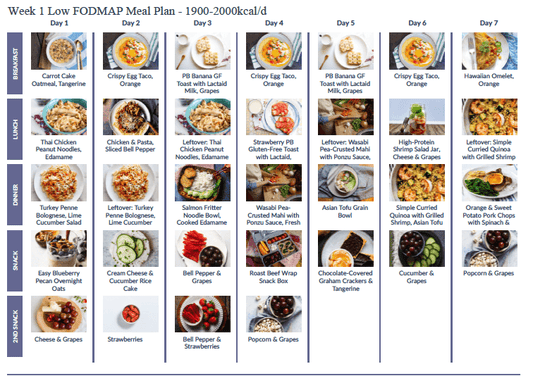
If you've never tried a structured low FODMAP approach, it's often most helpful when done temporarily and systematically, ideally with clinician or dietitian guidance.
Protein, Hydration, And Electrolytes When Appetite Returns
When your appetite returns, it's easy to focus only on calories. But GI symptoms often track with what you eat and how you drink.
A few practical points to discuss with your clinician:
Hydration consistency matters for constipation, headaches, and perceived hunger
Electrolytes can help if you're not eating much, you're exercising more, or you're prone to lightheadedness (especially if you also lowered carbs)
Protein choices affect tolerance. Some people do better with smaller portions more frequently rather than one large protein-heavy meal
If nausea has trained you to avoid food, the "return of appetite" can also trigger anxiety. That's normal. A paced plan helps.
Women 35–55: Perimenopause, Menopause, And Hormone-Weight Interactions
If you're a woman in the 35–55 range, you're not imagining it: the rules can change. Perimenopause is a metabolic and neuroendocrine transition, not just "a few irregular periods."
That matters because a Mounjaro exit plan that worked at 32 may not work the same way at 45.
How Hormone Shifts Can Change Appetite, Insulin Resistance, And Body Composition
As estrogen fluctuates and trends downward, many women see:
More central fat gain (abdominal weight distribution)
Worsening insulin resistance (your body needs more insulin to manage the same glucose load)
Changes in appetite and cravings, sometimes tied to sleep disruption
A greater tendency toward lean-mass loss if protein and resistance training aren't prioritized
GLP-1/GIP therapy can be a powerful tool in this phase, but discontinuation requires more attention to the "background hormones" influencing hunger and body composition.
Coordinating An Exit Plan With Hormone Therapy And Thyroid Care
If you're considering tapering while also adjusting hormone therapy (or evaluating it), coordinate the timing.
Why? Because changing estrogen/progesterone support, thyroid dosing, or even iron status can alter:
Energy and exercise tolerance
Fluid retention (which affects scale weight)
Sleep quality
Perceived hunger and mood
When multiple variables change at once, it becomes hard to interpret what's driving what.
A clinician can help you separate:
True fat regain vs water shifts
Thyroid-related fatigue vs calorie deficit fatigue
Perimenopause-related sleep fragmentation vs medication-related nausea
Monitoring Sleep, Stress, And Hot Flashes That Can Drive Cravings
For many women, the post-GLP-1 craving surge isn't purely hunger, it's sleep loss.
Hot flashes, night sweats, and stress-related cortisol elevation can increase snack-seeking and reduce impulse control. It's not a character flaw: it's physiology.
Useful tracking points during a taper:
Average sleep duration and number of night awakenings
Hot flash frequency and severity
Morning resting heart rate (a rough stress/sleep proxy for some people)
Afternoon energy crashes (often when ultra-processed snacks sneak in)
If your sleep is unraveling, your exit plan needs to address that directly. Otherwise, you'll keep fighting cravings with the least effective tool: willpower.
Alternatives To Full Discontinuation
"Stopping" doesn't have to mean "zero medication forever." For many people, the best 2026 strategy is a middle path that preserves benefits while reducing side effects or cost.
Maintenance Dosing And Longer Dose Intervals
Some patients do well on maintenance dosing, either a lower dose or a longer interval between injections, after they reach a goal weight or stabilize metabolic markers.
This approach can:
Reduce GI side effects
Lower monthly medication burden
Provide appetite support during higher-risk windows (travel, holidays, perimenopause sleep disruption)
But it should be individualized, and it still requires monitoring.
Switching Within The GLP-1/GIP Class Or To Other Anti-Obesity Options
If the goal is fewer side effects, better coverage, or better fit, your clinician may discuss switching options.
In practice, switching decisions depend on:
Your diagnosis (obesity alone vs type 2 diabetes)
Side effect profile (constipation vs nausea vs reflux)
Cardiometabolic risk
Insurance formulary realities
The key is to avoid abrupt, unsupervised swaps, especially if you have diabetes or significant comorbidities.
When Lifestyle-Only Maintenance Is Realistic
Lifestyle-only maintenance is most realistic when you have:
A stable routine you can sustain (protein, strength training, sleep)
A supportive home food environment
Low-to-moderate food noise, or effective strategies for managing it
Ongoing monitoring (at least periodic weights, labs, or clinician check-ins)
Some people can maintain without medication. Many people need some form of ongoing support, pharmacologic, behavioral, or both. There's no moral hierarchy here. There's just what works for your physiology and your life.
Conclusion
A smart Mounjaro exit strategy in 2026 is less about "getting off" and more about what you're replacing it with: a plan for appetite, a plan for muscle, a plan for labs, and a plan for gut tolerance. If your taper is clinician-guided, data-informed, and paced, you give yourself the best shot at maintaining results without feeling like you're fighting your body every day.
Digestive discomfort is one of the most common reasons people struggle with GLP-1 medications. Targeted nutrition support can make a real difference in tolerability. Casa de Sante's physician-formulated digestive enzymes, synbiotics, and motility support supplements are designed specifically for sensitive stomachs on GLP-1 therapy. See what's available at casadesante.com.
This article is for educational purposes only and is not medical advice. Always consult your healthcare provider before making changes to your treatment plan.
Frequently Asked Questions About Mounjaro Exit Strategies in 2026
What are the safest Mounjaro exit strategies in 2026?
The safest Mounjaro exit strategies in 2026 are clinician-guided and gradual. Many prescribers step down in 2.5 mg increments every 4–8 weeks, while tracking weight trends, hunger, GI symptoms, and labs (like HbA1c). The goal is to avoid abrupt stopping and reduce rebound appetite and side effects.
How long does tirzepatide take to fully leave your system after stopping Mounjaro?
Tirzepatide doesn’t disappear immediately when you miss a dose. Full clearance is often discussed as taking about 30 days after stopping. That delay can explain why some people feel fine at first, then notice hunger, cravings, or glucose changes ramp up weeks later.
Why are people searching “Mounjaro exit strategies 2026” more than before?
In 2026, many exits are driven by coverage and access, not motivation. Compounded tirzepatide ended after March 31, 2025, pushing people to brand-name pricing. Some plans are also tightening prior authorization or ending GLP-1 weight-loss coverage starting January 2026, forcing timelines.
Who should NOT stop Mounjaro without close medical supervision?
Avoid DIY stopping if you have uncontrolled type 2 diabetes (HbA1c can rise quickly), BMI around 35–40+ with cardiometabolic comorbidities, or if you’re pregnant/planning pregnancy/breastfeeding. Also, confirmed pancreatitis or serious hypersensitivity reactions are stop-and-evaluate scenarios requiring formal clinician follow-up.
How do you prevent rebound hunger and weight regain after stopping tirzepatide?
Plan for biology, not willpower. Prioritize protein to protect lean mass and satiety, keep strength training consistent, and stabilize NEAT (daily movement) so activity doesn’t silently drop. Use practical environment “guardrails” (easy high-protein foods, less trigger snacks) and track hunger/weight trends early.
Is tapering Mounjaro better than stopping cold turkey for GI symptoms like constipation or reflux?
Often, yes. Because tirzepatide affects gastric emptying, tapering tends to create a steadier transition than abrupt stopping. Constipation may improve as motility normalizes, while reflux or diarrhea can temporarily fluctuate if meal size changes quickly. Red flags (severe abdominal pain, persistent vomiting, dehydration) need medical evaluation.