Mounjaro And Liver Effects: A Safety Review








You've probably seen the headlines: "GLP-1 drugs can affect your liver." So what's actually true about Mounjaro liver effects, and what's just anxiety plus bad internet math? Here's a clear, evidence-based safety review of what studies show, what risks to watch for, and how to monitor your liver (without spiraling).
What Mounjaro Is And Why Liver Safety Comes Up
Mounjaro (tirzepatide) sits in the same modern medication conversation as semaglutide, highly effective for metabolic health, highly talked about online, and often misunderstood.
Liver safety comes up for a simple reason: many people who qualify for Mounjaro (type 2 diabetes, insulin resistance, obesity) also have MASLD/MASH (the newer terms replacing NAFLD/NASH, metabolic dysfunction–associated steatotic liver disease / steatohepatitis). That overlap makes it hard for people to tell what's "the drug" versus what's "the underlying metabolic condition."
And then there's the second reason: some side effects (especially gallbladder issues) can feel like "a liver problem," because the symptoms can land in the same general area, right upper abdomen, nausea after meals, malaise.
Tirzepatide Basics And How It Works
Tirzepatide is a dual GIP/GLP-1 receptor agonist. In plain English, it mimics gut hormones involved in appetite signaling, insulin release, and glucose control.
For you, the practical effects usually look like this:
- Less appetite and less "food noise"
- Slower stomach emptying (helpful for fullness, annoying if you're prone to reflux/nausea)
- Improved insulin sensitivity and lower blood sugar variability
- Meaningful weight loss, often cited around 15–22% on average in higher-dose, longer-duration obesity-focused data (individual results vary)
So where does the liver come in? Your liver is basically metabolic headquarters: it handles fat processing, glucose storage/release, and inflammation signaling. When tirzepatide helps you lose weight and improve insulin resistance, your liver often benefits downstream.
How Liver Enzymes And Fatty Liver Fit Into Metabolic Health
Two lab numbers tend to drive most of the anxiety:
- ALT (alanine aminotransferase)
- AST (aspartate aminotransferase)
These are "liver enzymes," but they're really cell injury markers. ALT is more liver-specific: AST can rise from muscle injury or other sources.
In metabolic dysfunction and fatty liver, ALT/AST can drift up because excess liver fat and inflammation irritate liver cells. Importantly, you can have significant fatty liver with normal enzymes, and you can have mildly elevated enzymes without serious damage. That's why clinicians look at patterns (trend over time, degree of elevation, symptoms, imaging) rather than one isolated lab.
Because Mounjaro targets weight, insulin resistance, and triglycerides, liver safety questions often become:
- Will it improve fatty liver?
- Could it raise enzymes or rarely cause injury?
- Could side effects mimic liver trouble and send you down the wrong path?
What The Evidence Says About Liver Effects In Studies
If you're trying to separate hype from reality, clinical trial data is the best starting point: it's standardized, tracked, and includes regular lab monitoring.
Overall, the evidence leans reassuring for most people: tirzepatide generally improves liver health markers in patients with fatty liver risk, largely because it reduces liver fat through weight loss and better metabolic control.
Changes In ALT/AST And Other Liver Markers Reported In Trials
Across large tirzepatide programs (including SURPASS trials), clinically significant liver enzyme spikes were uncommon.
Key takeaways you can use when reading your own labs:
- ALT elevations >3× the upper limit of normal (ULN) occurred in <1% of participants and were similar to placebo in reports.
- "De novo" elevations (new elevations that weren't present before) were not a dominant signal.
- In trials involving thousands of participants, there were no consistent patterns of severe drug-induced liver injury.
What does that mean for you? Most mild ALT/AST changes, especially early on, are more likely to be about baseline fatty liver, rapid metabolic shifts, or unrelated issues than a direct toxic effect from tirzepatide.
That said, the right mindset is "calm, but not casual." If your numbers climb sharply or you develop red-flag symptoms (we'll cover those), you should treat it as a real medical issue until proven otherwise.
Effects On Fatty Liver Risk Factors: Weight Loss, Insulin Resistance, Triglycerides
This is where tirzepatide looks particularly promising.
In the SURPASS-3 MRI substudy (296 people with type 2 diabetes), tirzepatide reduced liver fat content by ~30–47%, compared with ~11% in an insulin comparator group (statistically significant).
There's also reported data suggesting substantial rates of MASH improvement/resolution signals in higher-dose groups (for example, figures like 62% resolution at 15 mg vs 10% placebo have been cited in summaries), reinforcing the idea that when you treat the metabolic "why," the liver often follows.
Mechanistically, these improvements aren't magic, they're the predictable result of:
- Less total body fat (especially visceral fat)
- Lower insulin resistance (less liver fat production)
- Improved triglycerides and lipid handling
- Reduced inflammatory signaling
So if your biggest concern is, "I have fatty liver, will Mounjaro make my liver worse?" the best available evidence points the other way for most people: it often helps, especially when paired with sustainable nutrition and careful monitoring.
Liver-Related Risks And Side Effects To Know
Here's the nuance most social media posts miss: some of the most important "liver" issues on GLP-1/GIP medications aren't actually liver injury. They're nearby problems (gallbladder, bile ducts, pancreas) that can create similar pain patterns and lab changes.
Gallbladder Disease And Bile Duct Issues That Can Mimic Liver Problems
Gallbladder issues are one of the more established risks in the GLP-1 class, and tirzepatide is no exception.
In labeling-level summaries, gallbladder disease occurred around 0.6% (higher than placebo in some datasets). The reason is thought to be partly rapid weight loss, which can increase gallstone formation.
Why this matters for "Mounjaro liver effects":
- Gallbladder attacks often cause right upper quadrant (RUQ) pain, nausea, vomiting, symptoms people interpret as "my liver."
- If a stone blocks a bile duct, you can see bilirubin rise and sometimes enzyme changes that look liver-related.
If your discomfort is strongly meal-related (especially fatty meals), comes in waves, or radiates to your back/right shoulder blade, it's worth asking your clinician whether gallbladder evaluation (often ultrasound) makes sense.
Pancreatitis And When Elevated Enzymes Signal Something Else
Pancreatitis is rare but important because it can be serious.
- Rates in trials are generally <1%.
- Pancreatitis symptoms can overlap with severe GI side effects, except pancreatitis tends to be intense, persistent, and often radiates to the back.
Also, a confusing point: people hear "elevated enzymes" and assume liver enzymes. Pancreatitis is typically tracked with lipase (and sometimes amylase). But severe abdominal illness can create a messy lab picture, and clinicians will often check a broader panel when symptoms are concerning.
If you have severe, unrelenting upper abdominal pain (especially with vomiting and inability to keep fluids down), that's not a "wait and see" situation.
Rare Or Reported Liver Injury: What's Known And What's Uncertain
The big picture: serious liver injury has not shown up as a consistent signal in large tirzepatide trials, which is reassuring.
Still, rare case reports exist describing mild hepatocellular injury (a pattern suggesting liver cell irritation rather than bile flow blockage), usually:
- appearing after 1–4 months
- improving after stopping the medication
This is the frustrating zone of medicine where both things can be true:
- The population-level data suggests the medication is generally liver-safe.
- An individual person can still have an idiosyncratic reaction.
So your best move isn't to fear Mounjaro, it's to take symptoms and labs seriously, avoid stacking other liver stressors, and have a plan for monitoring.
Who Should Be Extra Cautious Before Or While Taking Mounjaro
You don't need to be "perfectly healthy" to take tirzepatide, many people start it precisely because they're not. But some situations call for a little more planning, tighter follow-up, or specialist input.
Pre-Existing Liver Conditions: MASLD/MASH, Viral Hepatitis, Cirrhosis
If you have MASLD/MASH, you're not automatically "high risk" for Mounjaro. In fact, because tirzepatide tends to improve liver fat through metabolic effects, many people with fatty liver do well.
But you do want clarity on your baseline:
- Are your enzymes mildly elevated and stable, or trending up?
- Do you have fibrosis risk (from FibroScan, ELF, FIB-4, or imaging)?
- Any history of jaundice, ascites, varices, or diagnosed cirrhosis?
If you have viral hepatitis (like hepatitis B or C) or cirrhosis, you should involve the clinician managing your liver condition before making changes. Medication decisions may hinge on how compensated your liver function is, your other meds, and your monitoring schedule.
Alcohol Use, Rapid Weight Loss, And Very Low Calorie Dieting
Two things can make your liver's life harder during GLP-1 therapy:
- Alcohol (especially heavy or frequent use)
- Aggressive dieting that leads to rapid weight loss and under-fueling
Rapid weight loss can be beneficial for fatty liver, but it can also:
- increase gallstone risk
- worsen fatigue and nausea (leading to dehydration)
- push you toward low-protein intake (not great for lean mass or overall resilience)
If you're using Mounjaro and barely eating, it's worth reframing the goal from "eat as little as possible" to "eat enough to lose weight without breaking your digestion." Your liver, and gallbladder, will thank you.
Medication And Supplement Interactions That Increase Liver Risk
Tirzepatide isn't the only variable. Liver risk often comes from stacking exposures.
Be cautious with:
- High-dose acetaminophen (especially combined with alcohol)
- Certain antibiotics/antifungals (your prescriber will screen these)
- Bodybuilding/fat-loss supplements (some are notorious for liver injury)
- "Detox" herbs (ironically) and multi-ingredient blends where you can't identify what you're actually taking
Also, because GLP-1s slow gastric emptying, your clinician may need to watch how you absorb certain oral medications.
If you're unsure whether a supplement is worth the risk, that's a good moment to simplify. In practice, a smaller, targeted stack beats a long list of trendy pills, especially while you're adjusting to a GLP-1.
Practical Monitoring And Symptom Checklist For Patients
If you want peace of mind about Mounjaro liver effects, monitoring gives you something better than reassurance: data plus context.
Which Labs To Discuss And When To Recheck
A practical lab conversation with your clinician often includes:
- ALT, AST (core liver enzymes)
- Alkaline phosphatase (ALP) (more bile-duct/gallbladder pattern)
- Total and direct bilirubin (jaundice/bile flow clues)
- Albumin and INR (more about liver function in advanced disease, not routine for everyone)
- Lipase if you have concerning abdominal pain (pancreas)
- Metabolic markers that influence liver health: A1c, fasting glucose/insulin (if used), triglycerides
Timing isn't one-size-fits-all, but a common, reasonable approach is:
- Baseline labs before starting (or at start)
- Recheck after dose escalation if you have risk factors or prior abnormalities
- Immediate recheck if symptoms appear
One useful rule of thumb from clinical discussions: if liver enzymes rise sharply (for example >5× ULN), or if you have symptoms plus elevations, your clinician will usually want prompt evaluation, not just "wait until next visit."
Symptoms That Need Prompt Medical Attention
Call your clinician urgently or seek prompt care if you notice:
- Yellowing of skin or eyes (jaundice)
- Dark urine and/or very pale stools
- Significant RUQ abdominal pain that doesn't resolve, especially after meals
- Persistent vomiting, inability to keep fluids down, or signs of dehydration
- Severe upper abdominal pain radiating to your back (pancreatitis concern)
- New, intense itching with jaundice-like symptoms
And a practical note: a lot of GLP-1 side effects are annoying-but-not-dangerous (mild nausea, constipation). What you're watching for here is a change in intensity or pattern, the stuff that feels different from your "normal Mounjaro adjustment."
How To Support Liver-Friendly Digestion While On GLP-1s
If your digestion is calmer, it's easier to eat enough protein and fiber, stay hydrated, and avoid the constipation/reflux spiral that can make everything feel worse, including RUQ discomfort that makes you worry about your liver.
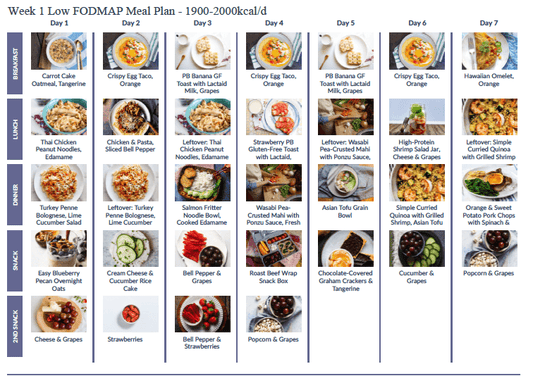
This is also where a site like Casa de Sante fits naturally: digestive support designed specifically for GLP-1 users and sensitive stomachs (think: physician-formulated supplements, low-FODMAP-friendly options, and structured meal plans) can make adherence easier without turning your diet into a second job.
Nutrition Priorities: Protein, Fiber, Hydration, And Constipation Prevention
On GLP-1s, "healthy eating" gets very practical, very fast.
Your priorities:
- Protein first: Many people feel full quickly and accidentally under-eat protein. Aim to distribute protein across meals to support lean mass during weight loss.
- Fiber with strategy: Fiber helps cholesterol and bowel movements, but jumping too fast can worsen bloating. If you're IBS-prone, a low FODMAP approach (temporarily, with guidance) can reduce symptoms while you stabilize.
- Hydration: Slower gastric emptying + less thirst cues + constipation is a predictable trio. Fluids and electrolytes matter.
- Constipation prevention: Don't wait until you're miserable. Regular bowel habits reduce nausea, reflux, and that vague "pressure" under the ribs that can be mistaken for liver trouble.
If you're already dealing with IBS or a sensitive stomach, personalized structure helps, this is where low-FODMAP meal planning, gut-friendly protein powders, and targeted supplements can be a relief rather than "extra."
Gut Symptoms That Can Confuse The Picture: Nausea, Reflux, Bloating, RUQ Discomfort
A lot of people go looking for "liver symptoms" when what they're feeling is GI side effects plus anatomy.
Common GLP-1/GIP-adjacent symptoms that muddy the waters:
- Nausea (often dose-related)
- Reflux/heartburn (especially if you lie down soon after eating)
- Bloating from slowed motility or constipation
- RUQ discomfort that's actually gas, constipation, or gallbladder irritation
A few small behavior tweaks can make a big difference:
- Smaller, more frequent meals during dose changes
- Avoiding very high-fat meals if they trigger nausea or RUQ pain
- Not eating right before bed (reflux)
- Gentle walking after meals (motility help)
If your symptoms are persistent or escalating, don't self-diagnose. The point isn't to "tough it out", it's to keep you on a medication that can be life-changing without ignoring warning signs.
Conclusion
When you look at the best available data, Mounjaro liver effects are more reassuring than scary for most people, especially if you have metabolic risk factors like insulin resistance or fatty liver. Tirzepatide tends to improve the drivers of MASLD/MASH (weight, triglycerides, insulin resistance), and serious liver injury hasn't emerged as a consistent trial signal.
Your real safety edge comes from knowing what can masquerade as a "liver problem" (gallbladder disease, pancreatitis, constipation and reflux) and having a simple monitoring plan: baseline labs, rechecks when warranted, and fast action on red-flag symptoms.
If you want the most practical takeaway: treat your digestion like part of your liver plan. When you can eat enough protein, stay hydrated, and keep constipation under control, often with structured support like low-FODMAP-friendly meal planning and GLP-1-tailored digestive tools, you're far more likely to stay steady, spot true warning signs early, and actually enjoy the health gains you started this for.
Frequently Asked Questions About Mounjaro Liver Effects (Safety Review)
What do studies show about Mounjaro liver effects and overall liver safety?
Across large tirzepatide (Mounjaro) trials, clinically significant liver enzyme spikes were uncommon and serious drug-induced liver injury did not appear as a consistent signal. For most people, evidence is reassuring: liver-related lab changes are more often tied to underlying metabolic disease or other causes than direct toxicity.
Can Mounjaro improve fatty liver (MASLD/MASH), or does it make it worse?
For many patients with MASLD/MASH risk, Mounjaro liver effects trend positive because tirzepatide reduces weight, insulin resistance, and triglycerides—key drivers of liver fat. In the SURPASS-3 MRI substudy, liver fat fell about 30–47% with tirzepatide versus ~11% with insulin, suggesting improvement is common.
How common are ALT/AST elevations on Mounjaro, and when should I worry?
Mild ALT/AST fluctuations can happen, but trial data found ALT rises >3× the upper limit of normal in under 1% of participants, similar to placebo. A sharp increase (often discussed as >5× ULN) or elevations plus symptoms should prompt prompt medical evaluation and repeat labs.
Why can gallbladder problems feel like “liver issues” while taking Mounjaro?
Gallbladder disease is a better-established risk than true liver injury with GLP-1/GIP therapy, and can mimic “liver pain.” Rapid weight loss may raise gallstone risk, and attacks can cause right upper abdominal pain and nausea. If a stone blocks a bile duct, bilirubin and liver enzymes may rise too.
What symptoms should I watch for with Mounjaro liver effects and related complications?
Seek urgent care for jaundice (yellow eyes/skin), dark urine, pale stools, significant right upper abdominal pain—especially after meals—or persistent vomiting and dehydration. Severe upper abdominal pain radiating to the back can suggest pancreatitis. These patterns are not typical “adjustment” side effects and need evaluation.
Do alcohol, acetaminophen, or supplements increase liver risk while on Mounjaro?
Yes—stacked liver stressors matter. Heavy alcohol use, high-dose acetaminophen (especially with alcohol), and multi-ingredient “fat burner/detox” supplements can increase liver risk regardless of Mounjaro. If you’re starting tirzepatide, simplifying supplements and avoiding risky combinations can reduce confusion and improve safety.