Mounjaro And Hair Loss: Prevention Tips That Actually Help While You Lose Weight (2026 Guide)







If you're on Mounjaro (tirzepatide) and noticing more hair in the shower drain, it can feel unfair. You're doing something positive for your health, and suddenly your ponytail feels thinner.
Here's the reassuring (and evidence-informed) truth: Mounjaro doesn't appear to directly "cause" hair loss in the way some medications do. What most people are seeing is a predictable, temporary shedding pattern triggered by rapid weight loss, low intake, stress on the body, and sometimes hormone or thyroid overlap. The good news is that you can often reduce the severity, shorten the duration, and protect regrowth with a few targeted moves, especially around protein, micronutrients, and GI tolerability.
This guide walks you through why shedding happens, what timeline to expect, how to tell normal from concerning, and what prevention steps actually help while you keep moving toward your weight and health goals.
Why Hair Shedding Can Happen On Mounjaro (And When It’s Not The Medication)
Hair follicles are surprisingly sensitive to "whole body" changes. When your metabolism shifts quickly, less total food, faster fat loss, more physiologic stress, your hair can respond a few months later.
A key point: in most cases, the shedding isn't permanent and it isn't scarring. It's your body temporarily reallocating resources.
Telogen Effluvium From Rapid Weight Loss: The Most Common Pattern
The most common pattern people experience on GLP-1 therapy is telogen effluvium. That's the medical term for diffuse, temporary shedding that happens when a larger-than-usual percentage of hair follicles get pushed into the resting phase (telogen). After a delay, those resting hairs shed.
Common triggers include:
- Rapid weight loss
- Major calorie reduction
- Illness, surgery, or significant inflammation
- Psychological stress (even "good stress," like a major lifestyle change)
Because hair cycles are slow, telogen effluvium usually shows up 2–3 months after the trigger, not immediately. So it's easy to blame the most recent dose increase, when the real trigger was the pace of weight loss or a period of very low intake weeks earlier.
Nutrition Gaps: Protein, Iron, Zinc, Vitamin D, And B12
Mounjaro often reduces appetite and portion size. That's part of how it helps with weight loss. But it also raises the odds that you simply aren't eating enough of the building blocks hair needs.
Nutrients that commonly show up in hair-shedding workups include:
- Protein: Hair is largely keratin (a protein). Low protein intake is a classic shedding trigger.
- Iron (and ferritin): Ferritin is your iron storage. Low ferritin is common in menstruating women and can worsen shedding even when hemoglobin is "normal."
- Zinc: Important for follicle function and wound healing: low intake can happen with reduced food variety.
- Vitamin D: Low levels are common in the general population and may correlate with certain hair-loss patterns.
- Vitamin B12: More likely to be low if you eat little animal protein, have absorption issues, or use metformin (common in people with insulin resistance).
On GLP-1 therapy, the mechanism is usually indirect: less food in, less protein and micronutrients out.
Hormones, Perimenopause/Menopause, And Thyroid: Common Overlaps
For many women 35–55, hair shedding isn't a single-factor story. It's often Mounjaro plus life stage.
A few common overlaps:
- Perimenopause/menopause: Shifting estrogen and progesterone can unmask or worsen androgen-sensitive thinning (often noticed as widening part lines and less density at the crown).
- Thyroid disease: Hypothyroidism (underactive thyroid) can cause diffuse shedding, eyebrow thinning, dry skin, and fatigue. Postpartum thyroiditis isn't relevant for everyone, but autoimmune thyroid disease is common in women.
- High stress and poor sleep: Cortisol dysregulation isn't a "hair loss diagnosis," but chronic stress is a well-known telogen effluvium trigger.
So if you're thinking, "Is this the medication or my hormones?", it may be both. The plan is the same: confirm the pattern, rule out red flags, and build a prevention foundation that supports follicles while you lose weight.
Early Warning Signs And A Simple Timeline To Expect
Hair loss feels scary partly because it can seem sudden. But most GLP-1-related shedding follows a fairly predictable arc.
What Normal Shedding Looks Like Vs. Concerning Hair Loss
Some shedding is normal. Most people lose roughly 50–100 hairs a day, and some sources cite up to about 100–150 as a common "normal range," especially on wash days.
More typical for telogen effluvium:
- Diffuse shedding (hair coming from all over, not one bald spot)
- Extra hair on your brush, pillow, and shower drain
- Your ponytail circumference feels smaller
- Scalp usually looks normal (no significant redness, scaling, or pain)
More concerning patterns include:
- Patchy hair loss (coin-shaped areas) which can suggest alopecia areata
- Receding hairline or temple thinning with miniaturized hairs (can be androgenetic alopecia)
- Significant scalp symptoms (burning, tenderness, crusting, pustules)
- Broken hairs and snapping (more breakage than shedding)
A simple home check: look at shed hairs. If you see a tiny white bulb at one end, that's usually a shed telogen hair. If you're seeing lots of short snapped strands, that's more consistent with breakage.
When Hair Loss Typically Starts, Peaks, And Improves
A practical timeline many people experience:
- Starts: about 1–3 months after the trigger (often rapid weight loss or very low intake early in therapy)
- Peaks: around 4–6 months
- Improves: gradual improvement over 6–12 months as weight loss pace stabilizes and nutrition improves
That doesn't mean you should "just wait it out." The earlier you shore up protein, calories, and micronutrients, the less intense the shed often becomes, and the more confident you'll feel.
Red Flags That Merit Medical Evaluation
You should loop in your clinician sooner (or consider a dermatology evaluation) if you have:
- Patchy hair loss or sudden bald spots
- Scalp pain, burning, redness, thick scaling, or sores
- Shedding that feels extreme (for example, consistently well over ~200 hairs/day) or you're seeing rapid visible scalp exposure
- Hair loss continuing beyond 12 months even though stable weight and improved intake
- Symptoms of anemia (fatigue, shortness of breath, dizziness), thyroid disease (cold intolerance, constipation, dry skin), or heavy menstrual bleeding
When you're on Mounjaro, it's also worth evaluating whether GI side effects are so significant that you're chronically under-eating. If your "calories are accidentally very low" for weeks, hair follicles often notice.
The Hair-Loss Prevention Checklist: Do This While On Mounjaro
Think of prevention as reducing physiologic stress while protecting raw materials (protein + micronutrients) and absorption (GI function). You don't need perfection. You need consistency.
Prioritize Protein And Total Calories Without Triggering GI Symptoms
If you do one thing, do this: protect protein intake.
Many people do well aiming roughly 60–100 grams of protein per day (often around 0.8–1.0 g/kg body weight, depending on your body size, age, and goals). If you're doing resistance training or you're in perimenopause/menopause, you may need the higher end of that range to support lean mass.
When nausea or early fullness is an issue, the strategy is "small, frequent, high-quality":
- Protein-first meals: eat the protein portion before higher-fat or higher-fiber sides if you fill up quickly
- Smaller protein doses more often: 20–30 grams at a time may feel easier than one large portion
- Lower-fat protein options if nausea is prominent: Greek yogurt, cottage cheese, egg whites, fish, chicken, tofu
- Smooth textures when chewing feels hard: soups, yogurt bowls, shakes
Total calories matter too. Extremely low intake can amplify telogen effluvium. You're not trying to "eat through" the medication, you're trying to avoid unintentionally starving your follicles.
Build A Nutrient Safety Net With Food-First Micronutrients
Food-first doesn't mean food-only. It means you build your base with nutrient-dense choices, then use supplements to fill gaps based on your diet and labs.
Focus foods that pull double duty (nutrients + tolerability):
- Iron: lean red meat, lentils, spinach (pair plant iron with vitamin C to improve absorption)
- Zinc: pumpkin seeds, beef, shellfish, yogurt
- Vitamin D: fatty fish, eggs (but many people still need a supplement based on labs)
- B12: fish, meat, dairy, fortified foods
If your appetite is low, variety often shrinks. That's when a clinician-approved multivitamin/mineral can function as a "nutrient seatbelt," especially during the first 6 months.
Protect Digestion So You Absorb What You Eat
On GLP-1 therapy, tolerability is everything. If you can't keep up with protein and micronutrients because you're nauseated, constipated, or bloated, hair prevention becomes much harder.
A few GI-supportive principles that tend to help many people:
- Hydration is not optional, especially if constipation is creeping in
- Gentle fiber, not a sudden fiber overload (too much too fast can worsen bloating)
- A consistent meal rhythm (long fasting windows can backfire if it leads to "nothing all day, then a heavy dinner")
- Pay attention to trigger foods: very greasy meals, large portions, and alcohol commonly worsen nausea
If you have IBS or a sensitive stomach, it may help to choose more gut-tolerant proteins and carbs (this is where low FODMAP strategies can be useful for some people, ideally with professional guidance).
Stabilize Weight-Loss Pace When Possible
Hair follicles don't care that weight loss is "intentional." They register rapid loss as stress.
You and your prescriber can often improve the hair-shedding risk profile by:
- Avoiding unnecessarily aggressive calorie restriction
- Keeping weight loss steady rather than "fast then crash"
- Not rushing dose increases when side effects are limiting your intake
This isn't about slowing progress to a crawl. It's about choosing a pace your body can adapt to, so you lose fat while protecting muscle, energy, and yes, your hair.
Scalp And Hair-Care Moves That Reduce Breakage And Make Shedding Less Obvious
While nutrition and physiology drive shedding, hair care determines how noticeable it looks day to day. The goal is to reduce breakage, minimize scalp inflammation, and keep styling low-stress.
Gentle Washing, Detangling, And Heat/Color Boundaries
When you're shedding, your hair has less margin for rough handling.
Practical rules that actually help:
- Use a gentle shampoo and focus on the scalp, not aggressive scrubbing of lengths
- Condition mids/ends to reduce friction
- Detangle when hair is damp (not soaking wet) with a wide-tooth comb or detangling brush
- Keep heat lower and less frequent: avoid repeated high-heat passes
- If you color your hair, consider extending time between bleaching/high-lift services during heavy shed months
If your hair is curly or coily, prioritize slip (conditioner, leave-in) and avoid tight, high-tension styles that increase traction.
Scalp Health Basics: Dandruff, Itch, Inflammation, And Product Buildup
A calm scalp supports better hair quality, and it's easier to see what's going on.
If you have flaking or itch, it may be seborrheic dermatitis (a common inflammatory dandruff condition). Over-the-counter anti-dandruff shampoos (like ketoconazole, selenium sulfide, or zinc pyrithione) can help some people, but persistent symptoms are worth a clinician visit.
Also watch for:
- Heavy buildup from dry shampoo, styling waxes, or scalp oils
- Tenderness or burning (can signal inflammation)
A quick reality check: scalp massage can feel great and may support scalp circulation, but it's not a substitute for correcting protein, iron, thyroid issues, or an inflammatory scalp condition.
Hairstyles, Fibers, And Part Changes For Cosmetic Coverage
You're allowed to want hair that looks normal while your follicles recover.
Low-effort options:
- Switch your part line to reduce the "see-through" look
- Softer volume: gentle root lift sprays, lightweight mousse (avoid heavy tacky products)
- Hair fibers or tinted scalp powders for the crown (especially helpful under bright overhead lights)
- Looser styles: low ponytails, claw clips, soft braids
If you're using extensions, be cautious. High-tension extensions can worsen shedding-related fragility, especially around the hairline.
Supplements And Treatments: What’s Worth Considering (And What To Skip)
This is where people often waste money. The best approach is boring but effective: check the right labs, correct deficiencies, and consider evidence-based treatments when appropriate.
Labs To Ask Your Clinician For Before You Supplement
Before starting a handful of "hair supplements," it's reasonable to ask your clinician what to test, especially if you're shedding heavily or you have fatigue, heavy periods, or restrictive intake.
Common labs to discuss:
- CBC (complete blood count): screens for anemia
- Ferritin and iron studies: evaluates iron stores
- TSH (and sometimes free T4): screens for thyroid dysfunction
- Vitamin D (25-OH vitamin D)
- Vitamin B12 (and sometimes folate)
- Zinc (less commonly ordered, but can be considered depending on diet and symptoms)
Why labs first? Because supplementing blindly can miss the real cause (like thyroid disease) and, in some cases, excessive supplementation can create new problems.
Minoxidil, Low-Level Laser, And Other Evidence-Based Options
If your clinician thinks you have telogen effluvium alone, the foundation is nutrition + time. But if you have overlap with androgenetic alopecia (pattern thinning) or prolonged shedding, treatment may be worth discussing.
Options with reasonable evidence:
- Topical minoxidil: often used for pattern hair loss and sometimes used off-label to support regrowth. It can cause a temporary increase in shedding early on, which can be alarming if you weren't warned.
- Low-level laser therapy: some devices show modest benefits for certain hair-loss patterns.
If you're in perimenopause/menopause, it's also worth evaluating whether hormonal shifts are contributing. That's a separate clinical conversation and depends on your full medical history.
Biotin, Collagen, "Hair Gummies," And Common Hype Traps
A few straight answers:
- Biotin: True biotin deficiency is uncommon. High-dose biotin can also interfere with certain lab tests (including some thyroid and cardiac tests), so don't start megadoses casually.
- Collagen: Collagen peptides can be a helpful protein add-on for some people, but it's not a complete protein and shouldn't replace higher-quality protein sources. It's best thought of as supportive, not foundational.
- Hair gummies: Many are mostly sugar, flavoring, and small doses of nutrients that may not match your actual deficiencies.
If you want the simplest decision rule: correct what you can measure (labs), and prioritize protein you can tolerate consistently. That's where the highest return tends to be for Mounjaro hair loss prevention tips that actually move the needle.
Working With Your Prescriber: Dose, Side Effects, And When To Pause The Plan
Because Mounjaro changes appetite and GI function, your prescriber is part of your hair plan, whether you talk about hair directly or not.
How Nausea, Constipation, Or Low Appetite Can Indirectly Worsen Hair Loss
Hair shedding risk goes up when side effects drive chronic under-eating.
Common pathways:
- Nausea leads to "dry toast days," where protein and micronutrients drop for weeks
- Constipation and bloating reduce intake further because you feel full and uncomfortable
- Food aversions shrink your diet variety, making iron, zinc, and B12 harder to get
If your GI symptoms are significant, it's not just about comfort. It can affect muscle preservation, energy, and hair density.
Safe Adjustments: Protein Targets, Meal Timing, And Titration Conversations
You can't "biohack" your way out of a dose that your body can't tolerate.
Conversations worth having with your prescriber:
- Your current average protein intake and whether you need a structured protein target
- Whether smaller, earlier-in-the-day meals help you meet nutrition goals before nausea worsens
- Whether your titration schedule is too fast for your side effects and intake
Sometimes the most effective hair-protective move is simply stabilizing: hold the dose longer, focus on intake quality, then resume titration when you're consistently meeting nutrition needs.
If You Stop Or Switch GLP-1s: What Happens To Hair Shedding
If shedding is primarily telogen effluvium from rapid weight loss or low intake, it often improves as your nutrition stabilizes and the physiologic stressor resolves. Many people notice regrowth over months, not weeks.
If you stop or switch GLP-1 medications, hair shedding doesn't always stop immediately, because follicles are responding to what happened 2–3 months ago. In other words, you can stop the trigger today and still see shedding for a while.
If you're considering stopping solely due to hair loss, it's worth pausing and getting evaluated first. Often, the more targeted and effective approach is to address the drivers: protein, iron stores, thyroid status, and side-effect control, while continuing a medically appropriate weight-loss plan.
Conclusion
Hair shedding on Mounjaro is usually your body's response to rapid change, not a sign that you're "doing something wrong." When you focus on protein, stabilize intake, correct micronutrient gaps based on labs, and control GI side effects so you can actually absorb what you eat, you give your follicles the best chance to recover while you keep the benefits of metabolic therapy.
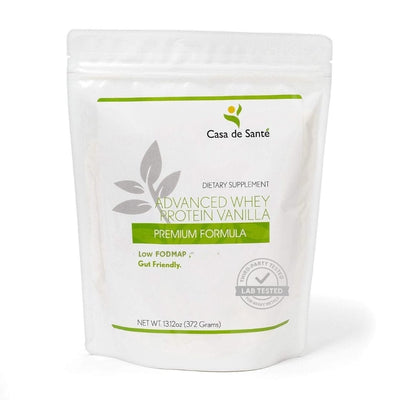
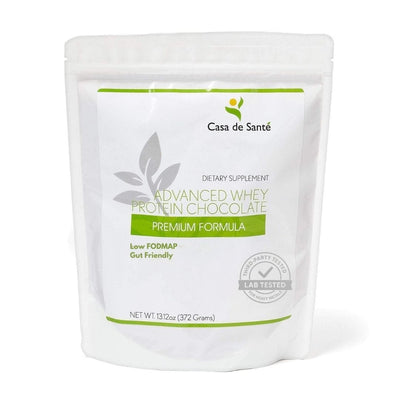
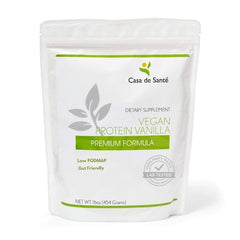
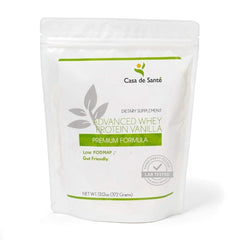
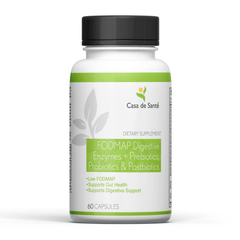
Reduced food intake on GLP-1 medications raises the stakes for every bite. Casa de Sante's protein and nutrition support products are formulated by a physician-scientist specifically for people managing appetite changes on these medications. Learn more at casadesante.com.
This article is for educational purposes only and is not medical advice. Always consult your healthcare provider before making changes to your treatment plan.
Mounjaro Hair Loss Prevention FAQs
Why am I experiencing hair shedding after starting Mounjaro?
Hair shedding after starting Mounjaro is usually due to rapid weight loss triggering telogen effluvium, a temporary resting phase of hair follicles, not the medication itself. It typically begins 1–3 months after weight loss stress and is often short-term.
How can I prevent or reduce hair loss while using Mounjaro?
To minimize hair loss on Mounjaro, prioritize consuming 60–100 grams of protein daily, maintain adequate micronutrients like iron, zinc, vitamin D, and B12, support digestion and absorption by managing GI symptoms, and practice gentle hair care with minimal heat and harsh styling.
What is the typical timeline for hair shedding related to Mounjaro use?
Shedding usually starts 1–3 months after rapid weight loss, peaks at 4–6 months, and gradually improves over 6–12 months with stable weight and proper nutrition. Early intervention helps shorten the shedding duration.
When should I see a doctor about hair loss while on Mounjaro?
Consult your healthcare provider if you notice patchy bald spots, scalp pain or redness, shedding exceeding 200 hairs per day, hair loss persisting beyond 12 months despite good nutrition, or symptoms of anemia or thyroid problems.
Are biotin or collagen supplements effective for preventing Mounjaro-related hair loss?
Biotin deficiency is rare, and excessive biotin can interfere with lab tests. Collagen can be a protein supplement but is not complete. It's best to address measured deficiencies after lab tests rather than relying on these popular supplements alone.
How does managing GI side effects influence hair loss prevention on Mounjaro?
Managing nausea, constipation, and bloating helps maintain consistent protein and nutrient intake, which supports hair follicle health. Poor digestion can worsen nutrient absorption, increasing the risk of hair shedding during Mounjaro therapy.