Low FODMAP Probiotics For Wegovy Gas: What Actually Helps (And What Can Make It Worse) In 2026








If you're on Wegovy and suddenly feel like your abdomen has its own weather system, pressure, burping, that uncomfortable "full of air" sensation, you're not imagining it. Gas and bloating are common on semaglutide, and they can show up even if you were never "a gassy person" before.
A lot of people land on the same question at 11pm after a rough day: Should I take a low FODMAP probiotic for Wegovy gas? The answer is: sometimes. But it depends on why you're bloated in the first place, what's inside the probiotic (including sneaky prebiotics), and whether the real problem is slow motility rather than "bad bacteria." This guide walks you through what actually helps in 2026, without hype, and with the practical details labels don't make easy.
Why Wegovy Can Trigger Gas And Bloating In The First Place
Wegovy (semaglutide) is a GLP-1 receptor agonist. One of the ways it supports weight loss is by slowing gastric emptying, meaning food leaves your stomach more slowly, and by changing how quickly things move through your intestines. That can be helpful for appetite control, but it's also the setup for bloating.
Gas on GLP-1 therapy usually isn't "random." It's typically a combination of slower transit, more fermentation, and sometimes constipation. Once you understand the mechanism, you can choose interventions that match the cause.
How GLP-1 Meds Slow Digestion And Increase Fermentation
When digestion slows down, food, especially fermentable carbohydrates, spends more time in your gut. Your gut bacteria then have more time to break those carbs down. That bacterial breakdown produces gas as a byproduct.
On a week when your dose increases, or when you eat a meal that's harder to digest (high-fat, very fibrous, or high in certain FODMAPs), the "extra time in the system" can translate to:
- More bloating after meals
- More burping or reflux-like pressure
- More lower-abdominal distension later in the day
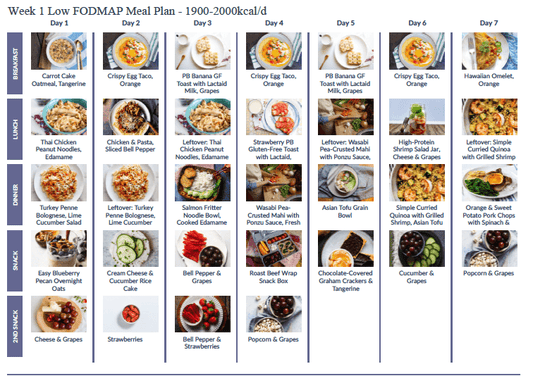
If you're trying to calm fermentation while your motility is slower, simpler meals often feel better: lean proteins (eggs, chicken, fish), smaller portions, and cooked low-FODMAP vegetables (for many people: carrots, spinach, zucchini, potatoes) tend to be easier than large salads, legumes, or heavy, high-fat meals.
Constipation, Sulfur Gas, And Swallowed Air: Common Overlooked Drivers
A few drivers of Wegovy gas are easy to miss:
Constipation and stool "backlog"
If transit slows enough that you're not emptying regularly, gas builds behind that slowdown. Even if you're going "sometimes," incomplete evacuation can keep you bloated.
Sulfur gas
Some people notice a stronger odor (often described as sulfur). That can happen when protein sits longer in the gut or when certain foods and gut microbes produce more sulfur-containing gases. It's not always dangerous, but it's a clue that transit time and fermentation are part of the story.
Swallowed air (aerophagia)
If you're nauseated, chewing gum, sucking on hard candies, drinking through a straw, or using carbonated beverages to "settle your stomach," you may be swallowing more air. Carbonation, in particular, can be a bloating amplifier on GLP-1 therapy.
The key takeaway: if motility is slower, anything that increases fermentation (high-FODMAP foods, certain fibers, prebiotic additives) or adds air (carbonation) can push you from mildly uncomfortable to miserable.
How The Low FODMAP Approach Fits (And Where It Doesn’t)
The low FODMAP approach was developed to reduce IBS-type symptoms by reducing specific fermentable carbohydrates (FODMAPs = Fermentable Oligosaccharides, Disaccharides, Monosaccharides, And Polyols). In plain English: it reduces the carbs that are most likely to be fermented into gas.
On Wegovy, that can be useful, but it's not a perfect match for every situation.
When FODMAPs Matter vs When Motility Is The Real Problem
FODMAPs matter most when your gas is clearly fermentation-driven. Clues include:
- Bloating that ramps up after higher-carb meals
- Symptoms after classic FODMAP triggers (onions/garlic, wheat-heavy meals, beans, certain dairy, certain fruits, sugar alcohols)
- Relief when meals are simpler and lower in fermentable carbs
But for many Wegovy users, the primary issue is motility (slow movement), not "too many FODMAPs." If you're eating very little and still feel backed up, it's often not because your microbiome needs "more bacteria." It's because food and stool are moving slowly.
Also important: in IBS research, adding probiotics on top of a low FODMAP diet doesn't consistently provide extra benefit for everyone. Some people feel better: others notice no change. That's why your best bet is to treat probiotics like a structured experiment, not a permanent essential.
Red Flags That Need Medical Advice Instead Of Diet Tweaks
Diet changes and supplements are for mild to moderate, expected side effects, not for red flags.
Talk to a clinician promptly if you have:
- Severe or worsening abdominal pain
- Persistent vomiting or inability to keep fluids down
- Blood in stool or black/tarry stools
- Constipation that becomes severe or prolonged
- Ongoing diarrhea, dehydration, dizziness, or fainting
- Unexplained weight loss beyond what's expected on therapy
If you're on Wegovy and symptoms feel "off," trust that instinct. It's always appropriate to loop in your prescribing clinician rather than trying to out-supplement a problem that needs medical evaluation.
What “Low FODMAP Probiotic” Really Means: Labels, Strains, And Triggers
Here's the uncomfortable truth: "low FODMAP probiotic" isn't a regulated term. Most products aren't tested for FODMAP content the way foods are. So what you're really looking for is a probiotic that is less likely to trigger fermentation in a slowed-gut environment.
That comes down to three things: the add-ons (especially prebiotics), the strains, and the delivery form.
Prebiotics And FODMAP Add-Ons To Watch For (Inulin, FOS, GOS, Sugar Alcohols)
Many probiotics are actually synbiotics (probiotic + prebiotic). Prebiotics are fibers that feed bacteria. In the right person, they can be helpful. On Wegovy, where transit is slower and gas risk is higher, they can backfire.
On labels, look for (and consider avoiding if gas is your main complaint):
- Inulin
- Chicory root fiber (a major inulin source)
- FOS (fructo-oligosaccharides)
- GOS (galacto-oligosaccharides)
- Sugar alcohols/polyols used as sweeteners or fillers (sorbitol, mannitol, xylitol, maltitol)
These ingredients can be perfectly fine for someone not dealing with GLP-1-related slowing. But if your gut is already moving like it's in slow motion, adding highly fermentable fibers can feel like pouring gasoline on a small fire.
Strain Matters: Why Species Names Beat "50 Billion CFU" Marketing
CFU (colony forming units) tells you how many organisms are in a dose, not whether they're the right organisms for your symptoms.
If a label leads with big numbers and vague language ("advanced gut blend," "metabolic flora," "clinically proven proprietary mix") but doesn't clearly list species (and ideally strains), it's hard to predict your response.
What to prioritize instead:
- Clear genus and species names (example format: Bifidobacterium lactis)
- Even better: strain identifiers (for research-backed strains you'll often see letters/numbers)
- Fewer strains isn't automatically worse. A simpler product can be easier to trial and easier to tolerate.
Capsules, Gummies, Powders, And Drinks: Which Forms Are Most GI-Friendly
For Wegovy gas, the form matters more than most people expect.
Capsules
Often the most GI-friendly because they usually contain fewer sweeteners and fewer "functional" fibers.
Gummies
Commonly contain sugar alcohols or other fermentable ingredients. They're convenient, but they're frequent troublemakers for bloating.
Powders and drinkable probiotics
These often include flavoring agents, sweeteners, or prebiotic fibers to improve taste and texture. If you're sensitive right now, they're more likely to create noise in your experiment.
If you want the cleanest trial, a simple capsule with minimal excipients (fillers) is typically the most controlled way to test whether a probiotic helps your Wegovy gas.
The Best-Studied Probiotic Strains For Gas (That Are Often Low FODMAP)
Probiotics are not one thing. Different organisms behave differently, and your response can be highly individual, especially on GLP-1 therapy where motility is altered.
If your goal is less gas and bloating, these categories have the most practical relevance.
Bifidobacterium Strains For Bloating And Gut Sensitivity
Bifidobacterium species are often discussed in the context of bloating, gut barrier support, and IBS-like symptoms. Certain Bifidobacterium strains have been studied for reducing abdominal discomfort and improving gut sensitivity in some populations.
In real-world GLP-1 use, people often do better with:
- Bifidobacterium-forward products
- Formulas without added inulin/FOS
- Moderate dosing rather than "maximum strength"
A note on expectations: if constipation is the dominant issue, Bifidobacterium may help indirectly, but it won't substitute for addressing slowed transit.
Lactobacillus Strains That May Help With Gas And Transit
Some Lactobacillus species are used in studies and clinical practice for gas, functional bloating, and overall GI comfort. You'll commonly see:
- Lactobacillus acidophilus
- Lactobacillus rhamnosus
- Lactobacillus plantarum
- Lactobacillus gasseri
These strains may be helpful for certain people, but they can also be "too activating" for others at higher doses, especially if you start them during a dose escalation week on Wegovy.
Spore-Based And Yeast Options: When They May Be Better (Or Riskier)
Spore-based probiotics (often Bacillus species) and yeast options (like Saccharomyces boulardii) are popular because they can survive stomach acid well.
Potential upsides:
- Some people find them easier to tolerate
- They may be useful in specific scenarios (for example, certain diarrhea patterns)
Potential downsides:
- They can be more stimulating for a sensitive gut
- Data for "Wegovy gas" specifically is limited
- Yeast-based probiotics may not be appropriate for everyone, particularly if you're immunocompromised or have complex medical conditions
If you're considering spore-based or yeast options and you've had significant side effects on GLP-1 therapy, it's reasonable to run it by your clinician first.
How To Choose A Probiotic If You’re On Wegovy (A Practical Checklist)
If you're trying a low FODMAP probiotic for Wegovy gas, you'll get better results by matching the product to your dominant symptom pattern.
Use this checklist as a way to choose thoughtfully and avoid the most common mistakes.
General checklist (for most Wegovy users with gas):
- Choose a capsule over a gummy or sweetened powder
- Avoid inulin, chicory root, FOS, GOS, and sugar alcohols on the label
- Pick a product with clearly listed species (and ideally strains)
- Start with one product at a time (don't stack new probiotics)
- Keep your diet stable during the trial so you can interpret results
If Constipation Is Primary: Pairing Probiotics With Motility Support
If you're bloated and your bowel movements are infrequent, incomplete, or difficult to pass, the "gas problem" may be a constipation problem wearing a disguise.
In that case, probiotics can be a secondary tool. The primary focus is supporting regular transit in a gentle, GLP-1-compatible way:
- Consistent hydration (small amounts across the day often beat chugging)
- Regular meal timing (skipping meals can worsen sluggishness for some people)
- Fiber choices that don't ferment aggressively (more on that below)
Some people also do better when probiotics are paired with targeted motility support, but any medication or supplement intended to change bowel patterns should be discussed with your clinician, especially if you've had severe constipation on GLP-1 therapy.
If Diarrhea Or Urgency Is Primary: When To Avoid Certain Additives
If your main issue is loose stools, urgency, or "unpredictable" digestion, be careful with probiotics that include:
- Sugar alcohols (common in gummies)
- Large doses of prebiotic fibers
- Multi-ingredient blends that also contain magnesium, herbs, or "detox" ingredients
In this pattern, simpler is safer. You're trying to reduce variables and avoid anything that pulls more water into the gut or increases fermentation.
If You're Perimenopause/Menopause: Hormone Shifts, Fiber Tolerance, And Bloat
If you're in perimenopause or menopause, bloating can be a perfect storm: shifting estrogen and progesterone can affect fluid balance, GI sensitivity, and bowel regularity. Add Wegovy-related slowing, and foods you used to tolerate can suddenly feel like a brick.
What often works better in this phase:
- Lower, steadier fiber rather than sudden "fiber loading"
- More cooked vegetables, fewer raw crucifers during flare-ups
- A probiotic without prebiotic add-ons
If you're also managing sleep disruption, hot flashes, or mood changes, it's worth addressing the full hormonal picture with a clinician, because GI symptoms don't happen in isolation.
How To Start Without Making Gas Worse
Even the "right" probiotic can cause a temporary increase in gas during the first week. That doesn't always mean it's a bad match. It may mean the dose is too high for your current motility, or the timing is off.
Dosing Strategy: Start Low, Go Slow, And Time It With Meals
If you're prone to bloating on Wegovy, more is not better.
A conservative approach that many people tolerate better:
- Start at a partial dose (for example, one-quarter to one-half of the labeled serving)
- Take it with a meal rather than on an empty stomach
- Increase gradually every several days if you're tolerating it
Also consider your Wegovy schedule. Starting a new probiotic the same week as a dose increase can make it harder to tell what's causing what.
How Long To Trial Before You Decide It's Working
A fair trial is usually measured in weeks, not days.
- Many people can tell within 2 to 4 weeks whether bloating is trending down
- Some need up to 6 weeks for a stable pattern
During the trial, track a few simple markers:
- Bloating severity (0–10) at the end of the day
- Bowel movement frequency and ease
- Any new symptoms (reflux, nausea changes, cramps)
If nothing improves after a reasonable trial, it's reasonable to stop. You're not "failing" probiotics. You're getting useful data.
What To Do If Symptoms Spike In The First Week
If gas gets noticeably worse in the first few days:
- Pause the probiotic for several days and see if symptoms settle
- Restart at a lower dose if you want to re-test
- Re-check the label for inulin/FOS/GOS or sugar alcohols
If the spike is severe, or you develop significant pain, vomiting, or severe constipation, stop the product and contact your clinician. With GLP-1 therapy, you always want to take escalating symptoms seriously.
Low FODMAP Add-Ons That Often Work Better Than Probiotics Alone
If you're doing everything "right" with a low FODMAP probiotic and still dealing with Wegovy gas, don't assume you need a different probiotic. Often, the bigger win is reducing fermentation and supporting digestion mechanically.
Targeted Enzymes For Known Triggers (Lactose, Fructans, Galacto-Oligosaccharides)
Enzymes can be a practical tool because they help you digest specific carbohydrates before gut bacteria can ferment them.
Common targets:
- Lactose (dairy sugar)
- Fructans (found in wheat, garlic, onion, inulin/chicory root)
- GOS (common in beans/legumes)
If your bloating is reliably triggered by specific foods, enzyme support is often a cleaner experiment than changing your microbiome ecosystem, especially while motility is slowed.
Electrolytes, Hydration, And Protein Timing To Reduce Fermentation
On Wegovy, appetite can drop enough that you eat less overall, drink less, and unintentionally under-salt your food. Mild dehydration can worsen constipation, and constipation worsens gas.
A few practical patterns that tend to help:
- Hydrate consistently across the day (not just at night)
- Include electrolytes if you're struggling to drink enough or if nausea limits intake
- Prioritize protein earlier in the day if evenings are when your stomach feels the slowest
Also: very large, late meals often ferment overnight in a slowed system. Smaller dinner portions can make mornings easier.
Gentle Fiber Choices That Are More Likely To Be Tolerated
Fiber is important, but on GLP-1 therapy the type and the dose matter.
If you're constipated and bloated, consider fiber strategies that are typically gentler:
- Cooked low-FODMAP vegetables (for many people: carrots, zucchini, spinach)
- Small, gradual increases rather than sudden jumps
- Psyllium can be tolerated by some, but it still needs careful dosing and adequate fluids
If you add fiber and your bloating worsens, it doesn't mean you "can't do fiber." It may mean the dose increased too quickly, the type is too fermentable for you right now, or constipation needs to be addressed first.
Digestive discomfort is one of the most common reasons people struggle with GLP-1 medications. Targeted nutrition support can make a real difference in tolerability. Casa de Sante's physician-formulated digestive enzymes, synbiotics, and motility support supplements are designed specifically for sensitive stomachs on GLP-1 therapy. See what's available at casadesante.com.
This article is for educational purposes only and is not medical advice. Always consult your healthcare provider before making changes to your treatment plan.
Conclusion
If you're searching for a low FODMAP probiotic for Wegovy gas, you're already thinking in the right direction: less fermentation, fewer trigger ingredients, and better tolerance.
But the most useful reframe is this: on Wegovy, bloating is often a motility issue first and a microbiome issue second. A "low FODMAP" probiotic can help when the product is clean (no inulin/FOS/GOS or sugar alcohols), the strains are thoughtfully chosen, and you start slowly enough to match your current digestion.
If your symptoms don't respond to probiotics, that's not a dead end, it's information. In many cases, targeted enzymes, hydration/electrolytes, and gentler fiber choices do more to reduce gas than adding more bacteria. And if you notice red flags or severe symptoms, it's always appropriate to involve your clinician early rather than trying to troubleshoot alone.
Low FODMAP Probiotic FAQ for Wegovy Gas
Why does Wegovy cause gas and bloating?
Wegovy (semaglutide) slows gastric emptying and intestinal motility, causing food to spend more time in the gut. This prolonged transit increases fermentation of carbohydrates by gut bacteria, leading to gas and bloating.
Can taking a low FODMAP probiotic help reduce Wegovy-related gas?
A low FODMAP probiotic may help when chosen carefully—without fermentable prebiotics like inulin, FOS, GOS, or sugar alcohols—and when matched to your symptoms. However, since motility slowdown is the main cause, probiotics offer limited benefits alone and work best alongside dietary adjustments.
What should I avoid in probiotics if I experience gas on Wegovy?
Avoid probiotics containing prebiotic fibers such as inulin, chicory root, FOS, GOS, and sugar alcohols, as these feed gut bacteria and increase fermentation, worsening gas and bloating with slowed digestion on Wegovy.
Which probiotic strains are recommended for managing gas and bloating on Wegovy?
Bifidobacterium strains—like Bifidobacterium lactis Bi-07—and certain Lactobacillus strains, such as L. acidophilus, L. gasseri, L. plantarum, and L. rhamnosus, have shown benefit in easing bloating and gut sensitivity with low fermentable content.
How should I start taking a probiotic to reduce gas while on Wegovy?
Start with a low dose (about one-quarter to one-half the suggested amount) taken with meals to minimize gas spikes. Increase gradually over several weeks, monitoring symptoms, to find the best tolerance and benefit.
Besides probiotics, what other strategies can help reduce Wegovy-related gas and bloating?
Focus on a low FODMAP diet with cooked vegetables, consistent hydration and electrolytes, gentle fiber choices, and targeted digestive enzymes for carbohydrates like lactose or fructans. Also, managing motility through regular meal timing and addressing constipation can significantly improve symptoms.