Low-Dose GLP-1 For Longevity Medicine: What We Know, What We Don’t, And How To Think About It In 2026








If you've been hearing longevity-minded clinicians talk about "microdosing" GLP-1 medications, you're not imagining it. In 2026, more people are asking a different question than "How much weight will I lose?" They're asking, "Can a low dose improve my metabolic health, reduce inflammation, and help me age better, without the nausea, constipation, or muscle loss that can come with full-dose therapy?"
The honest answer is nuanced. We have strong human evidence that GLP-1 receptor agonists improve cardiometabolic risk and cardiovascular outcomes in high-risk groups. We also have intriguing early science suggesting broader organ and inflammation benefits. But we do not yet have definitive clinical trials proving that low-dose GLP-1 use extends lifespan or meaningfully improves healthspan in generally healthy people.
This article will help you think clearly about the "why," the evidence, the tradeoffs people miss, and what a longevity-oriented plan typically includes, especially if you're a woman in your 40s or 50s trying to navigate appetite changes, perimenopause, and the very real GI side effects these meds can cause.
Why Longevity Clinicians Are Interested In “Microdosing” GLP-1s
Longevity medicine is basically risk management over decades. The goal isn't just a smaller body: it's a body that stays metabolically resilient, physically capable, and less inflamed as you age.
That's why GLP-1 medications became interesting to clinicians who think in terms of healthspan. A survey from Evidation reported that a meaningful minority of U.S. GLP-1 users are microdosing (often to reduce side effects, cost, or to avoid aggressive weight loss), and some clinicians report using low doses in perimenopausal patients to support metabolic health rather than pursuing maximal weight loss.
Beyond Weight Loss: Metabolic Flexibility, Inflammation, And Healthspan
GLP-1 receptor agonists (like semaglutide and liraglutide: and dual agonists like tirzepatide) do more than suppress appetite.
They can improve insulin sensitivity (how well your cells respond to insulin), reduce post-meal glucose spikes, and often lower blood pressure and triglycerides. Many of these shifts track with improved "metabolic flexibility," meaning your body can switch between using carbs and fat efficiently instead of getting stuck in a high-insulin, high-craving loop.
There's also an inflammation angle. In higher-risk humans, GLP-1 therapy is associated with reductions in inflammatory markers like hs-CRP. In preclinical research (animal and cell studies), GLP-1 signaling has been linked to reduced oxidative stress, potential neuroprotection, and mitochondrial effects, interesting, but not the same as proven longevity outcomes in people.
So the longevity argument is less "this drug makes you live longer" and more "this drug may lower the downstream risks that shorten healthspan: cardiovascular disease, fatty liver disease, sleep apnea burden, and the metabolic complications that accumulate quietly for years."
What "Low Dose" Usually Means In Practice (And Why Definitions Vary)
Here's where it gets messy: "low dose" isn't a standardized medical category.
In real-world longevity or metabolic optimization clinics, low dose often means one or more of the following:
A sub-therapeutic or sub-maximal dose compared with obesity-treatment targets (for example, staying below 1 mg/week of semaglutide, rather than titrating to higher doses used for weight loss)
The lowest effective dose that improves appetite regulation and metabolic markers with tolerable side effects
A maintenance dose used after a larger loss phase
Definitions vary because goals vary. One clinician may consider "microdose" a tiny dose intended mainly for appetite noise and glucose stability. Another may use "low dose" to mean simply "not pushing the dose upward if you're responding." And some people adopt low dosing because GI side effects are the limiting factor, not the desired outcome.
The key point: if you're considering low-dose GLP-1 for longevity medicine, you're stepping into an area where clinical practice is moving faster than the long-term data.
The Evidence So Far: Potential Longevity Benefits And Where The Data Is Strongest
If you want to think like a clinician-scientist, separate what we know from what we hope.
We know GLP-1 drugs reduce cardiometabolic risk factors and improve cardiovascular outcomes in specific populations (mostly people with type 2 diabetes and/or established cardiovascular disease). We suspect, based on mechanisms and early signals, that there may be broader healthspan benefits. We do not yet have definitive "microdose for longevity" trials in generally healthy adults.
Cardiometabolic Risk Reduction: Blood Sugar, Lipids, Blood Pressure, And Visceral Fat
This is the strongest lane.
GLP-1 therapy improves glycemic control, often lowers triglycerides, can reduce systolic blood pressure, and tends to preferentially reduce visceral fat (the deeper abdominal fat tied to insulin resistance and cardiovascular risk).
Even modest weight loss, especially when it comes off the waistline, can change your risk trajectory. For many people with prediabetes or metabolic syndrome, the longevity benefit may be less about the scale and more about:
Lower average glucose exposure (A1C)
Lower insulin levels (less "hyperinsulinemia," a driver of fat storage and hunger)
Improved lipid markers (particularly triglycerides, and sometimes ApoB depending on the person)
Cardiovascular Outcomes: What Trials Suggest And What's Still Extrapolation
Several large cardiovascular outcomes trials (for example, LEADER with liraglutide) showed fewer major adverse cardiovascular events in high-risk patients, heart attack, stroke, and cardiovascular death.
That's a big deal in evidence-based medicine: fewer events, not just better labs.
But here's the limitation if you're using this as a longevity argument:
Those trials were not designed to test microdosing.
They mostly studied patients with type 2 diabetes and elevated baseline risk.
You can't automatically assume the same magnitude of benefit (or the same risk profile) for a metabolically healthier person taking a low dose primarily for "prevention."
So, cardiovascular data supports the idea that improving metabolic health with GLP-1s can translate into fewer hard outcomes, when baseline risk is high enough. Extrapolating beyond that is plausible, but still extrapolation.
Brain, Liver, And Kidney Signals: Promising Areas With Important Caveats
You'll see headlines about GLP-1s and Alzheimer's disease, kidney protection, and fatty liver improvement.
Some of the most exciting signals are:
Liver: improvements in metabolic dysfunction–associated steatotic liver disease (fatty liver), largely via weight loss and insulin sensitivity
Kidney: reduced albuminuria (protein leakage) and slower progression signals in diabetes-related kidney disease in some studies
Brain: preclinical and observational signals suggesting potential neuroprotective effects
The caveat is simple: these are areas of active research, not settled "longevity prescriptions." Animal studies can show striking multi-organ effects that do not map neatly onto humans. And for low-dose strategies specifically, the evidence is thinner.
If you're drawn to low-dose GLP-1 for longevity medicine, it's reasonable to be curious. It's not reasonable to treat it as proven anti-aging therapy.
The Tradeoffs: Side Effects And Longevity “Gotchas” People Miss
Longevity medicine is about playing the long game. That means side effects that look "minor" in a weight-loss conversation can become major if they change your nutrition status, strength, or quality of life over years.
Lean Mass, Frailty Risk, And How Protein And Strength Training Change The Equation
One of the most overlooked longevity risks on GLP-1 therapy is lean mass loss.
When you lose weight, you lose a mix of fat mass and lean mass (mostly muscle). If appetite drops sharply and protein intake falls, your body has fewer building blocks to maintain muscle tissue. Over time, low muscle mass increases frailty risk, meaning less strength, worse balance, higher fall risk, and reduced metabolic health.
This matters even more if you're a woman in perimenopause or menopause, when muscle loss accelerates with declining estrogen.
The good news: the equation changes when you do two things consistently:
Prioritize adequate protein across the day
Do progressive resistance training (strength training that gets gradually harder)
In other words, GLP-1 can be part of a longevity plan only if your plan is explicitly "anti-frailty."
GI Side Effects, Constipation, Reflux, And Bloating: Mechanisms And Common Triggers
GLP-1 medications slow gastric emptying (how fast food leaves your stomach) and can reduce gut motility (how effectively the intestines move things forward). That's a feature for appetite control, but it's also why nausea, reflux, bloating, and constipation are so common.
Low dose often helps, but it doesn't make GI side effects disappear, especially if triggers stack up.
Common triggers clinicians see:
Large meals after long gaps (your stomach empties more slowly, so big portions can backfire)
High-fat meals (fat naturally slows gastric emptying even more)
Carbonated drinks and sugar alcohols (can worsen bloating)
Rapid fiber increases (healthy in theory, miserable in practice if you jump too fast)
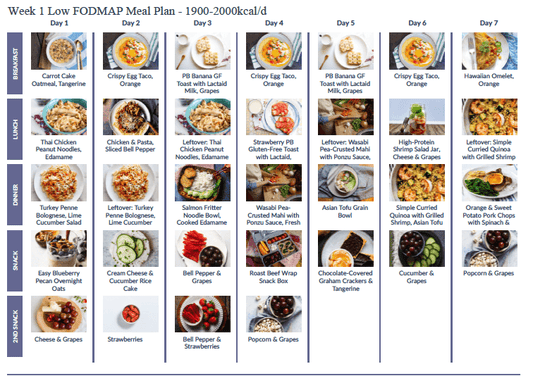
If you have IBS or a sensitive gut, you may do better with a slower, more intentional approach to fiber and food volume. Some people use low-FODMAP adjustments (reducing certain fermentable carbohydrates) to decrease bloating and gas while they stabilize on therapy.
Gallbladder, Pancreas, And Thyroid Concerns: What To Monitor And Who's Higher Risk
There are also safety considerations that deserve plain-English clarity.
Gallbladder: Rapid weight loss itself increases gallstone risk, and GLP-1 therapy is associated with gallbladder-related events in some studies. If you've had gallstones before, or you're losing weight quickly, this is worth discussing proactively.
Pancreas: Pancreatitis is uncommon, but it's a serious condition. If you have a personal history of pancreatitis, your prescriber will typically be more cautious.
Thyroid: GLP-1 receptor agonists carry warnings related to medullary thyroid carcinoma risk based on rodent findings. They're generally avoided if you have a personal or family history of medullary thyroid cancer or MEN2 (multiple endocrine neoplasia type 2).
Longevity medicine isn't just about adding interventions. It's about choosing the right intervention for the right person, and not ignoring low-frequency, high-impact risks.
Who Might Consider Low-Dose GLP-1 For Healthspan—And Who Shouldn’t
A longevity-oriented use case should have a clear "why." If the best argument is social media, it's not a medical plan.
Best-Fit Profiles: Prediabetes, Metabolic Syndrome, Visceral Adiposity, Sleep Apnea
Low-dose GLP-1 for healthspan tends to make more sense when you have measurable metabolic risk, such as:
Prediabetes (elevated A1C or fasting glucose)
Metabolic syndrome (a cluster that can include high waist circumference, triglycerides, blood pressure, and impaired glucose)
Visceral adiposity (more abdominal fat even if your BMI isn't dramatic)
Obstructive sleep apnea (often worsened by visceral fat and insulin resistance)
In these profiles, the potential upside isn't cosmetic. It's risk reduction.
Red Flags And Contraindications: Eating Disorders, Pregnancy, Severe GI Motility Issues
There are situations where "microdosing for longevity" is the wrong frame, or the wrong medication.
Red flags include:
Current or recent eating disorder behavior or severe restriction patterns (GLP-1s can intensify restriction and worsen medical and psychological risk)
Pregnancy or trying to conceive (these medications are generally not used in pregnancy)
Severe GI motility disorders (for example, significant gastroparesis), where slowing motility further can be unsafe
A history that raises concern for pancreatitis or specific thyroid cancer syndromes
If any of these apply, your clinician may recommend different tools for metabolic health.
Perimenopause And Menopause: Weight Set Point, Hormones, And Symptom Overlap
This is the group where the conversation gets most personal, and most misunderstood.
In perimenopause and menopause, you can experience:
A rising weight "set point" (your body defends a higher weight)
More central fat storage
Sleep disruption, mood changes, and hot flashes
A drop in muscle mass and recovery capacity
GLP-1 therapy can help with appetite regulation and insulin resistance, but it doesn't replace hormone evaluation, strength training, or sleep support. And some symptoms overlap: nausea, fatigue, constipation, and appetite changes can be medication effects, hormone-related, or both.
If you're considering low-dose GLP-1 for longevity medicine during this phase of life, it's worth working with a clinician who's comfortable managing both metabolic therapy and hormone transitions, so you're not guessing which lever to pull.
Designing A Longevity-Oriented Low-Dose Plan With Your Clinician
If you and your clinician decide a low-dose plan is reasonable, the longevity version should look different from a "lose as much as possible as fast as possible" protocol.
Dosing Strategy: Slow Titration, Lowest Effective Dose, And Maintenance Options
A longevity-oriented approach is usually built around three principles:
Slow titration: increasing gradually to reduce nausea, reflux, and constipation risk
Lowest effective dose: stopping dose escalation once appetite, cravings, and metabolic markers improve enough
Maintenance thinking: planning for what happens after the initial response, because the goal is sustainability, not white-knuckling side effects
Your clinician may also consider whether you're using semaglutide versus tirzepatide, your baseline appetite, your GI sensitivity, and whether you've had side effects in prior attempts.
Nutrition Priorities: Protein Targets, Fiber Tolerance, And Low-FODMAP Adjustments
For longevity, nutrition has to be treated like a primary therapy.
Protein: Many adults on GLP-1 simply don't feel like eating. But muscle is not optional for healthspan. Your clinician or dietitian may set a daily protein target based on your body size, age, and training, then help you distribute it across meals so you're not trying to "catch up" at night.
Fiber: Fiber supports cardiometabolic health, but on GLP-1s it's easy to overshoot too quickly and worsen bloating or constipation. A slow ramp tends to work better than an abrupt "30 grams starting tomorrow."
Low-FODMAP adjustments: If you're prone to IBS-type symptoms, a temporary low-FODMAP approach can reduce gas and distension while you stabilize medication dosing and rebuild predictable stool patterns.
Training, Sleep, And Stress: The "Anti-Frailty" Stack That Makes GLP-1 Safer
If you want GLP-1 therapy to support longevity rather than undermine it, your non-negotiables are:
Strength training 2 to 4 days per week (progressive, not random)
Daily movement (walking is underrated for glucose control and digestion)
Sleep protection (because sleep loss increases cravings and worsens insulin resistance)
Stress management that's actually doable (chronic stress pushes appetite and glucose in the wrong direction)
This is the part that doesn't go viral online, but it's the part that makes the whole strategy make sense.
Monitoring And Labs: What To Track For Healthspan, Not Just The Scale
If the only metric you track is weight, you can accidentally trade muscle, hydration, and nutrient status for a smaller number.
A healthspan-oriented plan tracks outcomes that predict how you'll function in 10 to 20 years.
Body Composition And Strength: How To Measure Progress Beyond Weight
Useful options include:
DEXA scans (to estimate fat mass versus lean mass and track changes over time)
Waist circumference (a simple proxy for visceral fat trends)
Strength markers (for example, how many solid push-ups you can do, or whether your squat and row numbers are improving)
Resting heart rate and step count trends (not perfect, but helpful context)
If you're losing weight but your strength is falling and your energy is worse, that's not a longevity win.
Metabolic Markers: A1C, Fasting Insulin, ApoB, Triglycerides, And hs-CRP
Labs that often matter in this conversation:
A1C: your 2 to 3 month average glucose
Fasting insulin: a rough marker of insulin resistance when interpreted in context
ApoB: a strong marker of atherogenic lipoprotein burden (heart risk)
Triglycerides: often improve with better insulin sensitivity
hs-CRP: an inflammation marker that can move with weight, diet, sleep, and metabolic health
You and your clinician can use these to decide whether low-dose therapy is delivering meaningful risk reduction, or whether lifestyle interventions alone are sufficient.
GI And Nutrition Status: Hydration, Electrolytes, Micronutrients, And Stool Patterns
GLP-1 side effects can quietly shift your physiology.
If you're eating less and feeling nauseated, you may under-consume:
Fluids and electrolytes (which can worsen fatigue, constipation, and headaches)
Micronutrients (especially if your diet variety drops)
Overall calories (which can accelerate muscle loss)
Tracking stool pattern matters too. Constipation isn't just uncomfortable: it can worsen reflux, appetite, and bloating, and it's one of the most common reasons people stop therapy.
A simple, practical approach is to pay attention to frequency, consistency, and whether you're straining, then bring that data to your clinician instead of suffering in silence.
Conclusion
Low-dose GLP-1 for longevity medicine sits in a gray zone: clinically compelling for certain risk profiles, mechanistically interesting for inflammation and organ health, but not yet proven as a longevity intervention in the strict sense.
If you're considering it, your best move is to treat it like a long-term health strategy, not a shortcut. That means a conservative dosing mindset, an anti-frailty plan (protein plus strength training), and monitoring that prioritizes metabolic markers and body composition, not just appetite suppression.
GI side effects don't have to be the price of admission for GLP-1 therapy. Casa de Sante offers physician-formulated gut support products built for the specific digestive challenges these medications create. Explore your options at casadesante.com.
This article is for educational purposes only and is not medical advice. Always consult your healthcare provider before making changes to your treatment plan.
Frequently Asked Questions about Low Dose GLP-1 for Longevity Medicine
What is low dose GLP-1 therapy in longevity medicine?
Low dose GLP-1 therapy involves using sub-therapeutic or 'microdoses' of GLP-1 receptor agonists to improve metabolic health, reduce inflammation, and potentially support healthspan without major side effects or aggressive weight loss.
How does low dose GLP-1 medication benefit metabolic health and aging?
Low dose GLP-1 improves insulin sensitivity, reduces post-meal glucose spikes, lowers inflammation markers, and enhances metabolic flexibility, potentially lowering risks that shorten healthspan such as cardiovascular disease and fatty liver.
Who are the ideal candidates for low dose GLP-1 therapy focused on longevity?
Individuals with measurable metabolic risks like prediabetes, metabolic syndrome, visceral adiposity, sleep apnea, or women in perimenopause seeking metabolic support may benefit most from low dose GLP-1 for healthspan.
What are the common side effects and risks associated with low dose GLP-1 use?
GI side effects like nausea, constipation, bloating, and reflux are common but usually milder with low doses. Muscle loss is a critical risk, especially without adequate protein intake and strength training, requiring careful monitoring.
How should a longevity-oriented low dose GLP-1 plan be designed?
A prudent plan includes slow dose titration to the lowest effective level, prioritizing adequate protein and fiber intake (often with low-FODMAP adjustments), regular strength training, sleep hygiene, and regular monitoring of metabolic and nutritional markers.
Is there definitive proof that low dose GLP-1 extends lifespan?
No definitive clinical trials yet prove that low dose GLP-1 extends lifespan or healthspan in healthy adults; current evidence supports cardiometabolic benefits and reduced inflammation mostly in higher-risk groups, with promising but preliminary data in other areas.