How To Stop GLP-1 Bloating Fast: Practical, Doctor-Aligned Fixes That Actually Work (2026)








GLP-1 medications like semaglutide and tirzepatide can be life-changing for weight and metabolic health. But if you're dealing with that tight, "stuck," distended feeling after meals, GLP-1 bloating can make you wonder whether the medication is worth it.
The good news: most GLP-1 bloating is predictable, most intense early on or after a dose increase, and often improves as your body adapts over 2 to 6 weeks. The even better news is that you can usually reduce it quickly by changing how (and what) you eat, addressing constipation early, and knowing which over-the-counter options are actually worth your time.
Below is a practical, doctor-aligned approach to how to stop GLP-1 bloating without derailing your progress.
Why GLP-1 Medications Cause Bloating In The First Place
Bloating on GLP-1 therapy isn't "in your head," and it's not a character flaw. It's a predictable downstream effect of how these medications work.
In clinical trials and real-world use, gastrointestinal symptoms (including bloating, abdominal distension, constipation, and reflux) are common, especially during titration. Estimates vary by study design and dose, but a meaningful minority of people report bloating-type symptoms, and many notice a clear pattern: it's worse early on and after dose increases.
Slower Gastric Emptying And Fermentation: The Two Main Drivers
GLP-1 receptor agonists are designed to slow gastric emptying (how quickly your stomach moves food into the small intestine). That's part of why you feel full sooner and stay full longer.
But when food sits in the stomach and upper GI tract longer than you're used to, a few things happen:
- Mechanical "back-up"
Your stomach simply feels fuller. If you eat the same portion you ate before starting GLP-1 therapy, it can feel like it's just sitting there.
- More fermentation and gas
Slower movement through the gut can increase the amount of time bacteria have to ferment carbohydrates. Fermentation produces gas, and gas plus slowed motility equals distension.
- Slower overall transit
Many people also experience slowed intestinal transit, which sets the stage for constipation. And constipation is one of the most common "hidden" causes of persistent bloating on GLP-1s.
When Bloating Signals Constipation, Reflux, Or Food Intolerance
"Bloating" is a catch-all symptom. The fix depends on what's actually driving it in your body.
Here are patterns that suggest a specific cause:
Bloating that builds over days, with fewer or harder bowel movements
This often points to constipation or incomplete emptying. You can be going "daily" and still be backed up if stools are small, hard, or you feel unfinished.
Bloating with burping, nausea, or a sour taste
This can be reflux or regurgitation related to delayed stomach emptying. Lying down soon after eating tends to make it worse.
Bloating that spikes after particular foods
On GLP-1s, you may temporarily tolerate fats, large fiber loads, or sugar alcohols (common in "keto" and "sugar-free" products) much less well than you did before.
Your goal isn't to be perfect. It's to identify your main pattern so you can pick the highest-impact fix first.
Quick Relief: What To Do Today When You Feel Uncomfortably Bloated
If you're bloated right now, you want something you can do today, not a 6-week lifestyle overhaul. Start with the levers that reduce stomach load, improve motility, and minimize additional gas production.
Adjust Meal Size, Pace, And Timing (Without Losing Progress)
On GLP-1 therapy, portion size is a side-effect management tool.
Try this for the next 24 to 48 hours:
Smaller meals, more often
Instead of one "normal" meal, consider two mini-meals spaced 2 to 3 hours apart. This reduces the chance of food "stacking" in your stomach.
Slow down on purpose
Aim for 20 to 30 minutes per meal. When you eat quickly, you swallow more air and you're more likely to overshoot the smaller portion your slower-emptying stomach can handle.
Stop at "no longer hungry," not "full"
GLP-1 fullness can show up late. If you wait for a strong full signal, you're more likely to feel uncomfortably stuffed 30 to 60 minutes later.
Time heavier foods earlier in the day
Many people have more nausea and bloating later in the day, especially in the first weeks of treatment. If that's you, make lunch your "bigger" meal and keep dinner simpler and smaller.
Gentle Movement, Hydration, And Heat: Simple Tools That Help
These are basic, but they're not trivial.
A 10- to 20-minute easy walk after meals
Gentle movement supports gastric and intestinal motility. You're not trying to burn calories here. You're trying to help your gut move.
Stay upright after eating
If reflux and pressure are part of your bloating, avoid lying down for 2 to 3 hours after meals.
Hydrate steadily, not all at once
Large volumes of fluid with meals can increase stomach distension. Sip water across the day.
Use warmth strategically
A heating pad over the abdomen can relax the gut-brain axis and reduce the "tight" sensation for some people.
If your bloating is paired with constipation, these same steps help, but they usually won't be enough on their own. You'll want a more intentional regularity plan (we'll cover that below).
Smarter Eating On GLP-1s: A Bloating-Reducing Meal Framework
If you're searching "how to stop GLP-1 bloating," your food choices matter, but so does the sequence and texture of what you eat. Early on, your digestive system often does better with simpler inputs.
Build Meals Around Protein-First, Low-Grease, Lower-Fiber Early On
A practical framework that works well during titration:
- Protein first
Choose a lean, easy-to-digest protein as your anchor: eggs, Greek yogurt, cottage cheese, fish, chicken, tofu, tempeh, or a gut-tolerant protein shake.
- Add cooked, softer plants
Cooked zucchini, carrots, spinach, green beans, peeled potatoes, squash, or well-cooked rice can be gentler than raw vegetables early on.
- Go easy on added fats
High-fat meals slow emptying even more and can amplify nausea and bloating. You don't need "zero fat," but keep greasy meals, fried foods, and heavy sauces as occasional, not daily.
- Keep fiber "right-sized" at first
Fiber is healthy, but big jumps in fiber while your motility is slowed can worsen gas and distension. Early on, think "moderate and consistent," not "suddenly 35 grams a day."
Limit Common Triggers: Carbonation, Sugar Alcohols, High-Fat Meals, And Large Salads
Some triggers are predictable on GLP-1 therapy because they either add gas, slow emptying further, or ferment easily.
Carbonated drinks
Even sparkling water can worsen bloating simply by adding gas. If you're bloated, switch to still water for a week and see what changes.
Sugar alcohols
Sorbitol, xylitol, erythritol, maltitol and friends are common in protein bars, "sugar-free" candy, and keto snacks. They can pull water into the gut and ferment, creating major gas for some people.
High-fat meals
Think pizza, wings, creamy pastas, fast food. These are common "why do I feel awful?" meals on GLP-1s.
Large raw salads
Raw cruciferous vegetables (broccoli, cauliflower, cabbage) and big bowls of leafy greens can be tough when motility is slow. Try smaller portions, cooked veggies, or blended soups until symptoms calm down.
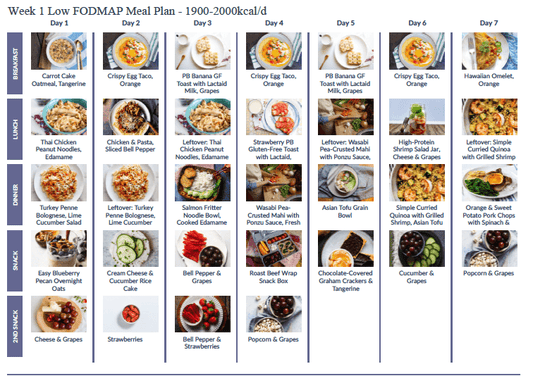
Consider A Low-FODMAP "Reset" If Symptoms Persist
If bloating is persistent (especially with gas) even though portion changes, a short low-FODMAP reset can be useful.
FODMAPs are specific fermentable carbohydrates that can increase gas and water in the intestines. A low-FODMAP approach is not meant to be forever, and it's not a "clean eating" badge. It's a symptom-management tool.
A practical way to use it on GLP-1 therapy:
Do a 2-week reset
Temporarily reduce high-FODMAP foods (like onions, garlic, wheat-based products, certain dairy, and some fruits/legumes).
Track symptoms, not perfection
You're looking for clear improvement, not a flawless spreadsheet.
Reintroduce strategically
Once you feel better, reintroduce categories to figure out your personal triggers.
If you already have IBS or a sensitive gut, this approach often pairs well with GLP-1 side effect management because it reduces fermentation while your motility is adapting.
Fix The Most Common Hidden Cause: GLP-1 Constipation And Incomplete Emptying
If I had to pick one "highest yield" fix for GLP-1 bloating, it's this: treat constipation early, before it becomes your new normal.
Because when stool sits in the colon longer, you tend to get:
More water pulled out of stool (harder stools)
More fermentation (more gas)
More distension (more bloating)
And you can feel bloated even if you're still having some bowel movements.
Daily Fiber Strategy: Soluble Fiber First, Then Titrate Up
Not all fiber behaves the same.
Soluble fiber
This type forms a gel and can support easier stool passage. Examples include psyllium and partially hydrolyzed guar gum (PHGG).
A GLP-1-friendly way to start:
Start low
Begin with a small dose once daily.
Increase slowly
Titrate every several days based on comfort. If you jump too fast, gas and bloating can worsen.
Pair with water
Fiber without enough fluid can backfire.
Insoluble fiber
This is the "roughage" type found in wheat bran and some raw vegetables. It can help some people, but it's more likely to cause bloating when your gut is already slowed. That's why soluble first is usually the gentler strategy.
Osmotic Options, Magnesium, And When To Talk To Your Clinician
If fiber alone isn't enough, osmotic laxatives are often used because they draw water into the colon to soften stool.
Common osmotic options
Polyethylene glycol (PEG 3350) is a widely used example. It doesn't "stimulate" the bowel: it softens and supports more complete emptying.
Magnesium
Some forms (commonly magnesium citrate) can have an osmotic effect. Magnesium can be helpful, but it's not right for everyone, and dose matters.
When to involve your clinician
You should talk to your prescriber if:
Constipation is lasting more than 1 to 2 weeks even though basic measures
You're relying on frequent stimulant laxatives
You have significant abdominal pain, vomiting, or can't keep fluids down
You have a history of bowel obstruction, inflammatory bowel disease, or prior GI surgery (these change the risk/benefit calculus)
One more point that's easy to miss: if your appetite is low, your total food volume drops. Less volume can mean less stool bulk. That's another reason constipation can sneak up on you during GLP-1 weight loss.
Supplements And OTC Options: What’s Worth Trying (And What To Skip)
There's no shortage of "de-bloat" products online. Most are either under-dosed, over-hyped, or basically diuretics (which can make you feel temporarily lighter without addressing the GI cause).
Here's what's most reasonable to consider, with a GLP-1 lens.
Digestive Enzymes, Peppermint, And Probiotics: Who They Help
Digestive enzymes
Enzymes may help if your bloating is tied to difficulty breaking down certain foods (for example, legumes, some vegetables, or lactose, depending on the formula). They're most useful when you can predict the trigger meal.
Peppermint oil
Enteric-coated peppermint oil has evidence for reducing IBS-type abdominal pain and bloating for some people, likely by relaxing intestinal smooth muscle. If your bloating feels crampy or spasm-like, peppermint may be worth discussing with your clinician.
Simethicone
This OTC option can help break up gas bubbles for some people. It's generally used for short-term relief.
Probiotics
The evidence for probiotics is mixed, and effects are strain-specific. Some people feel better, some feel worse (more gas), and many feel no change. If you try one, give it a defined trial period and stop if symptoms worsen.
What to skip
Be cautious with aggressive "detox teas," stimulant-heavy products, and anything marketed as a guaranteed fast fix. If the mechanism is "make you poop urgently," it can create dependency or worsen cramping.
Electrolytes, Protein Powders, And "Gut-Friendly" Ingredients To Look For
Electrolytes
If nausea reduces your intake, dehydration can worsen constipation and bloating. An electrolyte mix can be helpful, especially if you're also increasing protein and walking more. Choose options without sugar alcohols if those trigger you.
Protein powders
Protein is important for preserving lean mass during GLP-1 weight loss, but some protein powders worsen bloating because of lactose, gums, inulin/chicory root, or sugar alcohols.
If you're sensitive, look for:
Lower lactose (or lactose-free) options
Minimal sugar alcohols
No large doses of inulin/chicory root fiber if you're already bloated
A short ingredient list
"Gut-friendly" ingredients
In general, simpler is better during symptom flares. The more add-ins a product has (prebiotic fibers, sweeteners, thickening gums), the higher the odds something won't agree with you in the short term.
Dose, Injection Habits, And Medication Timing Tweaks To Discuss With Your Prescriber
Sometimes bloating isn't just about what you ate. It's about where you are in the medication schedule.
Bloating tends to peak:
During the first weeks of starting therapy
In the days after an injection
After dose escalation
You can't (and shouldn't) change your dosing plan on your own, but you can bring specific, helpful questions to your prescriber.
Titration Speed, Dose Holds, And Splitting Meals Around Peak Nausea Windows
Topics worth discussing:
Slower titration
If symptoms are intense, some people do better with a longer time at a lower dose before moving up.
Dose holds
A temporary hold at the current dose (instead of escalating on schedule) may allow your GI tract to adapt.
Timing your meals around your "peak side effect window"
Many people notice predictable days when nausea and bloating are worse (often 24 to 72 hours after dosing, though it varies). Planning lighter, lower-fat, lower-fiber meals during that window can reduce misery without affecting long-term progress.
When Bloating Is Worse With Tirzepatide Vs Semaglutide (And What To Ask About)
People respond differently to semaglutide vs tirzepatide. Tirzepatide targets both GIP and GLP-1 receptors, which can change appetite effects and GI tolerability from person to person.
If you notice one medication seems to worsen bloating compared to another (or compared to earlier weeks), it's reasonable to ask:
Is my dose increase schedule too fast for my symptoms?
Would a longer dose hold make sense?
Are there contributing factors like constipation that we should treat more aggressively?
If I can't tolerate this medication even though supportive measures, are there alternative strategies (including different dosing approaches) that still support my goals?
A good prescriber will take your side effects seriously and work with you on a plan that balances results with quality of life.
Special Considerations For Perimenopause And Menopause
If you're in perimenopause or menopause, bloating can feel extra confusing because your baseline may already include fluid shifts, constipation, and changes in body composition.
There isn't strong evidence that GLP-1s uniquely worsen bloating in menopause compared to other groups. But clinically, the overlap of hormone changes and slowed motility can make symptoms more noticeable.
Hormone Shifts, Fluid Retention, And Constipation: How They Overlap With GLP-1s
As estrogen fluctuates and declines, some women notice:
More constipation (changes in gut motility and pelvic floor function can contribute)
More perceived abdominal distension (fluid shifts and inflammation can play a role)
More sensitivity to high-salt or highly processed meals
Layer a GLP-1 on top, and the "slower transit" effect can amplify what was already brewing.
If your bloating feels cyclic, pay attention to:
Salt intake
Alcohol
Sleep quality
Your bowel pattern across the month
Those factors won't replace the GLP-1 mechanism, but they can turn the volume up or down.
Nutrition Priorities: Protein, Iron, Calcium, And Gut-Calming Carbs
When you're eating less, nutrient density matters more.
Protein
Prioritize it at most meals to preserve lean mass.
Iron
If you still menstruate in perimenopause, iron needs may remain significant. Low iron can worsen fatigue, which can make movement (and constipation management) harder.
Calcium and vitamin D
Important for bone health, especially as estrogen declines.
Gut-calming carbs
During symptom flares, "gentler carbs" (like rice, oats, potatoes, or sourdough for some people) can be easier to tolerate than large salads or very high-fiber bowls.
If you're also exploring hormone therapy or dealing with menopause symptoms (sleep disruption, hot flashes, mood changes), it's worth working with a clinician who can look at the full picture rather than treating bloating as an isolated complaint.
When To Seek Medical Care And Rule Out Red Flags
Most GLP-1 bloating is uncomfortable but not dangerous. Still, you should know what crosses the line from "expected side effect" to "needs evaluation."
Warning Signs: Severe Pain, Persistent Vomiting, Fever, Or No Bowel Movement
Seek urgent medical care or contact your clinician promptly if you have:
Severe or worsening abdominal pain
Persistent vomiting or inability to keep fluids down
Fever
Signs of dehydration (dizziness, very dark urine, fainting)
No bowel movement for more than 3 days, especially with worsening distension or pain
Black or bloody stools
These symptoms can signal complications that shouldn't be managed at home.
Labs And Tests That May Be Considered If Symptoms Don't Improve
If bloating is persistent, recurrent, or severe even though supportive measures, your clinician may consider:
Basic labs to assess hydration and electrolytes
Evaluation for constipation complications or significant stool burden
Assessment for reflux or delayed gastric emptying symptoms that are not improving
Review of your medication list (other drugs can worsen constipation)
The goal isn't to "test everything." It's to make sure you're not missing a treatable contributor (like significant constipation) or a condition that needs a different approach.
Digestive discomfort is one of the most common reasons people struggle with GLP-1 medications. Targeted nutrition support can make a real difference in tolerability. Casa de Sante's physician-formulated digestive enzymes, synbiotics, and motility support supplements are designed specifically for sensitive stomachs on GLP-1 therapy. See what's available at casadesante.com.
This article is for educational purposes only and is not medical advice. Always consult your healthcare provider before making changes to your treatment plan.
Conclusion
If you want the fastest path to less GLP-1 bloating, focus on the fundamentals that match the mechanism: smaller meals, slower eating, less grease, fewer high-fermentation triggers, and an early constipation plan that you actually stick with.
Most importantly, don't "push through" escalating symptoms week after week. Bloating that's tied to titration often improves, but persistent bloating deserves a more deliberate strategy and, sometimes, a dosing conversation with your prescriber. You can usually find a version of GLP-1 therapy that works with your body, not against it.
How to Stop GLP-1 Bloating: Frequently Asked Questions
Why does GLP-1 medication cause bloating?
GLP-1 medications slow gastric emptying, causing food to stay longer in the stomach. This delays transit, promotes bacterial fermentation, gas buildup, and can lead to bloating and constipation, especially during dose increases or early treatment weeks.
How can I quickly relieve bloating caused by GLP-1 meds?
To reduce GLP-1 bloating quickly, eat smaller, more frequent meals slowly (over 20-30 minutes), avoid gas-producing foods, take a gentle walk after meals, stay upright for 2-3 hours, and hydrate steadily throughout the day.
What dietary changes help reduce bloating on GLP-1 therapy?
Focus on lean proteins first, add cooked, soft vegetables, limit added fats, avoid carbonated drinks, sugar alcohols, high-fat meals, and large raw salads. A short low-FODMAP diet reset may also help if bloating persists.
How does constipation affect GLP-1 bloating and what can I do?
Constipation worsens bloating by increasing stool fermentation and gas. Starting with soluble fiber supplements gradually, staying hydrated, and using osmotic laxatives like polyethylene glycol or magnesium (under clinician guidance) can help manage constipation.
Can adjusting GLP-1 medication dosing help with bloating?
Yes, discussing slower titration, dose holds, or timing meals around peak side effect windows with your healthcare provider can reduce bloating. Some may tolerate one GLP-1 medication better than another, such as semaglutide over tirzepatide.
When should I seek medical advice for GLP-1 bloating symptoms?
Seek prompt medical care if bloating is accompanied by severe abdominal pain, persistent vomiting, fever, dehydration signs, no bowel movement for over three days, or black/bloody stools, as these may indicate complications requiring urgent evaluation.