How To Inject GLP-1 Safely And Confidently: A Step-By-Step Guide For First-Time (And Returning) Users In 2026








The first GLP-1 injection can feel like a weird mix of "this is simple" and "please don't let me mess this up." That's normal. Whether you're starting semaglutide or tirzepatide for weight, blood sugar, or both, the goal is the same: get the medication into the subcutaneous (fatty) layer consistently, comfortably, and safely.
This guide walks you through how to inject GLP-1 step by step (vials/syringes, multi-dose pens like Ozempic, and single-dose autoinjectors). You'll also get a practical site-rotation plan, troubleshooting tips, and the safety checks that matter, especially if you're dealing with nausea, constipation, reflux, or other GI side effects that often come with GLP-1 therapy.
One note up front: always follow your prescription label and your clinician's training. This is a general GLP1 injection guide, not a replacement for medical advice.
What You’re Injecting: GLP-1 Basics That Affect How You Take It
GLP-1 medications (like semaglutide and tirzepatide) mimic or influence gut hormones involved in appetite and blood sugar regulation. That "gut hormone" connection is why they can be so effective, and also why side effects often show up in your digestion.
From an injection standpoint, what matters most is this: these meds are designed to be absorbed slowly and steadily when they're injected into the fatty tissue under your skin (subcutaneous tissue). Not into muscle. Not into a vein.
Weekly Vs Daily GLP-1s And Why Timing Matters
Some GLP-1s are weekly (common for convenience and stable medication levels), while others are daily. Your timing affects:
- Consistency: taking it on the same day (and roughly the same time) helps you remember and keeps your routine steady.
- Side effects: many people notice nausea or low appetite peaks in the first 24–72 hours after a dose increase. Knowing your "pattern" helps you plan meals, workouts, and social events.
- Missed-dose rules: weekly meds often have a specific window for when you can take a late dose versus skipping and waiting.
Practical tip: pick a dosing day that matches real life. If your side effects tend to hit the next day, you might prefer a shot on Friday night rather than Monday morning.
Subcutaneous Injection 101: Where The Medicine Should Go
A subcutaneous injection goes into the fat layer just beneath the skin. That layer helps provide slow absorption.
Common subcutaneous areas include:
- Abdomen (typically 2–3 inches away from your belly button)
- Thigh (middle third of the front/outer thigh)
- Upper arm (back of the arm, in the fatty area, often easier with help)
If you're fairly lean, pinching the skin (more on this later) helps you avoid injecting too deep into muscle, especially in the thigh or arm.
Before You Inject: Safety Checks And Setup
Most injection mistakes happen before the needle ever touches your skin, rushing, improvising, or injecting when you're not sure the medication is okay.
Here's the setup you want every time.
Supplies Checklist And Clean Technique
Use this checklist before you start. You'll need:
- Your GLP-1 medication (pen or vial)
- New needle (for pens) or syringe + needle (often 25–27 gauge depending on your prescription and training)
- Alcohol swabs
- A sharps container (FDA-cleared is best: a heavy-duty puncture-resistant container is the minimum)
- Optional: clean tissue/cotton ball, small bandage
Clean technique basics:
- Wash your hands with soap and water (20 seconds). Dry well.
- Work on a clean, well-lit surface.
- Check the label: right medication, right dose, right day.
- Inspect the medication: if it looks cloudy (when it shouldn't), has particles, or seems off, don't use it, call your pharmacy/clinician.
If you use a vial:
- Swab the rubber stopper with alcohol and let it dry.
- Draw air into the syringe equal to your dose, inject that air into the vial, then withdraw the dose (this helps the vial draw smoothly).
- Tap out bubbles gently and re-check the measurement.
Storage, Expiration, And Temperature Rules
Storage varies by brand, but the safe general rules are:
- Refrigeration is standard for unopened GLP-1s.
- Many products allow room temperature for a limited time (often days to weeks depending on the medication). Don't guess, use your package insert.
- Don't freeze. Don't use medication that's been frozen.
Before injecting, check:
- Expiration date (and any beyond-use date if your pharmacy provided one)
- Whether the pen/vial has been stored within the allowed temperature window
Comfort tip: if your clinician/pharmacist says it's acceptable for your product, letting a refrigerated dose sit out briefly can reduce stinging. Don't heat it in a microwave or hot water, just let it come closer to room temp naturally.
When To Delay A Dose And When To Call Your Clinician
Delay and call your clinician (or follow your clinic's protocol) if you have:
- Signs of a serious allergic reaction (hives, swelling of lips/tongue, trouble breathing), this is emergency-level
- Severe, persistent vomiting or inability to keep fluids down
- New or worsening severe abdominal pain (especially if it doesn't improve)
- A major medication error (wrong dose, wrong day) or you're unsure a dose was delivered
If you simply missed a dose, don't double up automatically. Weekly GLP-1s often have specific "late dose" windows. Your prescriber's instructions should be your rulebook.
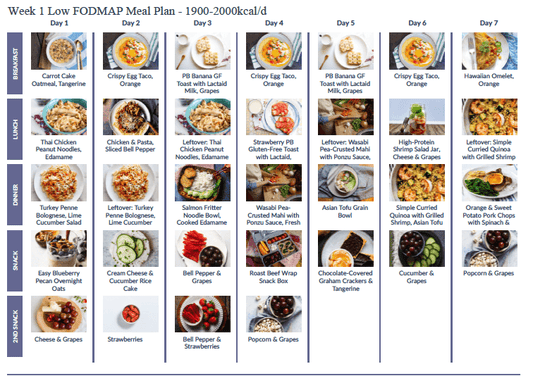
If you're in the nausea/constipation camp (very common), planning your food and supplements can make the whole experience easier. Digestive support products and low-FODMAP-friendly meal planning, like the tools and plans at Casa de Santé, are often most helpful when they're paired with consistent dosing and hydration habits (not used as a band-aid for chaotic injections).
Where To Inject GLP-1: Best Sites And Rotation Plan
Choosing a site isn't about "the one perfect spot." It's about consistency, comfort, and not overusing the same area.
Abdomen, Thigh, Upper Arm: Pros, Cons, And What To Choose
Here's the real-world breakdown:
- Abdomen
- Pros: easy to reach, often less painful, reliable fatty tissue
- Cons: bruises can be visible: avoid a 2–3 inch circle around the navel
- Thigh
- Pros: great alternate site: easy to rotate left/right
- Cons: if you inject too deep or don't pinch well, you may hit muscle more easily (more sting)
- Upper arm
- Pros: discreet: some people find it comfortable
- Cons: can be awkward solo: may require another person
What should you choose?
- If you're new: the abdomen is often the simplest.
- If you tend to bruise on the abdomen or it bothers you aesthetically: rotate in the thigh.
- If you have limited mobility or dexterity: a site you can reliably reach matters more than the "ideal" site.
How To Rotate Sites To Reduce Irritation And Lumps
Repeated injections in the same spot can cause irritation, tenderness, or small lumps under the skin.
Use a simple rotation plan:
- Rotate left/right each dose.
- Move at least one finger-width away from the last injection point.
- Avoid injecting into skin that is bruised, scarred, hard, inflamed, or irritated.
Example weekly rotation (easy to remember):
- Week 1: Left abdomen
- Week 2: Right abdomen
- Week 3: Left thigh
- Week 4: Right thigh
Then repeat.
If you're doing daily injections, think in zones: split each site (abdomen or thigh) into a grid and work your way around it rather than "chasing the same comfortable dot."
Step-By-Step GLP-1 Injection Guide (General Method)
This section is the general method for subcutaneous injection. Your device (pen vs syringe) changes the mechanics, but the body technique is similar.
Preparing The Skin And Pinching Technique
- Choose your site (abdomen, thigh, or upper arm) and sit or stand in a stable position.
- Clean the skin with an alcohol swab.
- Let it air dry completely. (Injecting through wet alcohol can sting more.)
- With your non-dominant hand, pinch a fold of skin.
- Aim for a firm pinch of the fatty layer.
- If you have plenty of subcutaneous fat at the site, a gentle pinch is usually enough.
Needle Angle, Injection Speed, And Hold Time
- Insert the needle into the pinched skin at 90° (straight in) unless your clinician told you otherwise.
- Inject slowly and steadily.
- Slow injections often sting less and reduce leakage.
- After the medication is fully pushed in, keep the needle in place for 5–10 seconds.
- This "hold time" helps ensure full delivery and reduces dripping.
- Remove the needle straight out.
- Release the pinch.
No, you typically don't need to aspirate (pull back to check for blood) for subcutaneous GLP-1 injections, modern guidance for these meds generally doesn't require it. Follow your prescriber's training.
After The Injection: What's Normal Vs Not
Normal (common) after an injection:
- A tiny dot of blood
- Mild stinging that fades quickly
- Slight redness at the site
Helpful aftercare:
- Apply gentle pressure with a tissue/cotton ball for 10–20 seconds if there's bleeding.
- Don't rub aggressively.
Not normal, call your clinician if you notice:
- Expanding redness, warmth, or swelling over hours to days
- Pus or significant tenderness that's worsening
- Hives, facial swelling, or trouble breathing (urgent)
Also: if you're getting frequent nausea or reflux after dosing, it's worth reviewing your meal timing, hydration, and fiber strategy. Many GLP-1 users do better with smaller meals, adequate protein, and gut-friendly choices: Casa de Santé's GLP-1-friendly digestive support and low-FODMAP options can be a useful add-on if your stomach is easily triggered.
How To Use An Ozempic Pen (And Similar GLP-1 Pens)
If you're specifically searching how to use Ozempic pen, the biggest differences from vial/syringe injections are: you attach a new needle each time, you may need to prime, and you'll dial the dose.
Always follow the instructions for your exact pen, but this is the typical flow.
Pen Parts, Priming, And Dose Selection
Most multi-dose pens include:
- Pen cap
- Medication window
- Dose selector/dial
- Dose counter
- Injection button
- Removable pen needle (single-use)
Steps:
- Wash hands.
- Remove the pen cap.
- Check the label and inspect the medication in the window.
- Attach a new pen needle.
- Remove the outer needle cap (save it briefly, you'll use it to remove the needle later) and remove the inner needle cap.
- If your pen requires priming (common when new):
- Dial to the priming symbol or a small number of units as directed.
- Point the needle up.
- Tap gently to move bubbles.
- Press the injection button until you see a drop at the needle tip.
- Dial your prescribed dose.
Injection Steps With A Pen: Clicks, Holding, And Confirming Delivery
- Clean the skin with alcohol and let it dry.
- Place the needle against your skin at 90°.
- Press and hold the injection button.
- Keep holding until the dose counter returns to 0 (pens vary, some click).
- Hold the needle in place for 5–10 seconds after it hits zero.
- Remove the needle straight out.
If you're not sure it went in (you felt nothing, or you saw a drop afterward), don't automatically redose. Jump to the troubleshooting section below and contact your clinician if needed.
Needle Disposal And Pen Storage Between Doses
- Carefully recap the needle using the outer cap (avoid using your fingers near the exposed needle tip).
- Unscrew the capped needle and dispose of it in a sharps container.
- Store the pen exactly as directed (often refrigerated before first use: some pens can be kept at room temperature after first use for a limited period).
Important: don't store a pen with a needle attached. That can lead to leaking, air entry, and dose problems.
If You Use Single-Dose Pens Or Autoinjectors: What Changes
Some GLP-1s come as single-dose pens/autoinjectors. The big advantage is simplicity: you usually don't dial a dose or attach a needle.
Lock/Unlock, Activation, And Hold Time Differences
Common differences you'll see:
- A cap that must be removed
- A lock/unlock mechanism
- An activation method: pressing firmly against the skin, pushing a button, or both
General steps:
- Wash hands and clean the injection site.
- Remove the cap.
- Unlock if required.
- Place flat against the skin at 90°.
- Activate.
- Keep it pressed in place for the full hold time (often 5–10 seconds, sometimes longer depending on device).
- Remove and confirm the device indicates completion (window color change/click).
- Dispose in a sharps container.
Because the needle is hidden, people sometimes lift too early. If you're unsure, count slowly. A "real" 10 seconds is longer than it feels when you're nervous.
Travel And Backup Dose Planning
If you travel while on GLP-1s:
- Pack medication in a way that stays within the allowed temperature range.
- Bring extra supplies (needles, alcohol swabs) even if you "never need them."
- Have a sharps plan: a travel sharps container or a sturdy temporary option you can safely close.
- Keep a backup plan for delays: know your medication's missed-dose instructions and your clinic's contact pathway.
And if your GLP-1 tends to slow your digestion on the road (hello, constipation), travel is when simple gut-friendly meals and hydration matter most.
Troubleshooting Common Injection Problems
Even with perfect technique, you'll occasionally run into an annoying injection day. Here's what usually helps.
It Stings, Leaks, Or Bleeds: Quick Fixes
Stinging
- Let the alcohol dry fully.
- Inject more slowly.
- If allowed for your medication, let it sit at room temp briefly (don't heat it).
Leaking (a drop of medication on the skin)
- Hold the needle in place longer (10 seconds).
- Make sure you fully depressed the pen button and the counter returned to zero.
- Avoid moving the needle while injecting.
Bleeding
- A small dot is common.
- Apply gentle pressure for 10–20 seconds.
- Rotate away from that spot next time.
Bent Needle, Misfire, Or Unsure If The Dose Went In
Bent needle (usually with pens):
- Stop and remove safely.
- Use a new needle and a new site.
- If this happens repeatedly, check your angle (straight in) and avoid injecting through thick fabric.
Misfire/autoinjector didn't activate:
- Don't try to "force" it. Follow the device instructions.
- Contact your pharmacist or manufacturer support line and your clinician for next steps.
You're unsure the dose went in:
- Check for obvious signs: did the pen counter hit zero? did the autoinjector indicator change? is there a large wet spot?
- Don't automatically redose, double dosing is the bigger risk.
- Call your clinician with details (device type, what you observed, whether it was a dose-escalation week).
Bruising, Itching, Or Injection-Site Reactions
Mild irritation happens, especially early on.
What helps:
- Rotate sites consistently.
- Use a cool compress for itching or mild swelling.
- Avoid injecting into bruised areas.
Call your clinician if:
- Redness spreads or stays hot and painful
- You get hives or systemic symptoms (beyond the injection site)
- Lumps persist or worsen even though rotation
If you're also dealing with GLP-1 GI side effects, keep in mind that injection comfort is only one piece. Many people do best with a steady routine: consistent dosing day, protein-forward smaller meals, and gut-friendly support. If you're sensitive to common triggers (high-FODMAP foods, certain fibers, sugar alcohols), a low-FODMAP approach and GLP-1-friendly supplements, like those at Casa de Santé, can help you stay consistent without feeling like every dose derails your stomach.
Conclusion
Once you learn the rhythm, injecting a GLP-1 becomes less "medical procedure" and more like brushing your teeth: not exciting, just part of taking care of yourself.
If you want the safest, calmest routine, focus on three things:
- Prepare (right dose, clean setup, correct storage)
- Place (choose an easy site and rotate it methodically)
- Pause (inject slowly, then hold for 5–10 seconds before removing the needle)
And if something feels off, dose confusion, repeated injection pain, worsening reactions, don't power through. Reach out to your clinician and get clarity. Confidence comes from consistency, but also from knowing when to ask for help.
How to Inject GLP-1: Frequently Asked Questions
What is the proper technique for injecting GLP-1 medications like semaglutide?
Inject GLP-1 subcutaneously into fatty tissue, typically the abdomen, thigh, or upper arm. Clean the skin with alcohol, pinch the skin, insert the needle at 90°, inject slowly, hold the needle in place 5-10 seconds, then remove. No aspiration is needed.
How do I rotate injection sites to prevent irritation or lumps?
Rotate injection sites weekly, alternating left and right sides and moving at least a finger-width away from the last spot. For example, use left abdomen one week, right abdomen the next, then left thigh, right thigh, and repeat to reduce irritation and lumps.
How should I store my GLP-1 medication to maintain its effectiveness?
Store unopened GLP-1s refrigerated. Once opened, some brands allow room temperature storage for limited days—check the package insert. Never freeze the medication and avoid using it past expiration or if improperly stored.
What should I do if I miss a weekly GLP-1 dose?
Follow your prescriber's instructions for missed doses; many weekly GLP-1s have a specific late-dose window. Do not double dose. If unsure, contact your clinician for guidance before taking a delayed dose.
Why do GLP-1 injections sometimes cause nausea or digestive side effects, and how can I manage them?
GLP-1 medications mimic gut hormones, which can cause nausea, constipation, or reflux. Managing side effects involves consistent dosing, hydration, smaller protein-forward meals, and possibly low-FODMAP diets or digestive support supplements.
Can I travel with GLP-1 injections, and what precautions should I take?
Yes, travel with GLP-1 injections is possible. Keep medication within recommended temperature ranges, bring extra supplies and a sharps container, plan for missed doses, and choose gut-friendly meals to manage digestive side effects while traveling.