High-Protein Meal Plan For Wegovy Users: Hit Your Protein Goals Without Wrecking Your Stomach (2026)








Wegovy (semaglutide) can be a game-changer for weight loss, but it also changes the rules of eating.
When your appetite drops and you get full fast, "just eat more protein" isn't practical advice. You might be dealing with nausea, reflux, constipation, or that specific kind of food aversion where even thinking about chicken makes your stomach turn. And yet protein is exactly what helps protect your muscle, steady your energy, and keep your results looking and feeling healthy.
Below is a realistic high protein meal plan for Wegovy users that aims for about 100 grams of protein per day (with a flexible 1200–1600 calorie range), plus simple ways to adjust it around dose day, low appetite days, and GI side effects, without turning meals into a second job.
Why Protein Matters More On Wegovy
On Wegovy, it's common to eat less without realizing how much less. That's partly the point: GLP-1 receptor agonists slow stomach emptying and reduce appetite signals, so portions shrink naturally. The problem is that protein often drops the most, because protein foods can feel "heavy," and because you may default to whatever sounds tolerable in the moment (crackers, toast, a few bites of fruit).
Protein matters more on Wegovy for three practical reasons:
First, it protects lean mass (muscle). Weight loss always includes some lean tissue loss, but inadequate protein and low resistance training increase the risk. Losing muscle doesn't just affect how you look, it affects metabolic rate, strength, and long-term weight maintenance.
Second, it supports satiety and steadier energy. Even though Wegovy reduces hunger, you can still get that drained, under-fueled feeling if your intake is too low or too carb-heavy. Protein is the most reliable macronutrient for "quieting" appetite between meals and smoothing out energy dips.
Third, it's a nutritional safety net when volume is low. If you're only eating a few small meals, each one has to work harder. Protein foods also bring key micronutrients (like B12, iron, zinc, choline, calcium, and selenium) that you may not get in meaningful amounts from low-volume grazing.
The goal isn't perfection. It's making sure the food you can tolerate still moves you toward your body composition and health goals, especially during the weeks when nausea or early fullness are louder than your appetite.
How Much Protein Do You Need While Using GLP-1s?
Most adults on GLP-1 therapy do better with a clear protein floor (a minimum) and then a personalized target based on body size and goals.
A practical minimum: aim for at least 60 grams of protein per day. Many Wegovy users benefit from higher targets, often around 1.0–1.2 grams per kilogram of body weight, or roughly 100 grams per day for a lot of people, because it helps reduce muscle loss during weight loss.
If you're thinking, "100 grams sounds impossible right now," that's exactly why planning matters. You're not trying to force huge portions. You're spreading protein across the day in smaller, doable doses.
Protein Target Ranges By Goal (Fat Loss, Maintenance, Strength)
Use these ranges as a starting point:
Goal Target (g/kg body weight)
Fat loss Around 1.2
Maintenance Around 1.0
Strength (with exercise) 1.2+
How to apply it quickly:
If you weigh 185 lb (about 84 kg):
Maintenance: about 84 g/day
Fat loss: about 101 g/day
If you're in perimenopause or menopause, this conversation matters even more. Age-related muscle loss (sarcopenia) accelerates with hormonal shifts and inactivity. Protein doesn't "fix" that alone, but it's one of the few levers you can pull daily.
A Simple Method To Spread Protein Across The Day
Instead of chasing a giant number at dinner, use this method:
Choose 3 to 5 eating moments per day.
Aim for 20 to 30 grams of protein each time.
If you're only managing 3 eating moments, make them closer to 30 grams.
Examples of what 20–30 grams looks like in real life:
Greek yogurt (a larger single-serve) or Greek yogurt plus a scoop of protein powder
A tuna pouch or a small bowl of tuna salad
3 to 4 ounces of chicken, turkey, fish, shrimp, tofu, or tempeh
A ready-to-drink (RTD) shake with 20–30 grams
This "protein dosing" approach tends to work well on Wegovy because each protein hit is small enough to tolerate, but frequent enough to add up.
GLP-1 Side Effects That Change How You Should Eat
A high protein meal plan for Wegovy users has to respect the physiology. Wegovy slows gastric emptying (food stays in the stomach longer) and changes appetite signaling. That's why the same meal that felt fine last year can feel unbearable now.
The trick is to match protein choices and meal structure to the side effect pattern you're actually experiencing.
Managing Nausea, Early Fullness, And Food Aversion
When nausea or early fullness is dominant, these tend to help:
Smaller portions, more often. Large protein portions can backfire.
Lower-fat proteins. Fat slows digestion further and can worsen nausea for some people.
Softer textures. Think yogurt, eggs, tofu, fish, soups, and smoothies.
Lower-acid meals if reflux or queasiness is present (tomato-heavy and spicy foods can be rough).
Also: temperature matters. Some people tolerate cold protein better (yogurt, chilled shakes). Others do better with warm, bland options (broth-based soups with tofu or shredded chicken). Pay attention to your pattern.
Constipation, Reflux, And "Sulfur Burps": Protein Choices That Help
Constipation is common on GLP-1s, especially if you're eating less overall (less volume means less stool bulk), drinking less, and moving less because energy is down.
To support regularity without irritating your stomach:
Pair protein with gentle fiber: oats, chia, kiwi, cooked vegetables, or small portions of legumes if you tolerate them.
Choose proteins that don't "sit heavy": fish, chicken breast, turkey, tofu, tempeh, egg whites, and low-fat dairy.
Use soups and stews strategically: fluids plus salt plus soft protein can be easier to tolerate and can support hydration.
Reflux and "sulfur burps" are often worsened by high-fat, fried, or very large meals, especially close to bedtime. Lean proteins, smaller portions, and avoiding lying down right after eating can help reduce that pressure-and-fermentation feeling.
If symptoms are persistent, severe, or new (especially vomiting, significant abdominal pain, or signs of dehydration), that's a clinician conversation, not something to push through with meal hacks.
High-Protein Foods That Are Typically Easier On Digestion
No single food works for everyone on Wegovy. But in clinical practice, the same patterns come up: leaner, softer, less greasy proteins tend to be easier: very large servings, high-fat meats, and heavily fried foods tend to be harder.
Below are options that are often better tolerated when appetite is low and digestion is slower.
Best Whole-Food Proteins (Lean, Soft, And Lower-Fat Options)
If your stomach feels sensitive, start here:
Fish: cod, tilapia, salmon (salmon is higher fat but often still tolerated in smaller portions)
Skinless chicken breast or tender shredded chicken
Ground turkey (look for leaner blends)
Eggs and egg whites (scrambled or soft-boiled is often easier than fried)
Tofu and tempeh (especially in soups or simple stir-fries)
Low-fat Greek yogurt and cottage cheese
Shrimp (quick-cooking and usually light)
If constipation is your main issue and you tolerate them, fiber-containing proteins can help:
Lentils, chickpeas, and beans (portion matters on GLP-1s, and they can trigger gas for some)
Edamame
One practical tip: on rough nausea days, you may do better with "protein you don't have to chew much." Yogurt, cottage cheese, tofu, and protein shakes can keep you on track when meat feels impossible.
Protein Powders And Ready-To-Drink Options: What To Look For
Protein powders and RTD shakes can be the difference between hitting your protein target and missing it by 40 grams.
What to look for on Wegovy:
Protein per serving: 15–30 grams
Lower sugar (especially if sweetness worsens nausea)
An ingredient list your stomach tolerates: whey isolate, milk protein isolate, pea protein, or soy isolate are common bases
Not overly high in fat (high-fat shakes can feel heavy)
Optional but helpful: added vitamins/minerals if your overall intake is low
If you're sensitive to lactose, whey isolate is often easier than whey concentrate, but tolerance varies. If you're plant-based, pea or soy isolates can work well: just watch added fibers or sugar alcohols that can trigger gas and bloating.
Low-FODMAP Swaps For Sensitive Stomachs (When IBS Symptoms Flare)
Some Wegovy users also have IBS or a history of FODMAP sensitivity (certain fermentable carbs that can trigger gas, bloating, pain, or diarrhea). When IBS symptoms flare, you can still eat high protein, just swap the source.
Common swaps:
Instead of larger portions of beans/lentils: choose eggs, tofu, tempeh, fish, or poultry
Instead of high-lactose dairy: choose lactose-free Greek yogurt/cottage cheese, or a tolerated protein powder
Instead of heavily seasoned, onion/garlic-forward meals: use simpler seasoning and infused oils (many people tolerate garlic-infused oil better than garlic itself)
The goal isn't to eat "perfectly low-FODMAP" forever. It's to reduce symptom load so you can consistently meet protein needs without paying for it with bloating and discomfort.
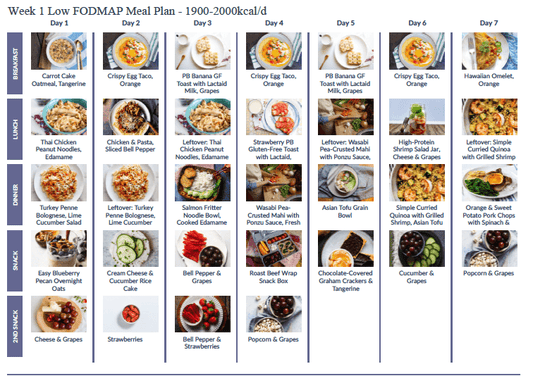
The 7-Day High-Protein Meal Plan For Wegovy Users (1200–1600 Calories Flexible)
How to use this plan:
It's built to land roughly in the 1200–1600 calorie range depending on portions.
It aims for about 90–110 grams of protein per day.
Portions are intentionally adjustable. On Wegovy, your "normal" portion may be half of what you expect.
If you can only finish part of a meal, prioritize the protein portion first.
Note: If you have kidney disease, advanced liver disease, or other conditions where protein targets need to be individualized, talk with your clinician before increasing protein.
Day 1: Gentle Start (Low-Fat, Low-Acid, Easy To Finish)
Breakfast: Greek yogurt (about 1 to 1.25 cups) plus berries
Lunch: Tuna salad over greens (use a lighter dressing if mayo worsens nausea)
Dinner: Baked cod with cooked spinach (add rice if you need more calories)
Snack: Egg white scramble or a small protein shake
Day 2: High-Protein, Higher-Fiber (Constipation Support)
Breakfast: Overnight oats with chia and a scoop of protein powder
Lunch: Lentil and spinach salad (start with a smaller lentil portion if gas-prone)
Dinner: Tofu stir-fry with cooked vegetables
Snack: Cottage cheese with a few berries
Day 3: Convenience Day (Minimal Cooking, High Compliance)
Breakfast: RTD protein shake
Lunch: Turkey wrap with tolerated veggies (keep it simple if reflux is active)
Dinner: Canned salmon quinoa bowl (use lemon carefully if acid-sensitive)
Snack: Greek yogurt
Day 4: Budget-Friendly Day (Simple Staples, High Protein)
Breakfast: Eggs with toast
Lunch: Chickpea salad (adjust portion based on tolerance)
Dinner: Chicken breast with rice and cooked vegetables
Snack: Low-sugar protein bar or a shake if bars feel too dense
Day 5: Menopause-Friendly Day (Protein + Calcium + Iron Focus)
Breakfast: Bean-and-toast style breakfast (or eggs/tofu if beans trigger bloating) with a bit of cheese
Lunch: Lentil soup (soups often go down easier on low appetite days)
Dinner: Shrimp with quinoa and a cooked green vegetable
Snack: Yogurt
Day 6: Higher-Activity Day (Workout-Friendly Timing)
Breakfast: Omelet with cooked vegetables
Lunch: Salmon bowl (salmon is nutrient-dense: portion down if nausea-prone)
Dinner: Lean beef with asparagus (choose a lean cut and avoid heavy sauces)
Post-workout or afternoon: Protein shake if you can't tolerate a bigger meal
Day 7: Reset Day (Bland Options For Post-Dose Nausea)
Breakfast: Soft scrambled eggs
Lunch: Broth-based soup with tofu
Dinner: Poached white fish with rice
Snack: Soft cheese, cottage cheese, or a small shake
If you notice that day 2 (higher fiber) worsens bloating or "sulfur burps," swap it with day 1 or day 7 temporarily. The best plan is the one you can repeat.
Snack And Mini-Meal Options When You Can’t Tolerate Full Portions
On Wegovy, "meals" can start feeling like a strange concept. That's normal. When early fullness is strong, mini-meals and snacks are often how you hit your protein target without nausea.
10 High-Protein Snacks Under 250 Calories
- Greek yogurt (often 15–20 grams)
- Cottage cheese with berries (about 15–20 grams)
- Two hard-boiled eggs (about 12 grams)
- Turkey slices or turkey roll-ups (about 15–20 grams)
- Protein shake (about 20 grams)
- Tuna pouch (often 20–25 grams)
- Edamame (portion-dependent: often around 10–15 grams)
- Tofu cubes with a tolerated sauce or seasoning
- Low-sugar protein bar (choose ones that don't upset your stomach)
- Egg white scramble (about 15 grams)
"Protein First" Add-Ons To Upgrade Any Meal
If you can only eat a few bites, it helps to make those bites count.
Add-ons that raise protein without dramatically increasing volume:
Stir unflavored or lightly flavored protein powder into oatmeal or yogurt
Add shredded chicken or tofu to soups
Top salads with tuna, salmon, chicken, or tempeh strips
Add egg whites into scrambled eggs to increase protein without much extra fat
Use a high-protein side instead of a low-protein side (for example, cottage cheese instead of crackers)
Think of these as "protein insurance." You're not forcing a bigger meal, you're upgrading the one you can tolerate.
How To Customize The Plan To Your Dose Day, Appetite, And Weight-Loss Pace
Most people don't need a brand-new meal plan every week. You need a base plan plus a few smart adjustments that match your Wegovy rhythm.
Adjusting Portions Without Losing Protein
Use this order of operations when appetite is low:
- Keep protein steady.
- Reduce fats first (they're calorie-dense and often worsen nausea).
- Adjust carbs based on energy and tolerance.
Examples:
If you can't finish dinner, eat the fish/chicken/tofu portion first, then stop.
If breakfast feels impossible, do a half shake now and the other half 1–2 hours later.
If weight loss is very fast and you feel weak, adding 150–250 calories from protein-forward foods (yogurt, a shake, extra egg whites, a bit more chicken/fish) is often more helpful than adding "empty" calories.
Electrolytes, Hydration, And Fiber: The GLP-1 Trio For Better GI Tolerance
This is the unglamorous part that matters.
Hydration: When you eat less, you often drink less. Dehydration worsens constipation and nausea.
Electrolytes: If you're not eating much, sodium and potassium intake can drop, contributing to fatigue, headaches, and low energy. Broths and electrolyte solutions can be useful tools (especially on dose day or post-dose days).
Fiber: Too little fiber worsens constipation, but too much fiber too fast can worsen bloating. Increase gradually and choose gentler sources (oats, chia, kiwi, cooked veggies) rather than suddenly doubling raw cruciferous vegetables.
If constipation persists even though hydration and fiber adjustments, that's another reason to talk with your prescribing clinician. Sometimes the solution is medication timing, dose adjustments, or targeted constipation management, not pushing more fiber when your gut is already slowed.
When appetite is unpredictable, your best skill is flexibility: keep your protein anchor, keep portions small, and let your "easy foods" carry you through the rough days.
When appetite drops on GLP-1 therapy, getting enough protein becomes a real challenge, and it's the single most important macronutrient for preserving lean mass during weight loss. Casa de Sante's physician-formulated protein products are designed for gut tolerance and optimal absorption during metabolic therapy. See what fits your protocol at casadesante.com.
This article is for educational purposes only and is not medical advice. Always consult your healthcare provider before making changes to your treatment plan.
Conclusion
A high protein meal plan for Wegovy users should feel doable on your worst GI day, not just on your best day. If you aim for a realistic protein target, spread it into smaller "protein doses," and choose softer, leaner options when symptoms flare, you can protect your muscle and feel steadier throughout your weight loss.
If you take one idea from this: prioritize protein first, then build the rest of the meal around what your stomach can tolerate that week. Consistency beats intensity here, and your body will show the difference.
High Protein Meal Plan for Wegovy Users: Frequently Asked Questions
Why is protein intake particularly important for Wegovy users?
Protein helps preserve muscle mass, supports steady energy, and promotes satiety on Wegovy. Since the medication reduces appetite and slows digestion, a high protein intake helps maintain metabolic rate and prevents lean mass loss during weight loss.
How much protein should I aim to consume daily while using Wegovy?
Most adults on Wegovy should aim for at least 60 grams of protein daily, with many benefiting from about 1.0 to 1.2 grams per kilogram of body weight. For example, a 185-pound person might target around 100 grams per day to protect muscle during weight loss.
What are some practical ways to meet protein targets on Wemovy when appetite is low?
Spread protein intake across 3 to 5 smaller meals or snacks, aiming for 20 to 30 grams per serving. Choosing softer, leaner protein sources—like Greek yogurt, tofu, or fish—and using protein powders or shakes can help meet goals without large, heavy meals.
What types of protein foods are easier to digest on Wegovy, especially if experiencing nausea or reflux?
Wegovy users often tolerate lean, low-fat, softer-textured proteins better, such as skinless chicken breast, fish like cod or salmon, eggs, tofu, tempeh, and low-fat dairy like Greek yogurt. Cold or warm bland meals, like smoothies or broth-based soups, can also ease digestion.
How can I adjust my high protein meal plan on Wegovy during dose days or when side effects like nausea occur?
On dose days or when nausea is strong, choose smaller, more frequent meals with low-fat, bland proteins. Prioritize protein intake first, reduce fats, avoid large portions, and focus on foods like egg whites, cottage cheese, or mild protein shakes to maintain protein without worsening symptoms.
Are there any snack options with high protein content suitable for Wegovy users?
Yes, high-protein snacks under 250 calories include Greek yogurt, cottage cheese with berries, hard-boiled eggs, turkey slices, protein shakes, tuna pouches, edamame, tofu cubes, low-sugar protein bars, and egg white scrambles—all supporting protein goals while being easy to digest.