GLP-1 Vegan Protein Review (2026): What To Look For When Your Appetite (And Stomach) Is Sensitive








If you're on a GLP-1 medication like semaglutide or tirzepatide, you've probably noticed a weird contradiction: you're finally losing weight, but eating "well" can feel harder than ever. Your appetite is smaller, your portions are tiny, and certain foods that used to be easy suddenly sit heavy, especially protein.
That's exactly why vegan protein powders are having a moment in the GLP-1 world. They can help you reach a realistic daily protein target without forcing large meals. But not every plant protein is GLP-1-friendly. Some formulas are loaded with sugar alcohols, gums, and fibers that can make nausea, bloating, reflux, or constipation worse.
Below is a practical, clinician-minded GLP-1 vegan protein review for 2026: what to look for, what commonly backfires, and how to use a shake strategically so it supports your results instead of sabotaging your stomach.
Why Protein Gets Harder On GLP-1s—And Why The Right Powder Matters
Protein is the nutrient most people accidentally under-eat on GLP-1 therapy. Not because you don't care, but because the medication changes the rules.
Many clinicians aim for roughly 1.2 to 1.5 grams of protein per kilogram of body weight for people actively losing weight, especially if you're trying to protect lean mass (your metabolically active muscle tissue). In real life, that can land around 90 to 120 grams per day for a lot of adults. On GLP-1s, that number can feel surprisingly far away.
How GLP-1s Change Hunger, Portion Size, And Protein Tolerance
GLP-1 receptor agonists reduce appetite and increase fullness partly by slowing gastric emptying (food leaves your stomach more slowly) and by changing hunger signaling in the brain. Practically, that means:
You feel full faster, sometimes after a few bites.
You stay full longer, sometimes to the point where the next meal sounds unappealing.
Dense proteins (meat, eggs, even thick yogurt) can feel "too heavy" when your stomach is already slow.
So even if your overall calories are down (which may be the goal), your protein can drop disproportionately. That's one reason a protein shake can be useful: it's a smaller-volume way to "close the protein gap" on days when chewing a full meal feels like work.
The Biggest GI Challenges: Nausea, Bloating, Constipation, And Reflux
GLP-1 side effects often cluster around the same theme: slowed motility (slower movement of food through your GI tract). The most common complaints I hear about are:
Nausea, especially if you eat quickly or eat high-fat meals
Bloating and early fullness
Constipation, sometimes severe
Reflux or "food sitting in your chest" sensations
A vegan protein powder can help, or it can make these worse depending on the ingredient list. The wrong sweeteners, added fibers, and thickeners can ferment in the gut, pull water into the intestines, or simply feel too heavy in a slow stomach. On GLP-1s, "tolerability" is a feature, not an afterthought.
GLP-1 Vegan Protein: What It Is And Who It’s Best For
GLP-1 vegan protein generally means plant-based protein powders (or ready-to-drink shakes) built around sources like pea, rice, soy, pumpkin seed, or blends. In a GLP-1 context, the main value isn't ideology, it's digestion and practicality.
Vegan Vs. Whey On GLP-1: Digestion, Lactose, And Taste Fatigue
Whey is a complete, high-quality protein, and for some people it's totally fine. But GLP-1 therapy changes the tolerance equation.
Why vegan can feel easier:
No lactose (helpful if you're lactose intolerant or "borderline" and GLP-1s make it obvious)
Often less creamy/heavy than whey shakes, especially in ready-to-drink versions
Some people experience less taste fatigue (that sudden "I can't stand this flavor anymore" feeling that happens on GLP-1s)
Why whey can still work:
Typically higher leucine (an amino acid that supports muscle protein synthesis)
Often mixes smoother with fewer gritty textures
If whey makes you bloat, feel reflux, or triggers nausea, a simpler vegan formula is a reasonable next experiment.
You'll see popular options in 2026 like OWYN-style ready-to-drink shakes (often 20 grams protein with added fiber) and powders like Aloha-style blends (commonly 20 grams protein). These can be good starting points, but you still need to read labels, two "vegan proteins" can behave very differently in a sensitive gut.
Best Use Cases: Low Appetite Days, Breakfast Replacements, And Travel
Vegan protein tends to shine in three situations on GLP-1s:
Low-appetite days: When food sounds unappealing, sipping 15 to 25 grams of protein can be more realistic than building a full plate.
Breakfast replacements: Morning nausea is common. A lighter shake can be easier than eggs or meat early in the day.
Travel and busy workdays: If your medication is working, you may not think about food until you're suddenly lightheaded or under-fueled. Portable protein prevents the "I ate nothing all day, now I'm nauseated and constipated" spiral.
A practical range many people tolerate well: 15 to 30 grams protein per serving, under about 250 calories, and ideally low added sugar (often under 9 grams). But the right choice depends on your appetite, your activity level, and how sensitive your GI tract is right now.
Ingredient Checklist For A GLP-1-Friendly Vegan Protein
If you only take one thing from this GLP-1 vegan protein review, make it this: the "extras" matter as much as the protein.
A lot of powders are engineered to taste like dessert and feel thick like a milkshake. On GLP-1s, that can be exactly what your stomach doesn't want.
Protein Sources Compared: Pea, Rice, Soy, Pumpkin Seed, And Blends
Each plant protein has tradeoffs:
Pea protein: Very common, generally well-tolerated, good amino acid profile, but some people experience gas or bloating.
Rice protein: Often gentler, but lower in lysine (an essential amino acid), so it's best paired with pea.
Soy protein: Complete amino acid profile and effective for muscle support, but it's a common allergen and doesn't work for everyone hormonally or symptom-wise.
Pumpkin seed protein: Can be easier on some stomachs and adds minerals, but may be lower in certain essential amino acids depending on processing.
Blends: Often the best approach because they fill amino acid gaps (for example, pea + rice).
In a GLP-1 context, blends can also reduce the "one-note" heaviness that some people feel with large amounts of a single protein source.
Sweeteners And Sugar Alcohols: What Commonly Triggers Bloating
This is where many "healthy" products quietly backfire.
Common triggers for bloating, cramping, or diarrhea:
Sugar alcohols such as erythritol, xylitol, sorbitol
Large amounts of chicory root/inulin (technically a fiber, but often behaves like a sweetener/filler)
High-intensity sweeteners that some people find nausea-provoking (stevia is a frequent culprit)
Often-better tolerated options (not perfect, but frequently easier):
Monk fruit
Small amounts of cane sugar (especially if it prevents the need for sugar alcohols)
Minimal sweetness overall
The goal on GLP-1s is not "zero sugar at all costs." The goal is a formula you can actually tolerate consistently.
Fibers, Gums, And "Greens" Add-Ins: Helpful Or Hard On Digestion?
Added fiber can be helpful for constipation, but timing and type matter. Many powders try to do everything at once: protein, probiotics, prebiotics, greens, and thickening agents.
Watch-outs when you're sensitive:
Gums and thickeners (guar gum, xanthan gum) can increase gas or make a shake feel too heavy.
"Greens" blends can include a long list of botanicals that don't add much nutritional value at the dose provided, but can add GI unpredictability.
Prebiotic fibers (like inulin) can worsen bloating in IBS-prone people, especially if you're also dealing with slow motility from a GLP-1.
If constipation is your main issue, you may do better separating your tools: a simpler protein for tolerability, and fiber added intentionally at another time of day when you know you can handle it.
What A Good GLP-1 Vegan Protein Should Deliver Nutritionally
A GLP-1-friendly vegan protein should earn its keep nutritionally. Because when your intake is lower, every serving matters more.
Protein Per Serving, Leucine, And Amino Acid Completeness
For most people on GLP-1 therapy using protein to preserve lean mass, look for at least 20 grams of protein per serving.
Two additional details matter:
Amino acid completeness: You want all essential amino acids (EAAs). Blends (pea + rice, or soy-based formulas) often do this well.
Leucine: Leucine is a key amino acid that helps "switch on" muscle protein synthesis. Plant proteins can be lower in leucine per gram than whey, so hitting an effective dose may require either a slightly larger serving or a blend formulated with this in mind.
You don't need to memorize amino acid charts, but you should know that "20 grams" isn't always metabolically identical across protein types.
Calories, Carbs, And Fat: Choosing The Right Macro Profile For You
Your ideal macro profile depends on why you're using the shake:
If it's a gap-filler: You may prefer 100 to 200 calories with minimal fat so it digests easier.
If it's a meal replacement: You may need more calories, plus some fat or fiber for staying power.
On GLP-1s, very high-fat shakes can increase nausea for some people, especially if you drink them quickly. And very high-fiber shakes can worsen bloating if your gut is already slow.
A common "middle ground" that works well for many: 20 to 30 grams protein, moderate carbs, modest fat, and limited add-ins.
Micronutrients That Matter: Iron, B12, Vitamin D, Calcium, And Sodium
Because GLP-1 medications reduce overall intake, deficiencies can creep up, especially if you're also eating less red meat or fewer fortified foods.
Micronutrients to pay attention to when you're using vegan protein regularly:
Iron: Plant-based diets can be lower in absorbable iron: fatigue and hair shedding have many causes, but iron status is worth checking.
Vitamin B12: Primarily found in animal products: many vegans need supplementation.
Vitamin D and calcium: Important for bone and muscle function, especially in perimenopause/menopause.
Sodium and electrolytes: If you're eating less overall, you may also be getting fewer electrolytes. Low intake can worsen lightheadedness and constipation.
A protein powder doesn't need to be a multivitamin, but if your shake is replacing meals, it's smart to choose one that's at least not nutritionally empty.
How To Use Vegan Protein On GLP-1s Without Worsening Side Effects
Even a "perfect" powder can cause problems if you use it in a way that doesn't match GLP-1 physiology.
Timing Strategies: When To Sip (And When To Avoid)
If nausea is your main issue, timing matters as much as ingredients.
Many people tolerate vegan protein best when:
You sip slowly rather than chug
You use it as a small, early protein anchor (especially if you tend to forget to eat)
You avoid drinking a thick shake immediately after a full meal (stacking volume on top of slow gastric emptying)
If reflux is a problem, a large-volume shake close to bedtime can be a setup for discomfort. In that case, earlier in the day and smaller volumes are often easier.
Mixing Tips For Sensitive Stomachs: Temperature, Volume, And Texture
Small adjustments can dramatically change tolerability:
Colder is often easier: A cold shake can reduce smell and perceived sweetness, both of which can trigger nausea.
Increase dilution: More water (or a tolerated non-dairy milk) makes the shake less dense and often easier to digest.
Watch thickness: If gums make it "pudding-like," that may be a problem on GLP-1s.
Start with half servings: Especially in the first month of therapy or after dose increases.
Texture is not trivial here. On a slow stomach, thick textures can feel like they just sit there.
Constipation Support: Hydration, Electrolytes, Fiber Timing, And Magnesium
Constipation is one of the most common reasons people stop GLP-1 therapy. Protein powders can indirectly worsen it if they replace meals without replacing fluids, electrolytes, and fiber.
A clinician-style way to think about it:
Hydration: If your intake drops, your thirst signals may drop too. Constipation often follows.
Electrolytes: Adequate sodium and potassium support hydration status and bowel function.
Fiber timing: Fiber can help, but adding a large fiber dose on top of a slow gut can increase bloating. Some people do best taking fiber away from their protein shake.
Magnesium: Some forms (like magnesium citrate or glycinate) are commonly used for bowel regularity or sleep support, but the right type and dose should be individualized.
If you're using a vegan protein daily and constipation is getting worse, that's a sign to reassess the whole system, not just add more fiber to the shake.
Menopause And Perimenopause Considerations When Choosing A Vegan Protein
If you're in perimenopause or menopause, your protein strategy matters even more. Estrogen shifts can affect body composition, sleep, thermoregulation (hot flashes), and insulin sensitivity. Meanwhile, GLP-1 therapy can accelerate weight loss, sometimes faster than your muscle can comfortably keep up.
Supporting Muscle Retention During Midlife Weight Loss
Midlife is a muscle-preservation decade. Loss of lean mass (sometimes called sarcopenia when it becomes clinically significant) can make long-term weight maintenance harder and can affect strength, metabolic rate, and function.
A GLP-1 vegan protein can be a practical tool if it helps you:
Hit a consistent daily protein minimum on low-appetite days
Distribute protein across the day (instead of one protein-heavy dinner you can't finish)
Pair nutrition with resistance training, which is the real driver of muscle retention
If you're lifting (even twice a week), protein becomes less about "dieting" and more about protecting your future mobility.
Gut Symptoms, Hot Flashes, And Sleep: Ingredient Tweaks That Can Help
Perimenopause often comes with a perfect storm: more GI sensitivity, worse sleep, and more temperature instability.
Small formulation choices can make a difference:
Lower sweetness: Overly sweet shakes can be nausea-provoking on GLP-1s.
Avoid known triggers: If stevia, inulin, or gums reliably bloat you, don't force it just because the label looks clean.
Evening strategy: If sleep is fragile, avoid large-volume shakes late at night, especially if reflux is part of your symptom picture.
The "best" protein is the one you can tolerate consistently while your hormones and appetite are doing their thing.
Who Should Be Cautious (And What To Ask Your Clinician)
Protein powders are food-like, but on GLP-1 therapy your medical context still matters. If you have underlying conditions or take certain medications, bring your specific product label to your clinician.
Thyroid Medications, Kidney Disease, GERD, And IBS/Low FODMAP Needs
Ask for individualized guidance if any of these apply:
Thyroid medications: Absorption can be affected by timing with food, supplements, and fiber. It's worth confirming how to separate your medication from shakes.
Kidney disease: Protein targets can differ significantly depending on kidney function.
GERD (reflux): High volume, high fat, or very thick shakes may worsen symptoms.
IBS or low FODMAP needs: Many vegan powders contain high-FODMAP fibers (like inulin/chicory root) that can trigger bloating and pain.
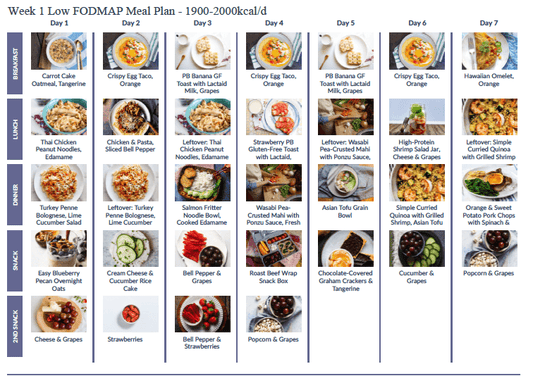
If you're following a low FODMAP approach, choose a simpler formula and consider using a structured plan (like a personalized IBS-friendly meal plan) so your shake doesn't become the hidden trigger.
Allergens And Sensitivities: Soy, Stevia, Inulin, And "Natural Flavors"
Label details that commonly matter on GLP-1s:
Soy: Great for some, a problem for others.
Stevia: A frequent nausea or aftertaste trigger.
Inulin/chicory root: Common in "high fiber" products: can worsen gas and bloating.
Natural flavors: Not inherently bad, but can be a black box if you're sensitive.
If you've had a rough GI week on GLP-1 therapy, it's reasonable to simplify: fewer ingredients, fewer sweeteners, fewer functional add-ons. Then add complexity back only if you need it and tolerate it.
Conclusion
A GLP-1 vegan protein review isn't really about declaring a single "best" product. It's about matching the formula to your physiology right now, slower gastric emptying, smaller meals, and a GI tract that may be less forgiving than it used to be.
In 2026, the most GLP-1-friendly vegan proteins tend to share a few traits: 20+ grams of protein, an amino-acid-complete blend (often pea + rice or soy-based), minimal sugar alcohols, and a short ingredient list that doesn't try to double as a greens powder, probiotic, and dessert all at once.
If you're using protein to protect muscle during weight loss, consistency beats perfection. A tolerable shake you actually drink three to five days a week will do more for your results than a "clean" powder that sits untouched because it makes you nauseated.
When appetite drops on GLP-1 therapy, getting enough protein becomes a real challenge, and it's the single most important macronutrient for preserving lean mass during weight loss. Casa de Sante's physician-formulated protein products are designed for gut tolerance and optimal absorption during metabolic therapy. See what fits your protocol at casadesante.com.
This article is for educational purposes only and is not medical advice. Always consult your healthcare provider before making changes to your treatment plan.
GLP-1 Vegan Protein FAQs
Why is protein intake more challenging on GLP-1 medication like semaglutide or tirzepatide?
GLP-1 meds slow gastric emptying and reduce appetite, causing you to feel full faster and eat smaller portions. This makes it tougher to reach the recommended 1.2-1.5 grams of protein per kilogram of body weight daily, which is essential for muscle preservation during weight loss.
What makes vegan protein powders a good choice for people on GLP-1 therapy?
Vegan protein powders often lack lactose and are usually lighter and easier to digest than whey. They help fill the protein gap without large meals and may cause less bloating, nausea, or reflux commonly aggravated by GLP-1 medications.
Which ingredients should I look for or avoid in a GLP-1-friendly vegan protein powder?
Choose powders with complete amino acid blends like pea and rice or soy proteins, minimal sugar alcohols, no stevia, and low added fiber or gums. Favor sweeteners like monk fruit or small amounts of cane sugar to minimize bloating and nausea.
How should I use vegan protein shakes to reduce gastrointestinal side effects on GLP-1s?
Sip slowly rather than gulping, consume shakes on an emptier stomach, dilute with more water or non-dairy milk to keep it light, and avoid large shakes right after meals. Cold shakes often reduce nausea and improve tolerance.
Can vegan protein support muscle retention during midlife weight loss on GLP-1 medications?
Yes, maintaining consistent protein intake (20+ grams per serving) paired with resistance training helps protect lean muscle mass that tends to decline in perimenopause or menopause, supporting long-term metabolic health.
Are there any medical conditions or medications I should consider before choosing a vegan protein powder on GLP-1 therapy?
Yes. If you have thyroid issues, kidney disease, GERD, or IBS (especially low-FODMAP needs), consult your clinician. Certain ingredients like soy, stevia, or inulin could worsen symptoms, so personalized guidance is important.