GLP-1 Skin Changes: What’s Normal, What’s Not, And How To Protect Your Skin In 2026








If you're on semaglutide, tirzepatide, or another GLP-1 medication and your skin suddenly feels different, you're not imagining it. People often expect nausea or constipation. They don't expect dryness that won't quit, a new sensitivity to products you've used for years, or a face that looks "tired" faster than the scale changes.
The tricky part is that "GLP-1 skin changes" isn't one thing. Some changes are simply your skin adjusting to rapid fat loss and a lower calorie intake. Others can signal dehydration, nutrient gaps, or (rarely) a true medication reaction that deserves same-day advice. This guide breaks down what's common, what's concerning, and what you can do in 2026 to protect your skin while you protect your metabolic health.
Why GLP-1 Medications Can Affect Your Skin
Skin is a living organ that responds to weight loss, nutrition, hormones, immune signaling, and your daily routine. GLP-1 therapy can shift several of those variables at once, which is why skin changes can feel sudden.
How Rapid Weight Loss Changes Skin Structure
When you lose weight quickly, you're not only shrinking fat cells. You're changing the "scaffolding" under your skin.
As subcutaneous fat (the layer under the skin) decreases, the skin has to re-drape over a smaller frame. If collagen and elastin are strong and plentiful, skin rebounds better. If they're not, you may notice:
Loose skin, especially in the lower face, neck, upper arms, abdomen, and thighs
Crepey texture (a thin, crinkled look)
More visible lines and under-eye hollowing
Age matters here, but it's not just age. The speed of loss, starting weight, genetics, sun exposure history, and protein intake all influence how well skin "catches up."
Nutrients, Hydration, And The Skin Barrier
GLP-1 medications reduce appetite and slow gastric emptying (food leaves your stomach more slowly). That can be helpful for blood sugar and satiety, but it also means you may unintentionally eat less protein, fewer micronutrients, and less overall fluid.
Your skin barrier (the outermost layer that keeps water in and irritants out) depends on:
Adequate protein to build structural proteins and support wound healing
Essential fatty acids to maintain lipid layers
Micronutrients involved in collagen synthesis and antioxidant defense
Hydration and electrolytes to maintain skin water balance
If your intake drops sharply, the first sign isn't always fatigue. It can be dry, tight, sensitive skin that suddenly reacts to "normal" skincare.
Hormones, Inflammation, And Menopause Overlap
GLP-1 receptor agonists also have immune and inflammatory effects that aren't just from weight loss. Research suggests GLP-1 medications can reduce pro-inflammatory signaling (including pathways involving cytokines such as TNF-α, IL-17, and IL-6 and NF-κB signaling). For some people, that's a quiet win: psoriasis and other inflammatory skin conditions may improve.
But there's another overlap that matters a lot for women 35–55: perimenopause and menopause.
As estrogen declines, collagen production declines too, and skin often becomes drier and thinner. Rapid weight loss can further reduce estrogen production from adipose tissue (fat tissue contributes to estrogen via aromatase activity), which may worsen collagen breakdown and elastin changes. So if you're on GLP-1 therapy and entering perimenopause, skin changes can stack, fast.
The Most Common GLP-1 Skin Changes (And What They Usually Mean)
Here's what people report most often. The goal isn't to diagnose yourself. It's to help you interpret patterns so you know what's likely normal adaptation versus what deserves a clinician's input.
Loose Skin And Crepey Texture
What it usually means: structural change from fat loss plus reduced collagen support.
Common patterns include loose skin on the abdomen after significant loss, and crepey texture on arms or thighs. Crepey texture tends to be more noticeable when hydration is low or when you're over-exfoliating trying to "fix" texture.
Facial Volume Loss ("Ozempic Face") And Under-Eye Changes
What it usually means: rapid loss of facial fat pads plus less collagen support.
The face is sensitive to relatively small volume changes. If weight loss is fast, cheeks can flatten, temples can hollow, and under-eye shadows can deepen. This isn't a moral failing and it isn't necessarily "aging overnight." It's geometry.
Also worth knowing: facial changes can be more dramatic if you started with a smaller frame or if you're losing muscle along with fat.
Dryness, Flaking, Itch, And Increased Sensitivity
What it usually means: barrier disruption from lower intake, dehydration, environmental exposure, and product intolerance.
If your skin stings when you apply products that used to feel fine, that's often a barrier issue. Flaking around the nose, mouth, or eyebrows can also be seborrheic dermatitis in some people, which may flare when stress is up and nutrition is down.
Acne, Breakouts, And "Purging" Versus Irritation
What it usually means: routine changes, occlusion (heavy products), hormonal shifts, or irritation.
True "purging" is specific: it happens when you start an ingredient that increases cell turnover (like a retinoid), and breakouts appear where you typically break out.
Irritation masquerading as acne is more common during GLP-1 therapy than people realize. If bumps show up in unusual areas, with burning, redness, or tightness, think "irritant dermatitis" first, especially if you started new acids, scrubs, or stronger retinoids to address texture.
Rashes, Hives, And Injection-Site Reactions
What it usually means: local skin reaction, less commonly hypersensitivity.
Injection-site redness, mild swelling, itch, or a small rash can happen. Reports of dermatologic adverse reactions across GLP-1 therapies include injection-site reactions and hypersensitivity patterns, though severe reactions are uncommon.
If you notice widespread hives, facial swelling, lip or tongue swelling, or trouble breathing, that's not a "wait and see" situation (more on that below).
Hair Shedding With Scalp And Skin Ripple Effects
What it usually means: telogen effluvium (shedding) from rapid weight loss, stress, or nutrient gaps.
Hair shedding after weight loss is often delayed by a few months. When it happens, it can make your scalp more visible and change how your face is visually framed, so people feel like their "skin looks worse" even when the primary issue is hair density.
Hair and skin share inputs: protein, iron status, zinc, vitamin D, and overall calorie adequacy. When those slip, you may see shedding plus brittle nails and drier skin together.
What’s Driving Your Symptoms: A Quick Self-Check
You don't need a perfect tracker, but you do need a few anchor points. This kind of self-check is often what helps you and your clinician troubleshoot quickly.
Timeline Clues: First Weeks Vs Months 3–6
First 1–4 weeks: dryness, mild irritation, and injection-site reactions tend to show up early. Nausea and lower intake can translate into dehydration fast.
Months 3–6: facial volume changes, loose skin, and hair shedding often become more noticeable here. That's also when cumulative under-eating (especially low protein) starts to show up.
If a new rash appears suddenly months into therapy, treat it as a fresh problem, not automatically "just the meds."
Food Intake Changes: Protein, Fiber, And Micronutrient Gaps
Ask yourself, honestly:
Are you getting protein at most meals, or are you mostly eating "a little of whatever I can tolerate"?
Are you skipping breakfast and then grazing at night?
Are you avoiding entire food groups because they worsen nausea?
A common GLP-1 pattern is low volume eating that becomes low quality by accident. Your skin is often the early warning system.
Gut Symptoms And Malabsorption Red Flags
Most GLP-1 users deal with some GI changes. But certain patterns raise the stakes:
Persistent vomiting
Frequent diarrhea or oily stools
Inability to tolerate protein or fats for weeks
Rapid weight loss paired with dizziness, weakness, or fainting
These don't prove malabsorption, but they can indicate you're not absorbing or retaining what you need. When the gut is struggling, skin and hair frequently follow.
Skin-Care Routine Triggers: Over-Exfoliation And Actives
If your skin is dry and sensitive, adding more "active" ingredients usually backfires.
Common triggers during GLP-1 therapy include:
Over-cleansing (especially foaming or high-surfactant cleansers)
Stacking actives: retinoid plus exfoliating acid plus vitamin C, all at once
Scrubs, peels, and aggressive devices when your barrier is already compromised
Fragrance-heavy products when you're suddenly sensitized
If your face stings with plain water or moisturizer, treat it like a barrier injury first, not a "need stronger skincare" moment.
How To Prevent And Improve GLP-1 Skin Changes
The best results usually come from a two-track approach: support your physiology (nutrition, hydration, strength training) and simplify your topical routine so your barrier can recover.
Rate Of Loss: Setting A Skin-Friendly Pace With Your Prescriber
Skin does better when weight loss is steady, not extreme. If you're losing very rapidly, it's reasonable to discuss pacing with your prescriber. That might mean adjusting the titration schedule or focusing on a maintenance phase once metabolic goals are achieved.
This isn't about "slowing progress" for vanity. It's about preserving lean mass, supporting nutrient adequacy, and reducing the structural shock to skin.
Protein Targets And Skin-Supportive Nutrients
Protein is foundational for collagen production, wound healing, and maintaining lean mass (which indirectly supports skin appearance by improving body composition).
A practical way to think about it: prioritize protein first at each meal, because appetite may run out before your nutrition needs do.
Skin-supportive nutrients worth discussing with your clinician if intake is low include:
Iron and ferritin (especially if you're shedding hair)
Zinc
Vitamin D
B vitamins
Essential fatty acids
You don't need to supplement everything. You do need to avoid chronic under-fueling.
Hydration And Electrolytes When Appetite Is Low
If you're eating less, you often drink less too. And if you're dealing with nausea, plain water can feel unappealing.
Signs you may be under-hydrated: darker urine, headaches, lightheadedness, constipation, dry mouth, and skin that feels tight.
Electrolytes can matter because fluid balance isn't just "more water." Sodium, potassium, and magnesium help your body retain and use fluid appropriately, especially if you're sweating, exercising, or eating very small meals.
Barrier-First Skin Care (Moisturizers, Sunscreen, Gentle Actives)
If your skin is changing on GLP-1 therapy, the most reliable strategy is boring (and effective): rebuild the barrier first.
A simple barrier-first routine typically means:
Gentle cleanser (or just rinse in the morning if you're dry)
Moisturizer that doesn't sting
Daily sunscreen (UV exposure accelerates collagen breakdown)
Introduce actives slowly, one at a time
If you want to use actives in 2026, keep them strategic:
Retinoids: helpful for collagen support, but start low and go slow
Vitamin C: useful for antioxidant support, but can irritate compromised skin
Exfoliating acids: not a daily tool when you're already dry
Strength Training And Body Recomposition For Skin Appearance
Strength training doesn't "tighten skin" directly, but it changes what's underneath.
Preserving or building muscle improves body composition, reduces the "deflated" look many people describe, and supports metabolic rate during weight loss. Even two to three sessions per week can make a visible difference over months.
If you're new to lifting, start with basics: squats or sit-to-stands, rows, presses, hinges (deadlift pattern), and loaded carries. The goal is consistency, not perfection.
GLP-1-Friendly Eating Patterns When You Have IBS Or Sensitive Digestion
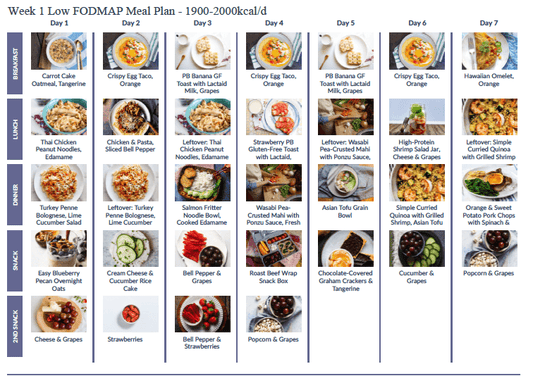
If you have IBS, a sensitive stomach, or you're doing a low-FODMAP approach, GLP-1 therapy can feel like your GI system is negotiating every bite. The trick is to keep meals simple, repeatable, and protein-forward without triggering bloating.
Low-FODMAP, High-Protein Meal Building Blocks
Use "building blocks" instead of complicated recipes:
Proteins (generally low-FODMAP): eggs, poultry, fish, firm tofu, lactose-free Greek yogurt, whey isolate (if tolerated)
Carbs: rice, oats, potatoes, quinoa, sourdough spelt in small amounts (tolerance varies)
Vegetables (choose your tolerables): zucchini, carrots, cucumber, spinach, bell pepper
Fats: olive oil, small portions of nuts/seeds if tolerated
If nausea is a factor, colder foods and simpler textures are often better tolerated than heavy, hot, or greasy meals.
Fiber Without Bloating: Soluble-First Strategies
Fiber is important, but the type matters.
Soluble fiber tends to be better tolerated in IBS and can support stool consistency. Examples include oats, chia (small amounts), kiwi, and psyllium.
A practical approach:
Start low and increase slowly
Prioritize soluble fiber first
Use food sources when possible, and consider a clinician-approved supplement if needed
If you jump from low fiber to "I'm eating a bowl of cruciferous vegetables daily," bloating is almost guaranteed.
Managing Constipation To Reduce Skin Dryness And Discomfort
Constipation is common on GLP-1 medications because motility slows (your GI tract moves more slowly). Constipation can worsen discomfort, reduce appetite further, and indirectly contribute to dehydration patterns that show up in skin.
Supportive habits include:
Consistent fluids and electrolytes
Soluble fiber, introduced gradually
Regular movement (walking helps gut motility more than people expect)
Protein balanced with fiber (all-protein, no-fiber days often worsen constipation)
If constipation is persistent, severe, or accompanied by significant pain, you should involve your clinician rather than self-experimenting endlessly.
When To Call Your Clinician Or Seek Urgent Care
Most skin changes on GLP-1 therapy are manageable. A small subset isn't. The key is recognizing the patterns that should move you from "optimize at home" to "get medical eyes on this."
Allergic Or Severe Skin Reactions That Need Same-Day Advice
Seek same-day medical advice (or urgent care/emergency services depending on severity) for:
Widespread hives
Swelling of the lips, tongue, face, or throat (angioedema)
Trouble breathing, wheezing, chest tightness
Rapidly spreading rash, blistering, or skin peeling
Fever with a new rash
These can represent hypersensitivity reactions and shouldn't be managed through skincare changes.
Warning Signs Of Nutrient Deficiency Or Dehydration
Contact your clinician if you notice:
Significant hair shedding plus fatigue, dizziness, or shortness of breath
Cracks at the corners of the mouth, unusual bruising, or poor wound healing
Persistent lightheadedness, very dark urine, or inability to keep fluids down
Unintentional, very rapid weight loss paired with weakness
These aren't definitive diagnoses, but they're signals that your intake, hydration, or micronutrient status may need assessment.
When Dermatology Or Aesthetic Care Makes Sense
If you're medically stable but bothered by appearance changes, dermatology can be a practical, reasonable next step.
Consider a dermatology consult if:
You have persistent dermatitis, eczema-like flares, or acne that isn't responding to gentle routine changes
You're concerned about hair shedding patterns (especially if shedding is prolonged)
You want to discuss evidence-based options for volume loss or texture (for example, neuromodulators, fillers, collagen-stimulating procedures, or laser-based treatments)
A good clinician will help you balance goals with skin biology, and avoid overtreatment when your barrier is already stressed.
Conclusion
GLP-1 skin changes sit at the crossroads of physics (rapid volume loss), physiology (nutrition, hydration, inflammation), and hormones (especially in perimenopause and menopause). The most helpful mindset is: don't panic, don't overcorrect, and don't ignore red flags.
If you take one practical approach into 2026, make it this: protect your skin barrier, protect your protein intake, and protect your pace of loss. Those three levers won't eliminate every change, but they dramatically improve the odds that your skin looks like it belongs to you, through the whole process.
Rapid weight loss can outpace your skin's ability to adapt, and nutrient shortfalls make it worse. Supporting collagen synthesis, antioxidant status, and targeted topical care matters. Casa de Sante's physician-formulated skincare protocols and collagen supplements are designed specifically for the skin changes that come with GLP-1 therapy. Explore them at casadesante.com.
This article is for educational purposes only and is not medical advice. Always consult your healthcare provider before making changes to your treatment plan.
GLP-1 Skin Changes: Frequently Asked Questions
What causes skin changes during GLP-1 medication therapy?
GLP-1 medications affect skin through rapid weight loss altering fat tissue and collagen levels, reduced nutrient and hydration intake, and immunomodulatory effects lowering pro-inflammatory signals, all impacting skin structure and barrier function.
Why do some people experience facial volume loss or 'Ozempic face' on GLP-1 therapy?
Facial volume loss results from rapid fat pad reduction and decreased collagen production during GLP-1 therapy, leading to hollowed cheeks and under-eye shadows—changes driven by geometry and reduced skin support proteins.
How can I manage dryness and sensitivity caused by GLP-1 medications?
To manage dryness and sensitivity, prioritize a barrier-first skincare routine with gentle cleansers, non-irritating moisturizers, daily sunscreen, and avoid over-exfoliating or stacking active ingredients that can worsen barrier disruption.
Are there any severe skin reactions related to GLP-1 medications that require urgent medical attention?
Yes, immediate medical care is needed for widespread hives, swelling of lips or throat (angioedema), difficulty breathing, rapidly spreading rash, blistering, or fever with rash, as these may indicate hypersensitivity reactions.
Can GLP-1 medications improve inflammatory skin conditions like psoriasis?
Yes, GLP-1 receptor agonists reduce pro-inflammatory cytokines and have been shown to improve psoriasis severity in about 35% of patients within 6-12 weeks, demonstrating anti-inflammatory skin benefits independent of weight loss.
What nutritional steps help support skin health while on GLP-1 therapy?
Maintaining adequate protein intake each meal, ensuring key micronutrients like iron, zinc, vitamin D, and essential fatty acids, along with proper hydration and electrolytes, supports collagen synthesis and preserves skin barrier function during GLP-1 treatment.