GLP-1 Skin Changes Before And After Photos: What’s Normal, What’s Not, And How To Support Your Skin In 2026








If you've searched for "GLP-1 skin changes before and after photos," you've probably seen the same patterns: a slimmer face that suddenly looks a little more tired, a softer jawline, looser skin on the abdomen or upper arms, and occasionally a "why do I look older?" feeling that's hard to name.
Here's the reassuring part: many of the skin shifts people notice on semaglutide or tirzepatide are explainable, common, and, in many cases, improvable. The less reassuring part is that before-and-after photos can also mislead you, sometimes dramatically, because skin is highly sensitive to lighting, hydration, and timing.
This guide walks you through what GLP-1 before-and-after photos can realistically show, why your skin may change during GLP-1 therapy, who's more likely to notice visible differences (especially in perimenopause/menopause), and a practical, gut-friendly plan to support your skin while you're losing weight in 2026.
Why GLP-1 Medications Can Change Your Skin
GLP-1 medications (like semaglutide and tirzepatide) don't directly "age" your skin. What they do, often very effectively, is change your body composition, appetite, and digestion. Your skin responds to those shifts.
Fat Loss, Fluid Shifts, And Collagen: The Skin Biology Behind The Photos
A lot of the "GLP-1 face" conversation comes down to basic anatomy.
Your face and body have fat pads that act like subtle scaffolding. When you lose fat quickly, those pads shrink faster than your skin can tighten. That can create visible changes in:
- Midface volume (cheeks look flatter)
- Under-eye area (more hollowing or shadowing)
- Jawline (more jowling if skin laxity was already developing)
At the same time, weight loss can come with fluid shifts. If you're a little dehydrated from reduced intake, nausea, or constipation, skin can look temporarily duller and less "plump." This is one reason photos taken a week apart can look surprisingly different.
Collagen and elastin matter here too. Collagen provides structure: elastin provides stretch-and-snap. Both naturally decline with age, and they're influenced by nutrition, hormones (especially estrogen), sun exposure, and smoking history. If you're losing weight rapidly in your 40s or 50s, your skin may simply have less elastic reserve than it did in your 20s.
Nutrition, Digestion, And Absorption: Why GI Side Effects Matter For Skin
GLP-1s slow gastric emptying (food leaves your stomach more slowly). That's part of why you feel full sooner. But it can also lead to nausea, reflux, constipation, or diarrhea, side effects that can unintentionally shrink your nutrition "runway."
When your intake drops, your skin may be the first place you notice it. Not because the skin is "vain," but because it's metabolically active and sensitive to:
- Low protein intake (less building material for repair)
- Low micronutrient intake (vitamins/minerals needed for collagen formation and barrier function)
- Poor hydration and electrolyte balance
- Reduced tolerance for fiber or healthy fats (which can help skin barrier and bowel regularity)
If you're eating less and avoiding foods that upset your stomach, it becomes easier to drift into subtle deficiencies over weeks to months, especially if you're also dealing with ongoing constipation or nausea that makes "balanced meals" feel unrealistic.
What Before-And-After Photos Can (And Can’t) Tell You
Before-and-after photos can be useful, but they're a blunt tool. The internet tends to treat them like evidence. Clinically, they're more like a clue.
Lighting, Angles, And Time Frames That Make Results Look Bigger (Or Smaller)
Small photography differences can create "big" skin differences:
- Overhead lighting deepens under-eye shadows and makes lines look sharper.
- Side lighting highlights texture (dryness, pores, crepey skin).
- Wide-angle phone lenses can distort facial proportions up close.
- A slightly lower camera angle can make jowls or neck laxity look worse.
Time frame matters too. Early in GLP-1 therapy, you may lose glycogen and water weight quickly, which can temporarily reduce facial fullness. Later, as your intake stabilizes and your body adapts, some of that "deflated" look can soften.
And there's the emotional piece: when you're scanning your own photos, you're often looking for proof that something changed. Your brain is very good at finding it.
How To Compare Photos Fairly If You're Tracking Your Own Changes
If you want your own "GLP-1 skin changes before and after photos" to actually mean something, standardize the variables you can control:
- Same time of day (morning swelling vs evening fatigue is real)
- Same location and lighting (face a window, not a ceiling light)
- Same camera distance and angle (mark the floor if you have to)
- Neutral expression (smiling hides some laxity: frowning creates it)
- Similar hydration and salt intake for 24 hours before (to reduce fluid-related swings)
A simple approach that works well: monthly photos, not weekly. Skin remodeling is slow. Weekly comparisons tend to capture water shifts and stress more than true structural change.
Common GLP-1 Skin Changes Seen In Before-And-After Photos
Not everyone experiences visible skin changes on GLP-1 therapy. But when they show up, the patterns are pretty consistent across real-world photo timelines.
Face Changes: Volume Loss, "Ozempic Face," And Under-Eye Hollowing
The term "Ozempic face" isn't a formal diagnosis. It's a shorthand for a cluster of visible changes that can happen with rapid fat loss:
- Cheek flattening or hollowing
- More visible nasolabial folds (smile lines)
- Under-eye hollowing (tear trough shadowing)
- Increased jowling or a "downward pull" at the corners of the mouth
If you were already noticing early laxity before GLP-1 therapy, weight loss can make it more obvious, because there's less underlying volume holding the skin outward.
Body Skin: Looseness On The Abdomen, Arms, Thighs, And Breasts
Body skin often tells the story of total weight lost and how quickly you lost it.
Common photo-visible areas include:
- Lower abdomen (loose skin, "apron" overhang in some cases)
- Upper arms (especially the triceps area)
- Inner thighs
- Breast volume changes (less fullness, more laxity)
Part of this is fat loss: part can be lean mass loss. If your weight loss is coming from both fat and muscle, the "shrinkage" can look more dramatic.
Texture And Tone: Dryness, Dullness, Acne, Or Increased Sensitivity
Texture changes can be subtle in person but loud in photos.
You may notice:
- Dryness or flaking (often tied to reduced intake/hydration)
- Dullness (less surface hydration and fewer antioxidants in the diet)
- Increased sensitivity (a weaker skin barrier can sting with products that used to feel fine)
- Acne or breakouts (sometimes stress-related: sometimes from changing routines: sometimes from occlusive products used to "fix" dryness)
If your GI side effects are limiting food variety, it's also easier to under-consume the nutrients that support barrier function and recovery.
Hair Shedding And Brows/Lashes: When It Shows Up In Photos
Hair changes often get lumped into "GLP-1 side effects," but the more accurate concept is telogen effluvium, a temporary shedding pattern that can follow rapid weight loss, illness, major stress, or significant calorie restriction.
In photos, this can look like:
- Thinner hair density at the part line
- More scalp visibility around the temples
- Sparse brows or lashes in some people
Timing matters. Shedding often appears a few months after the trigger (not immediately), which is why it can feel like it "came out of nowhere" even if your weight loss started earlier.
Who’s More Likely To Notice Visible Skin Changes
Two people can lose the same amount of weight on the same medication and end up with very different "before and after" skin stories. Your starting point shapes the outcome.
Rate Of Weight Loss, Starting BMI, Age, And Prior Dieting History
You're more likely to see noticeable laxity or facial hollowing if:
- Your weight loss is rapid (skin has less time to adapt)
- You started at a higher BMI and lost a larger absolute amount
- You're older (collagen and elastin reserves are lower)
- You've had multiple cycles of weight loss and regain (skin has been stretched and relaxed repeatedly)
This isn't a moral judgment: it's tissue mechanics.
Perimenopause/Menopause: Estrogen, Collagen Loss, And Skin Elasticity
If you're in perimenopause or menopause, you're playing a different game.
Estrogen supports skin thickness, hydration, and collagen content. When estrogen declines, collagen loss accelerates and skin can become drier and less elastic. So if you're also losing weight on a GLP-1, the combination can make skin changes more visible, especially around the lower face, neck, and body areas where laxity tends to show first.
This is one reason women in their 40s and 50s often feel like their "before and after photos" look more dramatic than they expected, even with a healthy, intentional weight loss.
Strength Training And Protein Intake: How Body Composition Changes The Look
What you lose matters as much as how much you lose.
If you preserve lean mass (muscle), you often keep more shape under the skin, particularly in the arms, thighs, and glutes. In contrast, if a significant portion of loss comes from muscle, the skin can look less supported.
Protein intake, resistance training, and adequate overall nutrition don't guarantee zero laxity, but they can shift your results from "deflated" to "leaner and firmer," especially over time.
Skin Support While On GLP-1: A Practical Plan
Skin support on GLP-1 therapy is mostly unglamorous basics, done consistently. The goal isn't perfection, it's giving your skin the raw materials and environment it needs while your body is changing.
Protein, Fiber, And Hydration Targets That Won't Worsen Nausea Or Reflux
If you're dealing with nausea or reflux, big meals can backfire. Think smaller, steadier inputs.
Practical strategies many people tolerate better:
- Prioritize protein early in the day, in smaller portions (instead of trying to "catch up" at dinner).
- Use lower-volume options when appetite is low (Greek yogurt, eggs, smoothies, protein shakes).
- Pair fiber with fluids to avoid worsening constipation (fiber without enough fluid can make stool harder).
- Go easy on very fatty meals if reflux is an issue: fat can slow stomach emptying even more.
Hydration is not just water. If you're drinking a lot but still constipated or lightheaded, it may be an electrolyte balance issue. Discuss persistent symptoms with your clinician.
Micronutrients Linked To Skin And Hair (And Common GLP-1 Gaps)
You don't need a dozen supplements. You do need awareness.
Nutrients commonly involved in skin and hair support include:
- Protein (amino acids are the building blocks for collagen and keratin)
- Iron and ferritin (low stores can contribute to fatigue and shedding)
- Zinc (skin barrier and wound healing)
- Vitamin D (immune and skin health: many adults run low)
- B vitamins (especially B12 and folate, depending on diet pattern)
- Essential fatty acids (support skin barrier and inflammation balance)
If you're experiencing significant hair shedding, brittle nails, or persistent fatigue, it's reasonable to ask your prescriber whether labs are appropriate (for example: CBC, ferritin, iron studies, vitamin D, B12, thyroid markers).
Gut-Friendly Skin Strategy: Constipation, Diarrhea, And Bloating Considerations
Your gut tolerance shapes your nutrition consistency, and that shapes skin outcomes.
- If constipation is your main issue, you'll usually do better with gradual fiber increases, adequate fluids, and consistent meal timing rather than sudden high-fiber swings.
- If diarrhea is the issue, aggressive magnesium or high-dose sugar alcohols can worsen it. So can certain "greens" powders.
- If bloating is the issue, you may need to simplify: fewer ingredients per meal, less carbonation, slower eating, and attention to trigger foods.
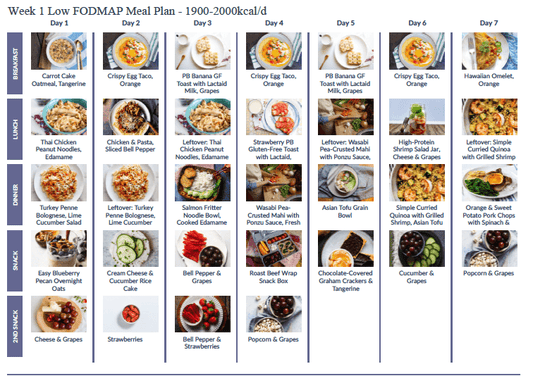
For many people on GLP-1s, a low FODMAP-style approach (temporarily reducing fermentable carbs that can drive gas and bloating) can make it easier to eat enough protein and produce consistently, without feeling miserable.
Topicals And In-Office Options: What Helps With Laxity And Texture
Topicals can improve texture, brightness, and fine lines. Procedures can address volume and deeper laxity. The most satisfying results usually come from combining the right basics with the right timing.
Skincare Basics That Actually Move The Needle: Barrier Repair And Sun Protection
If your skin is feeling drier or more sensitive on GLP-1 therapy, act like a dermatologist would: protect the barrier first.
Focus on:
- Gentle cleanser (no harsh scrubbing)
- Moisturizer with barrier-supporting ingredients (like ceramides, glycerin, hyaluronic acid)
- Daily sunscreen (UV exposure breaks down collagen and worsens laxity and pigmentation)
If you're trying to interpret before-and-after photos, sunscreen is one of the few habits that reliably improves long-term skin quality, because it prevents ongoing collagen loss while you're working on everything else.
When To Consider Retinoids, Peptides, Lasers, Microneedling, Or Fillers
Different problems respond to different tools:
- Retinoids (retinol/tretinoin): helpful for fine lines, texture, and collagen signaling, but can irritate if you're already dry.
- Peptides: can support a smoother, healthier-looking appearance: effects are typically subtle but real with consistency.
- Lasers and energy devices: can improve tone, texture, and some laxity by stimulating collagen remodeling.
- Microneedling (with or without radiofrequency): can improve texture and mild-to-moderate laxity over a series.
- Fillers or biostimulators: address volume loss (cheeks/temples/under-eye) and can soften the "deflated" look.
The right choice depends on whether your main issue is volume, laxity, or texture, and whether your weight is still changing.
Timing Procedures Around Active Weight Loss For Better Results
If you're still losing weight quickly, it may be worth waiting on certain aesthetic decisions.
Why? Because your face and body may continue to change for months. A filler plan done mid-loss can look different after another 15–25 pounds.
Many clinicians prefer:
- Skin-barrier and sun protection immediately
- Texture-focused topicals early (as tolerated)
- Energy-based treatments or injectables once your rate of weight loss slows and your weight is closer to stable
That doesn't mean you must wait. It means you'll get more predictable, easier-to-maintain results when your "after" is not still moving.
When Skin Changes Signal A Problem
Most GLP-1-related skin changes are cosmetic and expected during significant weight loss. But some skin or hair findings deserve medical attention.
Red Flags: Persistent Rash, Swelling, Hives, Or Severe Hair Loss
Contact your clinician promptly if you develop:
- Hives (urticaria), facial swelling, lip/tongue swelling, or trouble breathing (can signal an allergic reaction)
- A persistent, painful, or spreading rash
- Significant swelling (especially if paired with shortness of breath)
- Rapid or patchy hair loss, scalp inflammation, or eyebrow loss that's worsening
Also pay attention to symptoms that come with skin changes: dizziness, fainting, severe fatigue, persistent vomiting, or inability to keep fluids down.
When To Talk To Your Prescriber About Dose, Pace Of Loss, Or Labs
If your photos (and mirror) are showing fast, dramatic change, it's reasonable to discuss the pace of loss with your prescriber. In some cases, tolerability improves with slower titration, dose adjustments, or a more structured nutrition strategy.
Bring specific, trackable data to the conversation:
- Your weekly rate of weight loss over the last 4–8 weeks
- Your average protein intake (even a rough estimate)
- GI side effects (nausea days, constipation frequency, reflux)
- Any signs of dehydration
And if hair shedding, fatigue, or skin fragility is escalating, ask whether labs make sense to rule out treatable contributors.
Conclusion
GLP-1 skin changes before and after photos can be validating, because they show you you're not imagining things. But they can also be unfair, because a camera exaggerates volume loss, dryness, and shadows.
What tends to hold true in 2026 is simple: the faster the change, the more your skin has to catch up. Your best leverage points are the ones that protect body composition and nutrition while you're losing weight, adequate protein, resistance training, hydration, and a gut-tolerable plan that keeps you consistent.
Your skin is working overtime to keep up with body composition changes on GLP-1 medications. Casa de Sante offers MD PhD-formulated skincare and nutritional support built for exactly this situation. See what's available at casadesante.com.
This article is for educational purposes only and is not medical advice. Always consult your healthcare provider before making changes to your treatment plan.
Frequently Asked Questions about GLP-1 Skin Changes Before and After Photos
What skin changes are commonly seen in GLP-1 before and after photos?
Common changes include facial volume loss such as hollow cheeks, under-eye hollowing, and jowling, along with loose skin on the abdomen, arms, and thighs. Texture may also appear drier or duller due to dehydration and nutrition gaps caused by GLP-1 side effects.
Why do GLP-1 medications like semaglutide affect skin appearance?
GLP-1 medications promote rapid fat loss, reducing facial and body fat pads faster than skin can tighten. Collagen and elastin decline, worsened by GI side effects limiting nutrient absorption, leading to sagging, crepiness, and the so-called "Ozempic Face."
How can I take reliable before and after photos to track skin changes on GLP-1 therapy?
Use consistent lighting, camera angle, and time of day, maintain similar hydration, and take photos monthly. This reduces distortions caused by shadows and fluid shifts and provides a more accurate view of skin changes over time.
Who is more likely to notice visible skin changes while on GLP-1 medications?
People with faster weight loss, higher starting BMI, older age, prior dieting history, or those in perimenopause or menopause are more prone to visible skin laxity and volume loss due to reduced collagen and elastin reserves.
What can be done to support skin health while using GLP-1 medications?
Focus on high protein intake, adequate hydration, gut-friendly nutrition to reduce GI side effects, plus skin barrier repair and sun protection topicals like ceramides and hyaluronic acid. Strength training helps preserve muscle and skin firmness during weight loss.
When should I consult a healthcare provider about skin or hair changes on GLP-1 therapy?
Seek medical advice if you experience persistent rash, severe hair loss, swelling, hives, or symptoms like dizziness and fatigue. Discuss your weight loss pace, nutrition, and consider labs to rule out nutrient deficiencies or other issues.