GLP-1 Regularity Companion Review: Does It Actually Help Constipation (And Who Should Skip It)?








If you're on semaglutide or tirzepatide and you're suddenly counting days between bowel movements, you're not imagining it. Constipation is one of the most common "this is not what I signed up for" side effects of GLP-1 medications, and it can show up even when you're doing everything "right."
So does a product like GLP-1 Regularity Companion actually help constipation, or is it just another supplement with a nice label?
This review walks you through why GLP-1 constipation happens, what a GLP-1-focused "regularity" formula is generally trying to do, which ingredient categories tend to help (and which can backfire), and how to use a regularity supplement in a way that doesn't worsen nausea, bloating, or cramping.
Why GLP-1 Medications Commonly Cause Constipation
Constipation on GLP-1 therapy isn't a character flaw or a hydration "gotcha." It's a predictable downstream effect of how these medications work.
In clinical trials and post-marketing reports, constipation rates vary by product and dose. Roughly 5% of Ozempic users report constipation, about 24% of Wegovy users report it, and in obesity-dose treatment settings the rate has been reported as high as about 35%. Real-world experience often feels higher because people don't always report it unless it's truly interfering.
There's also an underappreciated long-game issue: constipation risk appears to increase with treatment duration, with some data suggesting the highest occurrence around 1.6 years into therapy. Many GLP-1 trials run under a year, so the longer-term pattern can be undercounted.
How Slower Gastric Emptying And Appetite Changes Affect Bowel Movements
GLP-1 receptor agonists slow gastric emptying (how quickly your stomach empties into the small intestine). This is part of why you feel full faster and stay full longer.
But the "slow-down" doesn't always stop at the stomach. These medications can reduce intestinal motility as well (how efficiently the intestines move contents forward). When intestinal transit time slows, your colon has more time to reabsorb water from stool. The result is classic: harder, drier stools that are more difficult to pass.
If you've ever thought, I'm not even eating much, how can I be constipated?, that's exactly the point. Less intake plus slower transit is a perfect setup for constipation.
Other Hidden Contributors: Lower Fiber, Less Fluid, Less Food Volume, And Less Movement
Even when the medication effect is the main driver, the day-to-day behaviors it creates can quietly amplify constipation:
Lower fiber without realizing it. When appetite drops, people often cut "bulky" foods first: beans, lentils, bran cereals, big salads. Fiber intake can fall dramatically.
Less fluid (and less thirst). Many people on GLP-1s report diminished thirst cues. Add nausea and food aversions, and hydration can slip.
Less overall food volume. Your GI tract is used to a certain amount of volume to stimulate movement. When volume shrinks, motility often slows further.
Less movement. If you're fatigued, nauseated, or simply eating less, you may also be moving less. Gentle activity helps bowel motility: reduced activity can worsen constipation.
That's why a "regularity companion" concept makes sense in principle: it's trying to counteract multiple constipation drivers at once, not just one.
What The GLP-1 Regularity Companion Claims To Do
A GLP-1-focused regularity supplement is usually positioned as a gut-friendly way to support bowel movements without triggering the cramping, urgency, or "I can't leave the house" effect that some laxatives cause.
Because product labels and formulas vary, it's best to think in categories: what a regularity stack is typically trying to do physiologically.
What's Typically Inside A "Regularity" Stack (And Why)
Most regularity formulas (especially those aimed at people with sensitive stomachs) try to combine a few mechanisms:
- Fiber or prebiotic fiber to add stool bulk and improve stool consistency. Certain fibers also support beneficial gut bacteria.
- Osmotic support, often magnesium salts, to draw water into the intestines and soften stool.
- Gentle motility support, sometimes with herbs, to encourage bowel movement frequency.
- "Soothing" add-ons (less consistently helpful) such as aloe, slippery elm, or digestive bitters.
In the GLP-1 context, the ideal is: improve stool softness and frequency without adding gas, bloating, or nausea.
Who It's Designed For And What Results To Realistically Expect
A GLP-1 regularity product is generally best suited for you if:
You're having infrequent bowel movements (for you) and stools are harder/drier.
You're not having severe abdominal pain, vomiting, or signs of obstruction.
You need something you can use consistently, not a once-a-week rescue laxative.
Realistic expectations matter. For most people, a "regularity companion" won't create an immediate, dramatic effect the way a strong stimulant laxative can. The goal is more boring than that: softer stools, less straining, and more predictable frequency over days to a couple of weeks.
Also, if your constipation is primarily from dehydration and very low intake, no supplement can outwork the basics. A good formula can support the process, but it can't replace fluids, adequate electrolytes, and a fiber approach your gut tolerates.
Ingredient-By-Ingredient Breakdown: What Helps Constipation Vs. What Just Adds Hype
Not all constipation supplements are created equal, and "more ingredients" is not automatically better. Some ingredients have good evidence and a predictable mechanism. Others are there because they sound helpful.
Here's how to think about the most common categories you'll see in products marketed like a GLP-1 Regularity Companion.
Fiber Types (Psyllium, Partially Hydrolyzed Guar Gum, Inulin): Benefits And Common Pitfalls
Psyllium
Psyllium is a soluble, gel-forming fiber that can improve stool consistency and increase stool water content. It's one of the better-studied fibers for constipation.
Pitfalls on GLP-1s: If you start too fast or don't drink enough fluid, psyllium can worsen bloating, create a "brick" feeling, or make stools bulkier without making them easier to pass.
Partially hydrolyzed guar gum (PHGG)
PHGG is a soluble fiber that tends to be better tolerated than many other fibers. It can support stool regularity and acts as a prebiotic (feeds beneficial gut microbes).
Pitfalls on GLP-1s: It can still cause gas in some people, especially if your baseline diet is very low in fiber and you jump to a full dose.
Inulin
Inulin is a prebiotic fiber that can help some people with constipation, but it's also a common trigger for gas and bloating.
Pitfalls on GLP-1s: If you're already dealing with GLP-1 nausea or distension, inulin can be the ingredient that makes you feel worse, not better, especially if you're sensitive to FODMAPs (fermentable carbohydrates that can worsen IBS-type symptoms).
Practical takeaway: For many GLP-1 users, psyllium or PHGG tends to be a more predictable "regularity" choice than inulin. If you know you're FODMAP-sensitive, inulin is one to approach cautiously.
Osmotic Support (Magnesium Citrate/Oxide): When It Works And When It Backfires
Magnesium citrate
Magnesium citrate works as an osmotic laxative: it pulls water into the intestines. For many people, it's effective and relatively quick.
When it works well: hard stools, mild-to-moderate constipation, and situations where hydration is decent but stool is still dry.
When it backfires: if you're prone to diarrhea, cramping, or electrolyte issues, or if you escalate dosing too quickly. Some people also find it worsens reflux or nausea.
Magnesium oxide
Magnesium oxide can also have an osmotic effect, but it's less bioavailable and may be less predictable for constipation. Some people do fine with it: others don't notice much.
Safety note: Magnesium is not "free." If you have kidney disease (or reduced kidney function), magnesium can accumulate and become unsafe. This is a talk-to-your-clinician situation.
Stool Softeners, Herbal Stimulants, And "Detox" Add-Ons: Red Flags To Watch For
Stool softeners (like docusate)
Docusate is common in constipation aisles, but evidence for meaningful benefit is mixed. It may help some people with stool consistency, but it's not a strong solution for slow-transit constipation.
Herbal stimulants (senna, cascara, aloe latex)
Stimulant laxatives trigger intestinal contractions. They can be helpful as short-term rescue options, but they're the ingredients most likely to cause cramping and urgency.
On GLP-1 therapy, where motility is already altered, stimulants can feel harsher. If your goal is long-term tolerability, be cautious with formulas that rely on stimulants as the main engine.
"Detox" ingredients
If a product leans heavily on detox language or includes multiple aggressive herbs, that's a red flag. Constipation on GLP-1s is usually about slowed transit, hydration, and fiber tolerance, not "toxins."
Practical takeaway: A GLP-1-friendly regularity formula usually looks boring: a tolerable fiber, possibly magnesium in a sensible dose, and minimal stimulant herbs (or none). Boring is often a feature, not a bug.
How To Use It On GLP-1s Without Making Symptoms Worse
The most common reason people fail a fiber or magnesium-based product isn't the product itself. It's starting too aggressively.
On GLP-1s, your GI tract is already running slower. The move is to make small, consistent adjustments and let your body adapt.
A Gentle Start Protocol: Timing, Dosing, And How Fast To Titrate
In general, the gentlest approach looks like this:
Start low. Use a partial serving for several days.
Hold steady before increasing. If you're more bloated, more nauseated, or your stools are bulkier but not easier to pass, don't keep escalating.
Increase gradually. Titrate up only when you're tolerating the current amount.
Consider timing. Many people tolerate fiber better earlier in the day or separated from their largest meal. Magnesium-containing products may be better tolerated in the evening for some.
If your constipation is severe (significant pain, no bowel movement for many days, vomiting, inability to pass gas), don't "titrate" at home, contact your clinician.
Pairing With Food: Low-FODMAP-Friendly Ways To Add Fiber Without Gas And Bloating
If you're prone to gas and bloating, especially if you have IBS tendencies, your strategy matters as much as your supplement.
Low-FODMAP-friendly fiber additions (often better tolerated) include:
Chia seeds in small amounts (increase slowly)
Kiwi (there's evidence for constipation support in some people, and it's often well tolerated)
Oats (simple, not a giant bowl)
Cooked vegetables instead of raw salads (often easier on GLP-1 nausea)
If your regularity supplement contains a prebiotic fiber (like inulin), you may do better using a smaller dose and pairing it with a simple, low-gas meal rather than taking it on an empty stomach.
Also, don't overlook protein timing. When you're barely eating, it's easy to default to a few bites of "whatever sounds okay," which can mean very low fiber for days. A simple plan (protein plus a tolerable fiber source) often beats a complicated menu.
Hydration And Electrolytes: The Non-Negotiables For Regularity On Semaglutide/Tirzepatide
Fiber without fluid is a setup for disappointment.
On GLP-1s, aim for steady hydration across the day rather than chugging at night. And consider electrolytes if you're:
Eating very little
Sweating more
Using magnesium products
Having intermittent diarrhea from dose changes
Constipation is often "dry," but the solution isn't just more water, it's water plus enough sodium and potassium for your body to hold onto fluids appropriately.
If you're feeling lightheaded, getting headaches, or your urine is consistently very dark, treat hydration as part of your constipation protocol, not a separate issue.
Safety, Interactions, And Who Should Avoid It
Even "gentle" constipation supplements can cause problems in the wrong context. The big three issues are medication absorption, underlying GI conditions, and kidney function.
Medication Timing And Absorption: Spacing Fiber, Magnesium, And Other Oral Meds
Fiber can bind to certain medications and reduce absorption. Magnesium can also interact with some drugs.
A practical rule many clinicians use: separate fiber supplements from oral medications by at least 2 hours (sometimes longer depending on the medication). This matters if you take:
Thyroid hormone (levothyroxine)
Certain antibiotics
Iron supplements
Some osteoporosis medications
Magnesium can interfere with absorption of certain antibiotics and thyroid medications as well.
If you're on multiple oral meds, ask your pharmacist or prescriber to help you create a spacing schedule that's realistic. The goal is not perfection: it's avoiding the most important conflicts.
High-Risk Situations: Severe Constipation, Prior Obstruction, Gastroparesis, Or Kidney Disease
You should be cautious (and get clinician input) if any of the following apply:
Severe constipation with pain, vomiting, inability to pass gas, or marked abdominal distension. These are potential obstruction warning signs.
History of bowel obstruction or strictures.
Known gastroparesis (delayed stomach emptying that's clinically significant). GLP-1s can worsen gastroparesis symptoms in some people. Adding bulk fiber on top of severe slow emptying can be a bad experience.
Kidney disease or reduced kidney function. Magnesium-containing products can become unsafe because magnesium is cleared through the kidneys.
If you're not sure whether you have gastroparesis, a clue is persistent early fullness, nausea, vomiting, and feeling like food "just sits there," especially if symptoms are escalating.
Pregnancy, Breastfeeding, And Perimenopause/Menopause Considerations
Pregnancy and breastfeeding
Many GLP-1 medications are not recommended during pregnancy and breastfeeding. If you're pregnant or trying to conceive, constipation management should be coordinated with your clinician.
Perimenopause/menopause
Hormonal shifts can worsen constipation independently. Lower estrogen and progesterone fluctuations can affect gut motility and pelvic floor function. If constipation started before GLP-1 therapy and worsened after, you may be dealing with a layered problem: medication-related slowed transit plus midlife hormonal and lifestyle factors.
In that scenario, it's even more important to avoid harsh stimulant-heavy products and instead focus on a steady, tolerable routine (fiber you can handle, hydration/electrolytes, and movement) and discuss pelvic floor considerations if straining is frequent.
What To Try If It Doesn’t Work (Or If It Makes You Worse)
If a regularity supplement doesn't help within a reasonable window, or it clearly worsens bloating, cramping, or nausea, don't keep forcing it. Constipation is fixable, but it's easiest when you take it stepwise.
Stepwise Constipation Plan: From Food And Fluids To OTC Options
A practical stepwise plan (increasing intensity only as needed) looks like:
Step 1: Hydration plus electrolytes
If you're under-hydrated, fiber won't land well. Build a consistent baseline first.
Step 2: Gentle fiber you tolerate
If your supplement's fiber isn't agreeing with you, consider switching fiber type rather than abandoning fiber altogether. Some people do better with PHGG than inulin: others do best with small-dose psyllium.
Step 3: Food-based supports
Small, repeatable choices often work better than "perfect" meals. A consistent breakfast routine (even if it's small) can help trigger the gastrocolic reflex (your colon's natural movement after eating).
Step 4: OTC options (with clinician guidance when needed)
Polyethylene glycol (PEG 3350) is commonly used as an osmotic option.
Occasional stimulant laxatives can be used short term for rescue in some people, but if you need them repeatedly, it's a sign your plan needs adjusting.
If you're already on higher GLP-1 doses and constipation is persistent, your prescriber may also consider dose adjustments, slower titration, or a temporary step-down.
When To Contact Your Prescriber: Warning Signs You Shouldn't Push Through
Contact your prescriber promptly if you have:
No bowel movement for several days with worsening abdominal pain
Vomiting, especially if you can't keep fluids down
Inability to pass gas
Significant abdominal distension
Blood in stool or black/tarry stools
New severe constipation after a dose increase that doesn't respond to conservative measures
These aren't situations where you should "wait it out" with another supplement scoop.
How It Compares To Other Approaches For GLP-1 Constipation
A GLP-1 Regularity Companion-style supplement can be a helpful tool, but it's not the only (or always the best) lever.
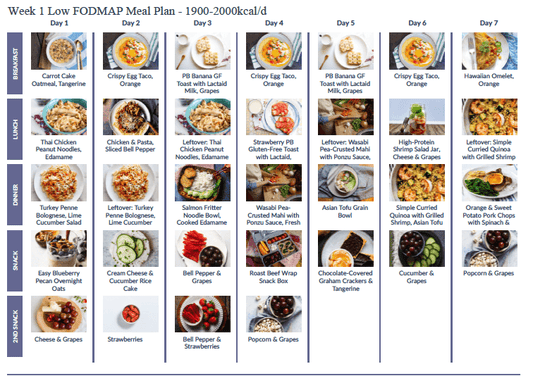
Regularity Supplements Vs. Low-FODMAP Fiber, Protein, And Meal Planning
Supplements are attractive because they're simple. But if your constipation is being driven by low intake, low fiber, and dehydration, planning beats pills.
What meal planning can do better than a supplement:
Create predictable "volume signals" for the gut with small, consistent meals
Improve fiber quality (not just quantity) using low-FODMAP-friendly choices if you're sensitive
Support protein intake without relying on giant meals (important because muscle loss risk rises when appetite drops)
In the Casa de Sante ecosystem, this is where low-FODMAP strategy can be particularly relevant. If you're prone to bloating, the wrong fiber can make you feel worse, even if it helps stool frequency. A low-FODMAP-informed approach helps you get the benefits of fiber with less fermentation-related misery.
Short-Term Relief Vs. Long-Term Gut Habits: What Actually Prevents Recurrence
Think in two timelines:
Short-term relief is about softening stool and restoring comfortable passage.
Long-term prevention is about making constipation less likely to return at the next dose increase, travel week, stressful month, or appetite dip.
Long-term habits that matter on GLP-1 therapy:
Slow titration when side effects are active (work with your prescriber)
A repeatable hydration routine
A fiber plan that matches your tolerance (not someone else's)
Daily movement you can actually sustain
If you rely only on rescue laxatives, constipation tends to cycle. If you build a baseline routine and use a regularity supplement as support, not as the entire plan, you usually get a more stable result.
Conclusion
A GLP-1 Regularity Companion-style product can be genuinely useful for constipation on semaglutide or tirzepatide, but the details matter. The best formulas lean on tolerable fiber and sensible osmotic support, avoid aggressive "detox" ingredients, and are used with a slow, patient ramp-up, because your gut is already moving more slowly on GLP-1 therapy.
If you try a regularity supplement and you feel more bloated, more nauseated, or more backed up, treat that as information, not failure. Often the fix is changing the fiber type, adjusting timing, improving hydration/electrolytes, or using a stepwise plan that includes OTC options when appropriate.
GI side effects don't have to be the price of admission for GLP-1 therapy. Casa de Sante offers physician-formulated gut support products built for the specific digestive challenges these medications create. Explore your options at casadesante.com.
This article is for educational purposes only and is not medical advice. Always consult your healthcare provider before making changes to your treatment plan.
GLP-1 Regularity Companion and Constipation: Frequently Asked Questions
Why do GLP-1 medications like semaglutide cause constipation?
GLP-1 medications slow gastric emptying and reduce intestinal motility, leading to slower transit times. This causes the colon to absorb more water from stool, resulting in harder, drier stools that are difficult to pass.
How does a GLP-1 Regularity Companion supplement help with constipation?
Such supplements typically combine gentle, tolerable fiber, osmotic agents like magnesium, and minimal stimulants to soften stools and improve bowel frequency without causing cramping, nausea, or bloating common with harsh laxatives.
What are the common side effects of using fiber supplements with GLP-1 medications?
Starting fiber supplements too quickly or without enough hydration may cause bloating, gas, or stool bulkiness that doesn’t ease constipation. Choosing smoother fibers like psyllium or partially hydrolyzed guar gum and increasing intake gradually helps reduce side effects.
Can hydration alone fix constipation caused by GLP-1 therapy?
Hydration is essential but often not enough by itself. Adequate fluids combined with fiber intake, electrolytes, and gentle movement form a comprehensive approach to prevent or reduce constipation on GLP-1 medications.
When should someone on GLP-1 therapy see a doctor about constipation?
Contact your healthcare provider immediately if you experience severe constipation with abdominal pain, vomiting, inability to pass gas, or blood in stool, as these may indicate serious complications requiring prompt evaluation.
What lifestyle changes help improve bowel regularity alongside GLP-1 medications?
Regular gentle exercise, maintaining hydration with electrolytes, consuming tolerable fiber sources in moderate amounts, and eating consistent small meals to stimulate gut motility can all support better bowel regularity while on GLP-1 therapy.