GLP-1 Nutritionist Guided Meal Plan: What To Eat, How Much, And How To Adjust








If you're on semaglutide or tirzepatide (or you're about to start), you've probably noticed the weird contradiction: you're less hungry, but eating "less" doesn't automatically mean eating "well." In fact, GLP-1 medications can make it easier to undereat protein, fall behind on fluids, and end up in a cycle of nausea, constipation, and food aversions that makes nutrition feel like a daily puzzle.
A GLP-1 nutritionist guided meal plan is basically a strategy for getting the most important things in (protein, fluids, fiber, key micronutrients) with a smaller appetite and slower digestion. In this text, we'll lay out what that plan typically prioritizes, how to build a plate that's realistic on low appetite days, and how to adjust week to week, especially if you're in perimenopause or menopause and your body composition goals include protecting muscle and bone.
How GLP-1 Medications Change Appetite, Digestion, And Nutrition Needs
GLP-1 receptor agonists help with weight loss and metabolic health partly by turning down appetite and turning up satiety (fullness). They also slow gastric emptying, meaning food sits in the stomach longer. That's useful for blood sugar and appetite control, but it changes how meals feel in your body.
When you're eating less overall, every bite carries more "nutrient responsibility." That's why many people do better when we treat food like a plan, not a vibe, especially during dose increases or the first 8 to 12 weeks.
Why Protein, Hydration, And Fiber Often Need A Plan
On GLP-1 therapy, three things commonly drift downward unless we intentionally protect them:
Protein. With a smaller appetite, it's easy to default to whatever sounds tolerable (toast, crackers, a few bites of pasta). But inadequate protein raises the risk of losing lean mass along with fat. Many clinicians and obesity medicine nutrition protocols aim for roughly 1.0 to 1.5 grams of protein per kilogram of body weight per day, adjusted for goals, kidney health, and tolerability.
Hydration. Slower digestion plus lower intake can mean you're simply drinking less. Dehydration can worsen constipation, fatigue, headaches, and that "heavy stomach" feeling.
Fiber. You need fiber for bowel regularity and metabolic health, but pushing fiber too aggressively (especially insoluble fiber) can backfire when motility is slow. Soluble fiber tends to be gentler for many people (think oats, chia, kiwi, psyllium).
Common Side Effects That Affect Food Choices
Most people aren't struggling because they don't know what "healthy food" is. They're struggling because side effects change what feels doable.
Common GLP-1-related issues that shape food choices include:
Nausea and early fullness. Large portions and high-fat meals often feel intolerable.
Reflux or "food sitting" sensation. Spicy foods, fried foods, chocolate, peppermint, and late meals can be triggers for some.
Constipation. Often from slower motility, lower fluid intake, and lower food volume.
Diarrhea or urgency. Less common for some, but it can happen, especially with certain foods, sugar alcohols, or higher-fat meals.
Bloating and gas. Sometimes from rapid changes in fiber, lactose intolerance, FODMAP sensitivity, or simply slowed transit.
A nutritionist-guided approach is less about perfection and more about building a repeatable structure that still works on a "day after injection" stomach.
Nutritionist Priorities For A GLP-1 Meal Plan
A good GLP-1 meal plan is not automatically low-calorie. It's targeted. It prioritizes protein, symptom management, and nutrient density, because the medication already handles appetite.
Here are the priorities we see most often in clinical practice.
Protein Targets For Preserving Muscle While Losing Weight
When weight drops quickly, some of that loss can be lean mass (muscle). Our goal is to preserve as much lean mass as possible because it supports metabolic rate, strength, function, and long-term maintenance.
Common protein structure in a GLP-1 nutritionist guided meal plan:
Daily target: Often 1.0 to 1.5 g/kg/day, individualized.
Meal distribution: Many people tolerate 20 to 30 grams per meal better than trying to "make it up" at dinner.
Protein-first sequencing: Eating protein before higher-carb or higher-fat items can help you hit your target before fullness kicks in.
Practical high-protein options that tend to be GLP-1-friendly:
Greek yogurt or lactose-free Greek yogurt
Eggs or egg whites
Cottage cheese (or lactose-free)
Chicken, turkey, fish, shrimp
Tofu or tempeh
Protein shakes when chewing feels like too much
Carbs, Fats, And Fiber: Balancing Satiety Without GI Distress
Carbs and fats aren't "bad" on GLP-1s. But the type and timing matter more when digestion is slower.
Carbs: We usually do better with slower-digesting, higher-fiber carbs in smaller portions, oats, quinoa, berries, sweet potato, rather than large servings of refined grains or sugary foods that can spike and crash energy.
Fats: Fats support hormones, satiety, and vitamin absorption, but higher-fat meals can intensify nausea or reflux for some people on GLP-1 therapy. We often aim for smaller amounts of healthy fats spread out: olive oil, avocado, nuts, nut butter.
Fiber: Many people tolerate soluble fiber better than large loads of raw cruciferous vegetables and bran. A gentle ramp-up matters.
A simple rule that works surprisingly well: add fiber like you'd add spice, slowly, and only as tolerated.
Micronutrients To Watch: Electrolytes, B12, Iron, Vitamin D, Calcium
When intake is lower, micronutrient gaps become more likely, especially if nausea narrows your menu.
Electrolytes. If you're drinking more water but eating less food (and less salt), you may feel lightheaded or fatigued. Electrolytes can help, especially during hot weather, exercise, or if you're prone to constipation.
Vitamin B12 and iron. Low intake of animal proteins, heavy menstrual periods, and gastrointestinal issues can all contribute to low iron. B12 can be lower in people who eat less animal food or have absorption issues.
Vitamin D and calcium. These matter for bone health and muscle function, especially important in perimenopause and menopause.
We can't diagnose deficiencies with food tracking alone. A clinician can help interpret labs (CBC, ferritin, B12, vitamin D) and match a supplement plan to what you actually need.
Build Your GLP-1 Plate: Portions And Timing That Work With Smaller Appetite
The best meal plan is the one you can execute on a day when your appetite is low and your stomach feels "slow." Portion sizing and timing are often more important than food rules.
The 3-Meal Framework Vs. Mini-Meals And Protein-First Eating
Some people love a classic breakfast-lunch-dinner rhythm. Others feel best with mini-meals.
Three-meal framework can work if:
You can comfortably eat a full portion without nausea
You're not skipping meals and then crashing later
You can reliably hit protein at each meal
Mini-meals (4 to 5 smaller eating moments) often work better if:
You get full after a few bites
Nausea is worse with larger meals
Reflux flares when volume is high
In both cases, protein-first tends to be the "unlock." We can think of it as a sequencing strategy:
First: protein (20 to 30 g if possible)
Second: cooked vegetables or fruit you tolerate
Third: carbs and fats as needed for energy and satisfaction
If you're wondering about portion size, a practical GLP-1 plate template is:
Protein: about 1 palm-sized serving per meal (or a shake)
Carb: about 1 cupped hand (smaller on nausea days)
Vegetables/fruit: about 1 fist, cooked if raw is irritating
Fat: about 1 thumb (or a drizzle), especially early in treatment
Pre- And Post-Injection Day Eating Strategy
Many people notice a predictable pattern: the day of injection or the day after can bring more nausea and early fullness (especially after dose increases).
A gentle strategy we often use:
Pre-injection day (or earlier in the day before your shot):
Prioritize hydration and electrolytes
Keep meals balanced but not heavy
Avoid "test meals" (very spicy, very fatty, very high-fiber)
Post-injection day (and the next day if needed):
Smaller, bland-leaning meals
Cooked foods over raw salads
Protein that goes down easy (yogurt, eggs, soup with shredded chicken, a shake)
If nausea is a frequent issue, it's worth discussing dose timing, titration speed, and symptom management with your prescribing clinician. Food can help, but it shouldn't be your only tool.
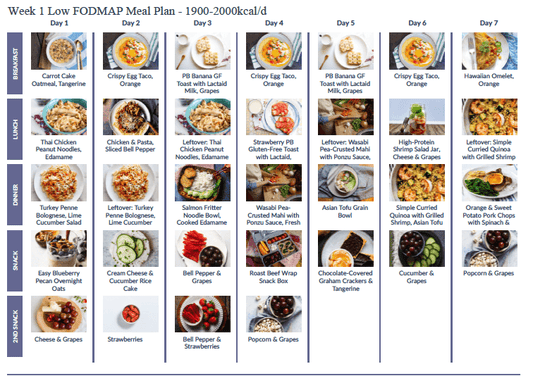
Sample 7-Day GLP-1 Nutritionist Guided Meal Plan (With Simple Swaps)
Below is a sample structure many people tolerate well. It's not meant to be prescriptive, and portions should be adjusted to your body size, activity level, medical conditions, and goals.
For reference, many GLP-1 plans aim for roughly 25 to 35 grams of protein at breakfast, lunch, and dinner (or the equivalent spread across mini-meals), which often lands around 90 to 120 grams per day depending on the person.
Day-By-Day Outline: Breakfast, Lunch, Dinner, And Optional Snacks
Day 1
Breakfast: Oatmeal cooked with chia, topped with berries: side of Greek yogurt
Lunch: Grilled chicken, quinoa, steamed carrots
Dinner: Lentil soup with sautéed spinach (or cooked greens)
Optional snack: Cottage cheese or a protein shake
Day 2
Breakfast: Egg white scramble with spinach: small piece of sourdough or gluten-free toast
Lunch: Turkey slices or turkey bowl with sweet potato and cooked zucchini
Dinner: Salmon with cooked broccoli and rice
Optional snack: Small handful of almonds or lactose-free yogurt
Day 3
Breakfast: Protein shake plus a banana (or berries)
Lunch: Tuna salad (olive oil or light mayo) with cucumber and rice crackers
Dinner: Shrimp stir-fry with carrots and bell peppers over jasmine rice
Optional snack: Kiwi or a small serving of chia pudding
Day 4
Breakfast: Cottage cheese bowl with strawberries and ground flax
Lunch: Tofu bowl with quinoa, cooked spinach, and sesame drizzle
Dinner: Chicken soup with rice and carrots
Optional snack: Hard-boiled egg or yogurt
Day 5
Breakfast: Overnight oats with lactose-free milk, chia, and blueberries
Lunch: Beef or bison (lean) with roasted potatoes and green beans
Dinner: Baked cod with mashed sweet potato and sautéed zucchini
Optional snack: Protein shake (especially if dinner is light)
Day 6
Breakfast: Two eggs plus berries
Lunch: Lentil or chicken salad bowl with cooked veggies and olive oil
Dinner: Pork tenderloin with rice and cooked carrots
Optional snack: Cottage cheese or a small portion of nuts
Day 7
Breakfast: Greek yogurt with oats and raspberries
Lunch: Rotisserie chicken (skin removed if fat triggers nausea), rice, cooked zucchini
Dinner: Turkey chili (mild spice) with a side of rice
Optional snack: Kiwi, chia pudding, or a small protein shake
Low-FODMAP And Sensitive Stomach Swaps For Each Meal
If you're prone to IBS symptoms or GLP-1-related bloating, simple swaps can keep protein high while reducing fermentable carbs (FODMAPs) that trigger gas.
Breakfast swaps
If oats bloat you: swap to rice cereal, cream of rice, or a smaller oat portion
If dairy is an issue: choose lactose-free Greek yogurt or a whey isolate/plant protein
If chia feels too heavy: reduce the amount and add a kiwi instead (many people find it gentler)
Lunch and dinner swaps
If quinoa triggers symptoms: swap to jasmine rice or potatoes
If lentils/beans cause gas: use well-cooked, small portions or swap to chicken soup, tofu, or fish
If raw vegetables bloat you: use cooked carrots, zucchini, spinach, or peeled cucumber
Flavor swaps
If garlic/onion trigger bloating: use garlic-infused oil (low FODMAP), chives, or the green tops of scallions
If spice worsens reflux: keep seasoning simple (salt, lemon, herbs)
A key idea here: we don't need a "perfect" diet. We need a consistent baseline that you can digest, then we broaden variety as your body adapts.
Managing GLP-1 Side Effects With Food: A Nutritionist Playbook
Side effects are not a character flaw. They're physiology. Slower gastric emptying plus lower intake changes the rules, and food choices can either calm the system down or accidentally provoke it.
Nausea, Reflux, And "Food Aversion" Meals That Go Down Easier
When nausea shows up, many people try to "push through" with a normal meal and end up worse. We usually pivot to low-volume, lower-fat, higher-protein options.
Often-tolerated choices:
Protein shake with cold water or lactose-free milk (cold can be easier than warm)
Greek yogurt, cottage cheese, or a small egg scramble
Broth-based soup with shredded chicken and rice
Oatmeal or cream of rice with a side of yogurt
Ginger tea, peppermint-free herbal tea, or small sips of electrolyte drink
Reflux-reducing habits that help some people:
Smaller meals, eaten slowly
Avoid lying down right after eating
Keeping higher-fat foods earlier in the day (if they're a trigger)
Constipation, Diarrhea, And Bloating: Fiber Type, Fluids, And Timing
Constipation is one of the most common "why is this happening" moments on GLP-1 therapy. It's often a mix of slower motility, lower total food volume, and lower fluid intake.
What we typically prioritize first:
Fluids: consistent intake throughout the day (not all at night)
Electrolytes: especially if you're drinking more water but eating less
Soluble fiber: oats, chia, kiwi, psyllium, introduced gradually
Movement: even short walks can stimulate gut motility
If diarrhea happens, we often temporarily reduce:
High-fat meals
Sugar alcohols (common in "diet" products)
Large fiber jumps
For bloating, timing matters. A giant salad at 8 pm can feel like a brick on GLP-1s. Cooked vegetables in smaller portions earlier in the day are often better tolerated.
When To Pause A Trigger Food And When To Reintroduce
We usually think in two phases:
Pause phase (often 1 to 2 weeks). If a food repeatedly triggers nausea, reflux, or bloating, we pull it out temporarily. Common culprits: fried foods, heavy cream sauces, very spicy meals, alcohol, carbonated drinks, large raw salads, large bean portions.
Reintroduction phase. Once symptoms settle, we reintroduce slowly and in small portions, preferably earlier in the day and not around injection time. This keeps your diet from shrinking indefinitely.
If symptoms are severe, persistent, or worsening (especially vomiting, inability to keep fluids down, severe abdominal pain, or signs of dehydration), that's a clinician conversation, promptly.
Perimenopause And Menopause Considerations While On GLP-1
For many women, GLP-1 therapy lands right in the middle of perimenopause or menopause, when estrogen is changing, sleep can be fragile, and muscle loss risk is already higher. A meal plan has to respect that reality.
Protein Distribution, Bone Support, And Strength Training Synergy
If we care about body composition (not just scale weight), protein distribution matters. Instead of a "light breakfast, big dinner" pattern, we often aim for protein earlier and spread evenly.
What that can look like:
Breakfast: 25 to 35 g protein
Lunch: 25 to 35 g
Dinner: 25 to 35 g
Mini-meals if appetite is low: 15 to 25 g protein, 4 to 5 times per day
Bone support nutrients become more important here too:
Calcium sources: yogurt, fortified milk alternatives, canned salmon with bones, calcium-set tofu
Vitamin D: often needs lab-guided supplementation, plus food sources when possible
And none of this works as well without resistance training. We can't "supplement" our way around muscle physiology. Even two to three strength sessions per week, scaled to your starting point, can meaningfully improve lean mass preservation.
Addressing Sleep, Stress, And Cravings Without Over-Restricting
When sleep is poor, hunger-regulating hormones and cravings can shift. On GLP-1s, you may not feel classic hunger, but you can still get "I need something" urges, often tied to fatigue, stress, or under-fueling earlier in the day.
Strategies we commonly use:
A protein-forward breakfast to stabilize energy
A planned afternoon protein snack if dinner is consistently tiny
Carbs placed intentionally (for many people, a small portion at dinner supports sleep)
Avoiding extreme restriction, which can increase food aversion and reduce diet quality
If perimenopausal symptoms are prominent (hot flashes, insomnia, mood changes), it's worth discussing hormone and metabolic strategy together with a clinician who's comfortable managing both.
Supplements And Add-Ons A Nutritionist May Recommend (And When)
Supplements aren't mandatory, but they can be practical on GLP-1 therapy because appetite is smaller, tolerance fluctuates, and the "just eat more" advice often isn't realistic.
Protein Powders, Fiber Supplements, And Electrolytes For Tolerance
Protein powders. These are often the simplest way to hit protein when chewing feels like work. Many people do best with options that are easier on the stomach (for example, whey isolate or a well-formulated vegan protein), aiming for 20+ grams per serving.
Fiber supplements. If constipation is a recurring issue, soluble fiber (like psyllium) can be helpful, introduced slowly with adequate fluids.
Electrolytes. Useful when you're drinking a lot of water, sweating more, or feeling lightheaded, especially if food intake is down.
Probiotics, Digestive Enzymes, And Gut-Friendly Options For Sensitive Stomachs
Some people develop more sensitivity to certain foods on GLP-1s simply because digestion is slower. In those cases, clinicians or nutritionists may consider:
Probiotics or synbiotics (a combination of prebiotics and probiotics) to support gut function, especially if your diet variety has narrowed
Digestive enzymes, particularly when higher-protein meals feel heavy
Low-FODMAP strategies if IBS-type symptoms are prominent
At Casa de Sante, this is a common focus because many GLP-1 users are dealing with nausea, bloating, constipation, and food intolerance at the same time.
Red Flags And Medication Interactions To Review With Your Clinician
Even "basic" supplements should be reviewed in context. A few examples of what we want your clinician to know:
Persistent constipation requiring frequent laxatives
Recurrent vomiting or inability to maintain hydration
Symptoms of iron deficiency (fatigue, hair shedding, shortness of breath) that warrant labs
Low B12 or vitamin D on labs requiring a specific dosing plan
Use of other medications affected by slowed gastric emptying or narrow therapeutic windows
If you have kidney disease, a history of bariatric surgery, or are pregnant/trying to conceive, your supplement and macro targets need tighter medical oversight.
How To Personalize And Progress Your Meal Plan Over Time
A GLP-1 nutritionist guided meal plan should evolve. The first month is usually about tolerability and consistency. Months two to six often become about performance: strength, protein adequacy, and side-effect control while weight loss continues.
Tracking What Matters: Weight Trend, Strength, Symptoms, And Labs
The scale alone doesn't tell the story. We typically track:
Weight trend: weekly averages matter more than daily fluctuations
Strength or performance: are you maintaining or gaining on key lifts or functional movements?
Symptoms: nausea, reflux, constipation, bloating, fatigue, "food aversion" patterns
Protein consistency: not perfection, but whether you're regularly hitting a minimum
Labs (as clinically appropriate): CBC, ferritin, B12, vitamin D, metabolic markers
If you're losing weight fast but getting weaker, colder, more constipated, or more fatigued, that's a sign the plan needs adjustment.
Adjusting Calories And Macros When Weight Loss Plateaus Or Side Effects Flare
Plateaus happen. So do rough weeks.
When weight loss plateaus, we don't automatically slash calories further (often you're already eating quite little). Instead, we look at:
Protein: can we increase to the higher end of your tolerated range?
Strength training: can we progress volume safely?
Fiber and hydration: are constipation and bloating masking true progress?
Meal timing: are you skipping early protein and then under-eating overall?
When side effects flare, we temporarily simplify:
Lower-fat, lower-volume meals
More liquids or soft proteins
Cooked, low-FODMAP vegetables
A slower fiber ramp
And we coordinate with your prescribing clinician if symptoms are persistent, if you're in a dose escalation phase, or if you're considering a titration change. Nutrition can support tolerability, but medication strategy matters too.
GI side effects don't have to be the price of admission for GLP-1 therapy. Casa de Sante offers physician-formulated gut support products built for the specific digestive challenges these medications create. Explore your options at casadesante.com.
This article is for educational purposes only and is not medical advice. Always consult your healthcare provider before making changes to your treatment plan.
Conclusion
A solid GLP-1 meal plan isn't about dieting harder. It's about eating with intention in a body that now signals fullness earlier and digests more slowly. When we prioritize protein, steady hydration, the right kind of fiber, and a few key micronutrients, and we adjust around injection timing, most people feel noticeably better and protect the results they're working for.
If we had to pick one "north star," it's this: build a plan you can execute on your lowest-appetite day. That's the day your outcomes are decided, muscle preserved or lost, constipation prevented or triggered, nausea managed or worsened. Start simple, track what matters, and personalize as your tolerance and goals evolve.
Frequently Asked Questions
What is a GLP-1 nutritionist guided meal plan and why does it matter on semaglutide or tirzepatide?
A GLP-1 nutritionist guided meal plan is a structured way to meet key needs—protein, fluids, fiber, and micronutrients—despite a smaller appetite and slower digestion from semaglutide or tirzepatide. It helps reduce nausea/constipation and lowers the risk of losing muscle while weight drops.
How much protein should I aim for on a GLP-1 nutritionist guided meal plan?
Many GLP-1 protocols target roughly 1.0–1.5 grams of protein per kilogram of body weight per day, individualized for goals, kidney health, and tolerance. A common approach is protein-first eating with about 20–30 grams per meal (or spread across mini-meals) to prevent lean mass loss.
How do I build a GLP-1-friendly plate when I’m full after a few bites?
Use a small-portion template and prioritize sequencing. Start with protein (about a palm-sized serving or a shake), then add cooked vegetables/fruit (about a fist), then a small carb portion (about a cupped hand), and finally a modest fat serving (about a thumb) if tolerated.
What should I eat the day after my GLP-1 injection if nausea or reflux is worse?
Post-injection days often go better with smaller, bland-leaning meals and lower fat. Choose easy proteins like Greek yogurt, eggs, broth-based soup with shredded chicken and rice, or a protein shake. Cooked foods are often easier than raw salads; avoid spicy, fried, or heavy meals.
What’s the best fiber for constipation on GLP-1s—soluble or insoluble?
Soluble fiber is often better tolerated on GLP-1s because motility is slower. Options like oats, chia, kiwi, and psyllium can support regularity with less bloating than large amounts of bran or raw cruciferous vegetables. Increase fiber slowly and pair it with consistent fluids and movement.
Do I need electrolytes or supplements on a GLP-1 nutritionist guided meal plan?
Not always, but they can be helpful when intake is low or symptoms flare. Electrolytes may reduce lightheadedness and support hydration, especially with constipation or exercise. Some people also need protein powder, soluble fiber, or lab-guided support for B12, iron, vitamin D, or calcium—review with your clinician.