GLP-1 Medications And Menopause Hot Flashes: What’s Really Going On And What To Do About It (2026 Guide)








If you're in perimenopause or menopause and you've started a GLP-1 medication like semaglutide or tirzepatide, you may notice something confusing: your hot flashes might feel different. Maybe they're suddenly more frequent. Maybe they're calmer. Or maybe you can't tell whether that wave of heat was a true menopause hot flash or a GLP-1 side effect like nausea, low intake, or a blood-sugar dip.
Here's the honest state of things in 2026: GLP-1 medications don't have strong, direct clinical evidence that they treat (or cause) hot flashes. But they can influence many of the same systems that shape vasomotor symptoms (hot flashes and night sweats): body weight, insulin sensitivity, sleep, stress hormones, hydration, and what you're actually able to eat.
This guide walks you through what's happening physiologically, what the research suggests so far, the real-world patterns people report, and practical ways to reduce hot flashes without making your GLP-1 experience harder.
Why Hot Flashes Happen In Perimenopause And Menopause
Hot flashes aren't "just" feeling warm. They're a neurovascular event driven by the brain's temperature-control center, with hormones playing a major stabilizing role. When estrogen declines, the system becomes more reactive, and small triggers can set off a full-body heat response.
Estrogen's Role In Thermoregulation And The "Thermostat" Reset
Your hypothalamus acts like a thermostat, constantly balancing heat production and heat loss. Estrogen helps keep that thermostat stable.
In perimenopause and menopause, estrogen levels fluctuate and then trend down. That shift can narrow your "thermoneutral zone," meaning the range of internal temperatures your brain considers normal gets smaller. When the zone is narrow, minor changes (a warm room, stress, a glass of wine, a blood sugar swing) can cross the threshold and trigger a sudden "reset."
That reset looks like:
Heat spreading up the chest, neck, and face
Skin flushing (vasodilation, meaning blood vessels widen to dump heat)
Sweating, sometimes followed by chills as your body overshoots cooling
Sleep disruption if it happens at night (night sweats)
Up to about three-quarters of women experience vasomotor symptoms at some point in the menopausal transition, and for many, it's not subtle. It can be daily, it can be disruptive, and it can shape mood, sleep, and quality of life.
Common Hot Flash Triggers That Overlap With Weight-Loss Efforts
A frustrating reality: several common hot flash triggers show up more often when you're actively trying to lose weight or changing your routine.
Common overlaps include:
Caffeine: can raise sympathetic nervous system activity and trigger flushing in some people
Alcohol: tends to worsen night sweats and fragments sleep
Spicy foods: can provoke a heat response and sweating
Stress and anxiety: increase adrenaline and cortisol signaling, which can precipitate a flash
Blood sugar fluctuations: dips and swings can feel like heat, shakiness, or sweating, and can also trigger true flashes
Under-eating and dehydration: both make you more vulnerable to temperature swings and "stress physiology"
So when you add GLP-1 therapy, where appetite drops, intake can become irregular, and nausea is common early, those overlaps become important.
How GLP-1 Medications Work And Why They Might Affect Hot Flashes
GLP-1 receptor agonists work in the gut, pancreas, and brain. Their primary job is metabolic: improving glucose regulation and reducing appetite. But because they change eating patterns, digestion speed, and sometimes stress physiology, they can indirectly change how often hot flashes show up or how intense they feel.
Appetite, Gastric Emptying, And Stress Hormones: Indirect Pathways
GLP-1 medications reduce appetite signaling in the brain and slow gastric emptying (your stomach empties into the small intestine more slowly). In plain English: you feel full faster and longer.
That's helpful for weight loss, but it can create a few hot-flash-adjacent issues, especially during dose escalation:
Lower total intake than you realize. If you unintentionally skip meals, your body may respond with a stress-hormone bump (adrenaline/cortisol), which can feel like a surge of heat or trigger a true flash.
Dehydration. Nausea and reduced thirst cues can lower fluid intake. Dehydration can worsen perceived heat intolerance and increase headaches and fatigue that compound sleep disruption.
GI discomfort. Waves of nausea, reflux, or bloating can be misread by your nervous system as "threat," which primes flushing and sweating in people already prone to vasomotor symptoms.
None of this means GLP-1s "cause menopause." It means they can nudge the same levers that make menopausal symptoms louder.
Blood Sugar Swings, Alcohol, And Caffeine: The GLP-1 Lifestyle Effect
The other side of the story is that GLP-1 therapy often reduces the very triggers that worsen hot flashes.
Many people on GLP-1s naturally:
Drink less alcohol (because it's less appealing or causes nausea)
Reduce late-night eating
Cut down on sugar-heavy snacks
Experience improved insulin sensitivity and smoother glucose patterns over time
Those shifts can reduce nighttime awakenings and "adrenergic" surges that resemble or amplify hot flashes.
One nuance: if you're eating very little, you can still experience relative glucose dips, especially if you're sensitive to long gaps between meals. The sensation can mimic a hot flash (sweating, lightheadedness, palpitations). That's why pattern-tracking matters, not just guessing.
What The Evidence Says So Far: GLP-1s, Menopause, And Vasomotor Symptoms
If you're hoping for a clean answer like "semaglutide reduces hot flashes by 40%," we're not there. The evidence is developing, and most trials were not designed with hot flash outcomes as a primary endpoint.
What We Know From Clinical Trials, Observational Data, And Case Reports
Here's what is reasonably supported so far:
GLP-1 medications reliably produce clinically meaningful weight loss for many people, including midlife women.
Weight loss and improved cardiometabolic markers (insulin resistance, blood pressure, inflammation) can improve sleep apnea risk, joint pain, reflux, and overall sleep quality, factors that indirectly influence how disruptive hot flashes feel.
Some data suggest postmenopausal women using hormone replacement therapy (HRT) may lose more weight on GLP-1s than those not using HRT, with reports in the range of roughly 30% greater weight loss in some analyses. The proposed explanation is physiologic synergy: estrogen signaling may interact with appetite regulation and GLP-1 pathways.
On vasomotor symptoms specifically, observational reports are mixed. Some people notice improvement as weight and insulin resistance improve: others notice worsening early on due to nausea, poor intake, dehydration, and sleep disruption.
So, the strongest "evidence" today is indirect: GLP-1s change the terrain (weight, glucose stability, behaviors), and that can move hot flash symptoms in either direction depending on what's happening in your body and your routine.
Where The Science Is Unclear And What Researchers Are Studying Next
The gaps are important:
We do not yet have large, menopause-focused randomized trials where hot flash frequency and severity are tracked carefully before and after GLP-1 initiation.
It's unclear whether GLP-1 receptor agonists have any meaningful direct effect on hypothalamic thermoregulation in humans, independent of weight loss.
Researchers are actively looking at neuropsychiatric effects (sleep, anxiety), hormonal modulation, and the interaction between estrogen status, appetite pathways, and GLP-1 signaling.
Practically, this means you should expect variability. Two women on the same dose can have opposite experiences, because the driver may not be the medication itself, but the cascade of changes it sets in motion.
Patterns People Notice: When GLP-1 Therapy Seems To Worsen Or Improve Hot Flashes
In clinic conversations and patient communities, the patterns are surprisingly consistent. Not as proof, but as a helpful starting point for troubleshooting.
Early Dose Escalation, Nausea, And Poor Intake As Hot Flash Amplifiers
The first 4 to 12 weeks (and any later dose increases) are when people most commonly report "my hot flashes are worse." The usual drivers aren't mysterious:
Nausea leading to smaller meals and longer gaps between eating
Dehydration (especially if nausea makes plain water unappealing)
Poor sleep from GI side effects or reflux
More caffeine used to "push through" fatigue, which can backfire
Increased stress about side effects, which increases sympathetic tone
In other words, your body is already in a menopausal state where the thermostat is touchy, and now you've added a temporary period of lower intake, more GI disturbance, and less sleep. That's a perfect setup for more frequent or more intense episodes.
Weight Loss, Insulin Sensitivity, And Sleep Changes As Potential Improvers
Later on, once you've stabilized your dose and your routine, some people notice fewer night sweats or less intense hot flashes. Common reasons include:
Improved insulin sensitivity and fewer big glucose swings
Reduced alcohol intake
Less reflux and less late-night eating (for some)
Reduced obstructive sleep apnea risk as weight decreases (this can be a big deal for night sweats and fragmented sleep)
Better overall mobility and more consistent exercise
A key point: improvement may be delayed. If you're judging your long-term symptom trajectory based on week 2, you're likely capturing side effects and adjustment, not your steady state.
Practical Ways To Reduce Hot Flashes While On GLP-1 Therapy
You can't brute-force your way through hot flashes by "being tougher." You usually need to reduce physiologic volatility: stable intake, stable hydration, stable sleep, and fewer trigger exposures.
Food And Hydration Strategies For Stable Temperature And Fewer GI Triggers
Aim for "steady and boring" during dose changes. That's not forever. It's a temporary strategy to keep your nervous system calm.
- Eat earlier and more predictably
Long fasting windows can worsen both GLP-1 nausea and flash frequency in some people. A simple pattern that works for many is a protein-forward breakfast plus a small lunch and early dinner, even if portions are modest.
- Prioritize protein, but keep it gentle
Protein helps stabilize appetite and preserves lean mass, but very fatty or very large meals can worsen nausea and reflux. Consider smaller servings more often.
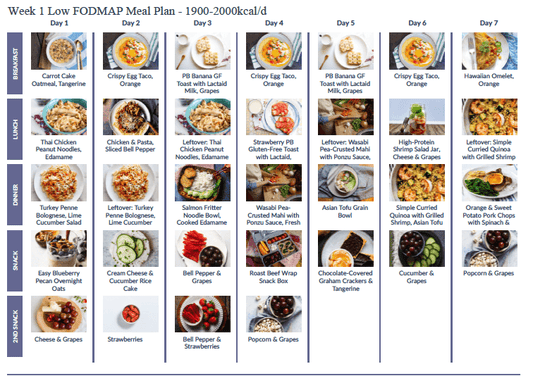
If you're sensitive to IBS-type symptoms, a low FODMAP approach may reduce bloating that can trigger sleep disruption and stress physiology.
- Hydrate steadily (not all at night)
Try consistent fluids earlier in the day so you're not chugging water at bedtime (which can increase nighttime bathroom trips and sleep fragmentation).
If plain water turns your stomach, cold fluids, ice chips, or lightly flavored options can be easier.
- Watch the "usual suspects" during vulnerable weeks
If hot flashes spike, trial a 2-week reduction (not necessarily permanent) in:
Alcohol (especially evening)
Caffeine after late morning
Very spicy meals
Large, late dinners
- Don't ignore constipation
Constipation is common on GLP-1s, and discomfort plus poor sleep can amplify vasomotor symptoms. If you're straining or going infrequently, that's a real quality-of-life issue worth addressing with your clinician.
Sleep, Stress, And Exercise Tweaks That Don't Backfire On Symptoms
Hot flashes are strongly linked with sleep disruption, and sleep disruption makes hot flashes worse. You're not imagining that loop.
Sleep supports that actually work in real life:
Keep the bedroom cool and use breathable layers so you can adjust quickly.
If night sweats wake you, resist the urge to scroll. Low light, quick cooling, and back to bed is the goal.
If reflux is an issue on GLP-1 therapy, avoiding large late meals and discussing reflux management with your clinician can reduce nighttime awakenings.
Stress supports:
Slow breathing (longer exhale than inhale) for 2 to 5 minutes can downshift sympathetic activation quickly.
If anxiety spikes around dosing days, that pattern is actionable data for your prescriber.
Exercise supports:
Resistance training matters in midlife, especially on GLP-1 therapy. It supports muscle retention and insulin sensitivity.
Avoid punishing, overheated workouts if they clearly trigger flashes. A brisk walk after meals, strength training in a cool environment, and shorter sessions can be more sustainable during symptom flares.
Tracking: How To Separate Menopause Hot Flashes From GLP-1 Side Effects
One reason this topic feels so messy is that several experiences overlap: flushing, sweating, nausea, palpitations, lightheadedness, and anxiety can all occur in different conditions.
Tracking isn't about obsessing. It's about getting clean signal so you and your clinician can make smarter decisions.
Hot Flash Vs. Hypoglycemia, Dumping-Like Symptoms, Or Anxiety: Clue Checklist
Use this as a pattern-recognition tool, not a diagnosis.
Hot flash is more likely when:
It comes on suddenly with a wave of heat in the upper body, followed by sweating and sometimes chills
It's not clearly linked to a meal (it can happen anytime)
It clusters at night and disrupts sleep
It's associated with known triggers like alcohol, spicy food, stress, or a warm room
Low blood sugar (or relative glucose dip) is more likely when:
You feel shaky, weak, hungry, or "wired," sometimes with sweating
It happens after long gaps without food or after exercise with low intake
It improves fairly quickly after eating or drinking something with carbohydrate plus protein
Dumping-like or rapid post-meal symptoms are more likely when:
Symptoms occur shortly after eating
You feel nausea, abdominal cramping, diarrhea, sweating, and palpitations together
It's linked to high-sugar meals or large portions
Anxiety surge is more likely when:
Heat and palpitations occur with racing thoughts, worry, chest tightness, or tingling
It's linked to anticipatory stress (for example, around injections or side effects)
The key is timing and context.
A Simple 2-Week Symptom Log To Identify Medication, Food, And Timing Links
A two-week log is long enough to reveal patterns, short enough to be doable.
What to track (takes 2 minutes each time):
Time of episode
Intensity (1 to 10)
What you were doing right before (sleeping, meeting, exercise, eating)
Food and drink in the prior 3 hours (especially alcohol, caffeine, spicy foods)
Hydration that day (rough estimate)
Sleep the night before (hours, awakenings)
GLP-1 dose day and dose changes
Bowel pattern (constipation can be a hidden amplifier)
If you want to make it even simpler, track only three anchors: dose day, alcohol/caffeine timing, and meal timing. You'll still learn a lot.
A quick way to use the log:
If episodes spike on dose-escalation weeks, think "side effects and intake."
If episodes spike after wine or late dinners, think "trigger management."
If episodes spike with poor sleep, think "sleep-first interventions."
Medication And Hormone Options To Discuss With Your Clinician
If lifestyle levers aren't enough, you have options. The safest approach is to treat hot flashes as a legitimate medical quality-of-life issue, not something you must endure.
HRT, SSRIs/SNRIs, Gabapentin, And Newer Nonhormonal Options: Fit With GLP-1s
Hormone replacement therapy (HRT) remains the most effective treatment for vasomotor symptoms for many appropriate candidates. If you're a candidate, it can be a game-changer for hot flashes and sleep.
How HRT fits with GLP-1 therapy:
They're often compatible under supervision.
Some data suggest weight loss outcomes on GLP-1 therapy may be better in postmenopausal women using HRT, though this does not mean HRT is a weight-loss medication.
The decision depends on your personal history and risk profile (for example: clot risk, breast cancer history, cardiovascular considerations, migraine patterns).
Nonhormonal prescription options that may be discussed include:
SSRIs/SNRIs (certain antidepressants used at specific doses for hot flashes)
Gabapentin (often used at night when sleep disruption is prominent)
Newer nonhormonal options that target neurokinin pathways involved in thermoregulation (availability and fit vary)
If you're on multiple medications, your clinician will also consider side effects like nausea, appetite changes, sleepiness, and interactions.
GLP-1 Dosing, Titration Pace, And When A Switch Might Make Sense
If hot flashes worsened right after starting or increasing your GLP-1 dose, it may be less about menopause "progressing" and more about a temporary stressor.
Topics to discuss with your prescriber:
Titration pace. Slower dose escalation can reduce nausea and poor intake, which can reduce hot flash amplification.
Dose timing and routine. Sometimes the day-of-dose pattern matters, especially if side effects disrupt sleep.
Whether a different GLP-1 or dual agonist is better tolerated for you. Tolerability varies by person.
Whether other contributors are being missed: iron deficiency, thyroid disease, sleep apnea, or medication side effects can all mimic or worsen heat intolerance and fatigue.
The goal isn't to "push through at all costs." The goal is a plan you can tolerate long enough to get the metabolic benefits safely.
When To Seek Medical Care And Red Flags Not To Ignore
Hot flashes are common, but not every episode of flushing or sweating should be assumed to be menopause.
Contact your clinician promptly or seek urgent care when appropriate if you have:
Chest pain, pressure, fainting, or severe shortness of breath
A new, severe, persistent headache or neurologic symptoms
Persistent vomiting, inability to keep fluids down, or signs of dehydration (dizziness, very dark urine, minimal urination)
Severe abdominal pain (especially if it's worsening or persistent)
Rapid heartbeat with lightheadedness that doesn't resolve
New or worsening mood symptoms, including depression or suicidal thoughts
Unexplained fever, drenching sweats with illness, or unintentional weight loss outside your treatment plan
Also consider evaluation if you have night sweats plus loud snoring, gasping, or significant daytime sleepiness. Sleep apnea is common in midlife and can worsen sweats and cardiometabolic health, and it can improve with targeted treatment.
If your symptoms are "not acting like your usual hot flashes," that's reason enough to check in.
Conclusion
The interaction between GLP-1 therapy and menopause hot flashes is usually indirect. GLP-1 medications can temporarily amplify hot flashes when side effects lead to low intake, dehydration, constipation, reflux, and poor sleep. Over time, the same medications can support weight loss, improved insulin sensitivity, and healthier routines that make vasomotor symptoms feel less intense and less disruptive.
If you take away one practical move, make it this: track patterns for two weeks before you change everything. The timing clues (dose changes, meal gaps, alcohol, caffeine, sleep) often point to a fix that's simpler than you expect.
Hormonal shifts and metabolic changes don't happen in isolation, especially during perimenopause or andropause. If you're managing weight with a GLP-1 and dealing with hormone-related symptoms, a clinician who understands both can change the trajectory. Dr. Onikepe Adegbola, MD PhD, specializes in GLP-1 therapy, menopause, andropause, and longevity medicine. She sees patients through Mochi Health (joinmochi.com). Use code gviqg4 at signup.
This article is for educational purposes only and is not medical advice. Always consult your healthcare provider before making changes to your treatment plan.
Frequently Asked Questions About GLP-1 Medications and Menopause Hot Flashes
How do GLP-1 medications affect hot flashes during menopause?
GLP-1 drugs indirectly influence hot flashes by affecting weight, insulin sensitivity, sleep, and appetite. Early side effects like nausea and reduced intake may worsen hot flashes temporarily, but long-term improvements in metabolism often reduce symptoms.
Why do hot flashes occur during perimenopause and menopause?
Hot flashes happen because declining estrogen disrupts the brain's temperature control, narrowing the body's normal temperature range. This causes sudden heat waves, sweating, and flushing when minor triggers push the body’s 'thermostat' beyond thresholds.
Can hormone replacement therapy (HRT) be used safely with GLP-1 medications for menopause symptoms?
Yes, HRT is often compatible with GLP-1 therapy under medical supervision. HRT may enhance weight loss effects of GLP-1s and is highly effective for reducing hot flashes, making the combination beneficial for some women.
What practical steps can reduce hot flashes while taking GLP-1 medications?
Stabilizing food intake with frequent, smaller meals, staying well-hydrated, managing sleep and stress, and avoiding triggers like alcohol, caffeine, and spicy foods can help reduce hot flashes during GLP-1 treatment.
How can I tell the difference between a menopause hot flash and a side effect of GLP-1 medication?
Menopause hot flashes typically cause sudden heat and sweating unrelated to meals. GLP-1 side effects like low blood sugar or nausea often include shakiness, weakness, or happen soon after eating. Tracking timing, symptoms, and triggers helps distinguish them.
Are there any ongoing studies about GLP-1 medications' effects on menopause symptoms?
Yes, researchers are examining GLP-1s' neuropsychiatric effects, hormonal interactions, and synergy with estrogen to better understand their impact on vasomotor symptoms like hot flashes. Large menopause-focused trials are still needed.