GLP-1 Medications And Hot Flashes: What’s Causing Them And How To Feel Better In 2026








You start a GLP-1 medication like semaglutide or tirzepatide, and your appetite finally quiets down. Then, out of nowhere, you get hit with a wave of heat, sweating, or a flushed face that feels a lot like perimenopause. It's unsettling, especially if you've never had "hot flashes" before.
Here's the honest state of the science in 2026: GLP-1 medications don't directly treat hot flashes, and there aren't strong clinical trials proving they cause them either. But many people report heat episodes after starting or titrating up, and there are several plausible, indirect reasons GLP-1 therapy can trigger or worsen these symptoms, especially if you're in your late 30s to mid-50s.
This guide breaks down what people mean by "hot flashes" on GLP-1s, why they might happen, how menopause can amplify the picture, and a practical plan to feel better without guessing.
What People Mean By “Hot Flashes” On GLP-1s
When someone says "GLP-1 hot flashes," they're often describing one of a few different sensations:
A sudden internal heat that rises quickly
Sweating that comes on fast, sometimes with a racing heart
Facial flushing after eating, after an injection, or in the evening
Waking up overheated at night with damp clothes or sheets
Some of these overlap with classic menopausal vasomotor symptoms (hot flashes and night sweats). Others feel more like medication side effects, blood sugar swings, or dehydration.
Hot Flashes Vs. Night Sweats Vs. Flushing
Hot flashes are brief episodes of whole-body heat, often with sweating and a "wave-like" feeling. They can last from 30 seconds to a few minutes.
Night sweats are hot flashes that happen during sleep and are disruptive enough that you wake up overheated, sweaty, or needing to change clothes or bedding.
Flushing is usually more localized. You may notice facial redness or warmth (cheeks, neck, chest) without the same full-body heat or drenching sweat.
On GLP-1 therapy, people can experience any of the above. The tricky part is that the cause isn't always hormonal. A flushed face after a meal can be reactive (food-triggered), while night sweats can be related to sleep disruption, stress physiology, or fluctuating estrogen.
When Hot Flashes Start (And What Patterns Suggest)
A common pattern is onset in the first 8–12 weeks, which is also when dose escalation (titration) typically happens. Some people notice symptoms most strongly:
On injection day or the day after
When their appetite is lowest and they're unintentionally under-eating
After larger meals, especially higher-carb or higher-fat meals (which can sit longer in the stomach on GLP-1s)
At night, particularly if dinner is late or alcohol is involved
Patterns matter because they point to likely drivers. If episodes cluster around titration weeks, dehydration days, or long gaps between meals, that's a different story than hot flashes that are steadily worsening across months with cycle changes, sleep changes, and mood shifts (which leans more perimenopause).
Why GLP-1 Drugs Might Trigger Or Worsen Hot Flashes
Even though the evidence is limited and much of what we know is based on physiology plus real-world reporting, the mechanisms below are clinically plausible. More than one can be happening at the same time.
Thermoregulation And Autonomic Shifts (Heart Rate, Sweating, Skin Blood Flow)
Your body regulates temperature through a system that includes the hypothalamus (your internal "thermostat") and the autonomic nervous system (the automatic controls for heart rate, sweating, and blood vessel dilation).
GLP-1 receptors exist in the brain and can influence appetite signaling, nausea pathways, and autonomic tone. Some people on GLP-1s also notice a slightly higher resting heart rate. Put simply: if your nervous system is a bit more "activated," you may be more prone to sweating, flushing, or heat intolerance.
This doesn't mean the medication is "causing menopause." It means the medication can shift the same systems that participate in temperature regulation.
Blood Sugar Dips From Lower Intake Or Timing Changes
Many people eat less on GLP-1s than they realize, especially on dose days. Long gaps between meals, smaller portions, or skipping carbs entirely can lead to relative hypoglycemia (blood sugar running lower than your body is used to).
One of the classic symptoms of a blood sugar dip is sweating, shakiness, anxiety, and a sudden heat sensation. It can mimic a hot flash.
You don't need diabetes for this to happen. It's often a mismatch between your usual routine and your new appetite.
GI Side Effects, Dehydration, And Electrolyte Loss
Nausea, reflux, vomiting, diarrhea, and constipation are common reasons people struggle with GLP-1 tolerability. When your GI tract is irritated, you may drink less, eat less salt, and lose fluid (especially with diarrhea or vomiting).
Dehydration and electrolyte shifts (particularly sodium) can make you feel hot, lightheaded, weak, and "off," and they can worsen palpitations. Night sweats can also feel more intense when your sleep is fragmented from nausea or reflux.
If you're also trying to "eat clean" and you've cut back on salty foods dramatically, that can unintentionally worsen the problem.
Rapid Weight Loss, Body Composition Changes, And Heat Intolerance
Rapid weight loss changes how your body handles temperature. Adipose tissue (body fat) is not just storage: it influences hormones and insulation. When you lose weight quickly, you may feel colder at times, but you can also feel more reactive to heat swings because your baseline physiology is changing.
Plus, if weight loss comes with loss of lean mass (muscle), your metabolic resilience can drop. Combine that with lower calorie intake, more caffeine, and poorer sleep, and you can end up feeling more heat-intolerant and more prone to sweating episodes.
For some women, fat loss can also change estrogen dynamics because adipose tissue contributes to peripheral estrogen production. That doesn't "cause menopause," but it can shift symptom sensitivity in someone already in perimenopause.
The Menopause Connection: Perimenopause, Estrogen Fluctuations, And GLP-1s
If you're 35–55 and thinking, This feels hormonal, you're not imagining things.
Perimenopause is defined by fluctuating (often declining) estrogen and progesterone, and those swings can destabilize thermoregulation. The result is vasomotor symptoms: hot flashes and night sweats.
GLP-1 therapy can be happening in parallel with perimenopause, and the overlap can make it hard to tell what's driving what.
Why Symptoms Can Spike In The First 8–12 Weeks
The first 8–12 weeks of GLP-1 therapy are a perfect storm for hot-flash-like symptoms:
You're titrating up (more side effects, more autonomic shifts)
You're eating less (greater risk of blood sugar dips)
You may be drinking less because nausea blunts thirst
Your sleep may be lighter or more disrupted
Stress can be higher (new medication, new body sensations, faster change)
If you're already in perimenopause, your nervous system is often more sensitive to these changes. That's why two people can take the same medication and have totally different experiences.
How GLP-1s May Interact With Hormone Therapy And Symptom Tracking
Many patients use menopausal hormone therapy (MHT) while on GLP-1s. In general, GLP-1 medications are not considered contraindicated with MHT, but your prescribing clinician should individualize your plan.
Two practical points matter most:
First, weight loss and appetite changes can alter how you experience symptoms. If you're suddenly under-fueling, your "hot flashes" may actually be low glucose, dehydration, or sleep fragmentation.
Second, tracking becomes essential. When you log symptoms alongside dose timing, meals, sleep, and (if relevant) menstrual cycle changes, you and your clinician can see whether symptoms correlate more with GLP-1 patterns or with hormonal patterns. That's often the difference between chasing symptoms and solving them.
Medication And Lifestyle Factors That Commonly Confound The Picture
If you're looking for one single cause, you probably won't find it. In real life, "GLP-1 hot flashes" are often the sum of small, correctable factors.
Dose Escalation, Injection Day Effects, And Appetite Suppression
Dose escalation is when side effects tend to show up. If your symptoms flare the day of injection or the day after, consider whether you're:
Eating dramatically less on those days
Delaying meals because you "don't feel hungry"
Drinking less because your stomach feels off
Taking in less sodium than usual
This is also when people unintentionally combine GLP-1 therapy with aggressive dieting. If you're pushing a steep calorie deficit on top of appetite suppression, your body may respond with stress hormones (like adrenaline and cortisol) that can worsen sweating and heat episodes.
Alcohol, Caffeine, Spicy Foods, And Late Meals
These are classic vasomotor triggers even without GLP-1s.
Alcohol can cause vasodilation (blood vessels widen), leading to flushing and nighttime temperature swings. Caffeine can increase sympathetic tone (more "wired" physiology), which can feel like heat, sweating, or palpitations.
Spicy foods can trigger sweating through capsaicin effects, and late meals can worsen reflux. Reflux at night is a common, underrecognized cause of sleep disruption on GLP-1s, and fragmented sleep makes hot flashes feel louder.
Sleep Disruption, Stress Load, And Overtraining While Cutting Calories
Sleep and thermoregulation are tightly linked. If you're waking often, your body is more likely to misfire on temperature control.
Stress also matters. A high stress load increases sympathetic activation, and that can look like sweating episodes or a racing heart that you interpret as a "hot flash."
Overtraining is another common factor, especially in motivated patients. If you're lifting hard, adding extra cardio, and eating far less than before, you can end up in a recovery deficit. The end result can be poor sleep, more cravings, higher perceived stress, and more heat intolerance.
A Practical Troubleshooting Plan (Step-By-Step)
If your hot flashes started after GLP-1 therapy, the goal is to reduce the most common physiologic triggers first. Think of this as a two-week experiment to stabilize inputs so you can see what's actually going on.
Tighten Hydration And Electrolytes Without Upsetting Your Stomach
Hydration advice is easy to give and surprisingly hard to execute on GLP-1s.
Practical approach:
Sip consistently rather than chugging (large volumes can worsen nausea)
Aim for pale-yellow urine most of the day
If you're experiencing diarrhea, vomiting, or heavy sweating, consider electrolytes, not just water
Electrolytes matter because water without sodium can sometimes leave you feeling lightheaded or "washed out." If you have high blood pressure, kidney disease, or you're on medications that affect fluid balance, check with your clinician before increasing sodium.
Rebalance Meals: Protein-Forward, Low-Trigger Carbs, And Gentle Fiber
When people say, "I'm barely eating," that's often where the symptoms live.
A stabilizing template:
Protein first at meals (many people do well aiming for roughly 25–35 grams per meal, adjusted for body size and tolerability)
Add low-trigger carbohydrates in modest portions (think oats, rice, potatoes, fruit) if you're getting sweaty or shaky between meals
Choose gentle fiber if constipation is part of the picture (soluble fiber tends to be easier than a sudden leap in raw vegetables)
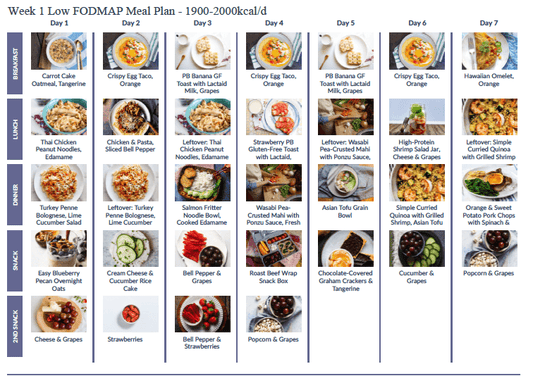
If you're sensitive to FODMAPs (fermentable carbs that can worsen bloating), your "healthy" high-fiber choices can backfire. This is where low-FODMAP leaning meals can reduce bloating while you're trying to stabilize symptoms.
Adjust Timing: Evening Symptoms, Night Sweats, And Bedtime Strategies
Night sweats are often less about a mysterious hormone event and more about timing.
Consider:
Moving dinner earlier so your stomach isn't still full at bedtime (delayed gastric emptying is part of how GLP-1s work)
Keeping evening meals smaller and lower in fat if reflux is an issue
Limiting alcohol and caffeine later in the day
Cooling the sleep environment (light bedding, fan, breathable fabrics)
If you suspect blood sugar dips at night, discuss with your clinician whether a small, protein-forward snack earlier in the evening makes sense for you.
Track The Right Data For 2 Weeks (Symptoms, Food, Dose, Glucose, Cycle)
You don't need a perfect spreadsheet. You need a simple log that reveals patterns.
Track for 14 days:
Hot flash episodes (time, severity 1–10, sweating vs flushing)
Dose day and dose amount, plus any titration changes
Meals and timing (especially late meals, alcohol, spicy foods)
Hydration and electrolytes
Sleep quality and wake-ups
If relevant: menstrual cycle day, skipped periods, new PMS-like symptoms
If you have access: spot glucose checks or CGM trends during symptomatic windows
Here's a simple table you can copy into notes:
Date | GLP-1 dose day? | Meals (times) | Alcohol/caffeine? | Hydration/electrolytes | Hot flash time + notes | Sleep quality | Cycle day
After two weeks, you're usually able to say, "This clusters on injection day when I barely eat," or "This is clearly worse with late meals and wine," or "This tracks with cycle changes more than food." That clarity is powerful.
When To Call Your Clinician (And What To Ask About)
Most hot-flash-like symptoms on GLP-1 therapy are not dangerous, but you should never ignore red flags or persistent physiologic changes.
Red Flags: Chest Pain, Fainting, Fever, Severe Diarrhea, Or Persistent Tachycardia
Contact your clinician urgently (or seek urgent care) if you have:
Chest pain, pressure, or shortness of breath
Fainting or near-fainting
Fever or signs of infection
Severe or persistent diarrhea or vomiting (risk of dehydration)
A persistently high heart rate (tachycardia) at rest, especially with dizziness or weakness
These symptoms deserve evaluation. "It's probably just my GLP-1" is not a safe assumption.
Talking Through Dose, Titration Speed, And Alternative GLP-1 Options
If symptoms clearly correlate with dose increases, ask about:
Slowing titration (staying on a dose longer before moving up)
Adjusting the dose timing to fit your routine
Whether a different agent or formulation might be better tolerated
Tolerance is a real clinical outcome. You can't benefit from a medication you can't comfortably stay on.
Screening For Thyroid, Iron, Infection, Or Perimenopause-Related Causes
If heat episodes persist even though hydration, nutrition stabilization, and timing adjustments, ask whether it makes sense to evaluate other common contributors, such as:
Thyroid dysfunction (both overactive and underactive thyroid can affect temperature regulation and heart rate)
Iron deficiency (can worsen palpitations, fatigue, and exercise intolerance)
Infection or inflammation if you have systemic symptoms
Perimenopause evaluation based on your age, cycle changes, sleep changes, and vasomotor symptoms
If you're in the 40–55 range with new hot flashes and sleep disruption, it's reasonable to discuss menopause-focused care rather than assuming everything is a medication side effect.
Conclusion
Hot flashes on GLP-1 therapy are real, and they're frustrating because they don't come with a neat label. In 2026, the most practical way to approach them is to treat them as a signal: something about hydration, electrolytes, meal timing, blood sugar stability, sleep, or hormonal transition needs a small adjustment.
If you're in perimenopause, GLP-1 side effects can amplify an already sensitive thermoregulation system, especially during the first couple of months. The good news is that patterns are usually there if you track them, and many triggers are modifiable without giving up on your progress.
Hormonal shifts and metabolic changes don't happen in isolation, especially during perimenopause or andropause. If you're managing weight with a GLP-1 and dealing with hormone-related symptoms, a clinician who understands both can change the trajectory. Dr. Onikepe Adegbola, MD PhD, specializes in GLP-1 therapy, menopause, andropause, and longevity medicine. She sees patients through Mochi Health (joinmochi.com). Use code gviqg4 at signup.
This article is for educational purposes only and is not medical advice. Always consult your healthcare provider before making changes to your treatment plan.
Frequently Asked Questions About GLP-1 and Hot Flashes
What causes hot flashes during GLP-1 medication use?
Hot flashes on GLP-1 drugs like semaglutide are often due to indirect effects such as autonomic nervous system shifts, blood sugar dips from reduced intake, dehydration from GI side effects, and rapid weight loss affecting thermoregulation—not direct hormonal causes.
How are hot flashes from GLP-1s different from menopausal hot flashes?
GLP-1-related hot flashes may include flushing, sweating, or heat sensations linked to medication side effects and autonomic changes, while menopausal hot flashes are hormone-driven vasomotor symptoms with fluctuating estrogen. Both can overlap, especially in perimenopausal women.
When do hot flashes typically begin after starting GLP-1 therapy?
Hot flashes often start within the first 8–12 weeks of GLP-1 use, especially during dose escalation and near injection days, likely related to appetite suppression, dehydration, and changes in meal timing during this period.
Can GLP-1 medications be safely used with menopausal hormone therapy (MHT)?
Yes, GLP-1 drugs are generally considered safe to use alongside menopausal hormone therapy, though treatment plans should be individualized by a healthcare provider familiar with both therapies.
What lifestyle changes can help reduce hot flashes while on GLP-1 medications?
Improving hydration with electrolytes, eating protein-focused meals with low-GI carbs, timing meals earlier, avoiding alcohol and caffeine late in the day, managing stress, and ensuring good sleep hygiene can help mitigate hot flash symptoms.
When should I contact my healthcare provider about hot flashes on GLP-1 therapy?
Seek urgent care if you experience chest pain, fainting, fever, persistent or severe diarrhea, or a consistently high resting heart rate. Also, talk to your provider about slowing titration, alternative medications, or screening for thyroid, iron deficiency, or perimenopause if hot flashes persist.