GLP-1 Medications And Cholesterol: What Really Changes (And What To Monitor) In 2026








If you're on semaglutide or tirzepatide (or you're seriously considering them), you've probably heard some version of: "These meds can improve your cholesterol." That's often true. But the details matter, because "cholesterol" isn't one number, and not every improvement comes from the medication itself.
In 2026, the more useful question is: What parts of your lipid panel tend to change on GLP-1 therapy, how quickly do they shift, and which additional markers should you be tracking so you're not falsely reassured (or unnecessarily worried)? Let's walk through what typically happens to LDL, HDL, triglycerides, and the more informative markers like ApoB and non-HDL, plus how to support heart-healthy changes without triggering the GI side effects many people battle on GLP-1s.
What GLP-1s Are And Why They Can Affect Blood Lipids
GLP-1 receptor agonists (like semaglutide) and dual incretin medications (like tirzepatide, which targets GLP-1 and GIP) were developed for metabolic disease, meaning they influence appetite, blood sugar regulation, insulin signaling, and how your body handles incoming energy.
Those same systems are tied tightly to blood lipids. When insulin resistance improves and the liver is less "overfed" by excess calories and high circulating glucose, the liver typically makes fewer triglyceride-rich particles. Over time, that can lower atherogenic (plaque-forming) cholesterol burdens.
It's also worth naming what GLP-1s do that indirectly changes lipids:
They reduce appetite and average calorie intake.
They slow gastric emptying (food leaves the stomach more slowly), which affects post-meal glucose and insulin spikes.
They often lead to meaningful fat loss, especially visceral fat (fat around organs), which is closely linked to triglycerides, HDL, and fatty liver.
GLP-1 Vs GIP: Why Semaglutide And Tirzepatide May Differ
Semaglutide works by activating the GLP-1 receptor. Tirzepatide activates GLP-1 and GIP (glucose-dependent insulinotropic polypeptide). In plain English: tirzepatide has a second hormone pathway involved in insulin release and energy handling.
Clinically, both medications often improve triglycerides and non-HDL cholesterol over time, largely in proportion to weight loss and improved insulin sensitivity. Tirzepatide sometimes shows larger average improvements in several metabolic markers in trials, likely because average weight loss is greater for many patients.
But the practical takeaway isn't "one is always better." It's this: your lipid response depends on baseline insulin resistance, genetics, diet composition during low appetite, and how much weight you actually lose, not just the brand name on the pen.
Weight Loss Effects Vs Direct Drug Effects On Lipids
Most of the cholesterol benefit you see on GLP-1 therapy is mediated by weight loss and improved insulin sensitivity.
There may also be weight-loss-independent effects (for example, improved post-meal lipid handling and reduced liver fat). But in real life, it's hard to separate "the drug did this" from "you lost 12% of your body weight and your liver is happier."
So if your cholesterol improves, that's great. If it doesn't, it doesn't automatically mean the medication "isn't working." It may mean your baseline risk is driven by genetics, hormones, thyroid status, or diet quality during appetite suppression.
How GLP-1 Therapy Typically Changes Your Cholesterol Panel
A standard lipid panel includes total cholesterol, LDL, HDL, and triglycerides. On GLP-1 therapy, triglycerides often improve first, LDL often improves gradually, and HDL may lag behind.
Remember: the goal isn't just prettier numbers. The goal is fewer atherogenic particles circulating in your blood over years.
LDL ("Bad") Cholesterol: What Often Improves And Why
LDL cholesterol is commonly labeled "bad," but the real issue is LDL particles getting into the artery wall and contributing to plaque.
On GLP-1 therapy, LDL often declines modestly over months, especially if you lose visceral fat, improve insulin resistance, and reduce saturated fat intake.
Why LDL may improve:
Less liver fat and lower liver triglyceride production means fewer VLDL particles. As VLDL is processed, it can become LDL. Fewer VLDL particles can mean fewer downstream LDL particles.
Reduced inflammation and improved metabolic signaling can improve lipid metabolism overall.
Why LDL sometimes doesn't improve much:
Genetics (familial hypercholesterolemia and similar patterns)
Menopause-related lipid shifts
"Low appetite, high saturated fat" eating patterns (more on that later)
HDL ("Good") Cholesterol: Why It May Rise More Slowly
HDL is often called "good" cholesterol, but simply raising HDL doesn't automatically reduce risk. Still, low HDL can be a marker of insulin resistance and high triglycerides.
On GLP-1 therapy, HDL may rise gradually, often later in the weight-loss process, especially as triglycerides come down and activity levels increase.
If your HDL doesn't budge early on, it's not unusual. HDL tends to respond to:
Consistent aerobic activity and resistance training
Improved triglycerides and insulin sensitivity
Time at a lower weight (not just rapid loss)
Triglycerides: The Change Many People Notice First
Triglycerides are the "most responsive" part of the panel for many patients starting GLP-1s, particularly if you start with insulin resistance, prediabetes, or fatty liver.
High triglycerides often reflect carbohydrate intolerance and excess liver energy. When GLP-1 therapy lowers appetite, smooths post-meal glucose spikes, and reduces liver fat, triglycerides can drop noticeably.
If your triglycerides fall while LDL is unchanged, that can still be a meaningful metabolic win, especially if ApoB or non-HDL also improves.
ApoB, Non-HDL, And Remnant Cholesterol: Better Markers To Ask About
If you want a more accurate snapshot of cardiovascular risk, ask your clinician about these markers:
ApoB (apolipoprotein B): This is a "particle count" marker. Every atherogenic particle (LDL, VLDL remnants, IDL, Lp(a)) carries one ApoB molecule. Lower ApoB generally means fewer plaque-forming particles.
Non-HDL cholesterol: This is total cholesterol minus HDL. It captures LDL plus other atherogenic particles. It's often more informative than LDL alone, especially when triglycerides are high.
Remnant cholesterol: This reflects cholesterol in triglyceride-rich remnants. It's increasingly recognized as a contributor to atherosclerosis, particularly in insulin resistance.
If you're losing weight on GLP-1 therapy but your LDL looks "stubborn," ApoB and non-HDL can clarify whether your overall atherogenic burden is improving anyway.
Who Sees The Biggest Cholesterol Benefits (And Who Might Not)
GLP-1 and cholesterol improvements are not one-size-fits-all. Your starting metabolic profile matters.
Insulin Resistance, Prediabetes, And PCOS Profiles
If you have insulin resistance (often signaled by high triglycerides, low HDL, elevated fasting insulin, or prediabetes), you're more likely to see favorable lipid changes.
In PCOS (polycystic ovary syndrome), insulin resistance is common even when LDL isn't dramatically high. GLP-1 therapy can improve weight, insulin sensitivity, and triglycerides, and those shifts can ripple into non-HDL and ApoB improvements over time.
What to watch in this group:
Triglycerides and HDL trend (often improves)
ApoB or non-HDL as your "north star"
Liver fat markers (ALT/AST) if fatty liver is part of the picture
Perimenopause/Menopause: Lipids, Estrogen Shifts, And GLP-1 Response
During the menopause transition, estrogen declines and lipid patterns often shift in a less favorable direction, LDL and ApoB may rise, and body fat distribution changes toward more visceral fat.
That means two things can be true at once:
GLP-1 therapy can be very effective for weight loss and cardiometabolic improvement.
Your LDL or ApoB may still need specific attention because menopause itself pushes lipids upward.
If you're in perimenopause or menopause and on a GLP-1, it's reasonable to monitor ApoB/non-HDL and discuss the full risk picture with your clinician (blood pressure, waist circumference, A1c, family history, and symptoms). In some women, hormone therapy may also be part of the broader conversation, individualized and based on your risks.
Family History And Genetic Lipid Disorders (Including High Lp(a))
If you have a strong family history of early heart disease, very high baseline LDL (especially LDL 190 mg/dL or higher), or known familial hypercholesterolemia, GLP-1 therapy may not "solve" cholesterol on its own.
And Lp(a) (lipoprotein(a)) is its own category. It's genetically driven and doesn't reliably drop with lifestyle or weight loss. GLP-1 therapy may still improve overall risk by lowering weight, triglycerides, and insulin resistance, but Lp(a) risk often requires separate management.
Ask your clinician whether you should measure Lp(a) at least once in adulthood (many guidelines support a one-time check, especially with family history).
How Fast Cholesterol Changes On GLP-1s And When To Recheck Labs
Cholesterol changes don't always track week-to-week weight loss. Lipids often shift in "phases," and rapid weight loss can temporarily make certain markers look noisier.
A Practical Lab Timeline For The First Year
Here's a practical, clinician-style monitoring cadence many people use (your provider may personalize it based on your history):
Baseline (before starting or at initiation): lipid panel plus ApoB or non-HDL if available.
At 3 months: helpful if you had high triglycerides, fatty liver, or significant insulin resistance: you may see early triglyceride improvement.
At 6 months: often a more meaningful checkpoint for LDL/non-HDL/ApoB trends.
At 12 months: reassess cardiovascular risk profile and decide whether medication for cholesterol is needed plus to GLP-1 therapy.
If you're actively titrating doses or your weight is changing rapidly, your clinician may interpret results in context rather than reacting to a single number.
What To Track Beyond Cholesterol (Glucose, Liver Enzymes, Thyroid)
A lipid panel is only part of the metabolic story. While you're on GLP-1 therapy, it's also common to monitor:
A1c and/or fasting glucose (and sometimes fasting insulin)
Liver enzymes (ALT, AST), especially if fatty liver was suspected
Kidney function and electrolytes if you're prone to dehydration from GI side effects
TSH (thyroid-stimulating hormone) when symptoms suggest hypothyroidism or when LDL is unexpectedly elevated
The key idea: cholesterol risk isn't one lab. It's a pattern across lipids, glucose control, inflammation proxies, blood pressure, and your overall clinical picture.
Diet Strategies That Support Cholesterol While On GLP-1 (Without Worsening GI Side Effects)
The tricky part on GLP-1s is that "heart healthy" advice sometimes backfires when your stomach is sensitive. If nausea, reflux, bloating, or constipation are in the mix, you need strategies that respect GI tolerance.
Fiber That's Gentle On The Gut: Soluble Options And Low-FODMAP Picks
Soluble fiber can help lower LDL by binding bile acids in the gut (your body then uses cholesterol to make more bile acids). It can also smooth blood sugar swings.
But not all fiber feels the same on a GLP-1.
Often better tolerated (start low, increase slowly):
Psyllium husk (a classic soluble fiber)
Chia (small amounts, well-hydrated)
Oats and oat bran (if tolerated)
Kiwi and berries in modest portions
Cooked carrots, zucchini, and potatoes (gentler than big raw salads for many people)
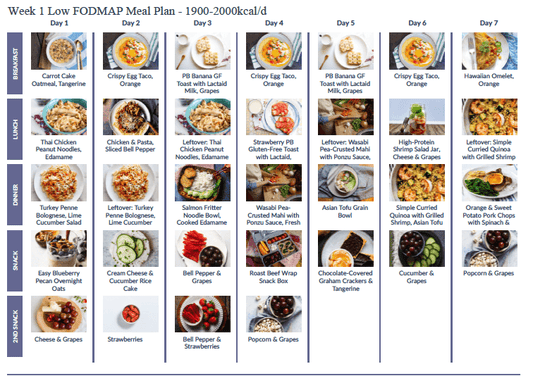
If you're also doing low-FODMAP for IBS-style symptoms, fiber selection matters. Many people do better with soluble, low-fermentation options (psyllium is a frequent go-to) rather than high-FODMAP fibers that can increase gas and bloating.
Practical tip: on GLP-1 therapy, "add fiber" should rarely mean "eat a massive salad." It often works better as small, repeatable doses.
Protein And Fat Choices That Improve Lipids And Support Satiety
When appetite drops, your default foods can drift toward whatever is easiest to tolerate, sometimes that's cheese, buttered toast, or rich takeout because "it's the only thing I can get down." Totally understandable. It can also push saturated fat up, which can raise LDL in some people.
More lipid-friendly protein and fat options that are often easier to digest:
Protein: Greek yogurt (lactose-sensitive people may need lactose-free), eggs, fish, poultry, tofu/tempeh if tolerated, or a gut-gentle protein shake when solid food is unappealing
Fats: olive oil, avocado (small portions if sensitive), nuts/nut butters (watch portions if nausea-prone)
Omega-3-rich choices: salmon, sardines, trout
If your triglycerides are high, minimizing alcohol and refined carbs matters too, even if you're eating less overall.
Meal Timing, Smaller Portions, And Managing Nausea While Eating Heart-Healthy
On GLP-1s, the best "cholesterol diet" is the one you can actually tolerate consistently.
Strategies that tend to work in real life:
Smaller, more frequent meals rather than one large meal that sits heavily
Prioritize protein first when you do eat, then add fiber and fats in tolerable amounts
Choose cooked foods when nausea is active (soups, stews, roasted vegetables) instead of raw, high-volume meals
Avoid very high-fat meals when you're prone to nausea or reflux: they can linger longer in the stomach
This is also where planning helps: having two or three reliable, low-effort meals you can tolerate will usually beat chasing the "perfect" heart-healthy recipe you never feel like eating.
Common Supplements People Try: What Helps, What To Avoid, What To Discuss With Your Clinician
Supplements can be useful, especially when appetite is low and your diet is inconsistent. But they can also worsen GI symptoms or interact with medications. Think of this section as a discussion guide for your next visit.
Psyllium And Other Soluble Fibers: LDL Support With GI Considerations
Psyllium has clinical evidence for modest LDL reduction in many people, and it can support regularity.
GLP-1-specific considerations:
Start with a small dose and increase slowly to reduce bloating
Take it with adequate fluid (constipation risk goes up when fiber goes up but fluids don't)
Separate fiber supplements from other oral medications by a couple of hours unless your clinician advises otherwise, because fiber can affect absorption
Other soluble fibers (like beta-glucan from oats) may also help, but tolerability varies.
Omega-3s, Plant Sterols, And Berberine: When They Make Sense
Omega-3 fatty acids (EPA/DHA) can lower triglycerides, sometimes substantially at prescription doses. Over-the-counter fish oil varies widely in quality and dosing, so this is worth discussing with your clinician if triglycerides are a major issue.
Plant sterols/stanols can modestly lower LDL by reducing cholesterol absorption in the gut. They're often found in fortified foods and supplements.
Berberine is commonly discussed online for glucose and lipid support. It may have metabolic benefits in some studies, but it can cause GI side effects (cramping, diarrhea/constipation swings) and it can interact with other medications through liver enzyme pathways. If you're on GLP-1 therapy and considering berberine, don't self-prescribe, bring it to your clinician so it can be assessed in context.
Bile-Acid Binders, Statins, And GLP-1s: How Combination Therapy Is Handled
If your LDL or ApoB remains elevated, your clinician may recommend combining GLP-1 therapy with cholesterol-lowering medication.
Common categories include:
Statins: first-line for many people at elevated cardiovascular risk: robust outcomes data
Ezetimibe: reduces cholesterol absorption: sometimes added when LDL isn't at goal
Bile-acid binders: can lower LDL by binding bile acids in the gut, but they can worsen constipation and bloating, two issues many GLP-1 users are already managing
Combination therapy is normal and often appropriate. The goal isn't to "avoid meds." The goal is to reduce long-term risk while keeping you feeling functional day to day.
When Cholesterol Doesn’t Improve: The Most Common Reasons And Fixes
If your scale is moving but your cholesterol isn't, it's frustrating, and it's also common. Usually there's an identifiable reason.
Too Little Intake, Too Much Saturated Fat, Or "Keto Drift" On Low Appetite
When appetite is low, you may unintentionally build a diet around the most tolerable, most calorie-dense foods, often high in saturated fat.
Common "keto drift" patterns on GLP-1s include:
Cheese and cured meats as default snacks
Heavy cream in coffee replacing meals
Frequent fast-casual meals because they're easy to pick at
If LDL or ApoB is rising, the fix is rarely "eat less." You're already eating less. The fix is usually swapping fat sources (more olive oil, nuts, fish: less butter, fatty red meat, processed meats) and adding soluble fiber in a gut-tolerable way.
Constipation And Bile Flow Changes That Can Cloud Lipid Goals
GLP-1 medications slow GI motility for many people. Constipation can become a persistent issue, and bile flow dynamics matter because bile acids are a primary route for cholesterol disposal.
If you're constipated most days, you may not be getting the full benefit of a fiber-forward cholesterol strategy because you can't tolerate enough fiber, or because your GI tract is simply moving too slowly.
This is a good moment to discuss a constipation plan with your clinician and to focus on:
Hydration and electrolytes
Soluble fiber you tolerate (often psyllium)
Regular movement (even walking helps motility)
Reviewing other constipating meds (iron supplements, some antihistamines, etc.)
Underlying Hypothyroidism, Menopause Transition, Or Medication Interactions
If LDL is unexpectedly high or rising even though weight loss, consider the common "hidden" drivers:
Hypothyroidism: low thyroid function can raise LDL: symptoms can be subtle (fatigue, dry skin, constipation, cold intolerance)
Perimenopause/menopause: estrogen decline can worsen LDL/ApoB trends independent of weight
Medications: some meds can affect lipids (certain diuretics, older beta blockers, some hormonal agents). Your clinician can review your list.
The fix here isn't guesswork. It's targeted labs (like TSH) and a full risk conversation that includes family history and menopausal status.
Conclusion
GLP-1 therapy often improves cholesterol, but the most consistent early wins tend to be triglycerides and non-HDL, with LDL and HDL moving more gradually. If you want the clearest picture of what's happening, ask about ApoB and non-HDL cholesterol, and interpret your results alongside insulin resistance, liver health, thyroid status, and (for many women) where you are in the menopause transition.
Most importantly: don't let low appetite quietly steer you into a high-saturated-fat, low-fiber pattern that works against your lipid goals. Small, GI-tolerable changes, soluble fiber, smarter fats, adequate protein, and realistic meal timing, add up.
GI side effects don't have to be the price of admission for GLP-1 therapy. Casa de Sante offers physician-formulated gut support products built for the specific digestive challenges these medications create. Explore your options at casadesante.com.
This article is for educational purposes only and is not medical advice. Always consult your healthcare provider before making changes to your treatment plan.
Frequently Asked Questions About GLP-1 and Cholesterol
How do GLP-1 receptor agonists like semaglutide affect cholesterol levels?
GLP-1 receptor agonists improve cholesterol primarily by promoting weight loss and insulin sensitivity, which leads to lower triglycerides and modest reductions in LDL cholesterol over months.
Which lipid panel components typically improve first on GLP-1 therapy?
Triglycerides often show early improvement with GLP-1 therapy, especially in insulin-resistant patients, while LDL cholesterol and HDL changes usually happen more gradually.
What are ApoB and non-HDL cholesterol, and why are they important to track on GLP-1s?
ApoB and non-HDL cholesterol measure the total count and burden of atherogenic particles better than LDL alone, offering a clearer cardiovascular risk picture during GLP-1 therapy.
Can diet impact cholesterol outcomes while taking GLP-1 medications?
Yes, eating a diet lower in saturated fat and rich in soluble fiber supports cholesterol improvements on GLP-1s, while high saturated fat intake during low appetite can raise LDL despite weight loss.
Why might cholesterol not improve despite weight loss on GLP-1 therapy?
Genetics, hormonal changes (like menopause), thyroid issues, diet high in saturated fat, or constipation affecting bile acid flow can blunt cholesterol improvements even with weight loss.
How often should lipid panels be checked after starting GLP-1 therapy?
Clinicians often recommend baseline labs before starting, then rechecking triglycerides at 3 months, LDL and ApoB at 6 months, and a full reassessment at 12 months to guide management.