GLP-1 Medications After 60: Special Considerations For Safe, Sustainable Weight And Metabolic Health (2026)








If you're over 60 (or caring for someone who is) and you're considering a GLP-1 medication like semaglutide or tirzepatide, the big question usually isn't "Will it work?" It's "Can I tolerate it, and will the weight I lose be the right kind of weight?"
GLP-1 receptor agonists can be highly effective for weight loss and type 2 diabetes control, and they've also shown meaningful cardiovascular benefits in higher-risk adults. But after 60, the margin for error gets smaller. Appetite is often lower to begin with, dehydration happens faster, and age-related muscle loss (sarcopenia) can accelerate if weight loss isn't managed intentionally.
Below is a clinician-style guide to the special considerations that matter most after 60, so you can aim for better metabolic health without trading it for frailty, falls, or persistent GI side effects.
Why GLP-1s Can Work Differently After 60
Age-Related Changes In Muscle, Appetite, And Hydration
After 60, your physiology changes in ways that can make GLP-1 therapy feel different than it does in younger adults.
First, muscle. You naturally lose muscle mass and strength with age, and that process can speed up during weight loss if protein intake and resistance training aren't prioritized. This matters because muscle is not just "fitness", it's your glucose sink, your mobility insurance, and a key predictor of independence.
Second, appetite and intake. Many adults over 60 already eat less due to changes in taste and smell, dental issues, reflux, medications, or simply a smaller appetite. GLP-1s lower appetite further and slow gastric emptying (how quickly food leaves your stomach). That can be helpful for weight loss, but it can also push you into under-eating, especially protein, without you realizing it.
Third, hydration risk. Older adults are more vulnerable to dehydration because thirst signals can be blunted, kidney concentrating ability changes, and medications like diuretics are more common. Add GLP-1 side effects like nausea, vomiting, diarrhea, or constipation, and dehydration can sneak up fast.
One more reality: adults over 75 have been underrepresented in many GLP-1 trials (often less than a few percent of participants), so clinicians rely more on practical experience and careful monitoring in this age group.
Common Goals: Weight, A1C, Mobility, And Cardiovascular Risk
Most people over 60 aren't chasing a smaller number on the scale for its own sake. You're usually aiming for outcomes that change how you feel and function:
- Better A1C and time-in-range if you have diabetes or prediabetes
- Less visceral fat (the metabolically active belly fat linked with insulin resistance)
- Improved blood pressure and lipid profile
- Reduced cardiovascular risk, especially if you have established heart disease
- Better mobility: climbing stairs, getting up from the floor, walking without pain
- Less inflammation and improved sleep apnea symptoms for some people
A useful mindset is "metabolic health with function preserved." In other words: losing fat while protecting muscle, strength, balance, and energy.
If you're on diabetes medications, GLP-1s are often paired with other agents like SGLT2 inhibitors for added cardiometabolic benefit, typically without increasing hypoglycemia risk on their own. The nuance is that hypoglycemia risk can rise when GLP-1s are combined with insulin or sulfonylureas, more on that below.
Before You Start (Or If You’re Restarting): The Checklist To Review With Your Clinician
This is the unglamorous part, but it's where many "I couldn't tolerate it" stories begin. Before starting, or restarting after a break, make sure you and your clinician review these points.
Medication List Review: Insulin, Sulfonylureas, Diuretics, Blood Pressure Meds
Bring your full medication list (including over-the-counter products and supplements). A few categories matter especially after 60:
- Insulin and sulfonylureas (like glipizide, glyburide): These can raise hypoglycemia risk when your appetite drops or when glucose improves quickly. GLP-1s themselves don't usually cause low blood sugar, but combinations can.
- Diuretics ("water pills" like furosemide, hydrochlorothiazide): Increase dehydration risk, especially if nausea or diarrhea hits.
- Blood pressure medications: Weight loss and improved insulin sensitivity can lower blood pressure. That's good, unless you get dizzy, lightheaded, or fall.
- NSAIDs (like ibuprofen/naproxen) and other kidney-stressing meds: Not always a deal-breaker, but important if dehydration occurs.
Also mention any history of severe reflux, swallowing issues, or chronic constipation. Those can shape how conservative your starting plan should be.
Kidney, Liver, And Thyroid Considerations
Your clinician may check labs before you start and periodically after:
- Kidney function: Dehydration can worsen kidney function, and older adults can have less physiologic reserve. If you develop vomiting or persistent diarrhea, this becomes more relevant.
- Liver enzymes: Especially if you have fatty liver disease.
- Thyroid history: GLP-1 medications carry specific thyroid tumor warnings based on rodent data. If you have a personal or family history of medullary thyroid carcinoma or MEN2, that's a clear clinical flag to discuss.
If you already have chronic kidney disease, your clinician may choose a more conservative approach and tighter follow-up to reduce dehydration-related complications.
Red Flags To Address First: Frailty, Unintentional Weight Loss, Prior Pancreatitis
GLP-1s can be the wrong tool, or require extra caution, if any of the following are present:
- Frailty: This isn't just "feeling tired." Clinically, frailty can look like low grip strength, slow gait speed, frequent falls, low activity, and unintentional weight loss.
- Unintentional weight loss: If you're already losing weight without trying, appetite suppression may worsen an underlying issue.
- Prior pancreatitis: GLP-1 use in patients with a history of pancreatitis is a nuanced decision that should be individualized.
A key point: In frail older adults, large weight loss (often discussed around greater than 10% of body weight) has been associated in some observational data with worse outcomes. That doesn't mean weight loss is "bad." It means the plan should prioritize strength, protein, and function, not speed.
Dosing And Titration For Older Adults: Go Slow, Track More
When you're over 60, tolerability often determines success. Many people discontinue GLP-1 therapy due to adverse effects, especially GI symptoms. A slower, more deliberate titration can be the difference between "this is life-changing" and "I quit after week three."
Managing Dose Escalation When Appetite Is Already Low
If you already eat lightly, your "effective dose" may be lower than someone who starts with a larger appetite. The goal isn't to reach the highest dose, it's to reach the lowest dose that produces meaningful benefit with acceptable side effects.
Practical considerations to discuss with your clinician:
- Whether you should remain at a lower dose longer before increasing
- How to handle travel, illness, or stressful weeks (times when you're more likely to under-eat)
- How to structure meals when portions become very small (so protein and fluids don't get crowded out)
If you're also trying to preserve muscle, faster appetite suppression can backfire by driving protein intake too low.
When Side Effects Mean "Hold" Or "Step Back"
Mild nausea or early fullness can be expected during dose changes. But there are scenarios where clinicians often pause escalation, extend a dose, or step back:
- Persistent vomiting or inability to keep fluids down
- Severe constipation (especially with abdominal pain)
- Signs of dehydration: dizziness, dark urine, weakness, racing heart
- Marked fatigue or inability to meet basic nutrition needs
- Symptoms that feel like gastric emptying is overly slowed (more on this below)
The point isn't to "push through." Older adults have less buffer against dehydration, electrolyte imbalance, and falls.
Monitoring Plan: Weight Trend, Symptoms, BP, Glucose, Labs
After 60, your monitoring plan should be more structured. Not because you're fragile, but because you're optimizing for safety and long-term sustainability.
A practical tracking list to review with your clinician:
- Weight trend: weekly averages can be more useful than daily numbers
- Symptoms: nausea, reflux, constipation, appetite, fatigue, dizziness
- Blood pressure: especially if you're on antihypertensives or you notice lightheadedness
- Glucose data: fasting glucose and post-meal patterns: CGM if appropriate
- Periodic labs: kidney function, electrolytes, A1C, and any nutrient markers your clinician feels are relevant based on your diet and risk factors
If you live alone or have had prior falls, it's worth being extra proactive about monitoring dizziness and blood pressure during the first 8–12 weeks.
Preventing Muscle Loss And Frailty While Losing Weight
If you take only one concept from this article, make it this: after 60, "successful" GLP-1 weight loss is fat loss with strength preserved.
Protein Targets And Timing When You Feel Full Fast
Protein needs generally rise with age because of anabolic resistance (your muscles don't respond as robustly to smaller protein doses). Meanwhile, GLP-1 therapy can make you feel full after a few bites.
That combo is why strategy matters:
- Prioritize protein first in the meal, before high-fiber or high-fat foods fill you up.
- Distribute protein across the day instead of trying to "catch up" at dinner.
- Use low-volume, high-protein options when needed (for example, yogurt, eggs, fish, tofu, or a tolerated protein shake).
Many older adults do better with a "protein anchor" plan: identify 2–3 reliable protein choices you can tolerate even on low-appetite days and rotate them.
If you have IBS, reflux, or GLP-1 nausea, protein tolerance is highly individual. Some people do better with whey, others with vegan blends, and some need smaller servings spaced out.
Strength Training And Balance Work To Protect Function
Resistance training is not optional "fitness" after 60, it's a medical-level intervention for function.
The best starter approach is simple and consistent:
- Strength training 2–3 days/week (machines, free weights, bands, or bodyweight)
- Include major movement patterns: squat/sit-to-stand, hinge, push, pull, carry
- Add balance work most days (single-leg stands near a counter, heel-to-toe walking, or tai chi)
You're not training for aesthetics. You're training so weight loss improves your life instead of shrinking your strength.
When To Consider Physical Therapy Or A Supervised Program
You don't need to be injured to benefit from physical therapy (PT). Consider asking for PT or a supervised program if:
- You've had a fall in the past year
- You have knee/hip/back pain that limits strength training
- You feel unsteady when walking or turning
- You're losing weight quickly and feel weaker
A PT can tailor a plan around joint limitations, build confidence, and reduce fall risk, especially during the early months of GLP-1 therapy when appetite and energy may fluctuate.
Digestive Side Effects In Older GLP-1 Users: What’s Different And What Helps
GI side effects are common on GLP-1 therapy at any age. After 60, they can hit harder because dehydration is riskier, constipation is more common baseline, and many people already take medications that affect motility.
Constipation, Reflux, And Nausea: Practical Adjustments That Don't Undercut Results
A few practical, non-extreme adjustments often help tolerability without undermining outcomes:
- Smaller meals, more often: Large meals can trigger nausea when gastric emptying is slowed.
- Lower-fat meals during escalation: High-fat meals can worsen nausea and reflux for some people.
- Avoid lying down after eating: Helpful for reflux.
- Build a constipation plan early: Don't wait until day 10 with no bowel movement.
Constipation is not just uncomfortable, it can worsen nausea and reduce appetite further. A proactive approach typically includes fluids, a consistent fiber strategy (the right type matters), and movement.
Gastroparesis-Like Symptoms: How To Recognize And Respond
GLP-1s intentionally slow stomach emptying. Sometimes that effect becomes excessive and feels "gastroparesis-like," meaning food sits in the stomach too long.
Symptoms that should prompt a clinician conversation include:
- Persistent early satiety (you can barely eat) that doesn't improve over time
- Ongoing nausea or vomiting, especially after small meals
- Feeling overly full for many hours after eating
- Abdominal bloating with significant discomfort
These symptoms don't automatically mean true gastroparesis, but they're important, especially after 60, because they increase risk of dehydration, inadequate protein intake, and medication nonadherence.
Gentle Nutrition Strategies: Low-FODMAP Options, Fiber Types, And Hydration
If your gut is sensitive (IBS, bloating, alternating constipation/diarrhea), you may need "gentle nutrition" rather than simply "more fiber."
A few clinician-friendly principles:
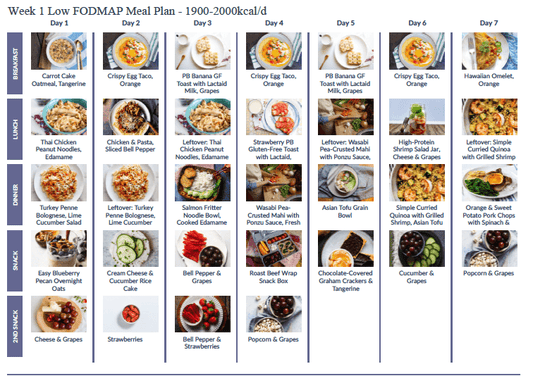
- Consider low-FODMAP options if bloating is prominent. FODMAPs are fermentable carbs that can increase gas and discomfort in IBS-prone guts.
- Choose fiber type intentionally:
- Soluble, gel-forming fibers (like psyllium) can help constipation and stool consistency for many people.
- Some fibers and sugar alcohols can worsen gas, cramping, or diarrhea.
- Hydration is part of constipation care. Fiber without enough fluid can backfire.
If plain water feels hard to tolerate (common during nausea), some people do better with broth, herbal tea, or clinician-approved electrolyte solutions, especially if appetite is very low.
And don't ignore chewing and pace. Eating quickly can worsen fullness and reflux when your stomach is already moving slowly.
Bone, Gallbladder, And Nutrient Risks To Keep On Your Radar
Weight loss can improve many health markers, but after 60 you also want to protect bone, avoid complications of rapid weight loss, and prevent quiet nutrient deficits.
Bone Density, Falls Risk, And Vitamin D/Calcium/Magnesium Basics
Bone and muscle are a team: less muscle often means higher fall risk, and falls are where bone density becomes very real.
Discuss with your clinician:
- Whether you're due for a DEXA scan (bone density test)
- Vitamin D status, especially if you have limited sun exposure
- Adequate calcium intake through diet (or supplements if appropriate)
- Magnesium: important for muscle function and constipation for some people, but dosing and forms vary
If you're losing weight and strength at the same time, that's a signal to tighten up the plan, protein, resistance training, and nutrition adequacy.
Gallstones And Rapid Weight Loss: Prevention Signals And Symptoms
Rapid weight loss is a known risk factor for gallstones. GLP-1 users can lose weight quickly, particularly early on.
Symptoms to take seriously and report include:
- Right upper abdominal pain (especially after fatty meals)
- Pain that radiates to the back or right shoulder
- Nausea with these pain episodes
- Fever or jaundice (urgent evaluation)
Some risk is not fully avoidable, but avoiding overly aggressive weight loss and maintaining consistent nutrition can be part of a risk-aware plan.
Micronutrients And Under-Eating: B12, Iron, Protein, And Electrolytes
After 60, "I'm eating less" can quietly turn into "I'm not meeting baseline requirements." GLP-1 therapy can amplify that.
Common areas to monitor, depending on your diet pattern and medical history:
- Protein: the macronutrient most tied to function and lean mass
- Vitamin B12: especially if you also take metformin or acid-suppressing meds
- Iron: particularly if your diet becomes very limited
- Electrolytes: sodium, potassium, magnesium, important if intake is low or if vomiting/diarrhea occurs
If you notice hair shedding, profound fatigue, weakness, or frequent dizziness, it's worth asking your clinician whether nutrition intake and labs need review rather than assuming it's "just the medication."
Special Situations Common After 60
Diabetes Management And Hypoglycemia Prevention
GLP-1 medications are popular in diabetes care partly because they usually do not cause hypoglycemia by themselves. The risk changes when they're combined with insulin or sulfonylureas, or when appetite suppression leads to skipped meals.
If you have diabetes, talk with your clinician about:
- A plan for dose adjustments of insulin/sulfonylureas if glucose improves quickly
- What to do on low-intake days (illness, nausea, travel)
- Whether you need more frequent glucose checks during titration
This is especially important after 60 because hypoglycemia can present atypically and raises fall and cognitive risks.
Heart Disease, Arrhythmias, And Blood Pressure Changes With Weight Loss
Many adults over 60 are managing cardiovascular disease, prior stents, heart failure risk, or arrhythmias like atrial fibrillation.
GLP-1 therapy and weight loss can improve cardiometabolic markers, but you still want to monitor:
- Blood pressure trends: weight loss plus antihypertensives can lead to low blood pressure and dizziness
- Heart rate changes: some people notice a small increase in resting heart rate
- Fluid status: dehydration can worsen lightheadedness and may aggravate arrhythmias in susceptible individuals
If you have known heart disease, it's reasonable to ask for a clear monitoring plan during the first few months.
Sleep, Alcohol, And Medication Timing (Including Other Injectables)
Three practical factors can make or break tolerability:
- Sleep: Poor sleep increases nausea sensitivity for some people and worsens appetite regulation. Also, fatigue can reduce your willingness to strength train.
- Alcohol: With reduced food intake, alcohol can hit harder, worsen reflux, and increase dehydration risk.
- Timing: If you take multiple injectables (for example, insulin) or other medications that affect appetite/GI function, coordinate timing with your clinician. Sometimes simply changing when you inject or when you schedule your largest meal can reduce side effects.
If you're juggling several medications, bring a written schedule to your next visit. It's one of the fastest ways to find fixable friction.
Conclusion
After 60, GLP-1 medications can be a powerful tool, but the win isn't just weight loss. The win is better glucose control, lower cardiometabolic risk, and improved mobility while you protect muscle, bone, hydration, and day-to-day function.
If you want a simple north star, use this: lose fat slowly enough that you can keep eating protein, keep drinking fluids, and keep training your legs and balance. That's what makes results last.
GI side effects don't have to be the price of admission for GLP-1 therapy. Casa de Sante offers physician-formulated gut support products built for the specific digestive challenges these medications create. Explore your options at casadesante.com.
This article is for educational purposes only and is not medical advice. Always consult your healthcare provider before making changes to your treatment plan.
Frequently Asked Questions for GLP-1 Users Over 60
What special considerations should adults over 60 keep in mind when using GLP-1 medications?
Adults over 60 experience amplified gastrointestinal sensitivity, greater dehydration risk, and more pronounced muscle loss. Careful monitoring, slow dose titration, and preserving protein intake and strength are essential to avoid frailty, falls, and nutrient deficiencies.
How do GLP-1 receptor agonists work differently in people over 60?
After 60, natural muscle loss, reduced appetite, and altered hydration responses change GLP-1 effects. These meds further suppress appetite and slow gastric emptying, increasing risks of under-eating, dehydration, and sarcopenia if not managed properly.
Why is it important to start GLP-1 doses low and titrate slowly in older adults?
Older adults have higher risk of side effects leading to discontinuation. A slow, careful dose increase helps improve tolerability, minimizes GI adverse events, and allows adjustment to appetite changes, reducing risks like dehydration or inadequate protein intake.
What role does strength training and protein intake play during GLP-1 therapy after age 60?
Strength training 2–3 times weekly and prioritizing adequate protein intake help preserve muscle mass lost due to aging and appetite suppression from GLP-1s. This supports mobility, glucose control, and reduces frailty risks during weight loss.
Can GLP-1s cause hypoglycemia in older adults with diabetes?
GLP-1s alone have low hypoglycemia risk, but combining with insulin or sulfonylureas can increase episodes, especially if appetite decreases. Older adults should work with clinicians to adjust diabetes medications and monitor glucose closely.
How can dehydration risk be minimized when taking GLP-1 medications after 60?
Older adults should monitor fluid intake closely, recognize signs of dehydration early, and address GI side effects promptly. Adjusting meds like diuretics and maintaining balanced hydration with fluids like broth or electrolyte drinks helps prevent complications.