GLP-1 Fullness Or Gastroparesis? How To Tell The Difference And What To Do Next (2026)








If you're on semaglutide or tirzepatide and you keep thinking, "Is this just the normal GLP-1 ‘I'm full' feeling…or is something actually wrong with my stomach?" you're not being dramatic. GLP-1 medications are designed to slow how fast food leaves your stomach, so some degree of early satiety is expected.
The tricky part is that gastroparesis (a more significant delay in stomach emptying) can feel similar at the start, especially if you're dealing with nausea, bloating, constipation, or you've just increased your dose. This article will help you compare normal GLP-1 fullness vs possible gastroparesis, know the red flags, and walk into your next appointment with the right data in hand.
One important note up front: true gastroparesis appears to be uncommon on GLP-1s (often cited as under 2% in available reports), but "uncommon" is not the same as "never," and your symptoms deserve to be taken seriously.
Why GLP-1 Medications Change Appetite And Digestion
GLP-1 receptor agonists (like semaglutide and tirzepatide) work on multiple organs at once, your brain, pancreas, liver, and gastrointestinal (GI) tract. That's why they can be so effective for metabolic health, and also why side effects tend to cluster around appetite and digestion.
At a high level, these medications help you eat less and improve blood sugar control by:
- Increasing satiety (you feel satisfied sooner)
- Reducing appetite signals and "food noise"
- Slowing gastric emptying (food leaves your stomach more slowly)
- Supporting healthier insulin and glucagon signaling (important for blood sugar stability)
That "slowed emptying" piece is the one that creates the most confusion when you're trying to distinguish normal fullness from something more concerning.
How GLP-1s Slow Gastric Emptying (On Purpose)
Your stomach isn't just a bag, it's a muscular grinder and timed-release system. After you eat, it churns food, mixes it with acid and enzymes, and then pushes it into the small intestine at a controlled pace.
GLP-1 medications intentionally relax parts of the stomach and reduce motility (the coordinated muscular movement that pushes food along). Practically, that means:
- You feel full faster because food stays in the stomach longer.
- Big, fatty, or high-fiber meals may "sit" longer.
- Nausea can show up when your stomach is more stretched than you're used to.
This is expected physiology, up to a point.
Why This Can Feel Different In Perimenopause And Menopause
If you're in perimenopause or menopause, you may notice that GI symptoms feel louder than you expected.
We don't have strong direct data proving that menopause causes worse GLP-1 GI side effects. But clinically, it's reasonable that hormonal shifts can change your baseline sensitivity and resilience. For example:
- Estrogen fluctuations can affect visceral sensitivity (how strongly you perceive gut sensations).
- Sleep disruption and stress (very common in perimenopause) can worsen nausea, reflux, and constipation.
- Lower muscle mass and lower overall intake during weight loss can make constipation more likely.
So if you're thinking, "My friend on the same medication is fine, why am I struggling?" the answer may be that your starting point isn't the same, even if your dose is.
What matters most is not comparing your symptoms to someone else's. It's tracking your pattern and knowing which features are expected vs concerning.
What “Normal” GLP-1 Fullness Feels Like
Normal GLP-1 fullness is usually a predictable, time-limited sensation: you eat less, feel satisfied sooner, and the "heaviness" fades as your stomach gradually empties.
It can be uncomfortable at first, but it's typically not disabling, not progressive, and not associated with repeated vomiting.
Expected Timing After Eating And After Dose Changes
While everyone's timing is a little different, typical patterns look like this:
- Fullness tends to peak about 1–4 hours after eating.
- It's more noticeable after larger meals, higher-fat meals, or carbonated drinks.
- It often flares after a dose increase, then settles over days to a few weeks as your body adjusts.
A common "normal" experience is: you eat half (or a third) of what you used to eat, feel surprisingly full, and then feel more comfortable again within a couple hours.
If you're early in treatment or recently titrated up, your job isn't to "push through" with willpower. It's to work with the new physiology: smaller portions, slower pace, and meals that digest more easily.
Common Mild Symptoms That Usually Settle Over Time
These symptoms are common during GLP-1 initiation or dose escalation and often improve with supportive habits:
- Early satiety (getting full quickly)
- Mild nausea, especially when you eat quickly or go too long without eating
- Mild bloating
- Constipation (often from slower gut transit plus lower food/fluid intake)
- A bit of reflux, especially after fatty meals or late-night eating
A helpful gut-check (no pun intended): with normal GLP-1 fullness, you can usually keep fluids down, you're not vomiting repeatedly, and you can identify clear triggers (portion size, meal composition, speed of eating).
If your symptoms are escalating, prolonged, or interfering with hydration and nutrition, that's when the "normal fullness" assumption needs to be re-evaluated.
What Gastroparesis Is (And Why It Matters On GLP-1s)
Gastroparesis literally means "stomach paralysis," although in real life it's usually partial, not a complete stop. It's a condition where the stomach empties too slowly, without a mechanical blockage causing the slowdown.
On GLP-1 therapy, this matters because the medication's intended effect (slower emptying) can overlap with gastroparesis symptoms. The difference is severity, persistence, and consequence.
Classic gastroparesis symptoms can include:
- Feeling full after a few bites
- Persistent nausea
- Vomiting (sometimes of undigested food hours later)
- Upper abdominal discomfort or pain
- Poor appetite leading to inadequate nutrition
- Weight loss that feels "out of proportion" to intake or feels medically unwell
Medication-Related Delay Vs Underlying Gastroparesis
Not all delayed emptying on a GLP-1 is "gastroparesis" in the diagnostic sense.
Clinically, there are two broad scenarios:
- Medication-related gastric emptying delay
- Symptoms start after starting the medication or increasing the dose.
- Symptoms improve when the dose is reduced, titration is slowed, or the medication is paused.
- This pattern suggests a reversible drug effect.
- Underlying gastroparesis (unmasked or worsened)
- Symptoms may predate the medication (even subtly).
- Symptoms persist even though dose changes.
- There may be risk factors like long-standing diabetes or prior GI surgery.
This is exactly why it's important not to self-diagnose based on one bad week. The time course matters.
Who Is At Higher Risk (Diabetes, Prior GI Issues, Surgery, More)
You may be at higher risk for clinically significant delayed gastric emptying if you have:
- Type 2 diabetes (especially long-standing or with known neuropathy). Diabetes can affect the vagus nerve and gut motility over time.
- A history of significant GI symptoms before GLP-1 therapy (frequent nausea, vomiting, severe reflux, chronic unexplained bloating)
- Prior stomach or esophageal surgery (or other abdominal surgeries that can alter nerve signaling)
- Neurologic or connective tissue conditions that can affect motility (your clinician will recognize these)
- Use of other medications that slow GI motility (some pain medicines, certain anticholinergics, some migraine meds)
None of this means you can't use GLP-1 therapy. It means you and your prescriber should be more proactive about symptom tracking, titration speed, and early evaluation if red flags appear.
GLP-1 Gastroparesis Vs Normal Fullness: The Red-Flag Checklist
Here's the cleanest way to think about glp 1 gastroparesis vs normal fullness:
- Normal fullness is time-limited and manageable.
- Concerning delay is persistent, progressive, or physically depleting.
The table below isn't a diagnosis, it's a pattern-recognition tool to help you decide how urgently to loop in your prescriber.
Normal GLP-1 fullness vs gastroparesis red flags
Normal / common
- Fullness peaks 1–4 hours after meals
- Mild nausea that comes and goes
- Symptoms mainly after large, fatty, or fast meals
- Gradually improves after a few weeks at a stable dose
- You can usually maintain hydration and some protein intake
More concerning (possible gastroparesis pattern)
- Fullness and bloating that lasts many hours or feels constant
- Vomiting, especially repeated vomiting
- Vomiting undigested food hours after eating
- Worsening symptoms over time instead of settling
- You can't keep up with fluids, electrolytes, or protein
- Unexplained weakness, dizziness, or signs of dehydration
Symptoms That Suggest More Than Typical Fullness
If any of the following are becoming your new normal (not just a one-off day), it's worth contacting your prescriber:
- Nausea that is persistent and limits daily function
- Bloating that is severe and prolonged, not tied to a specific meal
- Early satiety so extreme you can't eat enough to meet basic needs
- Vomiting after meals, or waking up nauseated daily
- Abdominal pain that is significant (not just mild pressure)
A subtle clue many people miss: constipation can amplify upper-GI symptoms. When your colon is backed up, your whole GI tract can feel "stuck." That's why clinicians often address constipation aggressively while evaluating possible gastroparesis.
When Symptoms Become Dangerous: Dehydration, Malnutrition, And Aspiration Risk
Symptoms become medically urgent when they threaten hydration, nutrition, or safety.
- Dehydration risk: dark urine, very infrequent urination, dizziness when standing, dry mouth, rapid heartbeat, feeling faint.
- Malnutrition risk: inability to tolerate adequate protein/calories for days, significant weakness, confusion, or rapid decline.
- Aspiration risk: vomiting plus drowsiness, reflux into the throat, coughing/choking with vomiting. Aspiration (inhaling vomit into the lungs) can cause pneumonia and is an emergency.
You don't need to "wait it out" if you're seeing these patterns. GLP-1 side effects are common: dangerous complications should not be normalized.
When To Call Your Prescriber Or Seek Urgent Care
It's reasonable to message your prescriber about ongoing nausea or constipation. But there are situations where you should skip the inbox and be evaluated the same day.
Same-Day Red Flags That Warrant Immediate Evaluation
Seek urgent care or emergency evaluation if you have:
- Repeated vomiting and inability to keep fluids down
- Signs of dehydration (dizziness, fainting, minimal urination, confusion)
- Severe or worsening abdominal pain
- Vomit that looks like coffee grounds or any blood in vomit
- Black, tarry stools or blood in stool
- Fever with significant abdominal symptoms
- Chest pain, severe shortness of breath, or severe weakness
Also: if you have diabetes and you're vomiting, you need same-day guidance. Dehydration can destabilize blood sugar, and certain diabetes medications raise additional safety considerations during acute illness.
What To Track Before Your Visit (Meals, Fluids, Bowel Movements, Doses)
You'll get better care faster if you bring specific information. For 3–7 days (or since symptoms started), track:
- Medication details: name, dose, injection day/time, most recent dose change
- Symptom timing: when nausea/fullness starts, how long it lasts, whether vomiting occurs, what the vomit looks like (especially undigested food)
- Meals: portion size, fat content, fiber content, and texture (solid vs soft/liquid)
- Fluids: approximate ounces per day: whether electrolytes help
- Bowel movements: frequency, consistency, and whether you feel incomplete emptying
- Weight trend: rapid drops can signal undernutrition/dehydration
This isn't busywork. It helps your clinician distinguish "expected GLP-1 adjustment" from constipation-driven symptoms, reflux, gallbladder issues, pancreatitis, or true delayed emptying that needs testing.
How Clinicians Evaluate Suspected Gastroparesis
Clinicians usually approach suspected gastroparesis in a stepwise way, because many more common problems can mimic it, and they're often fixable.
Ruling Out More Common Causes (Constipation, GERD, Gallbladder, Obstruction)
Before labeling symptoms as gastroparesis, your clinician may evaluate for:
- Constipation and stool burden (which can worsen nausea and fullness)
- GERD (reflux) or gastritis (stomach lining irritation)
- Medication interactions (other drugs that slow motility)
- Gallbladder disease (more likely during rapid weight loss: can cause nausea and right-sided upper abdominal pain)
- Pancreatitis (less common, but important, typically severe upper abdominal pain, often with vomiting)
- Mechanical obstruction (for example, ulcers causing narrowing, strictures, or other structural problems)
This "rule out" phase is not dismissal. It's safety. Obstruction and gallbladder disease require different management than motility problems.
Tests You May Be Offered And What Results Mean
If the story fits, testing may include:
- Basic labs: to assess dehydration, electrolytes, kidney function, inflammation markers, and nutrition indicators.
- Abdominal ultrasound or CT (when indicated): to evaluate gallbladder, pancreas, and other abdominal organs.
- Upper endoscopy (EGD): a camera test that looks for ulcers, inflammation, narrowing, and obstruction.
- Gastric emptying study (often scintigraphy): the classic test where you eat a standardized meal and imaging tracks how fast it leaves your stomach. Delayed emptying beyond defined cutoffs supports a gastroparesis diagnosis.
- Breath testing (in some settings): another way to estimate gastric emptying.
If testing confirms significant delay, the next step is identifying the likely driver (medication-related vs underlying) and deciding, with your prescriber, how to adjust your plan safely.
Practical Steps To Ease Symptoms While You Get Answers
While you're waiting on an appointment or tests, the goal is to reduce symptom load and protect hydration and nutrition, without making abrupt changes on your own.
Food Strategies: Smaller Portions, Texture Shifts, And Low-Fat/Low-Fiber Tweaks
These strategies can make a meaningful difference when your stomach is emptying slowly:
- Go smaller, more often. Think mini-meals rather than three full plates.
- Slow down. A rushed meal plus GLP-1 delayed emptying is a setup for nausea.
- Shift texture when symptoms flare. Softer foods (soups, yogurt, smoothies) often feel better than dense solids.
- Reduce high-fat meals temporarily. Fat slows gastric emptying even in people not on GLP-1s.
- Be cautious with very high-fiber foods during flares (raw salads, bran cereals, large portions of cruciferous vegetables). Fiber is generally healthy, but when emptying is slow it can worsen fullness and bloating.
If you're trying to preserve muscle while losing weight (especially important in perimenopause/menopause), you don't need huge portions, you need consistent protein opportunities that you can actually tolerate.
Hydration, Electrolytes, Protein, And Low-FODMAP Options For Sensitive Stomachs
When nausea or bloating hits, people often unintentionally under-drink. Then constipation worsens, nausea worsens, and the cycle continues.
A practical approach:
- Prioritize fluids early in the day. Many people tolerate sips better than big gulps.
- Use electrolytes if you're struggling with lightheadedness, low intake, or sweating. (Choose options that don't irritate your stomach.)
- Make protein easier to tolerate: smaller servings, smoother textures, and spacing across the day.
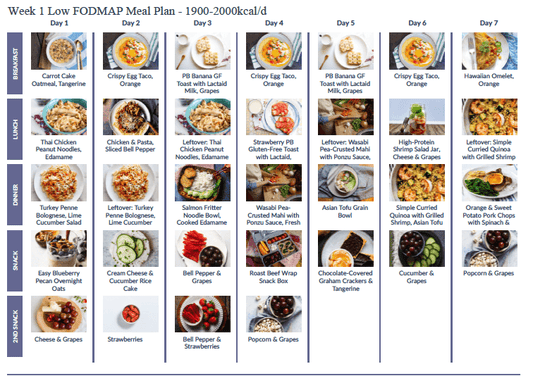
- If you're prone to IBS-type symptoms, a low FODMAP approach can reduce gas and bloating triggers. FODMAPs are fermentable carbs that can create more distention, exactly what you don't want when you already feel overly full.
If you're sensitive, the "best" food on paper is the one you can digest comfortably right now. You can broaden variety again once your symptoms settle.
Medication And Lifestyle Adjustments To Discuss (Dose Timing, Titration, Other Meds)
Do not change your GLP-1 dose without medical guidance. But you can have an informed discussion with your prescriber about:
- Slower titration: staying at a lower dose longer before increasing
- Temporary dose reduction or pause if symptoms are severe (only with clinician direction)
- Timing strategies: some people do better aligning injections with predictable routines around work, sleep, and meal patterns
- Constipation plan: because improving lower-GI transit can reduce upper-GI symptoms
- Reviewing other medications that may worsen nausea, reflux, or motility
If you're having a hard time getting traction, that's not a personal failure. It's a signal that your physiology needs a different ramp-up plan.
GI side effects don't have to be the price of admission for GLP-1 therapy. Casa de Sante offers physician-formulated gut support products built for the specific digestive challenges these medications create. Explore your options at casadesante.com.
This article is for educational purposes only and is not medical advice. Always consult your healthcare provider before making changes to your treatment plan.
Conclusion
The main difference between normal GLP-1 fullness and possible gastroparesis isn't just how full you feel, it's the pattern. Normal fullness is usually predictable, strongest after meals and dose increases, and gradually improves. Concerning delayed emptying is persistent, escalating, or accompanied by repeated vomiting, dehydration, or inability to meet basic nutrition needs.
If you're unsure where you fall, track your symptoms for a few days and bring that data to your prescriber. The right next step might be as simple as addressing constipation and slowing titration, or it might mean targeted evaluation to rule out other GI conditions. Either way, you deserve a plan that protects your safety and makes your GLP-1 therapy tolerable enough to be sustainable.
GLP-1 Gastroparesis vs Normal Fullness: Frequently Asked Questions
What causes the normal fullness feeling when taking GLP-1 medications?
GLP-1 receptor agonists like semaglutide slow gastric emptying by relaxing stomach muscles, causing food to stay longer and making you feel full sooner. This leads to early satiety and reduced appetite, which is an expected effect to help control eating and blood sugar.
How can I tell the difference between normal GLP-1 fullness and gastroparesis?
Normal fullness usually peaks 1–4 hours after meals, is mild, and improves over weeks. Gastroparesis involves persistent, worsening symptoms like prolonged fullness, nausea, vomiting undigested food, and abdominal pain that doesn't improve and may cause dehydration or malnutrition; such cases need medical evaluation.
Who is at higher risk for developing gastroparesis on GLP-1 therapy?
People with long-standing type 2 diabetes, prior gastrointestinal surgeries, nerve damage, or pre-existing GI disorders have higher risks of clinically significant delayed stomach emptying or gastroparesis when using GLP-1 medications, requiring closer symptom monitoring.
What symptoms should prompt me to contact my healthcare provider if I’m on GLP-1 medications?
Contact your provider if you experience severe or persistent nausea, constant bloating, repeated vomiting (especially undigested food), inability to keep fluids down, unexplained weight loss, or dehydration signs like dizziness and dark urine. These could indicate gastroparesis or serious complications.
Are there specific dietary tips to reduce fullness and nausea while on GLP-1 therapy?
Yes, try smaller, more frequent meals, slower eating, soft or liquid foods, and low-fat, low-fiber options during symptom flares. Adequate hydration with electrolytes and focusing on easy-to-digest protein can also help manage symptoms related to delayed gastric emptying.
Can menopause or perimenopause affect how GLP-1 medications impact my stomach?
Though direct data is limited, hormonal changes during perimenopause or menopause may increase gastrointestinal sensitivity, potentially making GLP-1 related fullness or nausea feel more intense. This individual variation means symptom experiences can differ even on the same medication dose.