GLP-1 Exit Strategies With Supplements: How To Transition Off Semaglutide Or Tirzepatide Without Rebound Weight Gain (2026)








If you're thinking about coming off semaglutide or tirzepatide, you're not alone, and you're not "failing" your medication by planning an exit.
GLP-1 receptor agonists can be life-changing, but many people eventually want a sustainable off-ramp: fewer side effects, lower cost, pregnancy planning, insurance changes, or simply a desire to maintain results without long-term medication.
The tricky part is physiology. When GLP-1 support drops, hunger signals and cravings often surge, and weight regain is common without a strategy. Below is a clinician-minded approach to GLP-1 exit strategies with supplements, focused on appetite control, blood sugar stability, lean muscle, and gut tolerance.
Plan Your GLP-1 Off-Ramp: Timing, Tapering, And The Biggest Pitfalls To Avoid
The most effective GLP-1 "exit strategy" usually starts before you lower the dose.
A practical benchmark many clinicians use is weight stability for about 3 to 6 months while you're still on medication. That stability window is where you lock in the habits that will carry you when appetite returns. If you taper while you're still losing rapidly (or barely eating), your body is primed to rebound.
Here's what "exit-ready" habits typically look like in real life:
Protein at every meal. A common target is 30 to 35 grams of protein per meal. On GLP-1s, appetite suppression can make protein the first thing to drop, but it's also the macronutrient most tied to satiety and lean mass retention.
Fiber consistency, not heroics. Aim for about 25 to 35 grams of fiber per day, primarily from food. Sudden fiber overload can worsen bloating or constipation, so build slowly.
Resistance training 2 to 3 times per week. Weight loss, especially fast weight loss, can take muscle with it. Preserving muscle matters because it supports resting metabolic rate, blood sugar control, and functional strength.
Daily movement, hydration, sleep, and stress management. These sound basic because they are basic. They're also the first things to slip when hunger returns or life gets hectic.
Tapering tends to work better than abrupt stopping. In plain English: you want your appetite and gut motility to "recalibrate" gradually. Depending on your prescription and how you've been dosing, tapering might mean stepwise dose reductions, extending the time between injections, or both, always under clinician guidance.
Why the emphasis on slow? Because the biggest pitfalls are predictable:
Abrupt stopping. This often triggers a sharp hunger rebound, more "food noise," and stronger cravings.
Ignoring early warning signs. The first 2 to 5 pounds of regain or the return of intense snacking impulses is your signal to tighten the plan, not a reason to give up.
No maintenance structure. Without stable protein, fiber, and training routines, your biology will usually win.
It's also worth saying out loud: in long-term studies, many people regain a substantial portion of lost weight after discontinuing GLP-1 therapy, often cited around the majority of weight lost, unless there's an intentional maintenance plan. The goal isn't perfection: it's having a protocol you can adjust quickly if your weight trend starts creeping up.
One more clinician-style detail: a good off-ramp includes a "Plan B." That might be pausing the taper, returning temporarily to a lower dose, using intermittent dosing, or discussing other FDA-approved anti-obesity medications with your prescriber if cravings become unmanageable. The win is staying engaged with the process instead of white-knuckling it.
Supplements That Support Appetite Control, Blood Sugar, And Lean Muscle During The Transition
Supplements won't replace GLP-1 biology. But used intelligently, they can help cover predictable gaps that show up when you eat less, train more, and try to maintain weight without the medication's appetite signal support.
Think of your supplement strategy in three buckets: protein/lean mass, fiber/satiety, and micronutrients.
Protein and lean muscle support
If your appetite is still relatively low during tapering, protein is often the hardest "nutrition lever" to pull consistently. Yet it's central to satiety and preserving lean tissue.
If you're struggling to meet protein targets with whole foods, a gut-tolerant protein powder can be a practical bridge, especially at breakfast, after resistance training, or on days when nausea or early fullness makes solid food unappealing. Look for options that sit well with sensitive stomachs and don't trigger bloating.
Also remember: supplements don't build muscle, training does. But protein availability supports muscle protein synthesis (your body's muscle-repair and muscle-building process), which becomes more important as GLP-1 appetite suppression fades and weight maintenance becomes the focus.
Fiber for appetite control and glycemic steadiness
For many people, fiber is the quiet MVP of a GLP-1 transition. Adequate fiber intake supports fullness, reduces constipation risk, and slows glucose absorption, helpful when you're trying to prevent "blood sugar whiplash" that can drive cravings.
If you can't reach 25 to 35 grams per day from food, a simple fiber supplement like psyllium can help. The key is dosing and timing: start low, increase slowly, and pair it with adequate water. Too much too fast can backfire.
Micronutrient coverage when you're eating less
Reduced intake raises the stakes for nutrient sufficiency. While you don't want a cabinet full of pills, there are a few gaps that show up repeatedly in people eating smaller portions:
Calcium is a common one, especially for women in perimenopause and menopause who are already thinking about bone density. A commonly used supplemental amount is around 500 mg per day when dietary calcium is low, alongside weight-bearing and resistance exercise.
More broadly, a well-designed daily vitamin/mineral complex can be a reasonable safety net during a taper if your food volume is still down.
What about "appetite suppressing" supplements?
Be cautious. Many over-the-counter products marketed for appetite control are stimulant-based or poorly studied, and they can worsen anxiety, sleep, reflux, or palpitations.
If cravings become intense during tapering, the most evidence-based next step is not a random supplement, it's talking with your clinician about structured options. Some patients may benefit from non-GLP-1 anti-obesity medications (for example, bupropion/naltrexone in appropriate candidates) as a temporary bridge while habits solidify. That decision is individualized and depends on your medical history and tolerability.
A simple rule that keeps people out of trouble: use supplements to support fundamentals (protein, fiber, micronutrients), not to "hack" hunger.
Gut-First Exit Strategy: Supplements For Constipation, Nausea, Reflux, And Long-Term Tolerability
If you've been on a GLP-1 medication for more than a few weeks, you've probably noticed the gut connection: slower digestion, constipation, nausea, bloating, reflux, or a general feeling that your stomach has a shorter fuse.
A gut-first exit strategy matters for two reasons.
First, GI side effects can make it harder to eat the way you need to during a taper (protein becomes unappealing, fiber feels "too heavy," and you end up under-eating all day and over-snacking at night).
Second, gut discomfort can push people into abrupt stopping, one of the fastest routes to rebound hunger.
Constipation: prioritize motility support and fiber tolerance
Constipation on GLP-1 therapy is usually a mix of slower intestinal movement and lower total food and fluid intake.
Start with the basics that actually move the needle:
Hydration, consistently. If you add fiber without adding fluids, constipation often worsens.
Daily movement. Even a 10–15 minute walk after meals can support gut motility.
Food-first fiber, then supplement fiber. If you're not hitting 25 to 35 grams/day from food, a psyllium supplement can help many people, but build slowly.
If constipation persists even though fiber and hydration, some people use targeted herbal motility support. This is where you want to be conservative and individualized: "motility" products vary widely in strength, and you don't want to swing from constipation to urgent diarrhea.
Nausea and early fullness: reduce triggers and consider enzyme support
Nausea on GLP-1s is often dose-related, meal-size related, and closely tied to fat content.
Practical, non-dramatic adjustments that help many people:
Smaller, more frequent meals during tapering days.
Avoid very high-fat meals when symptoms are active.
Eat slowly and stop at "comfortably satisfied," not stuffed.
For some, digestive enzymes can improve meal tolerance, particularly when protein intake increases again (which is often necessary during the transition). Enzymes aren't a cure-all, but they can be a helpful tool when your stomach feels sensitive and you're trying to eat in a more structured way.
Reflux and bloating: simplify, then rebuild
Reflux can flare when gastric emptying is slower and meals are larger or later in the evening.
Try a short reset:
Keep dinner earlier and smaller for a week.
Limit alcohol and carbonated beverages if they trigger symptoms.
Avoid lying down soon after eating.
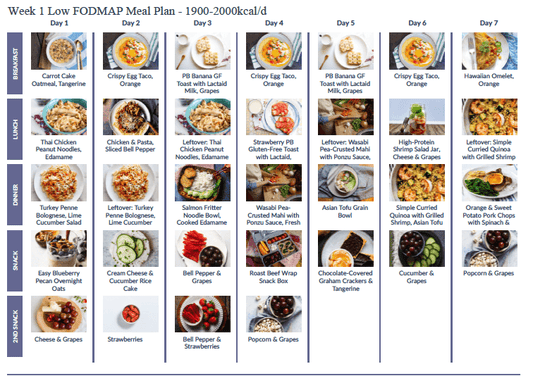
If bloating becomes a barrier to fiber intake, consider the type of fiber and your broader gut sensitivity profile. Some people do better with a low FODMAP approach (temporarily) while they rebuild tolerance, especially if they have IBS tendencies. This is also where a synbiotic (a combination of prebiotics and probiotics) may be useful for some individuals, but the right formula matters, more strains isn't always better if you're sensitive.
The transition phase is a good time to take your gut symptoms seriously. Not because discomfort is dangerous by default, but because tolerability determines consistency, and consistency is what protects your results.
GI side effects don't have to be the price of admission for GLP-1 therapy. Casa de Sante offers physician-formulated gut support products built for the specific digestive challenges these medications create. Explore your options at casadesante.com.
This article is for educational purposes only and is not medical advice. Always consult your healthcare provider before making changes to your treatment plan.
Conclusion
A successful GLP-1 exit strategy is less about willpower and more about physiology management: stabilize first, taper slowly, and support the two systems that drive rebound, appetite regulation and gut motility. Use supplements to reinforce fundamentals (protein, fiber, micronutrients), not to chase "magic" appetite suppression. And keep a Plan B with your clinician, because early course-corrections beat major regain every time.
GLP-1 Exit Strategies and Supplement FAQs
What is the best way to start tapering off GLP-1 medications like semaglutide?
Begin tapering only after maintaining stable weight for 3 to 6 months while on GLP-1s. Slowly reduce dosage stepwise or extend injection intervals under clinician guidance to minimize hunger rebound and weight regain.
Which supplements can support appetite control and muscle preservation during GLP-1 exit?
Supplements such as gut-tolerant protein powders help maintain protein intake essential for satiety and lean muscle. Fiber supplements like psyllium aid appetite control and blood sugar stability. Also, daily calcium (around 500 mg) supports bone health, especially if appetite is reduced.
Why is fiber important when transitioning off GLP-1 therapy, and how should it be used?
Fiber (25-35 grams daily from food or supplements) helps reduce hunger, prevents constipation, and stabilizes blood sugar. Increase fiber intake gradually with adequate hydration to avoid bloating or digestive discomfort during the GLP-1 taper.
How can I manage common gut side effects like constipation or nausea when stopping GLP-1 drugs?
Focus on hydration, daily movement, and gradual fiber increase for constipation. For nausea, eat smaller, frequent meals lower in fat, eat slowly, and consider digestive enzymes if tolerated. Adjust meal timing and size to reduce reflux and bloating.
Can I stop GLP-1 medication abruptly if I want to exit treatment quickly?
Abruptly stopping GLP-1s often causes sharp hunger increases, cravings, and rapid weight regain. A gradual taper combined with lifestyle habits is recommended to prevent these issues and support a sustainable transition.
Are over-the-counter appetite suppressant supplements recommended during GLP-1 exit?
No. Stimulant-based or poorly studied appetite suppressants may worsen anxiety, sleep, or reflux. Discuss with your clinician for evidence-based alternatives like other FDA-approved medications if cravings become hard to manage.