GLP-1 Diarrhea Relief: Low FODMAP Foods That Are Gentle, Filling, And Easy To Plan (2026)








Diarrhea on a GLP-1 medication can feel especially unfair: you're finally doing something evidence-based for your health, and your gut decides to revolt. And because semaglutide and tirzepatide reduce appetite, you may already be eating less, so when diarrhea hits, dehydration, fatigue, and "what can I eat that won't make this worse?" can show up fast.
The good news is that for many people, a smart, short-term Low FODMAP approach can calm things down, especially if your loose stools are being driven by fermentable carbs, sugar alcohols, or sudden fiber changes. Below you'll find a practical, GLP-1-friendly Low FODMAP food list, common "healthy" traps, and a simple 3-day reset menu that's gentle, filling, and easy to execute when you don't have the energy to overthink it.
Why GLP-1 Medications Can Trigger Diarrhea
GLP-1 receptor agonists (like semaglutide and tirzepatide) change how your gut moves and how your brain-gut signaling responds to food. For many people that means less hunger and better blood sugar control. For some, it also means GI side effects, nausea, reflux, constipation, and yes, diarrhea.
Diarrhea on GLP-1s is usually multifactorial. It's not always "something you ate," and it's not always a sign you can't tolerate the medication. But it is a sign your current input (foods, portions, timing, dose) doesn't match your gut's new pace.
How Slower Gastric Emptying And Gut Signaling Affect Stool Consistency
GLP-1 medications commonly slow gastric emptying (how quickly food leaves your stomach) and alter gut motility (the coordinated muscle contractions that move food through your intestines). That sounds like it would only cause constipation, but in real life it can create unstable patterns.
Here's the practical version:
If your stomach empties more slowly, food may arrive in your small intestine in a different rhythm than you're used to. If you then eat a larger, higher-fat, or highly sweetened meal, your gut can respond with urgency, cramping, and looser stools.
At the same time, GLP-1s influence gut hormones and nerve signals involved in digestion. That can change bile release, pancreatic secretions, and how sensitive your intestines are to stretching and fermentation. If your gut is more reactive, "normal" amounts of certain carbohydrates or sweeteners can suddenly cause watery stools.
Common Triggers That Make GLP-1 Diarrhea Worse (Dose Changes, Fat, Sugar Alcohols, Fiber Swings)
In clinical practice, patterns repeat. The most common diarrhea triggers on GLP-1s tend to be:
Dose changes or titration weeks. Diarrhea often shows up when your dose increases or when you restart after a break.
High-fat meals (even if they're "healthy"). Think: large avocado portions, greasy takeout, heavy cream sauces, fried foods, fatty cuts of meat. Fat slows digestion and can hit harder when motility is already altered.
Sugar alcohols and "keto" sweeteners. Sorbitol, mannitol, xylitol, maltitol, and sometimes erythritol can pull water into the gut and cause osmotic diarrhea, especially in protein bars, shakes, and sugar-free candy.
Fiber swings. Going from low fiber to very high fiber overnight (or adding multiple fiber products at once) is a classic trigger. So is stacking "gut healthy" foods like beans, large salads, cruciferous vegetables, and inulin/chicory root fiber.
Large volumes and fast eating. When appetite is low, it's easy to skip meals then eat a bigger plate quickly. Your gut often tolerates small, steady inputs better.
When Diarrhea Signals Something More Serious
Most GLP-1 diarrhea is mild to moderate and improves with time, dose adjustments, and better food matching. But there are situations where you should not try to "diet your way through it."
Diarrhea may be more serious if you have severe or worsening abdominal pain, fever, blood in the stool, black/tarry stools, repeated vomiting, signs of dehydration, or symptoms that persist beyond a few days even though conservative changes.
Also keep in mind: GLP-1 side effects can overlap with unrelated issues (viral gastroenteritis, foodborne illness, C. difficile after antibiotics, gallbladder disease, pancreatitis). When symptoms feel intense, unusual, or escalating, treat that as useful information, not something to power through.
Why Low FODMAP Can Help With GLP-1 Diarrhea (And When It Won’t)
If you've ever thought, "I ate pretty clean, why am I having diarrhea?" FODMAPs are often the missing piece.
A Low FODMAP diet was originally developed for IBS (irritable bowel syndrome), and high-quality studies show it can reduce diarrhea, bloating, gas, and abdominal pain in many IBS patients. For people on GLP-1 therapy, it can be especially useful because GLP-1s can make your gut more sensitive to fermentation and osmotic effects.
FODMAPs In Plain English: Fermentation, Gas, And Water Pulling Into The Gut
FODMAP stands for Fermentable Oligosaccharides, Disaccharides, Monosaccharides, And Polyols.
In plain English, these are carbohydrates that:
Ferment easily in the gut. Your gut microbes break them down rapidly, producing gas.
Pull water into the intestines. This can make stool looser and increase urgency.
When your digestion is already "different" on a GLP-1, slower in some places, more reactive in others, those two effects can be enough to tip you into diarrhea.
Who Should Use A Short-Term Low FODMAP Approach vs. A Gentler "Low FODMAP Choices" Plan
A key point: Low FODMAP is not meant to be a forever diet.
A short-term Low FODMAP approach (often 2 to 6 weeks in IBS protocols, with reintroduction after) may be a good fit if:
Your diarrhea is frequent and clearly food-reactive
You also have significant bloating, gas, or cramping
You notice clear triggers like onions/garlic, apples, wheat-heavy meals, sugar alcohols, or large dairy servings
You're in a titration phase and need a predictable "calm gut" template
A gentler "Low FODMAP choices" plan (using lower-FODMAP swaps without strict elimination) may be better if:
Your symptoms are mild or intermittent
You're already eating very little on GLP-1 therapy and don't want to shrink variety further
Your primary trigger seems to be fat load, meal size, or caffeine rather than fermentable carbs
And when Low FODMAP won't help: if diarrhea is primarily driven by non-FODMAP causes, like fat malabsorption, an infection, medication interactions, or gallbladder/pancreatic issues, then swapping fruits and vegetables won't fix the underlying problem. In those cases, the right next step is clinical evaluation.
Low FODMAP Foods To Eat When You Have GLP-1 Diarrhea
When you're dealing with GLP-1 diarrhea, your goal is simple: calm the gut while still getting enough protein, fluids, and electrolytes. The foods below are generally Low FODMAP in appropriate portions and tend to be well tolerated during loose-stool flares.
Portion size matters more on GLP-1s. Even "safe" foods can backfire if the meal is large, high-fat, or eaten quickly.
Best Gentle Carbs (Rice, Oats, Potatoes, Sourdough, Gluten-Free Options)
Gentle carbohydrates are often the fastest way to reduce urgency and improve stool consistency.
Good options to build meals around:
White rice or jasmine rice (easy to digest, very predictable)
Oats (especially rolled or instant oats: keep portions moderate)
Potatoes or sweet potatoes (watch portion size if you're sensitive)
Sourdough bread (true sourdough is often better tolerated than standard bread: portions still matter)
Gluten-free options like rice cakes, certified gluten-free oats, or gluten-free pasta (helpful if wheat triggers symptoms, even if it's not celiac)
If you're not eating much, carbs can also help you tolerate protein better and reduce that shaky, under-fueled feeling that sometimes happens on GLP-1s.
Lean Proteins That Sit Well (Eggs, Poultry, Fish, Tofu)
Protein matters on GLP-1 therapy because appetite is lower and lean mass loss is a real risk during weight loss.
During diarrhea, choose proteins that are lean and simply prepared:
Eggs (scrambled, boiled, or in an omelet with low-FODMAP veggies)
Chicken or turkey (grilled, baked, shredded into rice)
Fish (salmon can be fine, but if fat triggers you, try cod, tilapia, or tuna)
Firm tofu (often very well tolerated)
Aim for a protein anchor at each meal, but keep portions realistic for your appetite. Many people do well targeting roughly 25 to 30 grams per meal, adjusted to your body size and what you can comfortably tolerate.
Low FODMAP Fruits And Veggies That Are Diarrhea-Friendly (Portions Matter)
During diarrhea, it's often not the vegetable itself, it's the volume, the rawness, and the fiber load.
Generally well-tolerated choices (in appropriate portions):
Banana (especially less ripe)
Strawberries
Carrots (cooked is often easier)
Zucchini (cooked)
Spinach (cooked)
Cucumber (peeled if you're sensitive)
A simple rule: choose cooked veggies over big raw salads until your stool normalizes.
Fats And Add-Ons That Help Without Backfiring (Oils, Nut Butters, Lactose-Free Dairy)
Fat isn't the enemy, but large fat loads can worsen diarrhea on GLP-1s.
Better-tolerated add-ons:
Olive oil (small drizzle, not a heavy pour)
Small amounts of nut butter (peanut or almond: avoid large servings)
Lactose-free yogurt or lactose-free milk (useful for protein and calories if tolerated)
Hard cheeses are often lower in lactose, but individual tolerance varies
If you suspect fat is a major trigger, temporarily keep meals lower-fat and spread fats in small amounts across the day.
Low FODMAP Drinks And Electrolytes For Hydration
With diarrhea, hydration isn't just about water. You're also losing sodium and other electrolytes.
Practical options:
Water in small, frequent sips
Broth or soup broth (often helpful for sodium)
Oral rehydration solutions or electrolyte drinks (watch for sugar alcohols)
Diluted juice can be useful short-term for quick carbs and hydration if tolerated
If plain water worsens nausea, chilled fluids, ginger tea, or weak peppermint tea may feel easier. Avoid large gulps, small, steady intake is usually better on GLP-1s.
Low FODMAP Foods To Limit During GLP-1 Diarrhea (And Common “Healthy” Traps)
A lot of GLP-1 diarrhea stories have the same plot: you're trying to eat "healthy," maybe even higher-protein, higher-fiber, lower-sugar… and the exact products marketed for that goal are the ones triggering loose stools.
High FODMAP Produce And Pantry Staples Often Blamed For "Random" Diarrhea
These foods commonly worsen diarrhea, gas, or urgency in sensitive guts:
Onions and garlic (including powders in seasoning blends)
Apples and pears
Mango
Wheat-heavy meals (large pasta servings, certain breads)
Beans and lentils (even small amounts can be too much during a flare)
Cauliflower and large servings of broccoli
Honey and high-fructose sweeteners
This is where people get confused: you can eat a meal that's "clean" and still be high FODMAP.
Protein Bars, Shakes, And Sweeteners That Commonly Trigger Loose Stools
This category is a frequent culprit on GLP-1 therapy because you're trying to hit protein targets with low appetite.
What to watch for on labels:
Sugar alcohols (sorbitol, mannitol, xylitol, maltitol: sometimes erythritol)
Inulin or chicory root fiber (often added for "prebiotic fiber")
Large doses of added fibers (especially when introduced quickly)
Lactose (in whey concentrates or dairy-based products if you're lactose sensitive)
Also, very high osmolality drinks (very concentrated shakes) can worsen diarrhea. If shakes are part of your plan, consider smaller servings, slower sipping, and simpler ingredient lists.
High-Fat Meals And Fried Foods: Why They Hit Harder On GLP-1s
GLP-1 medications already slow digestion. High-fat meals slow it further and can cause more intense gut signaling, nausea, cramping, urgency.
Common offenders:
Fried foods
Creamy sauces
Pizza and fast food
Large portions of nuts, cheese, or fatty meats
If you're thinking, "But I used to tolerate that fine," that's a real observation. GLP-1 therapy can change your tolerance threshold, especially during dose escalation.
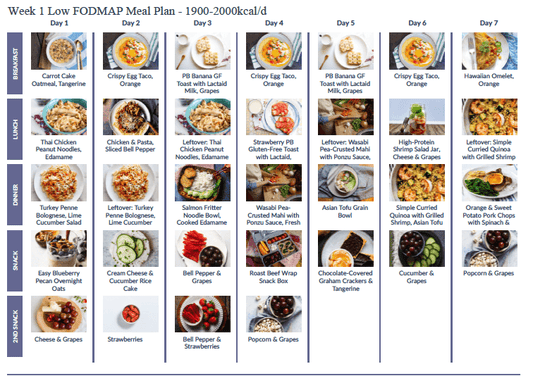
A Simple 3-Day Low FODMAP Reset Menu For GLP-1 Diarrhea
This is a short, practical reset designed for a flare. It's not meant to be a long-term meal plan. Think of it as a calm baseline that helps you identify what your gut can handle right now.
A few notes before you start:
Keep meals small to moderate.
Choose cooked foods over raw.
Avoid stacking multiple "new" items in one meal.
Hydrate steadily across the day.
Day 1: Calm The Gut With Low-Fiber, Easy-Digest Meals
Breakfast: Oatmeal made with water or lactose-free milk, topped with a small banana portion.
Lunch: White rice with grilled or baked chicken and cooked carrots. Use salt and a simple herb seasoning (skip garlic/onion powder).
Dinner: Baked potato with eggs (scrambled or boiled) and a small side of cooked zucchini.
Optional snack (if needed): Rice cakes or lactose-free yogurt if tolerated.
Day 2: Add Soluble Fiber And Protein Without Overdoing Volume
Breakfast: Oats again (keep it boring on purpose), or lactose-free yogurt with a small serving of strawberries.
Lunch: Sourdough toast with a simple tuna or egg salad (use minimal mayo) and cucumber slices.
Dinner: Rice with tofu or turkey and sautéed spinach or zucchini.
Hydration: Add broth or an electrolyte drink (avoid sugar alcohols).
Day 3: Expand Variety And Test One Variable At A Time
Breakfast: Oatmeal or eggs with sourdough.
Lunch: Fish (leaner if you're fat-sensitive) with potatoes and carrots.
Dinner: Rice bowl with chicken or tofu plus one new test item (choose one): a small portion of lactose-free yogurt, a different low-FODMAP fruit, or a slightly larger veggie serving.
If symptoms worsen on Day 3, that's not failure, that's data. Go back to Day 1-style meals for 24 to 48 hours and re-test later, one change at a time.
How To Eat On GLP-1s To Reduce Diarrhea (Beyond Food Lists)
Food lists help, but your eating pattern is often the bigger lever on GLP-1 therapy. Two people can eat the same ingredients and get different outcomes based on meal size, speed, and timing.
Meal Timing, Portion Size, And Chewing: Reducing Gut Load
Three practical rules that tend to help quickly:
Smaller meals beat bigger meals. If you're only hungry twice a day, consider three smaller eating events instead of two larger ones.
Slow down. Chew more than you think you need to. Digestion starts in your mouth, and speed matters when gastric emptying is altered.
Don't "catch up" at night. A large evening meal after a low-intake day is a classic setup for urgency.
Soluble Fiber Strategy: Psyllium, Oats, Chia (When And How Much)
Soluble fiber can help diarrhea by absorbing water and forming a gel-like texture in the gut, which can improve stool consistency.
Options include oats, chia, and psyllium.
The key on GLP-1s is dosing and timing. Too much fiber too fast can worsen symptoms. A common clinical approach is to start low and increase gradually, with plenty of fluids. If you're actively dehydrated or you can't keep fluids down, fiber supplements are not the first move.
Caffeine, Alcohol, And Carbonation: Practical Limits That Help
These can all aggravate diarrhea, especially during a flare:
Caffeine can increase gut motility and urgency.
Alcohol can irritate the gut lining and worsen dehydration.
Carbonation can increase bloating and discomfort.
You don't necessarily need perfection long-term. But during active diarrhea, temporarily reducing or pausing these tends to pay off quickly.
If You're In Perimenopause/Menopause: Hydration, Magnesium, And Constipation-Diarrhea Swings
Hormonal shifts can change bowel patterns. Some women cycle between constipation and diarrhea, especially under stress, with sleep disruption, or when magnesium supplements are added for cramps, sleep, or constipation.
A few practical considerations:
Hydration needs can be higher than you expect, particularly if you're also sweating more (hot flashes, exercise) or eating less.
Magnesium type and dose matter. Some forms (like magnesium citrate) are more likely to loosen stools. If diarrhea is the problem, it's worth reviewing any magnesium products with your clinician.
If you're swinging between constipation and diarrhea, avoid dramatic fiber changes. A steadier soluble fiber routine and consistent fluids often work better than big "cleanse" style adjustments.
When To Call Your Prescriber And What To Ask About
You deserve support for side effects. Diarrhea can be "expected," but it should not be ignored if it's severe, persistent, or causing dehydration.
Red Flags: Dehydration, Blood, Fever, Severe Pain, Rapid Weight Loss, Or Symptoms > 72 Hours
Contact your prescriber promptly or seek urgent care if you have:
Signs of dehydration (dizziness, fainting, very dark urine, inability to keep fluids down)
Blood in the stool or black/tarry stools
Fever
Severe or worsening abdominal pain
Rapid, unintentional weight loss beyond what's expected with reduced intake
Diarrhea that persists longer than about 72 hours, especially if it's frequent or watery
If you're on other medications that affect hydration or electrolytes (like diuretics), the threshold to call should be even lower.
Medication And Dosing Considerations To Discuss (Titration Pace, Timing, Interactions)
Helpful, specific questions to bring to your prescriber:
Is my titration pace too fast for my GI tolerance?
Should we hold at this dose longer before increasing?
Does timing of the injection relative to meals matter for my pattern?
Could any of my other medications or supplements be contributing (metformin, magnesium, antibiotics, sugar alcohol-containing products)?
If I'm using protein shakes or meal replacements, what ingredients should I avoid during a flare?
This isn't about "failing" the medication. It's about matching the protocol to your physiology.
Labs And Checks If Diarrhea Persists (Electrolytes, Thyroid, Gallbladder, Pancreas)
If diarrhea persists or keeps recurring, your clinician may consider:
Electrolytes and kidney function (especially if you're not keeping up with fluids)
Thyroid testing if symptoms suggest thyroid imbalance
Gallbladder evaluation if there's right upper abdominal pain, nausea after fatty meals, or pain radiating to the back
Pancreatic evaluation if there's severe pain, persistent vomiting, or concerning symptoms
The goal is to rule out conditions that need targeted treatment rather than ongoing diet restriction.
Conclusion
GLP-1 diarrhea is common, but it's not something you just have to tolerate. Most of the time, improvement comes from a few high-impact moves: reduce meal size, avoid high-fat loads, eliminate sugar alcohols, and use Low FODMAP foods strategically, especially during dose changes or symptom flares.
If you want a simple way to proceed, start with the 3-day reset menu, stabilize your hydration, and then reintroduce foods one at a time so you can actually learn your triggers instead of guessing.
Digestive discomfort is one of the most common reasons people struggle with GLP-1 medications. Targeted nutrition support can make a real difference in tolerability. Casa de Sante's physician-formulated digestive enzymes, synbiotics, and motility support supplements are designed specifically for sensitive stomachs on GLP-1 therapy. See what's available at casadesante.com.
This article is for educational purposes only and is not medical advice. Always consult your healthcare provider before making changes to your treatment plan.
Frequently Asked Questions about GLP-1 Diarrhea and Low FODMAP Foods
What causes diarrhea when taking GLP-1 medications like semaglutide?
GLP-1 medications slow gastric emptying and alter gut motility, which can create unstable digestion patterns leading to diarrhea. These changes affect gut hormone signals, bile release, and sensitivity to fermentation, making the stool looser for some people.
How can a Low FODMAP diet help manage diarrhea caused by GLP-1 therapy?
A Low FODMAP diet limits fermentable carbs that draw water into the gut and cause fermentation, which reduces diarrhea, bloating, and gas. It calms a sensitive gut during GLP-1 therapy by stabilizing stool consistency and easing digestive symptoms.
Which Low FODMAP foods are recommended for someone experiencing GLP-1 diarrhea?
Recommended foods include gentle carbs like white rice, oats, potatoes, and sourdough bread; lean proteins such as eggs, poultry, fish, and tofu; low FODMAP fruits and vegetables like bananas, strawberries, carrots, and zucchini in moderate portions; and small amounts of oils, lactose-free dairy, and nut butters.
What common foods or habits should be avoided to prevent worsening diarrhea on GLP-1 medications?
Avoid high-fat meals, fried foods, sugar alcohols (found in sugar-free products and protein bars), large portions, rapid eating, and high FODMAP items like onions, garlic, apples, and beans. Also limit caffeine, alcohol, and carbonation during flare-ups.
When should I contact my healthcare provider about diarrhea while on GLP-1 therapy?
Contact your provider if diarrhea lasts more than 72 hours, is severe, or comes with dehydration, blood in stool, fever, severe pain, or rapid unexplained weight loss. Discuss medication dosing, possible interactions, and if additional labs or evaluations are needed.
How should meal timing and portion size be adjusted to reduce diarrhea on GLP-1 medication?
Eating smaller, frequent meals and chewing food thoroughly helps reduce gut load and diarrhea. Avoid large meals, especially after fasting all day, and spread fat intake in small amounts throughout the day for better digestion on GLP-1s.