GLP-1 Diarrhea And Vomiting: Why It Happens And How To Feel Better Faster (2026 Guide)








If you're on semaglutide or tirzepatide and you've had a sudden wave of diarrhea, vomiting, or both, you're not imagining it, and you're not alone. These medications can be life-changing for weight and metabolic health, but the GI side effects can feel personal when you're the one stuck in the bathroom at 2 a.m.
The good news: most GLP-1-related diarrhea and vomiting is predictable, dose-related, and improvable with the right strategy. In this guide, you'll learn why it happens, what your symptom pattern can suggest, what tends to help quickly at home, and when it's important to stop troubleshooting and get same-day care.
Why GLP-1s Can Trigger Diarrhea And Vomiting
GLP-1 receptor agonists (like semaglutide) and dual incretin medications (like tirzepatide, which targets GLP-1 and GIP) work in part by changing how your gut moves and how your brain interprets gut signals. That's great for appetite regulation, but it's also exactly why diarrhea and vomiting can show up.
How Semaglutide And Tirzepatide Affect Gastric Emptying And Gut Signaling
One of the main therapeutic actions of GLP-1 medications is slowing gastric emptying, meaning food leaves your stomach more slowly. In plain English: meals "sit" longer.
That slowdown can:
- Increase nausea by stretching the stomach and amplifying fullness signals
- Trigger vomiting if the stomach is overly distended or irritated
- Create reflux-like symptoms because stomach contents linger longer
- Change downstream motility (how your small intestine and colon move), which can lead to constipation, diarrhea, or an alternating pattern
GLP-1 medications also communicate with the brain's nausea centers through the gut-brain axis. So even when your stomach isn't "full," your nervous system may interpret signals as queasiness, aversion to food, or motion-sickness-like nausea.
Dose Escalation, High-Fat Meals, And Other Common Triggers
Most people don't get hit randomly. Symptoms often flare when your system is under extra "load," such as:
- Dose increases (titration): higher doses have stronger gut effects
- High-fat meals: fat naturally slows stomach emptying: paired with a GLP-1, it can be a perfect storm
- Large portions: volume matters when gastric emptying is delayed
- Alcohol: irritates the stomach lining and worsens dehydration risk
- Very fibrous meals (huge salads, raw cruciferous vegetables): healthy foods, but sometimes too rough during a flare
- Sugar alcohols (common in "keto" snacks): can cause osmotic diarrhea even without GLP-1s
If you've ever thought, "I ate the same thing I always do, why is it wrecking me now?" this is usually the answer: your gut physiology changed.
When Symptoms Are Most Likely: Starting, Titrating, And Restarting After A Break
Timing is a major clue. Diarrhea and vomiting are most likely when:
- You're starting the medication
- You're increasing the dose
- You're restarting after missing doses or taking a break
After a break, your tolerance can reset. Restarting at a dose that used to feel fine can suddenly feel like too much, because your GI tract and nervous system aren't acclimated anymore.
For many people, symptoms lessen over time as your body adapts, especially when dose escalation is gradual and your meals are "GLP-1 friendly."
Diarrhea Vs. Vomiting: What Your Pattern Can Suggest
Not all GI side effects are the same. Paying attention to the pattern (not just the intensity) can help you choose smarter next steps and know when to involve your clinician sooner.
Watery Diarrhea, Urgency, And Cramping
Watery diarrhea with urgency often happens when your intestines move contents through too quickly or pull extra water into the bowel. On GLP-1 therapy, common contributors include:
- A sudden change in what you're eating (more protein shakes, more sugar substitutes, fewer carbs)
- "Reactive" gut motility shifts after constipation
- High-fat or high-sugar meals
- Magnesium-containing supplements (some forms can loosen stool)
Cramping can occur because the colon is contracting harder and faster than usual. If diarrhea is frequent, dehydration becomes the near-term risk.
Nausea With Vomiting, Sulfur Burps, And Reflux-Like Symptoms
Vomiting is more often connected to delayed gastric emptying and upper GI symptoms, including:
- Early fullness after a few bites
- Belching or "sulfur burps" (a rotten-egg smell), which can happen when food sits longer and gases build up
- Heartburn or reflux-like symptoms
This cluster points to stomach-level slowdown more than a colon-level issue. It's also the pattern most likely to worsen after large meals, greasy foods, or eating too close to bedtime.
Constipation-Then-Diarrhea: The "Backup And Flush" Pattern
A very common GLP-1 experience is:
- You slow down (constipation, hard stools, fewer bowel movements)
- Then you suddenly "flush" (loose stools or diarrhea)
This can happen when stool backs up, fluid shifts, and the bowel eventually empties forcefully. People often describe it as unpredictable, fine for days, then an abrupt bad morning.
If you recognize this pattern, focusing only on stopping diarrhea can backfire. The longer-term fix usually involves improving regularity gently (without irritating your gut).
At-Home Relief That Works (Without Undermining Weight Loss)
When you're actively dealing with diarrhea or vomiting, your goal is short-term stabilization: reduce irritation, prevent dehydration, and keep enough nutrition on board to avoid dizziness and weakness.
You don't need a "perfect diet" in a flare. You need a tolerable plan for the next 24 to 72 hours.
Hydration And Electrolytes: Preventing Dehydration And Dizziness
Diarrhea and vomiting pull fluid and electrolytes (especially sodium and potassium) out of your body. That's why you can feel lightheaded, headachy, shaky, or oddly fatigued.
Practical hydration principles:
- Sip, don't chug. Large volumes can trigger more nausea.
- Use oral rehydration solutions or electrolyte beverages, especially if you've had multiple loose stools or vomiting episodes.
- If plain water worsens nausea, try small amounts of electrolyte fluid, ice chips, or diluted options.
If you're on blood pressure medications, diuretics, or have kidney disease, electrolyte choices should be discussed with your clinician.
Food Strategy For The Next 24–72 Hours: Small Portions, Protein, And Low-Irritant Carbs
During a flare, think "small, simple, steady." Your appetite may be low, but going too long without intake can make nausea worse for some people.
Often-tolerated options include:
- Small portions of lean protein (eggs, yogurt if tolerated, poultry, tofu)
- Low-irritant carbohydrates (rice, oats, potatoes, toast)
- Broths and soups (also support hydration)
A GLP-1-specific nuance: prioritize protein in small amounts, because it helps protect lean mass during weight loss, but keep the portion modest. Large protein portions can feel heavy when gastric emptying is slow.
If vomiting is active, start with fluids and bland carbs, then reintroduce protein gradually.
What To Avoid Short-Term: Greasy Foods, Alcohol, Large Salads, And Sugar Alcohols
For 24 to 72 hours, it's reasonable to avoid the usual "healthy but rough" triggers:
- Greasy or fried foods
- Alcohol
- Large raw salads, big servings of cruciferous vegetables, or heavy legumes
- Spicy foods
- Sugar alcohols (sorbitol, xylitol, erythritol), often found in protein bars and "sugar-free" candies
You're not avoiding these forever. You're giving your gut a brief low-friction window to settle down.
OTC Options: What Can Help, What To Skip, And When To Ask A Clinician
Over-the-counter options can help in some cases, but GLP-1 GI side effects are a little different from a one-off stomach bug. The goal is symptom relief without masking a red flag or creating a rebound problem.
Anti-Diarrheals, Anti-Nausea Meds, And Reflux Support
Depending on your symptoms, clinicians may recommend:
- Anti-diarrheals (for example, loperamide) for short-term control when there's no fever or blood and you're not severely ill
- Anti-nausea medications (for example, ondansetron, typically prescription) when nausea/vomiting threatens hydration or daily function
- Reflux support (for example, acid reducers) if heartburn/regurgitation is part of your pattern
Important cautions to discuss with a clinician:
- If you suspect food poisoning or infection (fever, severe body aches, blood in stool), stopping diarrhea can sometimes be the wrong move.
- If you're already trending constipated on GLP-1, anti-diarrheals can worsen the "backup and flush" cycle.
Fiber, Probiotics, And "Gut Soothers": Choosing Options That Are Sensitive-Stomach Friendly
Fiber and probiotics can be helpful, but the form and timing matter.
- Soluble fiber (like psyllium) can sometimes help normalize stool (firmer when loose, softer when hard). But starting too much too fast can increase bloating.
- Probiotics may help some people, especially after infectious diarrhea or antibiotic use, but they can also cause gas in sensitive guts.
- "Gut soothing" agents (like ginger or peppermint) can help nausea for some people, but peppermint may worsen reflux in others.
If your stomach is highly sensitive right now, introduce one change at a time. Otherwise, you won't know what helped, and what made things worse.
Medication Timing Tweaks To Discuss With Your Prescriber
You shouldn't adjust your prescribed GLP-1 regimen on your own, but it's worth discussing timing and titration strategy with your prescriber if symptoms are recurring.
Topics to bring up:
- Whether your dose escalation pace is too aggressive for your GI tolerance
- Whether restarting after missed doses requires a step-down
- Whether the day/time of injection is interacting with your work schedule, sleep, or typical meal pattern
- Whether other medications (metformin, magnesium, antibiotics, NSAIDs) are contributing to diarrhea or nausea
Sometimes the most effective "GI fix" is simply a more gradual titration plan or a short pause, guided by your clinician.
Longer-Term Prevention: Make GLP-1 Side Effects Less Likely
If diarrhea and vomiting keep repeating, you need a prevention plan, not just rescue strategies. The most sustainable approach is to reduce the predictable triggers around injection weeks and build meals your gut can reliably handle.
A Titration-Smart Routine: Eating, Movement, And Sleep On Injection Weeks
Many people notice a rhythm: symptoms peak in the 24–72 hours after an injection (especially early in treatment or after a dose increase).
A titration-smart routine often includes:
- Eating smaller meals on the day of and day after your injection
- Avoiding "special occasion" meals (heavy, fatty, restaurant portions) during your peak-symptom window
- Gentle movement (like walking) to support motility and reduce bloating
- Protecting sleep, because sleep disruption amplifies nausea sensitivity, cravings, and stress hormones
You're essentially working with the medication's curve instead of fighting it.
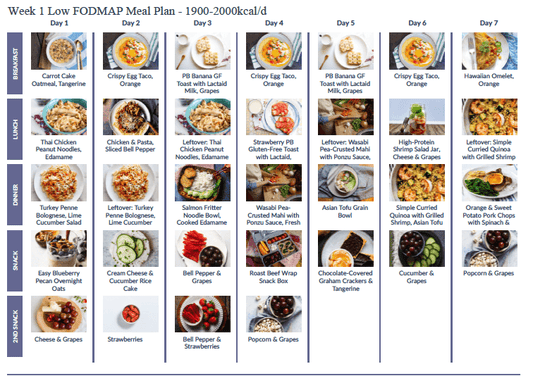
Meal Planning For Sensitive Guts: Low FODMAP Principles And Gentle Protein Choices
If you have IBS tendencies or you're simply reacting to more foods than usual, low FODMAP principles can be a helpful framework. FODMAPs are fermentable carbohydrates that can cause gas, bloating, and diarrhea in sensitive people.
You don't necessarily need a strict elimination diet. Often, the practical win is recognizing a few high-impact triggers during GLP-1 therapy, such as:
- Large servings of onion/garlic
- Certain dairy (if lactose intolerant)
- Sugar alcohols and "diet" products
- Big servings of beans or wheat-based foods when your gut is already slow
Gentle protein choices (and portions) matter too. Many people tolerate:
- Whey isolate or carefully formulated protein powders
- Eggs
- Fish
- Poultry
If protein shakes are part of your plan, choose options that are gut-tolerant and not packed with sugar alcohols, gums that bother you, or high-FODMAP add-ins.
Perimenopause And Menopause Considerations: Hydration, Gallbladder Risk, And Hormone Shifts
If you're in perimenopause or menopause, your baseline physiology can make GI side effects feel more intense.
A few reasons:
- Hydration is easier to underestimate (and hot flashes/night sweats don't help).
- Rapid weight loss can increase gallstone risk, and gallbladder issues can mimic or worsen nausea and vomiting.
- Hormone shifts can change gut sensitivity, sleep quality, and stress response, each of which affects the gut-brain axis.
If you're noticing new upper abdominal pain, nausea that feels different than your typical GLP-1 pattern, or symptoms that escalate with fatty foods, bring gallbladder screening into the conversation with your clinician.
When Diarrhea Or Vomiting Is A Red Flag
Most GLP-1 GI symptoms are uncomfortable but not dangerous. The key is knowing when you've crossed the line from "expected side effect" into "needs medical evaluation."
Signs Of Dehydration Or Electrolyte Imbalance That Need Same-Day Care
Seek same-day care (urgent care or your prescriber's urgent line) if you have symptoms like:
- Feeling faint, confused, or unable to stay upright
- Rapid heartbeat or significant weakness
- Very dark urine or minimal urination
- Inability to keep fluids down for many hours
Dehydration and electrolyte imbalance can escalate quickly, especially if you're also eating very little.
Severe Abdominal Pain, Fever, Blood, Or Black Stools
These are not symptoms to "wait out." Contact a clinician urgently if you develop:
- Severe or worsening abdominal pain
- Fever
- Blood in stool
- Black, tarry stools (which can signal bleeding higher in the GI tract)
Also get evaluated if diarrhea is persistent, profuse, or accompanied by significant systemic symptoms (chills, severe body aches), because infection may be involved.
Rare But Serious GLP-1 Concerns To Rule Out: Pancreatitis, Gallbladder Issues, And Obstruction
Rare but serious conditions can overlap with GLP-1 side effects, which is why red flags matter.
Concerns your clinician may want to rule out include:
- Pancreatitis (classically severe upper abdominal pain that may radiate to the back, often with vomiting)
- Gallbladder disease (right upper abdominal pain, nausea after fatty meals)
- Bowel obstruction or severe ileus (marked abdominal distention, severe pain, inability to pass stool or gas)
These aren't common, but they're important. If your symptoms feel extreme, different from your usual pattern, or progressively worsening, don't self-manage at home.
Working With Your GLP-1 Prescriber: What To Track And What To Ask For
You'll get better care (and faster relief) when you bring specific, trackable information to your prescriber. "I feel sick" is real, but "here's the pattern" is actionable.
A Simple Symptom Log: Dose, Food, Timing, And Stool Pattern
For 2–4 weeks, track:
- Medication name and dose
- Injection day/time
- When symptoms start (hours or day after injection)
- What you ate in the 12–24 hours prior
- Vomiting episodes (how many, and whether you could keep fluids down)
- Stool frequency and type (watery, urgent, cramping, oily, constipation-then-diarrhea)
- Any sulfur burps, reflux, or severe bloating
If you want a simple structure, here's an easy table format you can copy into your notes app:
Date | GLP-1 dose/time | Meals (notable triggers) | Nausea/vomiting (Y/N, count) | Stool pattern | Hydration/urination | Notes
Patterns show up quickly when you write them down.
Labs And Tests If Symptoms Persist: Thyroid, Gallbladder, Infection, And Gut Workups
If symptoms are persistent, severe, or atypical, your clinician may consider:
- Basic labs to assess hydration status and electrolytes
- Thyroid testing when symptoms or weight changes don't fit the expected course
- Gallbladder evaluation if pain/nausea is meal-related (especially after fatty foods)
- Stool testing if infectious diarrhea is possible
- Additional GI evaluation if there are alarm symptoms or prolonged intolerance
This is also where your personal history matters: prior IBS, reflux, gallstones, bariatric surgery, or medication sensitivities can change the differential diagnosis.
How To Decide: Hold A Dose, Step Back A Dose, Or Switch Molecules
Decisions about holding, reducing, or switching should be clinician-guided. But it helps to understand the logic.
Common clinician strategies include:
- Holding escalation until symptoms stabilize
- Stepping back to the last tolerated dose if side effects are consistently disruptive
- Restarting more conservatively after missed doses
- Considering a switch (for example, switching molecules or formulations) when GI intolerance persists even though careful titration and dietary adjustments
The goal is tolerability with momentum. If your GI symptoms are so severe that you can't hydrate, can't eat, or dread every injection day, that's a signal your plan needs adjustment, not that you're "failing" the medication.
Conclusion
GLP-1 diarrhea and vomiting can feel sudden, intense, and discouraging, but in many cases, they follow a recognizable pattern: slowed gastric emptying, dose-related sensitivity, and meal-triggered flares. When you respond early (hydration, simpler meals, and smart avoidance of common triggers), most episodes become shorter and easier to manage.
If symptoms keep recurring, don't tough it out in silence. A symptom log plus a thoughtful prescriber conversation can often uncover a fix, slower titration, timing adjustments, reflux support, or a different approach that keeps you progressing without constant GI setbacks.
GI side effects don't have to be the price of admission for GLP-1 therapy. Casa de Sante offers physician-formulated gut support products built for the specific digestive challenges these medications create. Explore your options at casadesante.com.
This article is for educational purposes only and is not medical advice. Always consult your healthcare provider before making changes to your treatment plan.
Frequently Asked Questions About GLP-1 Diarrhea and Vomiting
Why do GLP-1 medications like semaglutide cause diarrhea and vomiting?
GLP-1 medications slow gastric emptying and alter gut motility, causing food to stay longer in the stomach and triggering nausea centers in the brain. This leads to symptoms like diarrhea, vomiting, nausea, and sometimes constipation.
When are diarrhea and vomiting most likely to occur during GLP-1 treatment?
Symptoms such as diarrhea and vomiting commonly appear when starting GLP-1 therapy, during dose escalation, or when restarting after a break. High-fat meals and large portions can also worsen these side effects.
What can I do at home to relieve GLP-1-related diarrhea and vomiting?
Stay hydrated with electrolyte drinks, eat small portions of lean protein and low-irritant carbohydrates, avoid greasy foods, alcohol, large salads, and sugar alcohols. Over-the-counter anti-diarrheals or anti-nausea meds may help but discuss with your healthcare provider first.
How can I prevent recurring gastrointestinal side effects while on GLP-1 medication?
Prevention includes slow dose titration, following a low-FODMAP diet, maintaining consistent eating, gentle movement, and good sleep. Discuss any persistent symptoms with your provider to adjust your treatment plan if needed.
When should I seek medical care for diarrhea or vomiting while taking GLP-1 drugs?
Seek urgent care if you have signs of dehydration (faintness, rapid heartbeat), severe abdominal pain, fever, blood or black stools, or if symptoms are persistent and severe. These could indicate serious conditions like pancreatitis or gallbladder issues.
Can dose adjustments or medication switches help manage GLP-1 side effects?
Yes, working with your prescriber to hold dose increases, step back to a tolerated dose, restart slowly after missed doses, or switch medications can improve tolerability and reduce GI symptoms without stopping therapy.