GLP-1 Collagen Peptides: Gut-Gentle Ways To Support Protein, Skin, And Digestion








GLP-1 meds can make your usual protein shake feel… not so friendly. If semaglutide or tirzepatide has you dealing with nausea, reflux, or "I'm full after three bites," gut gentle collagen peptides can be a smart, low-drama way to keep protein support on board, without picking a fight with your stomach.
Why GLP-1 Medications Can Make Protein And Supplements Harder To Tolerate
If you're on a GLP-1 medication (like semaglutide or tirzepatide), your digestion is operating under a different set of rules. The goal, better appetite control and blood sugar regulation, often comes with a very real trade-off: foods and supplements that used to feel easy can suddenly feel heavy, nauseating, or reflux-triggering.
The tricky part is that protein needs often go up during weight loss (especially if you want to protect lean mass), while your tolerance for dense protein can go down. That's why "gut gentle" isn't just a marketing phrase in the GLP-1 world: it's a practical requirement.
How Slower Gastric Emptying Affects Fullness, Nausea, And Reflux
GLP-1 agonists slow gastric emptying, your stomach empties into your small intestine more slowly. That's a big reason you feel full sooner and stay full longer.
But slower emptying can also mean:
- Food sits in your stomach longer, which can increase queasiness (especially after larger portions).
- Reflux/GERD can flare, because a fuller stomach for longer can increase pressure and the chance of acid moving upward.
- Thicker, heavier drinks (think creamy shakes with lots of extras) may feel "stuck," which is a fast track to nausea.
This is why some people on GLP-1s start avoiding protein shakes altogether, then wonder why they're feeling weaker, losing muscle, or struggling with hair shedding later.
Common GI Side Effects That Change What "Gut Gentle" Means
On GLP-1 therapy, "gut gentle" usually stops meaning "tastes light" and starts meaning low-trigger, low-additive, easy to digest.
Common side effects that reshape your supplement choices include:
- Nausea (often worsened by strong flavors, sweetness, and rich textures)
- Bloating and gas (often worsened by sugar alcohols, fibers like inulin, or certain gums)
- Constipation (common with appetite reduction + lower food volume + dehydration)
- Reflux/heartburn (worsened by high-fat mixes, acidic drinks, and large volumes at once)
So if you're searching for glp-1 collagen peptides gut gentle options, the bar is higher: it's not just about collagen, it's about everything that comes with it (sweeteners, flavors, fibers, and thickening agents).
What Collagen Peptides Are (And Aren’t) For GLP-1 Users
Collagen peptides can be a genuinely helpful tool while you're losing weight on GLP-1s, but only if you're clear on what they can do (and what they can't).
Think of collagen as supportive protein, not your primary protein strategy.
Collagen Vs. Complete Protein: Amino Acids, Leucine, And Muscle Support
Collagen peptides are made from collagen (typically bovine or marine sources) that's been hydrolyzed, broken into smaller peptides, so it dissolves easily and digests more smoothly.
Here's the key GLP-1-friendly truth: collagen is not a complete protein.
- Collagen is rich in glycine and proline (great for connective tissue support).
- Collagen is low in leucine and doesn't contain the full spread of essential amino acids the way whey, eggs, meat, soy, or a balanced plant blend does.
Why does leucine matter? Leucine is one of the main amino acids involved in triggering muscle protein synthesis. If your goal is preserving or building lean mass while appetite is suppressed, complete proteins generally do the heavy lifting.
So where does collagen fit? It can help you:
- Add some easy protein when regular foods feel impossible
- Support skin/joint/connective tissue needs during weight loss
- Avoid the GI chaos that some richer protein powders can cause
But if collagen is your main daily protein source, you may accidentally undercut your lean-mass goals.
Potential Benefits People Want: Skin, Hair, Nails, Joints, And Satiety
Most people reach for collagen peptides on GLP-1s for very practical reasons, especially during rapid weight loss.
Common goals include:
- Skin support (elasticity and "crepey" feel concerns)
- Hair and nails support (especially if you're seeing shedding)
- Joint comfort (connective tissue support)
- Satiety (a small protein bump can help some people feel steadier)
A subtle benefit: collagen peptides are often lighter and less sensory-intense than a thick whey shake. When nausea is your limiting factor, that matters.
If you want to make collagen part of a GLP-1 plan, a good approach is: use collagen for support, and keep a separate plan for complete protein (even if that's smaller, more frequent doses).
What “Gut Gentle” Collagen Peptides Really Means
"Gut gentle" gets thrown around a lot. On GLP-1s, it should mean something specific: a collagen that's easy to dissolve, easy to digest, low in common GI triggers, and unlikely to worsen nausea, reflux, bloating, or constipation.
In other words, your best collagen choice is often the one with the least personality.
Hydrolyzed Collagen, Osmolality, And Why Some Powders Trigger Symptoms
Most collagen peptides are hydrolyzed, but the rest of the formula determines whether your stomach likes it.
Two practical ideas matter here:
- Hydrolyzed = smaller pieces, usually easier to break down
- Osmolality = how concentrated a solution is, which can affect how your gut handles it
When a powder is loaded with extras, sweeteners, fibers, sugar alcohols, "functional" add-ins, it can create a more irritating experience for a stomach already dealing with slower emptying.
Many GLP-1 users do better with a simpler collagen because it tends to be:
- Less "heavy" in the stomach
- Less likely to ferment and cause gas
- Less likely to trigger that immediate "nope" nausea response
Common Additives That Upset Sensitive Stomachs (Sweeteners, Gums, Inulin)
If you've ever tried a "delicious" flavored collagen and felt betrayed 30 minutes later, check the ingredient list. The usual suspects include:
- Sugar alcohols (like erythritol, xylitol, sorbitol): can cause gas/diarrhea/bloating in sensitive people
- High-intensity sweeteners (like sucralose or stevia): tolerated by many, but can worsen nausea for some when you're already queasy
- Inulin/chicory root fiber: can be very gassy (especially if you're prone to IBS-type symptoms)
- Gums and thickeners (xanthan gum, guar gum): sometimes fine, sometimes bloat city, especially when gastric emptying is slowed
On GLP-1s, the cost of "tastes like dessert" is often "feels like regret."
Low-FODMAP Considerations For Collagen And Flavor Systems
If you're sensitive to FODMAPs (or you're noticing GLP-1 bloating that feels IBS-adjacent), consider choosing collagen peptides that align with low FODMAP principles.
Collagen itself is typically FODMAP-friendly, but flavored products can sneak in FODMAP triggers through:
- Certain fibers (inulin/chicory)
- "Natural flavors" paired with polyols or concentrated fruit systems
- Added prebiotics or sugar alcohols
If you want a practical shortcut: go unflavored, then add your own low-FODMAP flavoring in tiny amounts (like cinnamon, vanilla extract, or a small portion of a tolerated fruit). That gives you control, which is basically the whole game when you're trying to keep things gut gentle.
If you're looking for GLP-1-aware digestive support more broadly (beyond collagen), Casa de Sante's focus on low-FODMAP-friendly approaches and sensitive-stomach formulations can be useful as you troubleshoot what actually works for you day to day.
How To Choose Collagen Peptides If You’re On Semaglutide Or Tirzepatide
When you're on GLP-1s, choosing collagen is less about the prettiest label and more about minimizing variables. You want a product you can take even on the days your stomach is touchy.
A Simple Label Checklist: Ingredients, Serving Size, And Protein Per Scoop
Use this quick checklist before you buy:
- "Hydrolyzed collagen peptides" as the main (or only) ingredient
- 10–20 g collagen per serving (many people start lower, but it's a good reference range)
- Protein per scoop clearly listed (avoid "proprietary blend" vagueness)
- No added fibers (especially inulin/chicory) if you're prone to gas/bloating
- No sugar alcohols if you're sensitive
- Ideally third-party tested or from a brand with transparent quality practices
If you're comparing options, don't get distracted by "extra" add-ons (adaptogens, MCT oil powder, greens, prebiotics). Those can be fine for someone else. For you, they're often just more ways to trigger nausea.
Unflavored Vs. Flavored: When Simpler Is Better For Nausea And Bloating
If nausea is one of your main GLP-1 side effects, unflavored collagen is usually the safest bet.
Why?
- Strong sweetness can be nauseating when your appetite is already suppressed
- Chocolate/coffee flavors can be acidic or rich
- Flavor systems often require extra ingredients (sweeteners, gums)
Unflavored collagen disappears best in:
- Warm (not boiling) tea
- Oatmeal or cream of rice
- Lactose-free milk or a simple protein-friendly smoothie (kept small)
If you love flavored collagen, pick one with a short ingredient list and test it on a low-symptom day, starting with half a serving.
Allergens And Dietary Fits: Bovine, Marine, And Egg-Based Collagen
Most collagen peptides come from:
- Bovine collagen: common, typically neutral taste, often Type I/III
- Marine collagen: often finer texture, can have a slight taste: watch fish allergens
- Eggshell membrane collagen: less common: different profile, but can be an option if you avoid bovine/fish
Pick based on your dietary needs and tolerances:
- If you have a fish allergy, skip marine collagen.
- If you keep kosher/halal or avoid beef products, look for certifications or alternative sources.
- If you're sensitive to smells/taste (common with nausea), you may prefer a brand known for minimal odor.
And one more note: collagen is protein, but it's still a supplement. If you have multiple intolerances, simpler is almost always better.
How To Take Collagen Peptides Without Worsening GLP-1 Side Effects
Even the cleanest collagen can backfire if you take it in a way that clashes with GLP-1 physiology. The goal is to keep the dose small enough, and the mix gentle enough, that your stomach doesn't revolt.
Start Low And Go Slow: Timing, Dose Splitting, And Mixing Tips
If you're new to collagen peptides (or newly on a GLP-1), treat it like a tolerance experiment.
Try this progression:
- Start with ~5 g per day (about half a scoop for many brands)
- Split the dose (2.5 g morning, 2.5 g later) if fullness/nausea is an issue
- Increase gradually toward 10–20 g/day only if you're tolerating it well
Mixing tips that help on GLP-1s:
- Use smaller drink volumes (chugging a huge bottle can worsen reflux)
- Mix thoroughly to avoid clumps (clumps can be oddly nauseating)
- Consider warm liquids if cold drinks feel harsh on your stomach
Timing-wise, many people do best taking collagen between meals or with a light, bland snack, rather than immediately after a full meal, when gastric emptying is already slowed.
Best Pairings For Tolerance: Low-Acid, Low-Fat Options And Warm Liquids
Pair collagen with foods/drinks that don't trigger reflux or nausea.
Often-tolerated options include:
- Warm herbal tea (ginger or peppermint can help some people, but peppermint can worsen reflux in others)
- Oatmeal, cream of rice, or grits
- Lactose-free milk or an unsweetened plant milk you tolerate
- A small smoothie built on low-acid ingredients (skip citrus, go easy on berries if they trigger you)
What tends to be rough on GLP-1 bellies:
- Very fatty mixes (heavy cream, lots of nut butter, MCT oil)
- Very acidic beverages (orange juice, lemonade)
- Huge "kitchen sink" smoothies with greens, seeds, fibers, and collagen all at once
Hydration And Electrolytes: Preventing Constipation And Headaches
Constipation is one of those GLP-1 side effects that can sneak up on you, especially when you're eating less volume.
Collagen itself isn't usually the cause, but if adding collagen means you're replacing fluids or skipping your usual hydrating foods, things can slow down.
A few strategies that actually help:
- Aim for steady hydration across the day (not a big late-night catch-up)
- Include electrolytes if you're prone to headaches, lightheadedness, or you're drinking lots of plain water
- Keep fiber "gentle" (some people do better with kiwi, oats, or chia in small amounts, others can't tolerate added fibers at all)
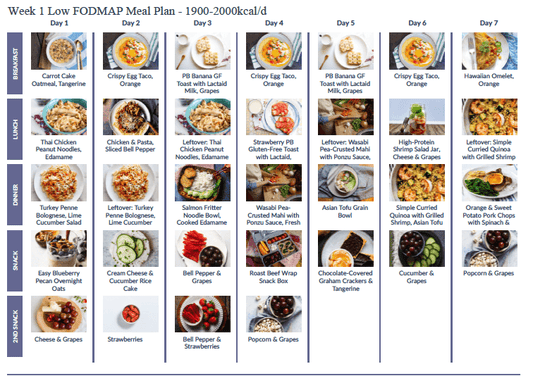
If you're using GLP-1-focused digestive tools, like low-FODMAP meal plans or gut-sensitive supplement routines, this is where a structured approach can make a noticeable difference. Casa de Sante's ecosystem (meal plans + digestive health solutions designed for sensitive stomachs) can be useful if you're stuck in the cycle of trial-and-error.
Collagen Peptides For Midlife Women On GLP-1s: Special Considerations
If you're a woman in your late 30s, 40s, or 50s, GLP-1 weight loss isn't happening in a vacuum. Perimenopause and menopause shift your muscle, bone, and connective tissue priorities, and they can change what "success" looks like.
Perimenopause/Menopause: Protein Needs, Bone Support, And Body Composition
During perimenopause and menopause, you're already more vulnerable to:
- Loss of lean mass (sarcopenia risk rises with age)
- Bone density decline
- Body composition changes even when the scale doesn't move much
Add GLP-1 appetite suppression, and it can become surprisingly easy to undereat protein.
Collagen can be a helpful add-on, especially for connective tissue support, but it shouldn't crowd out complete proteins.
A practical target many clinicians use for midlife body composition support is higher protein intake, often around 1.2 g/kg/day (individual needs vary). If that number feels intimidating on GLP-1s, your strategy becomes "smaller, more frequent, more tolerable" protein, rather than "one giant shake."
Collagen can fit in as one of those smaller steps.
Hair Shedding And Rapid Weight Loss: What Collagen Can And Can't Fix
Hair shedding during rapid weight loss is common and frustrating. Sometimes it's tied to:
- Lower total calories
- Lower protein intake
- Low iron or ferritin
- Thyroid changes
- Stress and the normal lag cycle of hair growth (telogen effluvium)
Collagen may support hair structure for some people, but it's not a magic switch.
If you're shedding, prioritize:
- Adequate total protein (not just collagen)
- Key labs if indicated (iron/ferritin, thyroid, vitamin D, B12, guided by your clinician)
- A plan you can stick with for months, not days
In other words: collagen can be part of the support team, but it can't replace the fundamentals, especially in midlife, when preserving muscle and supporting bone deserve just as much attention as the scale.
When To Prioritize Complete Protein Over Collagen
Collagen peptides are useful, but there are times when they're simply not the priority. If your main risk on GLP-1s is under-protein intake, collagen alone won't cover you.
Red Flags For Under-Protein Intake On GLP-1s
If you notice any of these, it's a sign to focus on complete protein first:
- You're regularly getting far below your protein target (many people unintentionally do)
- You feel weaker in workouts or daily tasks
- You're losing weight fast and suspect lean mass loss (clothes fit "softer," strength drops)
- You're struggling with persistent hunger later in the day (sometimes linked to low protein)
- Your hair shedding is ramping up and your overall intake is low
Collagen can still be included, but it shouldn't be the only protein supplement in the picture.
Gut-Gentle Alternatives: Whey Isolate, Lactose-Free Options, And Plant Blends
If whey concentrate makes you bloated or nauseated, you still have options.
More gut-friendly complete proteins to try include:
- Whey isolate (typically lower lactose: often better tolerated than concentrate)
- Lactose-free dairy-based shakes if lactose is the issue
- Plant blends (pea + rice, for example) that provide a more complete amino acid profile
The GLP-1-specific trick is to keep it simple:
- Avoid huge servings
- Skip fiber-loaded "all-in-one" powders
- Choose mild flavors or unflavored
- Test tolerance at half-servings
If your stomach is extremely sensitive, you may do best alternating: collagen on rough days, complete protein on better days, and whole-food protein in small portions whenever you can.
When To Talk To A Clinician Or Dietitian
GLP-1 side effects are common, but you shouldn't have to white-knuckle them. If symptoms are persistent or escalating, it's time to bring in professional support, especially if you're struggling to eat enough protein.
Persistent GI Symptoms, GERD, Or Suspected Intolerances
Talk to a clinician or registered dietitian if you have:
- Ongoing nausea that limits food most days
- Worsening GERD/reflux or new reflux symptoms
- Recurrent vomiting
- Significant bloating, diarrhea, or constipation that doesn't respond to basic changes
- Suspected intolerances to sweeteners, dairy, or FODMAPs
A dietitian can help you build a protein plan that fits your medication reality (smaller doses, symptom-aware timing, low-FODMAP approaches if needed), rather than pushing generic advice that doesn't work on GLP-1 physiology.
If you're exploring testing or a structured IBS-style approach, Casa de Sante's focus areas, digestive health, low FODMAP tools, and gut-friendly supplement options, can be a helpful starting point for organizing your next steps.
Kidney Disease, Pregnancy, Or Complex Medication Plans
Get personalized guidance before increasing protein or adding supplements if you:
- Have kidney disease or reduced kidney function
- Are pregnant, trying to conceive, or breastfeeding
- Have complex medication plans or multiple conditions that change nutrition needs
Supplements seem simple until they're not. A quick check-in can prevent weeks of discomfort, or the wrong strategy entirely.
Conclusion
If you're on semaglutide or tirzepatide, "gut gentle" isn't a nice-to-have, it's how you stay consistent. The right collagen peptides can be a low-effort way to support connective tissue, skin, and a bit of extra protein when full meals feel impossible.
But keep the hierarchy straight: collagen supports your plan: complete protein protects your muscle.
Choose a simple, low-additive collagen, start with a small dose, and mix it in ways that don't poke your nausea or reflux. And if GI symptoms are persistent or your intake is slipping, loop in a clinician or dietitian sooner rather than later, because feeling better usually starts with a plan that fits your actual day, not the perfect one on paper.
Frequently Asked Questions (FAQs) About GLP-1 Collagen Peptides That Are Gut Gentle
What does “GLP-1 collagen peptides gut gentle” actually mean?
For GLP-1 users, “gut gentle” should mean hydrolyzed collagen peptides that dissolve easily, feel light in the stomach, and avoid common triggers like sugar alcohols, inulin/chicory fiber, gums, and intense sweeteners. A simpler, low-additive formula is less likely to worsen nausea, reflux, bloating, or constipation.
Why do GLP-1 meds (semaglutide or tirzepatide) make protein shakes harder to tolerate?
GLP-1 medications slow gastric emptying, so food and thicker drinks sit in the stomach longer. That can increase early fullness, nausea, and reflux/GERD—especially with large, rich shakes. Many “healthy” powders also add fibers, sweeteners, and thickeners that can ferment or irritate, making symptoms worse.
Are collagen peptides a complete protein for GLP-1 users trying to protect muscle?
No. Collagen peptides are supportive protein but not a complete protein because they’re low in leucine and lack the full essential amino acid profile. They can help you add easy protein and support skin/joints during GLP-1 weight loss, but you’ll still want leucine-rich complete proteins for muscle preservation.
How do I choose the best gut gentle collagen peptides while on semaglutide or tirzepatide?
Look for “hydrolyzed collagen peptides” as the main (ideally only) ingredient, with clear protein grams per scoop (often 10–20 g per serving). Prefer unflavored, low-osmolality formulas without inulin/chicory, sugar alcohols, gums, or “kitchen sink” add-ins. Also check bovine vs. marine allergens and quality testing.
How should I take collagen peptides on GLP-1s without worsening nausea or reflux?
Start low (around 5 g/day) and increase slowly only if tolerated. If fullness or nausea is an issue, split doses and use smaller drink volumes to reduce reflux risk. Mix well to avoid clumps, and try warm, low-acid, low-fat pairings like tea, oatmeal, or lactose-free milk instead of large, rich smoothies.
Do collagen peptides help with hair shedding during GLP-1 weight loss?
They may support hair structure for some people, but they won’t fix shedding if the root cause is low overall protein, low calories, iron/ferritin issues, thyroid changes, or stress (telogen effluvium). Use collagen as an add-on, not the main protein strategy, and consider clinician-guided labs if shedding is significant.