GLP-1 Body Recomposition For Women: A Practical 12-Week Protocol To Keep Muscle While Losing Fat (2026)








If you're on semaglutide, tirzepatide, or another GLP-1 medication, the scale can drop fast. And that's the problem.
Fast weight loss isn't automatically "better" weight loss. On GLP-1s, a meaningful portion of the weight you lose can come from lean mass (muscle and the water stored with it) if you're not deliberate. Many analyses estimate roughly 25–40% of total weight loss on GLP-1 therapy may be lean mass without targeted countermeasures like adequate protein and resistance training.
This GLP-1 body recomposition protocol female readers can actually use is built for real life: reduced appetite, occasional nausea, constipation, perimenopause sleep issues, and the "I can't look at another chicken breast" week. The goal is simple: reduce body fat (including visceral fat) while protecting or building skeletal muscle so you feel strong, capable, and metabolically resilient, not just smaller.
What “Body Recomposition” Really Means On GLP-1s
Body recomposition means you're changing what your body is made of: less fat mass, more (or at least preserved) lean mass. On GLP-1s, this matters because appetite suppression can unintentionally drive your protein and total calories too low, exactly the combination that increases muscle loss risk.
For women, especially 35–55, recomp is more than aesthetics. Muscle is your "metabolic savings account." It supports insulin sensitivity, resting energy expenditure, bone health, posture, balance, and long-term independence. And during perimenopause/menopause, when estrogen declines and muscle is harder to maintain, it's even more protective.
Fat Loss vs. Scale Weight: What To Track Instead
If you only track scale weight, you can miss the whole point. The scale can fall because:
- you lost fat (great)
- you lost muscle (not great)
- you lost water/glycogen (neutral, often early)
Better weekly metrics for GLP-1 body recomposition:
- Waist circumference (taken at the same spot each time, relaxed, exhale normally)
- Hip circumference (optional, helpful for body shape changes)
- Progress photos (same lighting, same pose, every 2–4 weeks)
- Strength numbers (how many reps or what load you can lift)
- A body composition estimate (DEXA, BodPod, or a consistent bioimpedance scale)
A healthy body fat percentage range for many women is often cited around 18–28%, but context matters: your age, athletic background, hormones, and how you feel day-to-day all count.
Why Muscle Loss Risk Is Higher With Reduced Appetite
GLP-1 medications slow gastric emptying (food moves through your stomach more slowly) and reduce appetite signals. That helps with weight loss, but it can also mean:
- You unintentionally under-eat protein
- You skip meals (or take just a few bites)
- Training recovery suffers because total fuel is too low
In a calorie deficit, your body pulls energy from multiple sources. Without enough protein and resistance training, it's more likely to borrow from muscle. The good news: muscle loss is not inevitable on GLP-1s, it's a predictable risk you can plan around.
Who This Protocol Is For (And When To Get Medical Oversight)
This is designed for women using GLP-1 therapy who want fat loss with strength, shape, and healthspan in mind. It's not a bodybuilding plan. It's a "keep your metabolism and your back happy" plan.
Ideal Candidates: Women 35–55, Including Perimenopause/Menopause
You're a great fit for this 12-week approach if you:
- Are on a GLP-1 (or starting soon) and want to preserve muscle
- Notice your appetite is low enough that protein is slipping
- Are in perimenopause/menopause and feel like your body composition changed "overnight"
- Want structure that's realistic with fatigue, travel, and busy weeks
Hormone shifts don't cause weight gain by magic, but they do change the playing field: sleep often worsens, stress reactivity increases, and strength can decline if training isn't intentional. A recomp mindset keeps the focus on what you can control.
Red Flags: Rapid Weight Loss, Low Energy, Or GI Symptoms That Limit Intake
Get medical oversight (or escalate it) if any of these are happening:
- Rapid weight loss (especially above about 1% of body weight per week for multiple weeks)
- Persistent low energy, dizziness, or weakness that's new for you
- Ongoing nausea, vomiting, reflux, constipation, or diarrhea that limits intake
- Signs you're not meeting basic nutrition (hair shedding, brittle nails, frequent headaches, disrupted sleep)
Sometimes the fix is nutrition and training. Sometimes it's dose timing, titration pace, medication choice, or evaluating other issues (iron deficiency, thyroid disease, perimenopause management, etc.). You don't have to guess.
Step 1: Set Your Targets (Calories, Protein, Training, And Rate Of Loss)
Before you change workouts or buy a new protein powder, set targets that make sense for GLP-1 physiology: lower appetite, slower stomach emptying, and higher risk of under-recovery.
Protein Target For Women On GLP-1s (And How To Hit It With Low Appetite)
A practical target for many women on GLP-1s is about 100 grams of protein per day, usually easiest as 25–30 grams per meal across 3–4 eating moments.
What 25–30 grams can look like when appetite is low:
- Greek yogurt + a scoop of protein powder stirred in
- 4–5 oz fish or chicken (if you can tolerate it)
- Tofu/tempeh portion plus a high-protein side
- A gut-tolerant whey or vegan protein shake
Two key tactics that work well on GLP-1s:
- Protein-first order: take a few bites/sips of protein before higher-fat or higher-fiber foods. This can help you get protein in before fullness hits.
- Minimum viable protein: on "nausea days," aim for a floor (for example 60–80g) rather than quitting the day entirely. You're playing the long game.
Calorie Floor, Safe Rate Of Loss, And "Diet Break" Triggers
You don't need extreme restriction to lose fat on GLP-1 therapy, and extremes increase muscle loss risk.
General guardrails:
- Aim for a weekly loss rate around 0.5–1% of body weight.
- Maintain a calorie floor that supports training and basic nutrition. The exact number depends on your body size, activity, and medical context, so consider working with your clinician or dietitian if you're unsure.
Diet break triggers (signals you may need a short period of higher intake or maintenance calories):
- Strength is dropping across multiple workouts
- Sleep quality is deteriorating
- Resting heart rate is rising, or you feel "wired but tired"
- Constipation worsens as intake drops
- You feel cold all the time, unmotivated, or unusually irritable
A diet break doesn't mean abandoning progress. It means protecting the engine so fat loss stays sustainable.
Strength Training Minimum Effective Dose For Recomp
For body recomposition, resistance training is non-negotiable, because it's the stimulus that tells your body, "Keep this muscle."
Minimum effective dose for many women:
- 2 strength sessions per week
- Emphasis on big movement patterns: squat/lunge, hinge, push, pull, carry
- Progressive overload over time (a little more weight, a few more reps, or better technique)
If you can do 3 sessions weekly, even better. But consistency beats perfection here.
Step 2: The 12-Week GLP-1 Recomp Training Plan
This is a simple, joint-friendly, progressive plan designed for the most common GLP-1 reality: you're not always fueled like you used to be. The goal is to train hard enough to signal muscle retention, not so hard that you crash.
You'll rotate 2–3 full-body strength sessions per week. If you're new to lifting, start with 2. If you're experienced and recovering well, use 3.
Weeks 1–4: Build Consistency And Protect Joints
Focus: movement quality, controlled reps, and building the habit.
Twice-weekly template (example):
Workout A
- Squat pattern: goblet squat or sit-to-stand (3 sets of 8–12)
- Push: incline push-ups or dumbbell bench (3 sets of 8–12)
- Pull: cable row or dumbbell row (3 sets of 8–12)
- Core: dead bug or plank (2–3 sets)
Workout B
- Hinge: Romanian deadlift with dumbbells or hip hinge drill (3 sets of 8–12)
- Push: overhead press (2–3 sets of 8–12)
- Pull: lat pulldown or band pulldown (3 sets of 8–12)
- Carry: farmer carry (2–3 short walks)
Keep 2–3 reps "in the tank" most sets. You should finish feeling worked, not wrecked.
Weeks 5–8: Progressive Overload With 2–4 Lifts That Matter Most
Focus: get stronger on a handful of high-return lifts.
Pick 2–4 primary lifts to track (examples):
- Goblet squat or leg press
- Romanian deadlift or hip thrust
- Dumbbell bench or push-up variation
- Row or lat pulldown
Progressive overload options (choose one per week):
- Add 2.5–5 lb to a lift
- Add 1–2 reps per set (until you hit the top of your range, then add weight)
- Add one additional set (if recovery is good)
This phase is where recomposition momentum builds, because strength is a leading indicator you're preserving lean tissue.
Weeks 9–12: Intensification, Deloading, And Performance Benchmarks
Focus: slightly heavier work, then a planned deload so you don't accumulate fatigue.
Structure suggestion:
- Weeks 9–10: slightly heavier loads, lower reps (6–10 range on main lifts)
- Week 11: deload (reduce weight by ~10–20% and/or cut sets in half)
- Week 12: benchmark week
Benchmarks to consider:
- Can you do more reps at the same weight than Week 1?
- Are you lifting heavier with good form?
- Is your waist smaller while strength is stable or improving?
That combination is the "recomp win" on GLP-1s.
Cardio And NEAT: The Sweet Spot That Won't Cannibalize Recovery
Cardio is useful for heart health, mood, and insulin sensitivity. But if you go too aggressive while under-eating, recovery can suffer.
A sweet spot for many women:
- 150 minutes per week of moderate-intensity aerobic movement (brisk walking counts)
- Plus daily NEAT (non-exercise activity thermogenesis): steps, errands, standing, light movement breaks
If your legs feel heavy, sleep worsens, or strength is sliding, don't assume you need more cardio. Often you need more recovery, more protein, or a slightly higher calorie intake.
Step 3: Nutrition For Recomp With GLP-1 Side Effects In Mind
Nutrition on GLP-1 therapy is different, not because you "lack willpower," but because fullness hits earlier and GI tolerance can change week to week. Your plan needs built-in flexibility.
Meal Timing And Protein Distribution (Including A "Protein-First" Order)
Most women do better with smaller, protein-forward meals rather than one or two large meals they can't finish.
Practical structure:
- 3 meals + 1 protein snack, or 2 meals + 2 protein snacks
- 25–30g protein per eating moment when possible
Use the protein-first order:
- Protein (a few bites/sips)
- Produce or carbs (as tolerated)
- Fats and higher-fiber foods last (they slow stomach emptying further and can worsen nausea/fullness)
If nausea is an issue, room-temperature or cold protein options (yogurt, shakes, smoothies) are sometimes easier than hot, strong-smelling foods.
Fiber, FODMAPs, And Constipation: A Gut-Friendly Progression
Constipation is one of the most common GLP-1 side effects because gastric emptying slows and total food volume may drop.
A gut-friendly progression (especially if you're prone to IBS symptoms):
- Start with soluble fiber you tolerate (for many people: psyllium in small doses, oats, chia)
- Add fiber gradually, not all at once
- If bloating spikes, consider whether high-FODMAP foods (like certain beans, onions/garlic, or large amounts of some fruits) are contributing
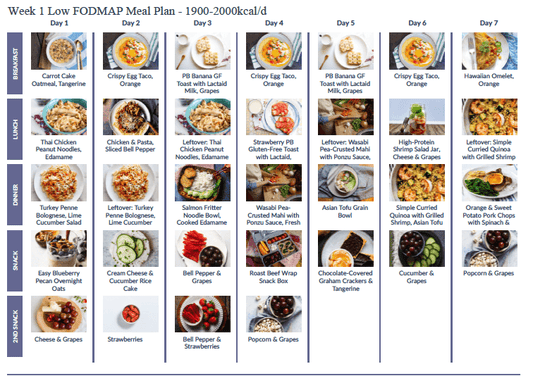
This is where a low FODMAP framework can be helpful for some people: it's not "forever," but it can reduce symptom noise so you can keep eating enough to train.
Hydration And Electrolytes To Reduce Nausea, Fatigue, And Headaches
On GLP-1s, low intake often means low fluid and low sodium by accident. Dehydration can show up as:
- Headaches
- Fatigue
- Constipation
- Lightheadedness
- Worse nausea
Aim for consistent hydration across the day. Many people also feel better with electrolytes (especially sodium), particularly if you're eating much less than usual or sweating with exercise. If you have blood pressure, kidney, or heart conditions, confirm electrolyte targets with your clinician.
Fat And Carb Targets For Hormone Support, Training, And Sleep
You don't need ultra-low-carb or ultra-low-fat for recomp. You need enough of both to function.
General guidance:
- Carbs support training performance and sleep (many women notice worse sleep when carbs are too low)
- Dietary fat supports hormone production and satiety, but high-fat meals can worsen GLP-1 nausea for some
A practical approach is "moderate everything": prioritize protein first, then add carbs around workouts and at dinner if it helps sleep, and keep fats present but not heavy on days your stomach feels slow.
Step 4: Supplements And “Food Tools” That Support Muscle And Digestion
Supplements won't replace training and protein, but a few are genuinely useful, especially when appetite is unreliable.
Creatine, Vitamin D, Omega-3s, And Magnesium: What's Most Evidence-Based
If you want the short list with the best evidence-to-effort ratio:
- Creatine monohydrate: supports strength, lean mass, and training performance. Some women worry about "weight gain," but it's typically water stored in muscle (often a positive for performance). Discuss if you have kidney disease or specific contraindications.
- Vitamin D: helpful if you're low: deficiency is common. Best guided by lab values.
- Omega-3s (EPA/DHA): supports cardiometabolic health and may help muscle protein synthesis signaling when combined with training.
- Magnesium (often glycinate or citrate forms): may support sleep quality and bowel regularity: tolerance varies.
If you're in perimenopause/menopause, it's also worth ensuring your overall micronutrition is solid (iron status, B12, folate, zinc), particularly if your intake has dropped significantly.
Protein Powders And Ready-To-Drink Options For Sensitive Stomachs
When your appetite is low, liquid protein is often the difference between meeting your target and missing it.
What to look for if your stomach is sensitive:
- A formula you can tolerate consistently (that matters more than "perfect macros")
- Lower lactose if dairy bothers you
- Reasonable sweetness (very sweet products can worsen nausea for some)
Use protein as a tool, not a personality. A shake with 25–30g protein can be breakfast when food feels impossible.
GI Support Basics: Bowel Regularity, Bloating, And Tolerance Strategies
If you're dealing with GLP-1 GI side effects, the basics often work better than random "detox" ideas:
- Regular meal timing (even small meals) to support predictable motility
- Gradual fiber increases, not sudden jumps
- Hydration plus electrolytes
- Low FODMAP adjustments if bloating is a consistent limiter
- Enzyme or synbiotic support if tolerated and clinically appropriate
Digestive discomfort is one of the most common reasons people struggle with GLP-1 medications. Targeted nutrition support can make a real difference in tolerability. Casa de Sante's physician-formulated digestive enzymes, synbiotics, and motility support supplements are designed specifically for sensitive stomachs on GLP-1 therapy. See what's available at casadesante.com.
This article is for educational purposes only and is not medical advice. Always consult your healthcare provider before making changes to your treatment plan.
Step 5: Monitoring And Adjusting Without Guesswork
Recomposition works best when you treat it like a simple feedback loop. You don't need to micromanage daily fluctuations, but you do need consistent checkpoints.
Weekly Checkpoints: Waist, Strength Numbers, Steps, And Symptoms
Once per week (same day/time if possible), record:
- Waist measurement
- Average steps (weekly average is more useful than a single day)
- Strength markers (your tracked lifts: weight x reps)
- Symptoms: nausea, constipation, reflux, fatigue, sleep quality
If you want one "score," pick waist plus strength. When waist trends down and strength holds steady (or rises), you're doing the thing.
When To Increase Food, Reduce Dose Pressure, Or Modify Training
Consider adjusting (with clinician input when needed) if:
- Strength is dropping week over week
- You dread workouts because you feel under-fueled
- Your resting energy and mood are clearly worse
- Constipation or nausea is limiting protein intake
Often the first move is not "train harder." It's:
- Increase protein consistency (add one liquid protein feeding)
- Raise calories modestly (especially around training)
- Reduce cardio volume temporarily
- Improve sleep and hydration
If side effects are severe or persistent, talk with your prescriber about titration pace or dosing strategy rather than trying to brute-force your way through.
Plateaus: The 3 Most Common Causes On GLP-1s (And Fixes)
Plateaus feel frustrating, but they're usually predictable.
- Protein drift
You start strong, then appetite drops and protein falls.
Fix: lock in a protein "minimum," use shakes/yogurt, and distribute protein across the day.
- No progressive overload
You're doing workouts, but nothing is getting harder.
Fix: track 2–4 lifts and add a small progression weekly.
- Deficit too aggressive (recovery collapses)
Weight may keep dropping, but strength and energy tank.
Fix: bring calories up slightly, consider a short maintenance phase, and prioritize sleep. The goal is fat loss with function.
If you're unsure whether you're plateaued or simply retaining water (common with stress, constipation, menstrual cycle shifts, and harder training), use a 2–4 week view, not a 3-day panic.
Conclusion
A GLP-1 body recomposition protocol isn't about chasing the smallest number on the scale. It's about keeping your muscle, your strength, and your energy while you reduce body fat, so the weight you lose is the kind that improves healthspan.
If you do just three things over the next 12 weeks, make them these: hit a realistic daily protein target, lift weights at least twice weekly with progressive overload, and monitor waist plus strength instead of obsessing over day-to-day scale noise. That's how you make GLP-1 weight loss look and feel like the version you actually want.
GLP-1 Body Recomposition FAQs for Women
What does body recomposition mean when using GLP-1 medications for women?
Body recomposition on GLP-1s means reducing body fat, including visceral fat, while preserving or building skeletal muscle to maintain strength, metabolic health, and longevity rather than focusing solely on scale weight loss.
Why is muscle loss a concern for women on GLP-1 therapy and how can it be prevented?
GLP-1 medications reduce appetite and slow gastric emptying, increasing the risk of unintentional muscle loss due to under-eating protein and calories. Prevent muscle loss by consuming about 100 grams of protein daily and incorporating at least two weekly resistance training sessions.
What are the best ways to track progress beyond the scale when on a GLP-1 body recomposition protocol?
Track waist circumference, body fat percentage, progress photos, strength improvements, and use body composition methods like DEXA scans. These measures better reflect fat loss and muscle preservation, as scale weight alone can be misleading.
How should women on GLP-1s adjust their nutrition to support body recomposition?
Women should aim for 25-30 grams of protein per meal across 3-4 eating occasions daily, prioritize protein-first meal order, increase fiber gradually to reduce constipation, stay well hydrated with electrolytes, and balance moderate amounts of carbs and fats for hormone and sleep support.
What does a 12-week strength training plan look like for women on GLP-1s aiming for body recomposition?
The plan includes 2-3 full-body sessions per week starting with movement quality and consistency, progressing to overload by increasing weight or reps, and finishing with intensification and deload weeks. Focus on compound movements like squats, push-ups, rows, and hip hinges to preserve and build muscle.
When should women on GLP-1 therapy seek medical advice during their body recomposition journey?
Seek medical oversight if experiencing rapid weight loss exceeding 1% body weight weekly for several weeks, persistent low energy or dizziness, severe GI symptoms limiting food intake, or signs of poor nutrition like hair loss or disrupted sleep.