GLP-1 Appetite Loss Nutrition: How To Meet Protein, Fiber, And Micronutrients When You’re Barely Hungry (2026 Guide)








If you're on semaglutide or tirzepatide and you've caught yourself thinking, "I know I should eat… I just can't," you're not alone. GLP-1 medications can make hunger feel muted, delayed, or completely absent, and that's often part of why they work.
But appetite loss has a downside: when your intake drops (sometimes by 16–39% in studies), it gets surprisingly easy to miss the basics, protein to protect muscle, fiber to keep your gut moving, and key micronutrients that quietly support energy, hair, mood, and bone health. This guide walks you through practical, realistic nutrition priorities for "small appetite days," including simple meal frameworks and side-effect-friendly strategies that don't require you to force huge portions.
Why GLP-1s Reduce Appetite (And Why Nutrition Gets Hard Fast)
GLP-1 receptor agonists (like Ozempic/Wegovy, Mounjaro/Zepbound, and others) reduce appetite through a few overlapping mechanisms:
First, they increase satiety signals (the "I'm satisfied" message) in the brain. Second, they slow gastric emptying, meaning food leaves your stomach more slowly. Third, they can delay the return of hunger cues, some people notice that the usual "I ate two hours ago and I'm hungry again" becomes more like three to four hours (or longer).
Clinically, this can be helpful for weight loss. Nutritionally, it can get hard fast. When you're eating much less, especially if you dip below roughly 1200–1800 calories a day, nutrient gaps show up quickly unless you're intentional.
Early Vs. Long-Term Appetite Changes
In the first weeks to a few months, appetite changes can feel dramatic and sometimes uncomfortable. You may feel full after a few bites, forget meals, or have "food neutrality" where nothing sounds good.
Over the long term, many people find their appetite becomes more predictable and tolerable, especially once dose titration stabilizes. But even then, you may still eat smaller portions than before. That's where strategy matters: you don't need large meals to meet nutrition needs, but you do need a plan.
Fullness, Delayed Gastric Emptying, And Food Aversions
Delayed gastric emptying is a double-edged sword. It can help you feel satisfied longer, but it can also create:
- Early fullness
- Bloating or pressure
- Nausea
- Reflux
- New aversions to certain textures, smells, or richer foods
When that happens, people often "solve" the discomfort by eating even less. Understandable, but it increases the risk of muscle loss and micronutrient deficiencies. The goal isn't to eat perfectly. It's to eat enough of the right things, consistently enough, to protect your lean mass, gut function, and overall health.
When Appetite Loss Becomes A Health Risk
Some appetite reduction is expected on GLP-1s. The risk shows up when appetite loss turns into chronic underfueling, especially when it's paired with GI side effects.
A useful mental model: weight loss is not the same thing as nourishment. You can lose weight while still becoming protein- or iron-deficient, and the early signs are easy to dismiss as "just the meds."
Red Flags: Rapid Weight Loss, Weakness, Dizziness, Hair Shedding
If you notice any of the following, it's a signal to reassess your intake and talk with your clinician:
- Rapid weight loss that feels out of proportion to your plan
- Weakness, shakiness, lightheadedness, or dizziness
- Significant fatigue or feeling "flattened" (especially with workouts)
- Hair shedding (often delayed by 2–3 months after a period of low intake)
- Trouble meeting even basic meals most days
Some of these can reflect dehydration, low electrolytes, low blood sugar in susceptible individuals, or inadequate protein and total calories.
Malnutrition Risks: Protein, Iron, B12, Vitamin D, Calcium, Folate
When your overall intake drops, deficiencies tend to cluster around a predictable list:
- Protein (risk: muscle loss, slower recovery, weakness)
- Iron (risk: fatigue, hair loss, restless legs: especially relevant if you menstruate)
- Vitamin B12 (risk: neuropathy symptoms like tingling, fatigue: more common if you also take metformin)
- Vitamin D and calcium (risk: bone loss over time)
- Folate (risk: anemia-like symptoms: important for cell turnover)
Other common "low intake" gaps include magnesium, potassium, and vitamins A, C, and E, particularly if fruits/vegetables become unappealing.
One more nuance: some weight lost on GLP-1 therapy can come from lean mass (often quoted around 20–25% of total weight lost in various analyses). You can't prevent all of that, but you can meaningfully influence the direction by prioritizing protein and resistance training.
Nutrition Priorities On GLP-1s: What To Hit First
When your appetite is small, nutrition becomes triage. The mistake is trying to "eat balanced" the way you did before, big salad, lots of volume, and then you're too full to get protein.
Instead, think: protein first, then fiber and fluids, then micronutrients and fats.
Protein Minimums And Practical Targets By Body Size And Activity
Protein is the anchor nutrient on GLP-1 therapy because it supports lean mass, helps with satiety, and tends to be the first thing to drop when meals get tiny.
Evidence-informed targets commonly used during weight loss are:
- Minimum: 1.2 g/kg/day
- Practical target for many active people: 1.2–1.6 g/kg/day
A quick way to translate that into real life:
- If you weigh about 150 lb (68 kg): roughly 80–110 g/day
- If you weigh about 180 lb (82 kg): roughly 100–130 g/day
You don't need to hit a perfect number daily, but you do want consistency across the week. If you're only hungry enough for two small meals, your protein choices need to be higher density.
Fiber And Hydration Without Worsening Bloating Or Constipation
Fiber is where people get stuck. You know you need it, but too much too fast can worsen gas, bloating, or constipation, especially when gastric emptying is slow.
What tends to work better on GLP-1s:
- Start with soluble fiber first (it forms a gel and is often gentler): oats, chia, ground flax, psyllium
- Increase slowly over 1–2 weeks rather than overnight
- Pair fiber with fluids
Hydration matters because constipation on GLP-1 therapy is often a combination problem: slower motility, less food volume, less fluid, and sometimes lower magnesium intake.
A reasonable target for many adults is 2–3 liters of fluids daily, adjusted for your body size, sweating, and medical history.
Electrolytes, Omega-3s, And Micronutrient Coverage With Smaller Meals
With fewer bites available, "nutrients per bite" becomes your strategy.
Practical ways to cover common gaps:
- Electrolytes: prioritize sodium and potassium if you're lightheaded, sweating, or eating very little (your clinician can guide you if you have blood pressure or kidney issues)
- Omega-3s: fatty fish (salmon, sardines), or a clinician-approved supplement if you don't eat fish
- Micronutrients: a physician-approved multivitamin/mineral can be reasonable when intake is consistently low, but it shouldn't replace food
Small, dense foods that pull a lot of weight nutritionally:
- Greek yogurt or skyr (protein, calcium)
- Eggs (protein, choline)
- Cottage cheese (protein, calcium)
- Canned salmon with bones (calcium + omega-3s)
- Tofu/tempeh (protein, iron depending on product)
- Berries and citrus (vitamin C without huge volume)
- Cooked spinach (iron/folate: easier than raw greens when you're nauseated)
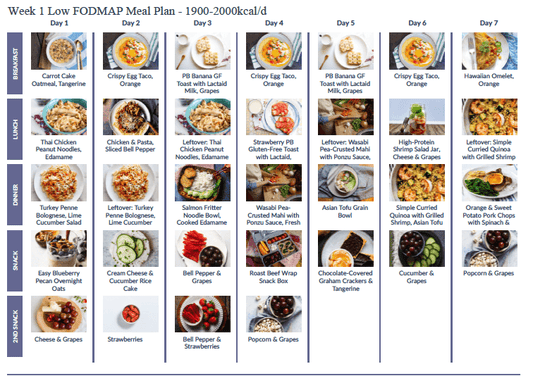
If you're dealing with IBS, reflux, or sensitivity, you may do better with lower-FODMAP options and cooked produce rather than raw salads.
Small-Appetite Meal Strategy: A Simple Daily Framework
You don't need a complicated meal plan to make GLP-1 appetite loss nutrition work. You need a repeatable framework for days when your appetite is unreliable.
A simple approach many people tolerate well is:
- 4–6 mini meals (or "protein anchors") rather than 2 large meals
- Protein at the start of each eating window
- One liquid nutrition option available for low-appetite days
Meal Timing: Front-Load Protein And Plan "Mini Meals"
When appetite is lowest later in the day (common on GLP-1s), front-loading protein earlier can help you reach your target before nausea or fullness builds.
Examples of "mini meal" timing:
- Morning: protein-forward breakfast (even if small)
- Midday: mini meal or shake
- Afternoon: mini meal
- Evening: small dinner built around protein
If you wait until you're starving, you may eat too fast, feel overly full, and trigger reflux. Instead, eat when you notice subtle hunger cues: slight emptiness, a shift in focus, mild fatigue, or "food starts sounding acceptable."
High-Protein, Low-Volume Foods That Go Down Easily
These are helpful when you can't tolerate a lot of chewing or volume:
- Greek yogurt/skyr (add a little honey if you need calories)
- Cottage cheese (pair with fruit or a few crackers)
- Eggs (scrambled tends to be easier than fried)
- Rotisserie chicken or deli turkey (watch fat if reflux-prone)
- Tofu (soft or silken in soups)
- Shrimp or white fish (often lighter than red meat)
If you're plant-forward, aim for higher-protein, lower-volume options (tofu, tempeh, edamame) rather than relying only on beans, which can be high-FODMAP for some people.
Liquid Nutrition: When Shakes And Smoothies Make Sense (And How To Build Them)
Liquid nutrition can be a practical bridge on GLP-1s because it's often easier to consume than a full plate of food, especially with nausea or early satiety.
A balanced smoothie formula:
- Protein base: whey isolate or a well-tolerated vegan protein
- Fiber add-in (optional at first): chia or a small amount of psyllium
- Produce: berries (often gentler than large servings of raw greens)
- Healthy fat (optional): a small spoon of nut butter or flax oil
- Liquid: lactose-free milk, kefir, or an alternative you tolerate
If you're prone to reflux, keep smoothies smaller (think 8–12 oz), avoid very acidic ingredients, and don't chug them quickly.
For some people, ready-to-mix protein works better than a complicated blender routine, especially during dose increases or travel.
Managing Common GLP-1 GI Side Effects Without Undereating
GI side effects are one of the most common reasons people struggle with GLP-1 adherence. The tricky part is that the very symptoms you're trying to avoid (nausea, reflux, constipation) can worsen when you unintentionally under-eat or under-hydrate.
The goal is not to "push through" discomfort. It's to adapt your food choices and meal structure so you can nourish yourself without triggering symptoms.
Nausea And Reflux: Food Texture, Temperature, And Portion Hacks
When nausea is loud, texture and temperature can matter as much as the food itself.
Strategies many people tolerate better:
- Smaller portions, more often (large meals sit longer and can worsen reflux)
- Cooler or room-temperature foods (hot foods can intensify smell and nausea)
- Bland, lower-fat options on rough days (fat slows stomach emptying further)
Common "safer" foods during nausea flares:
- Toast, crackers, rice
- Bananas or applesauce
- Brothy soups with a protein element
- Yogurt or a small shake
If reflux is a pattern, lying down soon after eating, very late dinners, and high-fat meals are common triggers.
Constipation: Fiber Types, Magnesium Options, And Gentle Movement
Constipation on GLP-1s is extremely common and usually multifactorial.
What tends to help (and is generally gentler):
- Fluids first: constipation rarely improves if you're dehydrated
- Soluble fiber: psyllium is a common option because it can soften and add bulk
- Food-based fiber when tolerated: oats, kiwi, chia
- Gentle movement: a daily walk can stimulate motility more than you'd expect
Magnesium is often discussed for constipation. Forms and tolerability vary widely (some people do better with magnesium citrate: others prefer magnesium glycinate for sleep but it may be less effective for stool softening). Because magnesium can interact with certain conditions and medications, it's best to discuss the right type and dose with your clinician.
Diarrhea, Gas, And Bloating: Low-FODMAP Tweaks And Trigger Tracking
If you're getting gas, bloating, or unpredictable stools, you're not imagining it. Slower gastric emptying can change fermentation patterns in the gut, and reduced intake can make your "usual" fiber choices suddenly feel like too much.
Practical steps:
- Temporarily simplify your diet during flares
- Consider low-FODMAP swaps if you're sensitive (for example, swap onions/garlic-heavy meals for garlic-infused oil: choose berries over large servings of stone fruit)
- Track triggers for 1–2 weeks: dose day, meal size, fat content, specific sweeteners, and high-FODMAP foods are common culprits
If diarrhea is persistent, severe, or accompanied by dehydration symptoms, it's worth checking in with your prescribing clinician promptly.
Perimenopause And Menopause Considerations: Protecting Muscle, Bone, And Energy
If you're in perimenopause or menopause, GLP-1 appetite loss nutrition deserves extra attention. Estrogen decline affects body composition, insulin sensitivity, sleep, and muscle recovery. Add a medication that reduces appetite, and it becomes easier to under-eat in a way that accelerates muscle and bone loss.
Protein Distribution For Muscle Retention During Weight Loss
Total protein matters, but distribution matters too.
Many women do better when protein is spread across the day rather than "saved" for dinner. A practical pattern is aiming for a meaningful protein dose at each meal (rather than one large protein meal and a day of light snacking).
If strength training is part of your plan (and it should be, if cleared by your clinician), protein becomes even more important for recovery and maintaining lean mass during weight loss.
Bone Support: Calcium, Vitamin D, Vitamin K2, And Resistance Training
Bone health is not just a calcium issue.
Bone-support basics to discuss with your clinician:
- Calcium intake (food first when possible)
- Vitamin D status (many adults are low: testing can be helpful)
- Vitamin K2 (often discussed in the context of calcium metabolism)
- Resistance training 2–3 times per week, which provides the mechanical stimulus bones need
If your intake is small, calcium-rich, protein-rich foods do double duty: Greek yogurt, cottage cheese, fortified options, and fish with bones (like canned salmon) can be efficient.
Appetite, Sleep, And Stress: The Hormone-Lifestyle Loop
Appetite isn't just about willpower or medication. Sleep and stress hormones (especially cortisol) influence hunger signals, cravings, and your ability to recover from workouts.
On GLP-1s, poor sleep can create a frustrating loop:
- You sleep badly
- You feel more nauseated or less interested in food
- You under-eat protein
- Your energy drops, workouts suffer, and muscle loss risk rises
If you're noticing sleep disruption, night sweats, anxiety, or new fatigue, it's worth discussing perimenopause/menopause management with a clinician who understands the metabolic picture, not just the scale.
Conclusion
GLP-1 medications can be powerful tools, but they change the rules of eating. When hunger is quiet, you can't rely on appetite to protect your nutrition, you need a simple structure.
If you keep one priority, make it protein. Then build fiber and fluids in a way your gut can tolerate. Finally, use nutrient-dense foods (and clinician-guided supplementation when appropriate) to cover the micronutrients that tend to slip when calories drop.
When appetite loss is severe or paired with dizziness, weakness, rapid weight loss, or hair shedding, treat it as a clinical signal, not a normal inconvenience. That's the moment to reassess your intake and talk with your prescribing team.
When appetite drops on GLP-1 therapy, getting enough protein becomes a real challenge, and it's the single most important macronutrient for preserving lean mass during weight loss. Casa de Sante's physician-formulated protein products are designed for gut tolerance and optimal absorption during metabolic therapy. See what fits your protocol at casadesante.com.
This article is for educational purposes only and is not medical advice. Always consult your healthcare provider before making changes to your treatment plan.
Frequently Asked Questions about GLP-1 Appetite Loss and Nutrition
How do GLP-1 drugs like semaglutide reduce appetite?
GLP-1 receptor agonists reduce appetite by increasing fullness signals in the brain, slowing gastric emptying, and delaying hunger cues, often extending time between meals from 2 hours to 3–4 hours or longer.
What are the main nutrition risks when appetite is reduced on GLP-1 medication?
Reduced appetite on GLP-1s can cause nutrient gaps in protein, iron, vitamin B12, vitamin D, calcium, folate, magnesium, potassium, and fiber, especially if calorie intake falls below 1200–1800 per day, risking muscle loss and deficiencies.
What is the best strategy to maintain nutrition on days with low appetite during GLP-1 therapy?
Focus on protein first by having 4–6 small protein-rich mini-meals per day, front-load protein earlier, combine soluble fiber with fluids, and choose nutrient-dense, low-volume foods like Greek yogurt, eggs, and protein shakes for adequate nourishment.
Why is protein so important during weight loss with GLP-1 medications?
Protein preserves lean muscle mass, supports recovery, and enhances satiety. Aim for 1.2 to 1.6 grams per kilogram of body weight daily to reduce muscle loss, which can represent 20–25% of weight lost on GLP-1 therapy.
How can gastrointestinal side effects like nausea or constipation be managed while on GLP-1 drugs?
For nausea and reflux, choose smaller, cooler, bland meals like toast or bananas. Manage constipation by increasing fluids, adding soluble fiber gradually, using magnesium supplements as advised, and incorporating gentle physical activity.
What special nutrition considerations should perimenopausal or menopausal women on GLP-1 medications keep in mind?
Women should prioritize protein distribution across meals and resistance training 2–3 times per week to preserve muscle and bone, alongside ensuring adequate calcium, vitamin D, and vitamin K2 intake to counteract bone loss risk.