GLP-1 And Perimenopause Fatigue: Why You’re So Tired And What Helps In 2026








If you're in perimenopause and using a GLP-1 medication like semaglutide or tirzepatide, fatigue can feel like it came out of nowhere. You're doing "the right things," the scale may finally be moving, and yet you're dragging through the day, brain fog, low motivation, even a wired-but-tired feeling at night.
The tricky part is that GLP-1 therapy and perimenopause can both affect appetite, sleep, blood sugar stability, and inflammation. When they overlap, the combined effect can be bigger than either one alone. The good news: fatigue is usually addressable once you identify the drivers.
Why Fatigue Can Spike When GLP-1s And Perimenopause Overlap
GLP-1 medications work by mimicking incretin hormones that help regulate appetite and blood sugar. In plain English: you feel full sooner, you stay full longer, and your glucose control often improves. For weight loss, that's powerful. For energy, it can be complicated.
Here's why the overlap with perimenopause can hit so hard.
First, you often end up in a larger calorie deficit than you realize. Appetite suppression plus slower stomach emptying can make meals smaller and less frequent, sometimes without you intending it. If your intake drops below what your body can comfortably adapt to, fatigue is one of the earliest signals.
Second, perimenopause is already a time of shifting metabolic flexibility, your ability to smoothly switch between using carbs and fat for fuel. As estrogen levels fluctuate and trend downward, many women notice more insulin resistance, more central weight gain, and more "crashes" when meals are delayed. Estrogen also supports brain energy metabolism: when it declines, some women experience brain fog and reduced resilience to stress. Add a GLP-1 (and the reduced intake that often comes with it) and you can feel like your brain and body are running on low battery.
Third, sleep disruption stacks the deck against you. Perimenopause is notorious for insomnia, night sweats, and early-morning waking. GLP-1s can contribute indirectly when nausea, reflux, constipation, or bloating interfere with falling asleep or staying asleep. One or two weeks of fragmented sleep can mimic depression, worsen cravings, and amplify perceived exertion in workouts.
Finally, inflammation and stress signaling can rise during this transition. Hormonal variability can heighten sensitivity to stress, and chronic under-recovery (low sleep, low protein, low resistance training) makes fatigue more persistent. That's why "just push through" usually backfires in 2026's real-world GLP-1 + perimenopause patient.
The key takeaway: fatigue in this overlap period is rarely "all in your head," and it's not automatically a sign the medication is wrong for you. It's usually a sign that one or more fundamentals (fuel, fluids, sleep, muscle, or dosing) needs recalibration.
Most Common Causes To Check First (Before Assuming It’s “Just Hormones”)
Before you attribute your exhaustion to perimenopause alone, it's worth checking a few high-yield contributors that are common in GLP-1 users, especially when you're eating less.
- Dehydration and electrolyte drift
GLP-1 therapy can reduce thirst cues the same way it reduces hunger cues. If you're also eating smaller portions, you may be getting less sodium, potassium, and magnesium from food. Even mild dehydration can feel like fatigue, dizziness, headaches, and "heavy legs."
What to look for: darker urine, lightheadedness on standing, constipation that worsens as intake drops.
- Protein and micronutrient gaps
When calories shrink, protein often shrinks the most, because it's harder to eat. Low protein can show up as low energy, reduced exercise tolerance, slower recovery, and increased muscle loss risk.
Micronutrient gaps matter, too. Iron deficiency (with or without anemia), low vitamin B12, low vitamin D, and inadequate folate can all contribute to fatigue. Perimenopausal bleeding changes can increase iron needs for some women, while reduced intake can lower the nutrient "margin of error."
What to ask your clinician about: CBC, ferritin and iron studies, B12, vitamin D, thyroid function (TSH with free T4), and A1c/glucose patterns. Your situation determines what's appropriate.
- Sleep quantity and sleep quality (not the same)
You can be "in bed" for eight hours and still be under-slept if you're waking repeatedly. Hot flashes, anxiety, and restless sleep are common in perimenopause. Add GI symptoms, nausea, reflux, constipation, and your sleep architecture can take a hit.
What to look for: waking around 2–4 a.m., unrefreshed mornings, snoring or witnessed pauses in breathing (sleep apnea is underdiagnosed in women).
- Low blood sugar symptoms, under-fueling, or over-restricting
Some people on GLP-1s go long stretches without eating because they're simply not hungry. That can be fine for certain bodies and schedules, but in perimenopause it can also trigger shakiness, irritability, "hangry but not hungry," or an afternoon slump. You don't need diabetes to experience unstable energy when meal timing gets erratic.
- Muscle loss and deconditioning
Rapid weight loss can include lean mass loss if protein intake and resistance training aren't protected. Less muscle (and less movement) often equals lower baseline energy. This is especially relevant in midlife, when sarcopenia (age-related muscle decline) can accelerate if you're not actively countering it.
If you've checked these basics and fatigue is still significant, that's the moment to bring your prescribing clinician in. Sometimes dose, titration pace, timing, or side-effect management needs a medical adjustment rather than more willpower.
A Practical Plan To Improve Energy Without Sabotaging Weight Loss
The goal isn't to "fight" the GLP-1. It's to make the medication more livable so you can stay consistent and protect your healthspan while you lose weight.
- Stabilize hydration first (because it's the fastest win)
Aim for steady fluid intake across the day, not a big catch-up at night. Many people do well targeting roughly 80–100 ounces daily, but your needs depend on body size, climate, and activity.
If you're constipated, dizzy, or getting headaches, consider that you may also need more electrolytes from food (and, in some cases, clinician-approved supplementation). Don't default to extreme low-sodium strategies if you're already eating very little.
- Treat protein like a clinical priority, not a diet detail
In GLP-1 + perimenopause, protein is your anchor for energy, recovery, and lean mass preservation. Practically, this often means:
- Building each meal around a protein source first
- Using smaller, more frequent protein "touchpoints" if large meals feel impossible
- Choosing textures that go down easier when nausea is present (smoothies, yogurt, soups)
If your stomach is sensitive, gut-tolerant protein options matter. Many patients do better with simpler ingredient profiles and products designed to be easier on digestion.
- Eat for blood sugar steadiness, not perfection
You don't need to micromanage carbs, but you do want fewer sharp swings. A reliable pattern is: protein + fiber + healthy fat at meals, with carbs added in a portion that doesn't trigger a crash.
If mornings are the hardest (common in perimenopause), a small protein-forward breakfast can reduce the late-morning slump. If afternoons are the hardest, don't let lunch be "a few bites." Under-eating at midday often shows up as evening fatigue and restless sleep.
- Protect your gut so sleep and nutrition are actually possible
GI symptoms are one of the most common reasons people feel wiped out on GLP-1 therapy. Nausea, constipation, and bloating don't just feel bad: they reduce intake, disrupt sleep, and increase stress.
A few clinician-aligned, non-extreme supports that often help:
- Slower eating, smaller portions, and avoiding high-fat meals when nausea is prominent
- Gentle fiber strategies (introduced gradually) to support regularity
- Reviewing constipation patterns early, not after weeks of discomfort
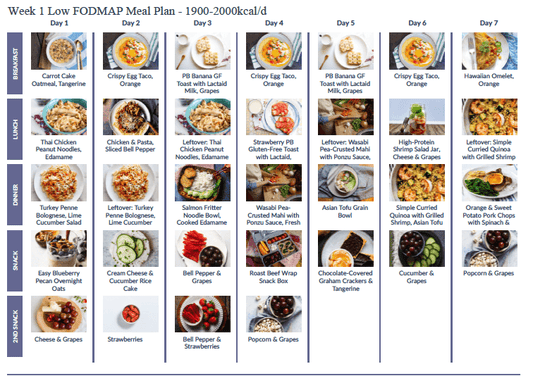
If you're also doing low FODMAP for IBS, the overlap is real: many "healthy" foods can be gut-irritating for sensitive people, which then worsens sleep and energy. This is where personalized meal planning (and not generic wellness advice) can be a game-changer.
- Train for energy: strength first, then steps
If fatigue is high, the instinct is to either stop moving completely or punish yourself with harder workouts. Neither is ideal.
A smarter approach:
- Resistance training 2–3 times per week (even short sessions) to protect muscle
- Daily low-intensity movement (walking, light cycling, yoga) to support mood, glucose handling, and sleep
Think of this as teaching your body that weight loss is not a starvation emergency. Muscle is metabolically active tissue: protecting it tends to improve day-to-day energy.
- Get serious about sleep inputs (not just sleep "hours")
A realistic perimenopause sleep plan focuses on what you can control:
- Consistent wake time (even when sleep was rough)
- Earlier caffeine cutoff than you used in your 20s
- A wind-down routine that reduces sympathetic drive (breathwork, stretching, a hot shower)
- Addressing night sweats, anxiety, or reflux with your clinician rather than white-knuckling it
If hot flashes or insomnia are prominent, it's worth discussing perimenopause management options with a qualified clinician. Hormone therapy is not right for everyone, but leaving symptoms untreated can indirectly sabotage GLP-1 adherence by worsening fatigue.
- Reassess dosing and titration pace with your prescriber
In 2026, many clinicians are more comfortable individualizing GLP-1 dosing, including slower titration or microdosing-style approaches in select patients. If fatigue started with a dose increase, or if you're consistently unable to meet basic nutrition and hydration needs, that's data, not a character flaw.
Bring specifics to your visit:
- Average daily protein estimate
- Hydration estimate
- Sleep duration and awakenings
- GI symptoms and bowel pattern
- Activity level
This makes it easier for your clinician to distinguish "expected adjustment period" from "we need to modify the plan."
GI side effects don't have to be the price of admission for GLP-1 therapy. Casa de Sante offers physician-formulated gut support products built for the specific digestive challenges these medications create. Explore your options at casadesante.com.
This article is for educational purposes only and is not medical advice. Always consult your healthcare provider before making changes to your treatment plan.
Conclusion
GLP-1 perimenopause fatigue is common, but it's not something you should simply accept as "normal." In most cases, your energy improves when you correct the basics: hydration and electrolytes, protein and micronutrients, steadier sleep, protected muscle, and a dosing plan you can actually live with. Treat fatigue as useful feedback. With the right adjustments, weight loss and feeling like yourself again can coexist.
Frequently Asked Questions About GLP-1 and Perimenopause Fatigue
Why does fatigue increase when taking GLP-1 medications during perimenopause?
Fatigue spikes because GLP-1 drugs suppress appetite and slow digestion, leading to lower calorie intake, while perimenopause causes estrogen decline and metabolic shifts that reduce energy and increase brain fog, making tiredness more pronounced.
What are common causes of fatigue in perimenopausal women using GLP-1 therapies?
Key causes include dehydration and electrolyte imbalance from reduced thirst, protein and micronutrient deficiencies, disrupted sleep due to hormonal changes and GI side effects, blood sugar instability, and muscle loss from less activity and lower protein intake.
How can I manage perimenopause fatigue without stopping GLP-1 medication?
Focus on consistent hydration (about 80–100 ounces daily), prioritize protein at meals, maintain balanced blood sugar with protein, fiber, and healthy fats, protect muscle through resistance training, improve sleep hygiene, and work with your clinician to adjust GLP-1 dosing if needed.
Can poor sleep during perimenopause worsen fatigue from GLP-1 use?
Yes, perimenopause often causes insomnia, night sweats, and fragmented sleep, which combined with GLP-1-related GI symptoms like nausea can reduce sleep quality, increasing fatigue and lowering motivation.
Is muscle loss a factor in feeling fatigued while on GLP-1 drugs during perimenopause?
Absolutely. Rapid weight loss without adequate protein and resistance training can lead to muscle loss, which decreases baseline energy and exacerbates fatigue, especially in midlife women.
Should I consult my doctor if fatigue persists during GLP-1 treatment in perimenopause?
Yes. Persistent fatigue warrants checking hydration, nutrition, sleep, glucose patterns, and muscle health. Your clinician can help adjust GLP-1 dosing and address side effects to improve energy without sacrificing treatment benefits.