GLP-1s And Menopause Brain Fog: What Helps With Clarity And What To Watch For








If you're in perimenopause or menopause and you're also on a GLP-1 medication like semaglutide or tirzepatide, brain fog can feel like a cruel double feature. One week you're sharper than you've been in years because "food noise" is quieter and your energy is steadier. The next week you can't find the right word mid-sentence, you're dragging by 2 p.m., and you're wondering if the medication is helping your metabolism while sabotaging your focus.
The reality is more nuanced (and more fixable) than most articles make it sound. Menopause-related brain fog has real biology behind it, and GLP-1 therapy can either support clarity or worsen fog depending on hydration, nutrition, sleep, and side effects like nausea or constipation. Below is a clinically grounded way to connect the dots, so you can spot the most common drivers and bring a more useful plan to your clinician.
Why Brain Fog Peaks In Perimenopause And Menopause
Brain fog isn't a character flaw, and it's not "just stress." In midlife, cognitive symptoms often rise because multiple systems shift at the same time: hormones, sleep architecture, metabolic health, and stress physiology. When those move together, your brain has less margin.
Hormone Shifts That Affect Memory, Focus, And Mood
Estrogen does a lot more than regulate your cycle. In the brain, it supports neurotransmitters (chemical messengers) involved in attention, mood, and working memory, especially acetylcholine, serotonin, and dopamine. As estrogen fluctuates in perimenopause and then declines more persistently after menopause, many women notice:
- Slower word retrieval (the "tip of the tongue" feeling)
- Reduced working memory (holding steps in your head while you do them)
- More distractibility and mental fatigue
- Mood changes that make concentration harder (anxiety, irritability, low mood)
On a biology level, declining estrogen is associated with changes in neural signaling and increased neuroinflammation (inflammation in and around brain tissue). That doesn't mean you're developing dementia. It does mean your brain may be operating with a little more "noise" and a little less efficiency.
Sleep Disruption, Hot Flashes, And Stress Load As Multipliers
Even mild sleep fragmentation can feel like brain fog the next day. Hot flashes and night sweats don't just wake you up, they disrupt deeper sleep stages that your brain uses for memory consolidation and emotional regulation.
Add in the midlife reality: caregiving, career pressure, shifting relationships, and sometimes weight changes that affect self-image. Chronic stress raises cortisol and can impair attention and recall. In other words, hormones may light the match, but poor sleep and a high stress load often keep the fire going.
How GLP-1 Medications Can Influence Cognitive Clarity
GLP-1 receptor agonists were designed for metabolic disease, but GLP-1 receptors are also present in the brain. That's part of why people report changes that go beyond appetite, like improved impulse control, steadier mood, and sometimes a noticeable lift in mental clarity.
Indirect Benefits: Metabolic Health, Inflammation, And Steadier Energy
For many midlife women, cognitive "fuzziness" tracks with metabolic strain: insulin resistance, blood sugar swings, and higher systemic inflammation. GLP-1 medications can improve glucose control and support weight loss, which often lowers inflammatory signaling throughout the body.
Why this matters for focus:
- Fewer blood sugar spikes and crashes can mean fewer energy dips
- Better metabolic health may support more stable mood
- Reduced systemic inflammation may translate to less neuroinflammation over time
Large observational studies in people with type 2 diabetes have also found associations between GLP-1 use and lower dementia risk compared with some other diabetes therapies. That doesn't prove GLP-1s prevent dementia for everyone, but it is one reason researchers are actively studying neuroprotective effects.
There's also the lived-experience piece: when "food noise" quiets, your brain has fewer intrusive cues to manage, and some people experience that as improved concentration.
Potential Downsides: Undereating, Dehydration, And Low Blood Sugar-Like Symptoms
Here's the catch: GLP-1s can improve cognition indirectly through metabolic health, but they can also worsen fog indirectly through side effects.
Common "brain fog" setups on GLP-1 therapy include:
- Eating too little overall (especially during dose increases)
- Going too long without protein or complex carbs
- Dehydration from reduced intake, nausea, or constipation
- Symptoms that feel like low blood sugar (shakiness, lightheadedness, sweating, irritability), even if your glucose isn't truly low
If you're not diabetic and not on insulin or a sulfonylurea, true hypoglycemia is less common. But you can still feel cognitively off when your intake is too low, your electrolytes are depleted, or you're running on stress hormones.
Gut-Brain Links: Nausea, Constipation, And Microbiome Changes That Affect Focus
Your gut and brain are in constant conversation through the vagus nerve, immune signaling, and the metabolites your gut microbes produce. When GLP-1 therapy slows gastric emptying (how quickly food leaves your stomach) and can slow motility (how quickly things move through the intestines), you may get:
- Nausea or reflux that reduces food and fluid intake
- Constipation that increases fatigue and irritability
- Bloating that disrupts sleep and comfort
Even if the mechanism is "just" that you're uncomfortable and sleeping poorly, that's still a real cognitive hit. And for people prone to IBS-like symptoms, dietary restriction plus slower motility can create a perfect storm for brain fog days.
Common Brain Fog Triggers For GLP-1 Users In Midlife
If you're trying to figure out whether your fog is "menopause" or "the GLP-1," a more useful question is: what changed in the last 7–14 days? Brain fog often follows patterns, especially around dose escalation, travel, constipation stretches, or weeks where protein drops.
Too-Low Calories, Not Enough Protein, And Micronutrient Gaps
GLP-1 medications make it easier to eat less. Sometimes they make it too easy.
When intake drops quickly, your brain may feel the impact before the scale does. Common nutrition-related triggers include:
- Not meeting protein needs (which can worsen fatigue and accelerate lean mass loss)
- Going "low carb" unintentionally and feeling flat or headachy
- Skipping meals and then feeling wired-tired later
Micronutrients matter too, especially in midlife. If your diet shrinks without becoming more nutrient-dense, you can drift into gaps that look like brain fog:
- Iron (especially if you've had heavy bleeding in perimenopause)
- Vitamin B12 (lower intake, absorption issues, or long-term acid suppression)
- Vitamin D (common deficiency: linked to mood and fatigue)
Electrolyte Loss, Constipation, And Dehydration-Related Fatigue
Menopause can already come with more night sweats, and GLP-1 therapy can reduce thirst cues for some people. If you're also eating less salty food, you may end up under-replacing sodium.
Signs your fog may be hydration/electrolyte-driven:
- Headaches, lightheadedness when standing
- Afternoon crashes that improve after fluids
- Dry mouth, constipation, darker urine
Constipation deserves special attention. When motility slows, you can feel heavy, nauseated, and mentally dulled. And if constipation disrupts sleep or appetite, it indirectly worsens clarity.
Medication Timing, Dose Escalation, And Side-Effect Cycles
Many people notice a predictable "wave" after injections or dose increases:
- Day 1–3: more nausea, less intake, more reflux or fatigue
- Day 4–7: appetite stabilizes, intake improves, energy returns
If your brain fog clusters in the same window, it's a clue that side effects (not the medication's long-term metabolic effects) are driving the problem. It's also why slow, individualized titration matters, especially in perimenopause/menopause, where sleep and stress may already be fragile.
A Practical Clarity Plan: Food, Hydration, And Gut-Friendly Habits
The most reliable way to improve clarity on GLP-1 therapy is to make your "minimum effective day" easy to execute: enough protein, enough fluids, and food choices that don't provoke nausea or bloating. You're not aiming for perfect nutrition. You're aiming for consistency your nervous system can trust.
Protein-First, Fiber-Smart Meals That Minimize GI Symptoms
A protein-first approach helps stabilize energy and supports lean mass during weight loss, important in midlife, when sarcopenia (age-related muscle loss) becomes easier to trigger.
If nausea is an issue, smaller portions more often usually work better than one large meal. Practical options that tend to be GLP-1-tolerant:
- Greek yogurt or lactose-free Greek yogurt
- Eggs (scrambled often goes down easier than fried)
- Cottage cheese (lactose-free if needed)
- Smoothies with a tolerated protein powder
- Soup-based meals with shredded chicken or tofu
Then add fiber strategically. On GLP-1s, "more fiber" isn't always better, timing and type matter.
- If constipation is the main issue, gentle soluble fiber (like psyllium) can help some people
- If bloating is the main issue, large servings of raw crucifers, beans, or high-FODMAP fibers can backfire
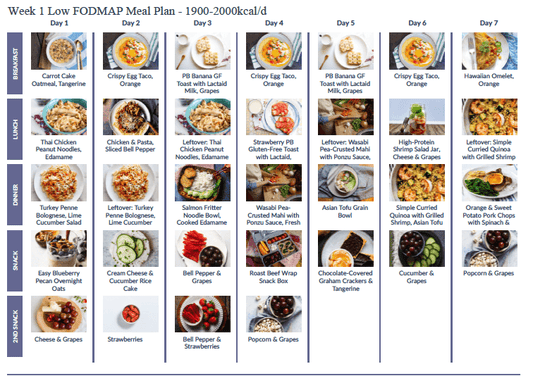
Low FODMAP Options When Bloating Or IBS-Like Symptoms Flare
If you're getting IBS-like symptoms (bloating, cramping, unpredictable stools) while on GLP-1 therapy, a short-term low FODMAP approach can reduce fermentation and gas. The key is not to over-restrict long term, use it as a symptom-control tool while you stabilize.
Examples of generally low FODMAP, GLP-1-friendly choices:
- Proteins: chicken, fish, turkey, firm tofu
- Carbs: rice, oats, quinoa, potatoes
- Fruits: strawberries, blueberries, kiwi, oranges
- Veg: zucchini, carrots, cucumbers, spinach, bell peppers
- Flavor: garlic-infused oil (instead of garlic), scallion greens, ginger
If you're sensitive, keep meals simple during the rough days after dose escalation. This is one of the fastest ways to reduce nausea-bloating-brain fog stacking.
Hydration And Electrolytes Without Worsening Reflux Or Nausea
Chugging water can worsen nausea and reflux. Sipping usually wins.
A practical hydration plan:
- Start the day with a few ounces of fluid before caffeine
- Sip throughout the day rather than "catching up" at night
- Consider electrolytes if you're lightheaded, constipated, or sweating at night
If reflux is an issue, avoid very acidic electrolyte drinks and large volumes at once. Temperature can matter too, some people tolerate cool fluids better, others do better with room temperature. Your gut gets a vote here.
Sleep And Stress Strategies That Actually Move The Needle
If you're doing the nutrition basics and you still feel foggy, sleep and stress are the next levers. The good news: you don't need a two-hour bedtime routine. You need a few high-yield moves done consistently.
Cooling, Timing Caffeine, And Light Exposure For Better Sleep Quality
Sleep in menopause often fails for predictable reasons: temperature dysregulation, nighttime awakenings, and circadian drift.
High-yield strategies:
- Cooling: breathable bedding, a fan, and a cooler bedroom temperature can reduce hot-flash awakenings
- Caffeine timing: if you're foggy, it's tempting to push caffeine later. But caffeine after late morning can worsen sleep depth in sensitive people
- Morning light: getting outdoor light early in the day supports circadian rhythm and can improve nighttime sleep quality
If you're waking drenched or waking repeatedly, that's not a willpower problem. It's a symptom worth addressing directly with your clinician.
Resistance Training And Daily Movement For Cognition And Mood
Resistance training supports insulin sensitivity, preserves muscle, and improves mood, three factors closely tied to brain fog. It also improves sleep quality for many people.
You don't need an extreme plan. Even 2–3 sessions per week plus daily walking can shift:
- Midday energy stability
- Anxiety and rumination
- Perceived mental sharpness
If you're newly on GLP-1 therapy and eating less, strength training becomes even more important because your body is more likely to pull from lean tissue during weight loss.
Breathwork And Short Resets For Midday Focus Crashes
When you hit the 2 p.m. wall, the instinct is to snack or caffeinate. Sometimes you actually need a nervous-system reset.
A simple option: 2–5 minutes of slow nasal breathing (longer exhale than inhale) can downshift stress physiology. Pair it with a brief walk if you can. It's not mystical: it's a way to reduce sympathetic overdrive so your attention can come back online.
Coordinating GLP-1s With Menopause Care And Other Medications
If you're trying to solve brain fog while treating weight and metabolic health, coordination matters. Otherwise you end up playing whack-a-mole: nausea drives low intake, low intake drives insomnia, insomnia drives anxiety, anxiety drives more GI symptoms.
When Hormone Therapy Or Nonhormonal Options May Help Brain Fog
For some women, menopausal hormone therapy (MHT) improves sleep, hot flashes, and mood, and that can indirectly improve cognitive function. The data on hormone therapy as a direct "brain fog cure" is mixed, but symptom relief (especially sleep) can be a major clarity win.
If hormone therapy isn't appropriate for you, nonhormonal options for vasomotor symptoms (hot flashes/night sweats) may still improve sleep continuity, which often improves focus more than any supplement stack.
There's also emerging discussion about combining obesity pharmacotherapy with menopause care for better overall outcomes. In some studies, women using GLP-1 therapy alongside hormone therapy had greater weight loss than those not using hormone therapy, suggesting hormones and metabolism aren't separate lanes.
Interactions And Overlaps: Antidepressants, Stimulants, Thyroid Meds, And Supplements
GLP-1 medications don't have a long list of classic drug-drug interactions, but there are important overlaps:
- Thyroid medication: delayed gastric emptying may affect absorption timing for some people. If your thyroid labs drift or symptoms change, your clinician may adjust timing or dose.
- Antidepressants: nausea, appetite changes, and sleep effects can overlap, making it harder to identify the cause of fog.
- Stimulants (for ADHD): appetite suppression can stack, increasing the risk of too-low intake and dehydration.
- Supplements: iron, magnesium, and some multivitamins can worsen nausea if taken on an empty stomach.
The practical takeaway: if brain fog worsened after adding or increasing any medication (not just the GLP-1), bring the full list to your clinician and map symptoms to timing.
When To Talk To Your Clinician: Red Flags And Labs To Consider
Some brain fog is common in perimenopause, and some fatigue is common early in GLP-1 therapy. But there are situations where "wait it out" is the wrong move.
Symptoms That Need Prompt Evaluation
Talk to your clinician promptly if you have:
- New, severe, or rapidly worsening confusion
- Fainting, chest pain, shortness of breath, or palpitations
- Persistent vomiting, inability to keep fluids down, or signs of dehydration
- Severe constipation (especially with abdominal pain or bloating that doesn't improve)
- Significant depression, anxiety, or thoughts of self-harm
- Neurologic symptoms like one-sided weakness, facial droop, slurred speech, or sudden severe headache
Also consider evaluation if brain fog persists beyond the initial adjustment period and is affecting work, driving, or daily functioning.
Useful Checks: Iron, B12, Vitamin D, Thyroid, Glucose, And Sleep Screening
If you're dealing with ongoing fog, labs and screening can identify common, treatable drivers. Useful checks to discuss include:
- Iron studies (ferritin, iron, TIBC), especially if you've had heavy bleeding or restless legs
- Vitamin B12 (and sometimes methylmalonic acid if borderline)
- Vitamin D
- Thyroid function (TSH, free T4: sometimes free T3 depending on context)
- Glucose status (fasting glucose, A1c: sometimes fasting insulin)
- Sleep screening if snoring, witnessed apneas, or non-restorative sleep suggests sleep apnea
Bring specifics to the appointment: when fog happens (time of day), where it clusters in your dose cycle, your average protein intake, bowel pattern, and fluid/electrolyte habits. That kind of timeline helps your clinician troubleshoot faster.
Conclusion
Menopause brain fog is real, and GLP-1 therapy can either lighten it or aggravate it depending on how your day-to-day physiology is being supported. If you're feeling clearer, that may reflect better metabolic stability and less inflammation. If you're feeling foggier, it's often a solvable combination of too-low intake, dehydration/electrolyte depletion, constipation, and disrupted sleep, especially around dose escalation.
The goal isn't to push through. It's to make the medication more tolerable so you can actually benefit from it. Start with the basics that move the needle: protein-first meals, fiber that your gut can handle, steady hydration with electrolytes when needed, and sleep protection as a medical priority, not a luxury.
Digestive discomfort is one of the most common reasons people struggle with GLP-1 medications. Targeted nutrition support can make a real difference in tolerability. Casa de Sante's physician-formulated digestive enzymes, synbiotics, and motility support supplements are designed specifically for sensitive stomachs on GLP-1 therapy. See what's available at casadesante.com.
This article is for educational purposes only and is not medical advice. Always consult your healthcare provider before making changes to your treatment plan.
Frequently Asked Questions
Can GLP-1 medications cause menopause brain fog, or improve clarity?
GLP-1 therapy can go either way for menopause brain fog clarity. Many people feel sharper as blood sugar swings, inflammation, and “food noise” quiet down. Others feel foggier from indirect effects—undereating, dehydration/electrolyte loss, nausea, constipation, and sleep disruption—especially after dose increases.
Why does brain fog peak in perimenopause and menopause?
Perimenopause and menopause brain fog is strongly linked to fluctuating then declining estrogen, which supports attention, mood, and working memory via neurotransmitters like acetylcholine, serotonin, and dopamine. Hot flashes and night sweats fragment deep sleep, while chronic midlife stress and higher cortisol further impair focus and recall.
What are the most common GLP-1 brain fog triggers in midlife women?
The biggest triggers are too-low calories (often during titration), inadequate protein, and unintentionally dropping carbs too far, leading to fatigue and “wired-tired” crashes. Dehydration and low electrolytes—plus constipation—also commonly drive GLP-1 and menopause brain fog clarity issues, particularly when thirst cues decrease.
How can I reduce brain fog on semaglutide or tirzepatide during menopause?
Start with a “minimum effective day”: protein-first meals, steady fluids, and gut-friendly choices to prevent nausea and constipation. Smaller, more frequent meals often help. Sip water rather than chugging, and consider electrolytes if you’re lightheaded or sweating at night. Protect sleep with cooling, morning light, and earlier caffeine.
Does dose escalation timing explain my GLP-1 and menopause brain fog cycles?
Often, yes. Many people notice a predictable post-injection wave: days 1–3 bring more nausea, reflux, lower intake, and fatigue, then days 4–7 stabilize. If your brain fog clusters in that same window, side effects—not long-term metabolic benefits—may be the main driver, supporting slower, individualized titration.
When should I talk to a clinician about menopause brain fog while on a GLP-1?
Get prompt evaluation for rapidly worsening confusion, fainting, chest pain, shortness of breath, persistent vomiting, dehydration, severe constipation with abdominal pain, major mood changes, or neurologic symptoms. For ongoing fog, ask about iron studies, B12, vitamin D, thyroid labs, A1c/glucose status, and sleep apnea screening.