GLP-1 And Hormone Balance In Women: What Changes, What’s Normal, And When To Get Help (2026 Guide)








If you're a woman starting semaglutide or tirzepatide, "hormone balance" can suddenly feel like a moving target. Maybe your period shows up early (or not at all). Your sleep changes. Your mood feels different. Or you're in your 40s and you're wondering: is this the medication, perimenopause, stress, weight loss, or all of the above?
Here's the reassuring truth: many hormone-related changes women notice on GLP-1 therapy are explainable, often temporary, and frequently tied to shifts in metabolism, appetite, and weight, not a sign that your hormones are "broken." But there are also a few scenarios where you should get checked sooner rather than later.
This guide walks you through what GLP-1 medications can influence (directly and indirectly), what's considered common, and how to track symptoms in a way that helps you and your clinician make smarter decisions.
How GLP-1 Medications Work And Why Hormones Can Shift
GLP-1 receptor agonists (GLP-1RAs) like semaglutide and tirzepatide were designed for metabolic disease, type 2 diabetes and obesity. But metabolism and hormones are tightly linked, especially in women. When your weight, insulin levels, gut motility, sleep, and stress hormones shift, reproductive hormones often respond.
GLP-1, Insulin, And Appetite Hormones (Leptin, Ghrelin)
GLP-1 is a naturally occurring gut hormone released after you eat. GLP-1 medications mimic that signal. In plain English, they tend to:
Slow gastric emptying (food leaves your stomach more slowly)
Increase glucose-dependent insulin secretion (your pancreas releases insulin when it's actually needed)
Reduce glucagon (a hormone that raises blood sugar)
Signal fullness in the brain (hypothalamus), lowering appetite
Even though GLP-1 medications aren't "sex hormone drugs," they can change the hormonal environment by improving insulin sensitivity. That matters because insulin is a hormone with powerful downstream effects on ovaries, adrenal hormones, and sex hormone binding globulin (SHBG).
You'll also hear people talk about leptin and ghrelin:
Leptin is a "satiety" hormone made by fat cells. As fat mass decreases, leptin levels usually fall.
Ghrelin is a "hunger" hormone made largely in the stomach. Appetite suppression can change eating patterns and meal timing, which can change ghrelin signaling.
Researchers are still clarifying how much GLP-1RAs change these appetite hormones directly versus indirectly through weight loss. Either way, the lived experience is real: your hunger cues, cravings, and "when I feel full" signals often change quickly.
Weight Loss, Stress, And The HPO Axis: Why Periods Can Change
Your reproductive cycle is regulated by the HPO axis: hypothalamus → pituitary → ovaries. It's sensitive to energy availability, rapid weight changes, sleep disruption, and stress.
When weight comes off faster than your body expects, especially if your calorie intake drops sharply, your brain may temporarily interpret that as "not a great time for reproduction." That can show up as:
Cycle timing changes (earlier or later periods)
Anovulatory cycles (a cycle where you don't ovulate)
Changes in PMS intensity
At the same time, for many women, especially those with insulin resistance or PCOS, improving insulin sensitivity can restore more regular ovulation. So yes, some women see irregularity at first, and others see the most regular cycles they've had in years. Both patterns can make physiologic sense.
Stress is the other big lever. The HPA axis (hypothalamus → pituitary → adrenal glands) governs cortisol. If nausea, poor sleep, under-eating, or life stress climbs during dose escalation, cortisol can rise and ripple into cycle symptoms, mood, and temperature regulation.
What “Hormone Balance” Really Means For Women 35–55 On GLP-1s
"Hormone balance" gets used as a catch-all phrase, but clinically it usually means something more specific: your metabolic hormones and reproductive hormones are working in a coordinated way that supports stable energy, predictable cycles (if you're cycling), and manageable symptoms.
For women 35–55, two realities often overlap:
You may be entering perimenopause (even if you're still getting periods).
You may also be addressing insulin resistance, prediabetes, or PCOS, conditions where GLP-1 therapy can be particularly helpful.
Perimenopause And Menopause: Overlapping Symptoms That Mimic Side Effects
Perimenopause can start years before your final period. Estrogen and progesterone fluctuate more unpredictably, and symptoms can look a lot like "medication side effects," such as:
Nausea or appetite changes (also common on GLP-1s)
Sleep disruption
Anxiety or mood shifts
Brain fog
Hot flashes and night sweats
Heart palpitations
This overlap is why it's easy to misattribute everything to the injection. Sometimes the medication is the trigger. Sometimes it's timing. Sometimes it's both.
There's also an interesting clinical observation supported by emerging data: postmenopausal women on hormone therapy (HT) may lose more weight on GLP-1 medications than those not using HT. That doesn't mean HT is "required" or appropriate for everyone, it means estrogen status can influence appetite signaling and body composition outcomes. It's a conversation to have with a menopause-trained clinician if symptoms and goals align.
PCOS, Prediabetes, And Metabolic Hormones: Where GLP-1s Often Help Most
If you have PCOS or prediabetes, GLP-1 therapy can improve the underlying hormonal drivers, not just the number on the scale.
In PCOS, insulin resistance pushes the ovaries to produce more androgens (like testosterone). Lower insulin can mean:
Reduced hyperandrogenism (less acne, less unwanted hair growth for some)
Higher SHBG (which lowers free, active testosterone)
More reliable ovulation and menstrual regularity
Studies of GLP-1RAs in PCOS show improvements in insulin resistance markers (including HOMA-IR) and modest reductions in testosterone (on the order of about 0.29 nmol/L in some analyses). Clinically, the headline is simple: if ovulation comes back, pregnancy becomes possible again, even if it hasn't been for a while.
Common Cycle And Symptom Changes Women Notice On GLP-1 Therapy
Women's experiences on GLP-1s are varied, but patterns do show up in clinics, especially during the first 8–16 weeks and after each dose increase.
Period Timing, Flow, And PMS: What Studies And Clinics Are Seeing
What many clinicians hear from patients:
More regular cycles in women with PCOS (often a welcome surprise)
Changes in flow (lighter for some, heavier for others)
Shifts in PMS symptoms, especially breast tenderness, irritability, and headaches
Spotting when weight loss is rapid or intake is inconsistent
The evidence base is still developing, and large trials weren't designed to track detailed menstrual outcomes. But we do have plausible mechanisms:
Improved insulin sensitivity can support ovulation regularity.
Rapid fat loss changes estrogen dynamics because adipose tissue participates in hormone metabolism.
Lower overall intake can reduce micronutrients (like iron, B vitamins), which can worsen fatigue and PMS-like symptoms.
A practical note: if you're losing weight and your period is heavier than usual, you're at higher risk of iron deficiency over time. That's not a reason to panic, just a reason to bring it up and consider checking ferritin (your iron storage marker).
Libido, Mood, Sleep, And Temperature Changes: Sorting Hormones From Life Factors
These symptoms are real, and they're rarely caused by one single thing.
Libido: Some women feel better libido as inflammation decreases and confidence rises. Others feel flatter libido if they're under-eating, nauseated, constipated, or exhausted.
Mood: Stable blood sugar can improve mood. But dose escalation, poor sleep, dehydration, and low protein can increase irritability and anxiety.
Sleep and temperature: Night sweats and hot flashes can be perimenopause, but they can also worsen when you're eating less, drinking less, or waking up nauseated. If you're 40+, don't assume it's "just the medication", timing matters.
One helpful way to think about it: hormones are the messenger system, but your day-to-day physiology (sleep, stress, food, hydration) is the environment they're messaging through.
When Changes Are A Red Flag: Heavy Bleeding, Missed Periods, And Pregnancy Risk
Some changes should prompt a quicker check-in:
Heavy bleeding (soaking through pads/tampons hourly, passing large clots, or bleeding that makes you dizzy or short of breath)
Bleeding after sex
Bleeding after menopause (any bleeding after 12 months without a period should be evaluated)
Persistently missed periods when pregnancy is possible
Severe pelvic pain
And one of the most important practical points on GLP-1 therapy:
If you have PCOS or irregular periods, GLP-1 medications can restore ovulation. That increases pregnancy risk, even before your cycles look "regular." If pregnancy isn't your goal, talk with your clinician about reliable contraception.
If pregnancy is your goal, bring it up early. GLP-1 medications are generally not recommended during pregnancy, and planning matters.
The Gut–Hormone Connection: Why GI Side Effects Can Affect Hormone Signals
If you feel like your gut symptoms and your "hormones" are tangled together on GLP-1s, you're not imagining it.
Your gut influences:
How you absorb nutrients needed for hormone production and detoxification
How efficiently you clear estrogen metabolites through stool
Inflammation levels that affect insulin signaling and ovarian function
How well you sleep (constipation and reflux are notorious sleep disruptors)
Constipation, Diarrhea, And Bloating: How They Impact Estrogen Clearance And Comfort
Estrogen is metabolized in the liver and excreted partly through bile into the gut, then eliminated in stool. When motility slows (constipation), you may have more bloating and discomfort, and some women notice more breast tenderness or PMS-like symptoms.
On the flip side, if you're having diarrhea, you can lose fluids and electrolytes and feel jittery, fatigued, and headachy, symptoms that can easily get mislabeled as "hormonal."
GLP-1 medications slow gastric emptying and can change intestinal motility. Add in lower food volume and sometimes lower fiber, and constipation becomes one of the most common quality-of-life issues.
Low FODMAP And GLP-1-Friendly Eating Strategies That Support Regularity
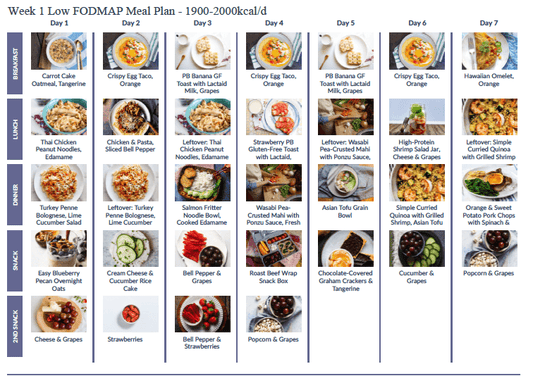
If you're prone to IBS-like symptoms, low FODMAP strategies can be a practical bridge: less fermentation, less gas, less bloating, especially when your gut is already moving slowly.
GLP-1-friendly, gut-calming approaches that tend to work well:
Smaller meals more often instead of one large, high-fat meal
Cooked vegetables over large raw salads when nausea/bloating is active
Lower-FODMAP fibers in portions you tolerate (for example, chia in small amounts, oats, kiwi)
Choosing one "gentle" carb portion at a time (instead of stacking multiple trigger foods)
The goal isn't dietary perfection. It's predictable digestion so your sleep, energy, and appetite cues aren't constantly being thrown off.
Protein, Fiber, And Hydration Targets Without Worsening Nausea
When nausea is present, typical wellness advice ("eat more fiber.") can backfire if you do it too fast.
A more GLP-1-realistic framework:
Protein: Aim for a protein-forward pattern across the day. Many clinicians target at least 1.2 g/kg/day in active weight loss to support lean mass, but your personal target depends on kidney function, activity, and overall plan.
Fiber: Increase slowly. If constipation is severe, adding a large fiber dose suddenly can worsen bloating. Start low, titrate up, and prioritize what you tolerate.
Hydration: Dehydration makes constipation worse and can intensify headaches and fatigue. If plain water turns your stomach, try smaller sips, cold fluids, or electrolyte solutions.
If your appetite is very low, think "minimum effective nutrition." A few reliable, tolerated staples you can repeat are often better than forcing variety while you're nauseated.
Medication Timing, Dose Escalation, And Drug Interactions That Matter For Women
Many of the "hormone" complaints women report are actually timing issues: symptoms cluster around dose increases, or around when an oral medication isn't absorbing as expected.
Dose Increases And Symptom Spikes: What To Expect And How To Track Patterns
It's common to feel your best right before you increase a dose, and then feel a symptom spike after.
Common escalation-related patterns include:
More nausea for several days
Constipation worsening
Sleep disruption (often from reflux, nausea, or cortisol/stress response)
Temporary appetite suppression so strong that protein intake dips
Tracking matters because it prevents guesswork. If symptoms spike predictably for 3–5 days after each increase, that's a different clinical picture than symptoms that progressively worsen each week.
Birth Control And Oral Meds: Absorption Considerations With Slowed Gastric Emptying
Because GLP-1 medications slow gastric emptying, absorption timing of oral medications can shift. For most people, this is subtle. For some, especially with nausea, vomiting, or diarrhea, it becomes clinically relevant.
Two practical points to discuss with your prescriber:
Oral contraceptives: If absorption is reduced due to vomiting/diarrhea or timing changes, contraceptive reliability can be affected. Your clinician may recommend backup methods during initiation and dose escalation.
Other oral meds: Thyroid medication, some antidepressants, and iron supplements are time-sensitive for absorption and can also worsen nausea or constipation.
Don't change your regimen on your own, but do bring it up. If a medication "suddenly stopped working" after you started a GLP-1, timing and absorption are worth evaluating.
Thyroid, Iron, And Other Labs To Discuss If Symptoms Persist
If you're fatigued, cold, losing hair, or feeling unusually short of breath, it's easy to blame GLP-1s or perimenopause. Sometimes that's true. Sometimes it's a correctable deficiency.
Labs to discuss with your clinician if symptoms persist beyond the early adjustment phase:
TSH with free T4 (thyroid function)
Ferritin plus a complete blood count (iron stores and anemia)
B12 (especially if intake is low)
Vitamin D (common deficiency, affects mood and muscle)
A1c, fasting insulin, lipids (to track metabolic improvements)
If your periods become heavier and your intake is lower, iron deficiency becomes more likely, not because GLP-1s "cause anemia," but because physiology and diet can shift in that direction.
A Practical Plan To Support Hormone Stability While On GLP-1s
Your goal isn't to micromanage every hormone. It's to reduce the common drivers of instability, under-fueling, poor sleep, constipation, and untracked dose-related patterns, so your body can adapt.
What To Track Weekly: Cycle, GI Symptoms, Sleep, Protein, And Stress
If you track nothing else, track these five categories weekly:
Cycle: first day of period, spotting, flow intensity, and PMS symptoms
GI symptoms: nausea days, constipation severity, reflux, bloating
Sleep: total hours and night wakings
Protein: a rough daily estimate (not perfection)
Stress: a simple 1–10 rating plus major life events
If you like structure, here's a simple tracking table you can copy into notes:
Week of:
Dose and date changed (if any):
Period/spotting:
Nausea (0–10):
Constipation (0–10):
Sleep hours average:
Protein estimate (low/medium/high):
Strength sessions (#):
Stress (0–10):
This kind of data makes your follow-up visits dramatically more productive.
Lifestyle Levers: Strength Training, Sleep, And Stress Reduction For HPA Support
If you want the highest return on effort while on GLP-1 therapy, focus on three levers:
Strength training: It protects lean mass (muscle) during weight loss and improves insulin sensitivity. Even 2–3 sessions per week can change outcomes.
Sleep: Poor sleep worsens hunger signals, insulin resistance, hot flashes, mood, and pain sensitivity. If reflux or constipation is waking you, addressing GI issues is part of "sleep care."
Stress reduction: This isn't about being zen. It's about lowering chronic HPA activation (cortisol load). A 10-minute walk after meals, consistent meal timing, and a realistic training plan often do more than complicated protocols.
When To Add Medical Support: Gynecology, Endocrinology, Or Menopause Care
You should consider additional medical support when:
Bleeding is heavy, prolonged, or unpredictable in a way that's new for you
You have missed periods and pregnancy is possible
Symptoms persist past the adjustment phase and impair daily function
Perimenopause symptoms are significant (hot flashes, insomnia, mood swings) and you want evidence-based options
PCOS symptoms or fertility goals are part of your plan
In many cases, the best care is collaborative: your GLP-1 prescriber working alongside gynecology or a menopause-trained clinician. If you're navigating both metabolic care and hormone-related symptoms, having a provider who understands both can save you months of trial-and-error.
Hormonal shifts and metabolic changes don't happen in isolation, especially during perimenopause or andropause. If you're managing weight with a GLP-1 and dealing with hormone-related symptoms, a clinician who understands both can change the trajectory. Dr. Onikepe Adegbola, MD PhD, specializes in GLP-1 therapy, menopause, andropause, and longevity medicine. She sees patients through Mochi Health (joinmochi.com). Use code gviqg4 at signup.
Conclusion
GLP-1 therapy can absolutely change how your body feels from week to week. In women, that can look like "hormone imbalance," when it's often a blend of improved insulin signaling, rapid fat loss, shifting appetite hormones, and the very real backdrop of perimenopause for many women in their 40s and 50s.
The most useful mindset is clinical, not catastrophic: track patterns, protect your protein intake and muscle, keep your gut moving, and take red flags seriously. If something feels off, you don't need to guess whether it's the medication or your hormones, you can gather data and get the right labs and support.
This article is for educational purposes only and is not medical advice. Always consult your healthcare provider before making changes to your treatment plan.
Frequently Asked Questions about GLP-1 Hormone Balance in Women
How do GLP-1 medications like semaglutide affect hormone balance in women?
GLP-1 medications improve insulin sensitivity and influence appetite hormones, which indirectly impact reproductive hormones. They can cause shifts in menstrual cycles, mood, and metabolism but often support hormone balance through metabolic improvements rather than hormone disruption.
Why might women experience changes in their menstrual cycle when starting GLP-1 therapy?
Rapid weight loss and improved insulin sensitivity from GLP-1 therapy can signal the body to adjust reproductive hormones via the HPO axis, leading to changes in period timing, flow, or ovulation. Stress and altered sleep patterns may also affect cycle regularity temporarily.
Can GLP-1 therapy help women with PCOS regulate their hormones?
Yes. GLP-1 receptor agonists lower insulin resistance and reduce androgen levels in women with PCOS, which can restore ovulation, improve menstrual regularity, and reduce symptoms like acne and excess hair growth.
What lifestyle strategies support hormone balance while on GLP-1 medications?
Prioritizing strength training to preserve muscle, maintaining adequate protein intake (around 1.2 g/kg/day), ensuring good hydration, improving sleep quality, and managing stress can all support hormonal stability and reduce side effects from GLP-1 therapy.
When should a woman on GLP-1 therapy seek medical advice regarding hormone-related symptoms?
Women should consult a healthcare provider if they experience heavy or prolonged bleeding, missed periods with pregnancy potential, bleeding after menopause or sex, severe pelvic pain, or persistent symptoms that impair daily life to rule out underlying issues beyond GLP-1 effects.
How can gastrointestinal side effects from GLP-1 medications impact hormone signals?
GLP-1 drugs slow gastric emptying, which may cause constipation or diarrhea, disrupting estrogen clearance through the gut. This can worsen PMS-like symptoms or fatigue. Dietary approaches like low-FODMAP foods, gradual fiber increase, and hydration help manage these effects.