GLP-1 Afternoon Fatigue: Why Your Energy Crashes (And What Actually Helps In 2026)








If you started semaglutide or tirzepatide and suddenly hit a wall around 2–4 pm, you're not imagining it. GLP-1 medications can make weight loss feel strangely "quiet" in your appetite… but loud in your energy. The pattern is common: you're fine in the morning, lunch feels small (or delayed), and then your brain gets foggy, your limbs feel heavy, and you want a nap you didn't used to need.
The good news is that GLP-1 afternoon fatigue is often fixable once you understand the real drivers: underfueling, slower digestion, hydration and electrolytes, and a few "background" issues like sleep debt, perimenopause, iron, or thyroid changes. Below is a practical, clinician-style way to think through it in 2026, without fighting your medication or forcing yourself to "push through."
Why GLP-1 Medications Can Trigger An Afternoon Energy Dip
GLP-1 receptor agonists work partly by slowing how quickly food leaves your stomach (delayed gastric emptying) and reducing appetite. That's helpful for metabolic health and weight loss, but it changes your fuel timing. When your intake drops quickly (often before your habits fully adapt), the afternoon tends to be where the bill comes due.
Lower Calorie Intake, Lower Glycogen, And Underfueling
A big driver of GLP-1 fatigue is simply not eating enough, especially early in the day.
Your body stores quick-access carbohydrate energy as glycogen (mainly in liver and muscle). When appetite drops, you may unintentionally run a low glycogen budget. The result can feel like an "afternoon crash," even if your morning felt fine.
Two important nuances:
First, you can be losing weight appropriately and still be underfueled for your life. Work stress, caregiving, workouts, perimenopause, those all raise the energy cost of a day.
Second, low protein intake can amplify fatigue. Protein helps preserve lean mass during weight loss, which supports metabolic rate and day-to-day strength. If your appetite is small, protein can't be an afterthought.
Blood Sugar Swings From Delayed Gastric Emptying And Meal Timing
GLP-1 medications typically reduce post-meal blood sugar spikes. That's often beneficial. But delayed gastric emptying can also make glucose timing less predictable.
Here's a common scenario: you eat a light lunch (or skip it because you still feel full), then your body keeps coasting on limited incoming fuel. A few hours later, you hit a dip, fatigue, lightheadedness, irritability, or brain fog.
If you're also on insulin or a sulfonylurea (not common for everyone on GLP-1s, but relevant for some people with diabetes), true hypoglycemia becomes a bigger concern. For most people not on those meds, the "crash" is more often underfueling plus timing mismatch than dangerously low glucose, but it can feel similar.
Nausea, Dehydration, And Electrolyte Loss That Feels Like "Sleepiness"
Many people describe dehydration as sleepiness, not thirst.
When nausea reduces fluid intake, or diarrhea/vomiting increases fluid loss, you can end up relatively depleted by early afternoon. Mild dehydration can cause fatigue, headaches, dizziness on standing, and reduced exercise tolerance. Electrolyte losses (especially sodium) can add a heavy, drained feeling that's easy to misread as "I just need caffeine."
When It's Not Just GLP-1: Perimenopause, Iron, Thyroid, And Sleep Debt
GLP-1 therapy often reveals what was already simmering in the background.
If you're in perimenopause or menopause, sleep fragmentation (especially from night sweats or hot flashes) can create a very predictable afternoon slump.
Low iron stores (often checked with ferritin), thyroid dysfunction (TSH and free T4, sometimes free T3), low vitamin B12, and vitamin D deficiency can also contribute to fatigue. And then there's the simplest one: accumulated sleep debt and chronic stress.
If fatigue spikes right after you increase your dose, that points more toward medication adjustment and underfueling. If fatigue is steadily worsening regardless of dose, think more broadly and consider a lab-based workup with your clinician.
Rule Out Red Flags Before You “Push Through”
Most afternoon fatigue on GLP-1s is manageable. But it's not something you should automatically brute-force with more caffeine or willpower. A quick safety screen matters.
Symptoms That Warrant Same-Day Medical Advice
Seek same-day medical advice (urgent care or your prescribing clinician, depending on severity) if you have:
Severe dehydration signs: very dark urine or minimal urination, dizziness/fainting, confusion, rapid heartbeat, inability to keep fluids down
Possible hypoglycemia (especially if you use insulin or certain diabetes medications): shaking, sweating, confusion, sudden weakness, vision changes
Severe or persistent vomiting/diarrhea, or abdominal pain that's intense or worsening
Fatigue so significant you can't perform normal daily tasks, or new shortness of breath, chest pain, or palpitations
GLP-1s are generally well-studied, but complications and interactions can happen, and dehydration can become serious faster than people expect.
Side Effects That Often Improve With Dose Timing Or Titration
A common pattern: fatigue is worst in the first few weeks, or after a dose increase.
In many people, tolerability improves with slower titration (increasing dose more gradually) or adjusting when you take the medication. Some do better injecting before a lower-demand day, or changing injection time (morning vs evening) so the peak side effects don't collide with work meetings or childcare.
Those are clinician-guided decisions. But it helps to recognize the pattern so you can bring specific observations to your next appointment.
A Simple Self-Check: Food, Fluids, Sleep, Stress, Cycle, And Dose Day
Before you assume "the medication is making me tired," do a quick audit:
Food: Did you eat protein before noon? Did you accidentally skip lunch because you still felt full?
Fluids: How much have you had today? Any vomiting/diarrhea? Are you peeing normally?
Sleep: Did you get fewer than 7 hours, or wake repeatedly?
Stress: Is your nervous system running hot (deadlines, family stress), then crashing?
Cycle/hormones: Are you premenstrual, perimenopausal, or having night sweats?
Dose timing: Is this within 24–72 hours of an injection or a dose increase?
This takes two minutes and often points you toward the highest-impact fix.
Food Strategies For Steadier Afternoon Energy (Without Fighting The Medication)
The goal is not to "eat like you used to." The goal is to eat strategically so your smaller intake actually covers what your brain, muscles, and hormones need.
Hit The Protein Floor Early To Prevent The 2–4 PM Crash
If you only change one nutrition habit, change this: get a meaningful protein dose in the first half of the day.
Many people on GLP-1s do a light breakfast (or none), then try to "make up" protein at dinner. That backfires because your afternoon is underfueled and your evening appetite is unpredictable.
A practical target many clinicians use is 20–30 grams of protein in the morning, adjusted for your body size and goals. Examples that tend to be GLP-1-tolerable:
Greek yogurt (if tolerated) with a small amount of fruit
Eggs plus a simple carb you digest well
A protein shake when solid food feels like too much
If nausea is an issue, colder and smoother textures often go down easier than hot, greasy, or very fibrous meals.
Build A GLP-1-Friendly Lunch: Protein + Fiber + Easy-To-Digest Carbs
The "afternoon crash" lunch often looks like salad-only, soup-only, or a few bites because you're still full.
A steadier lunch formula is:
Protein (the anchor): chicken, fish, tofu, cottage cheese, yogurt, or a shake
Fiber (small but consistent): cooked vegetables, chia, oats, or low-FODMAP options if you bloat easily
Easy-to-digest carbs (don't fear them): rice, potatoes, sourdough, or fruit, something you personally tolerate that provides predictable glucose support
Why carbs matter here: when calories are lower overall, a small carb "anchor" can prevent the 2–4 pm dip without undermining fat loss. You're aiming for stability, not a sugar spike.
Smaller, More Frequent Mini-Meals When Fullness Limits Intake
If fullness is limiting your intake, stop forcing "normal-sized meals." It's okay to run a mini-meal structure:
Protein-forward breakfast
Small lunch
Mid-afternoon mini-meal (protein + carb)
Early dinner
This can be especially helpful on injection-day and the 24–48 hours after, when appetite and nausea are often strongest.
Mid-afternoon mini-meal ideas:
Half a protein shake plus a banana
Cottage cheese with berries
Rice cakes with turkey
A small bowl of oatmeal with added protein
Low-FODMAP Tweaks For Bloating That Worsens Fatigue
Bloating is exhausting. It increases discomfort, reduces intake, and can worsen sleep quality.
If you're prone to IBS symptoms or GLP-1-related bloating, a low-FODMAP approach can reduce fermentation and gas in the gut. Common high-FODMAP triggers include onions, garlic, certain protein bars/sweeteners, wheat-based products, and large servings of beans.
Two practical tweaks that help many people:
Swap raw vegetables for cooked (easier on a slow stomach)
Choose simpler carbs (rice, oats, potatoes) instead of "diet" foods loaded with sugar alcohols
If you're trying low-FODMAP changes, keep it structured and temporary. The point is symptom control and better intake, not a forever-restriction lifestyle.
Hydration And Electrolytes: The Fastest Fix For Many GLP-1 Users
If your afternoon fatigue feels sudden, heavy, and oddly hard to "think your way out of," hydration and electrolytes deserve to be your first suspect.
How Much To Drink When Appetite Is Low
Many people on GLP-1s drink less without noticing, because thirst cues can be blunted when you're less food-focused.
A common clinical range people aim for is roughly 80–100 ounces of fluid per day, adjusted for your body size, sweating, climate, and medical conditions. You don't need to chug. In fact, sipping earlier in the day often works better, especially if nausea makes large volumes uncomfortable.
Try a simple schedule:
Morning: start with a glass before coffee
Late morning: another glass or herbal tea
Lunch to mid-afternoon: steady sipping, especially if constipation is creeping in
Evening: enough to replete, but not so much that you're up all night peeing
If you have heart failure, kidney disease, or you've been told to restrict fluids, follow your clinician's guidance.
Electrolytes 101: Sodium, Potassium, Magnesium, And What To Watch For
Electrolytes are minerals that help your nerves and muscles work and keep fluid where it belongs.
Sodium: low intake plus fluid loss can cause headaches, fatigue, and dizziness. Broth can be a simple option.
Potassium: important for muscle and heart function: low levels can cause weakness or cramps. Food sources include potatoes, bananas, and yogurt, but supplements should be clinician-guided if you have kidney issues or take certain medications.
Magnesium: can support muscle relaxation and bowel regularity for some people, but too much (especially certain forms) can worsen diarrhea.
If you're using an electrolyte product, pay attention to total sodium and your individual medical context (blood pressure, kidney function, certain diuretics). If swelling, palpitations, or lightheadedness show up, it's worth checking in with your clinician.
Caffeine Without The Crash: Timing, Pairing With Food, And Alternatives
Caffeine can help, until it doesn't.
To reduce the "caffeine → jitter → crash" loop:
Time it: late morning or right after lunch often works better than first thing on an empty stomach
Pair it: caffeine with at least a few bites of protein or carbs tends to feel smoother
Keep it modest: if you're dehydrated or nauseated, more caffeine may worsen symptoms
Alternatives that some people tolerate better include green tea, half-caf, or a short walk plus bright light exposure.
If you're having anxiety, palpitations, reflux, or worsening constipation, caffeine is an easy lever to adjust.
Movement And Nervous System Resets That Don’t Backfire
When you're tired, "just work out" is not helpful advice. But certain types of movement can improve afternoon energy without taxing an already underfueled system.
The 10-Minute Post-Lunch Walk For Glucose And Energy
A 10-minute easy walk after lunch is one of the highest return habits for GLP-1 users.
It can:
Support more stable post-meal glucose patterns
Reduce the sleepy slump that follows a small, delayed meal
Improve digestion and motility in some people
You're not power-walking. You're signaling to your body that it's daytime and you're metabolically active.
Light Strength Or Mobility When You're Undereating
If you're significantly under your usual intake, intense training can worsen fatigue and recovery. But light strength and mobility can preserve function and reduce the "flat" feeling that comes with rapid weight loss.
Think:
Two to three short sessions per week
A few compound movements with good form
Or a 10-minute mobility flow on harder days
If you're losing weight quickly, muscle preservation is a priority. It affects your energy, posture, long-term metabolic health, and how you feel in your body.
Breathing And Temperature Tricks For A Quick Alertness Boost
When fatigue is partly nervous-system related (stress + underfueling), quick "resets" can work surprisingly well:
Physiologic sigh: two short inhales through the nose, long exhale through the mouth, repeated a few times
4-7-8 style breathing can help if anxiety is driving the crash, though it may make you sleepy if you're already very tired
Temperature shift: wash your face with cool water or step outside briefly, cool exposure increases alertness for many people
These aren't cures for poor sleep or low intake. They're tools to get you through the next hour without another coffee.
Sleep, Stress, And Hormones: The Hidden Drivers Of Afternoon Exhaustion
If your food and fluids are reasonably solid and you're still crashing, the next layer is sleep quality, stress physiology, and hormones.
GLP-1, Cortisol, And Why Skipping Breakfast Can Worsen Fatigue
Cortisol is a normal hormone that helps you wake up and mobilize energy. Chronic stress, poor sleep, and irregular eating can dysregulate that rhythm.
If you skip breakfast on GLP-1s (common because you're not hungry), you may be stacking cortisol on top of low incoming fuel. That can feel like "wired in the morning, wiped out in the afternoon."
You don't need a large breakfast. You need a small, protein-forward signal that your body can use to pace energy across the day.
Perimenopause/Menopause: Hot Flashes, Sleep Fragmentation, And Energy
For women 35–55, perimenopause is an underappreciated fatigue driver.
If you're waking up at 2 am, having night sweats, or noticing mood shifts, your afternoon crash may be less about the GLP-1 itself and more about fragmented sleep plus changing estrogen and progesterone.
This is where tracking symptoms matters. If fatigue clusters with hot flashes, cycle changes, or new insomnia, bring that pattern to a clinician who's comfortable managing both metabolic care and midlife hormones.
Medication Timing And Weekly Injection Day Planning
Many people notice predictable low-energy windows after injection or after a dose increase.
A practical approach is to plan your "heavier lift" days (big workouts, long meetings, travel) for when you usually feel best, and use the 24–48 hour post-injection window for:
Simpler meals and more fluids
Extra sleep opportunity
Lower-intensity movement
If you're consistently wiped out after dosing, don't assume you must tolerate it. It's a valid reason to discuss timing, titration pace, and side-effect support with your prescribing clinician.
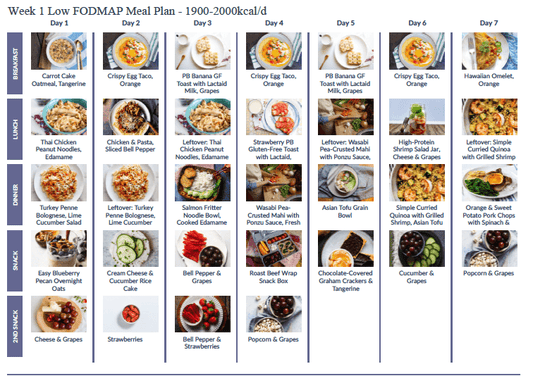
A Practical 7-Day Afternoon Energy Plan You Can Customize
If you try five changes at once, you won't know what worked. This 7-day plan is designed to be simple enough that you'll actually do it.
Daily Non-Negotiables: Protein, Fluids, Fiber, And A Carb Anchor
Use these as your daily baseline for one week:
Morning protein: aim for 20–30 grams before noon (adjust with your clinician for your needs)
Fluids: start earlier than you think you need to: don't wait for thirst
Fiber, but not a "fiber bomb": choose cooked vegetables, oats, chia, or low-FODMAP options if you bloat easily
Carb anchor: include a small, tolerable carb at lunch (or as a mid-afternoon mini-meal) to reduce the 2–4 pm dip
If you want a simple template:
Breakfast: protein + small carb (or half shake + fruit)
Lunch: protein + fiber + carb anchor
Mid-afternoon: mini-meal if the crash usually hits
If-Then Fixes: What To Do When Nausea, Constipation, Or Diarrhea Hits
Use symptom-specific adjustments rather than forcing the same plan every day.
If nausea flares:
Shift to colder, smoother options (shakes, yogurt if tolerated)
Sip fluids: consider ginger or peppermint tea if it agrees with you
Keep meals smaller and more frequent
If constipation builds:
Increase fluids earlier in the day
Add gentle fiber you tolerate (psyllium works for some, but start low)
Prioritize a short post-meal walk for motility support
If diarrhea occurs:
Focus on hydration and electrolytes
Simplify to bland, lower-fat foods temporarily
Check in with your clinician if it's persistent or severe
Tracking What Matters: Energy, GI Symptoms, Meals, And Dose Changes
For seven days, track just four things:
Your 2–4 pm energy rating (0–10)
GI symptoms (nausea, bloating, constipation/diarrhea)
Protein by noon (yes/no, or approximate grams)
Dose day and dose changes
That's enough to spot patterns like: "crash happens on days I skip protein," or "day 2 after injection is always the worst," or "bloating days correlate with fatigue."
Digestive discomfort is one of the most common reasons people struggle with GLP-1 medications. Targeted nutrition support can make a real difference in tolerability. Casa de Sante's physician-formulated digestive enzymes, synbiotics, and motility support supplements are designed specifically for sensitive stomachs on GLP-1 therapy. See what's available at casadesante.com.
This article is for educational purposes only and is not medical advice. Always consult your healthcare provider before making changes to your treatment plan.
Conclusion
GLP-1 afternoon fatigue is usually a signal, not a personal failure: you're underfueled, underhydrated, adjusting to slower digestion, or running on disrupted sleep and hormones. In 2026, the most effective approach isn't more discipline, it's better pacing.
Start with the basics that give you the biggest return: protein early, a lunch that includes an easy-to-digest carb anchor, consistent fluids and electrolytes, and a short post-lunch walk. Then zoom out. If your crash tracks with dose changes, nausea, constipation, perimenopause symptoms, or long-standing low iron or thyroid issues, you'll get further faster by bringing clear data to your clinician and adjusting the plan with medical oversight.
You shouldn't have to choose between effective weight loss and feeling functional at 3 pm. With the right strategy, most people can have both.
Frequently Asked Questions About GLP-1 Afternoon Fatigue and Energy Strategies
Why do GLP-1 medications like semaglutide cause afternoon fatigue?
GLP-1 drugs slow gastric emptying and reduce appetite, leading to lower calorie and protein intake. This underfueling plus delayed digestion causes blood sugar dips and dehydration, resulting in common 2-4 pm fatigue episodes.
How can I prevent the 2-4 pm energy crash while on GLP-1 therapy?
Focus on eating 20–30 grams of protein early in the day, include a balanced lunch with protein, fiber, and easy-to-digest carbs, stay well-hydrated, and consider a short post-lunch walk to stabilize glucose and boost energy.
Can dehydration and electrolyte loss make GLP-1 fatigue worse?
Yes. GI side effects like nausea or diarrhea can cause dehydration and deplete electrolytes (sodium, potassium, magnesium), which often feel like sleepiness or heavy fatigue. Maintaining steady fluid and electrolyte intake helps combat this.
Is it normal to feel worse after increasing the GLP-1 dose?
Fatigue often peaks after dose increases or in the first weeks of treatment. Slow dose titration and adjusting injection timing with your clinician can improve tolerability and reduce afternoon crashes.
What lifestyle adjustments help manage GLP-1-related fatigue beyond diet?
Regular sleep, stress management, light mobility or strength exercises, caffeine timed with meals, and breathing or temperature resets can support steadier energy without overwhelming your system.
When should I seek medical advice for fatigue while on GLP-1 medications?
Seek urgent care if you have severe dehydration (dark urine, dizziness), signs of hypoglycemia if on insulin, persistent vomiting or diarrhea, or fatigue so debilitating that daily tasks are impossible. Always consult your provider if fatigue worsens.