Digestive Enzymes On Semaglutide: What Works, What To Avoid, And How To Choose The Best Option In 2026








If you're on semaglutide and your stomach suddenly feels like it's running on "low power mode," you're not imagining it. The same mechanism that helps with appetite and blood sugar can also slow digestion enough to trigger nausea, bloating, reflux, and that uncomfortable "food just sits there" feeling.
It makes sense that people start searching for the best digestive enzymes for semaglutide. Enzymes can be genuinely helpful in the right scenario. But they're not a universal fix for GLP-1 GI side effects, and some popular enzyme ingredients can actually make things worse, especially if you're already dealing with nausea or heartburn.
This guide walks you through what digestive enzymes can and can't do on semaglutide, which enzyme profiles match specific symptoms, what to look for on labels in 2026, and how to take them safely as part of a bigger gut-tolerance strategy.
Why Semaglutide Can Disrupt Digestion In The First Place
Semaglutide (a GLP-1 receptor agonist) changes digestion on purpose. That's part of how it supports weight loss and glycemic control. The problem is that your GI tract doesn't always love the new pace, especially during dose increases, larger meals, or higher-fat foods.
How GLP-1 Slows Gastric Emptying And Changes Appetite Signals
GLP-1 medications increase satiety (the "I'm satisfied" signal) through the brain and also slow gastric emptying, meaning your stomach releases food into the small intestine more gradually. Clinically, that can blunt post-meal glucose spikes and help you feel full on less food.
But if your stomach is holding onto food longer than you're used to, you can feel:
- Early fullness after a few bites
- Nausea that peaks after meals
- Burping, reflux, or a heavy sensation in the upper abdomen
- Bloating that doesn't match how little you ate
That's a key point for enzymes: most digestive enzymes do their main work in the small intestine, not the stomach. If food is "stuck" upstream, enzymes may not address the main bottleneck.
Common GI Side Effects People Try To Fix With Enzymes
People usually reach for digestive enzymes when they're dealing with:
- Bloating and gas after meals
- Reflux symptoms or "pressure" in the upper belly
- Feeling uncomfortably full for hours
- Food aversions because meals don't feel good
- Stool changes (looser stool, greasy stool, irregularity)
Some of these can improve with enzymes. Others are more directly tied to slowed motility and meal size/composition.
When Enzymes Help vs When They Won't (And What That Means)
Enzymes help most when your symptoms are coming from incomplete breakdown of food once it reaches the small intestine. That's the classic enzyme use case: less fermentation from undigested carbohydrates, less "heavy" protein digestion, or better fat digestion when a meal is rich.
Enzymes usually won't help much when the primary issue is gastric delay itself, meaning your stomach is still holding the meal. In that situation, strategies like smaller meals, slower eating, dose-escalation pacing, nausea-friendly foods, and constipation prevention tend to move the needle more.
Also worth knowing: digestive enzymes act locally in the GI tract, and there are no widely recognized direct pharmacologic interactions with semaglutide. The bigger question isn't "is this dangerous with my GLP-1?", it's "is this the right tool for my symptom pattern?"
What “Best Digestive Enzymes” Means For GLP-1 Users
For the average supplement shopper, "best digestive enzymes" often means "strongest" or "most popular." For semaglutide users, "best" should mean: most symptom-matched, most tolerable, simplest effective formula, and least likely to aggravate nausea or reflux.
The Most Helpful Enzyme Types For GLP-1-Related Symptoms
These are the enzyme categories that tend to map most cleanly to the complaints GLP-1 users describe:
- Alpha-galactosidase: helps break down gas-producing carbohydrates (think beans, some vegetables, certain whole grains). Often useful for meal-related gas and bloating.
- Lactase: helps digest lactose (dairy sugar). Useful if dairy suddenly "doesn't sit right" or you're increasing protein via yogurt/cottage cheese.
- Proteases: help break down protein. Useful if protein feels heavy, sits like a rock, or worsens burping.
- Lipase: helps digest fats. Useful when higher-fat meals lead to nausea, urgency, or greasy stools.
- Broad-spectrum blends: include multiple enzymes to cover mixed meals. For many semaglutide users, broad-spectrum is the most practical starting point because your intake tends to be smaller but more variable.
Important nuance: there's no high-quality evidence that one specific enzyme brand or profile is "the" best for GLP-1 users across the board. In 2026, the best approach is still symptom-driven selection with attention to tolerability.
Signs You Need Enzymes vs More Fiber, Hydration, Or Dose Timing Changes
Consider enzymes when:
- You notice a consistent pattern: certain meals reliably cause gas, bloating, or heaviness.
- Symptoms are meal-triggered more than all-day nausea.
- You're eating higher protein to protect lean mass and protein feels hard to tolerate.
- Stool changes suggest fat intolerance (especially greasy, floating, or difficult-to-flush stool).
Consider non-enzyme strategies first (or alongside) when:
- You're nauseated even without eating much.
- Symptoms spike mainly after semaglutide injections or dose increases.
- Constipation is driving bloating (a very common GLP-1 scenario).
- You're eating quickly, skipping meals, or eating one large meal because appetite is unpredictable.
A practical way to think about it: enzymes are "food chemistry" support. Many GLP-1 symptoms are "motility" issues. They overlap, but they're not identical.
What To Look For On Labels: Potency, Delivery, And Quality Markers
Labels can be confusing, and marketing can be louder than the science. Here's what matters most:
- Enzyme activity units, not just milligrams. Different enzymes are measured differently (for example, lipase vs protease). A label that lists activity tends to be more transparent.
- Clear enzyme targets. You want to know what the formula is designed to help digest: lactose, fats, proteins, fermentable carbs, or a mix.
- Delivery format you can tolerate. Capsules are often easier for GLP-1-sensitive stomachs than sugary chews or gummies.
- Minimal "extras." Artificial sweeteners, sugar alcohols, inulin-type fibers, or strong acidifiers can worsen bloating or nausea.
- Third-party testing or strong quality practices. Look for GMP manufacturing and brands that can speak to sourcing and testing.
If you're prone to reflux on semaglutide, be especially cautious with "high-acid" digestive blends (more on that below).
The Best Digestive Enzyme Profiles For Semaglutide Users (By Goal)
Instead of hunting for one "best digestive enzymes for semaglutide" product, you'll usually get better results by matching the enzyme profile to the specific problem you're trying to solve.
For Bloating And Gas After Meals: Broad-Spectrum With Alpha-Galactosidase
If your main issue is gas and bloating after otherwise normal meals, a broad-spectrum enzyme that includes alpha-galactosidase is often a reasonable first try.
Why: when carbohydrates aren't fully broken down, they can be fermented by gut microbes, producing gas. On semaglutide, slower transit can give that fermentation more time to happen.
This approach is especially relevant if you're eating:
- Beans and lentils
- Cruciferous vegetables (broccoli, cauliflower)
- High-fiber grain products
If your bloating is constant and paired with constipation, you'll also want to address regularity, because backed-up stool alone can create significant distension.
For Greasy Stools Or Fatty Meals: Lipase-Forward Formulas
If you notice greasy, shiny, floating, or hard-to-flush stools, especially after higher-fat meals, look for an enzyme blend that emphasizes lipase.
Why: lipase supports fat digestion. While semaglutide doesn't "turn off" your pancreas, appetite changes can lead to irregular meal patterns (very low intake some days, richer meals other days), and some people become more sensitive to dietary fat while on GLP-1 therapy.
A clinician should weigh in if fatty stool is persistent, severe, or new for you, because gallbladder and pancreatic issues need to be ruled out.
For Protein Heaviness Or Early Fullness: Protease-Predominant Options
If protein feels like it sits for hours, causes burping, or triggers a "brick in the stomach" sensation, you may do better with protease-predominant enzymes.
This matters on GLP-1s because protein intake is one of the biggest nutritional challenges during appetite suppression. People often shift toward dense protein (shakes, Greek yogurt, chicken, eggs) and then feel worse, so they stop. Protease support won't fix slowed gastric emptying, but it may reduce downstream discomfort from partially digested protein once the meal moves along.
If early fullness is your dominant symptom, also consider the mechanical side: smaller portions, slower eating, and avoiding high-fat plus high-volume meals in the same sitting.
For Dairy Sensitivity: Lactase Add-Ons (Or Combo Formulas)
Some people discover that dairy becomes less tolerable on semaglutide, often because they're using dairy to hit protein goals.
If your symptoms show up after milk, ice cream, whey-heavy shakes, or even "healthy" yogurt bowls, lactase can be a targeted, low-drama tool. You can use a lactase add-on or choose a blend that includes lactase.
If you're reacting to dairy proteins (casein or whey) rather than lactose, lactase won't help. That's when you'd consider dairy-free protein options or a different protein structure entirely.
For High-FODMAP Triggers: Targeted Carbohydrate Enzymes And Food Strategy
FODMAPs are fermentable carbohydrates that can trigger bloating, gas, and stool changes in sensitive guts (common in IBS, and common in people who suddenly become "reactive" on GLP-1 therapy).
Targeted carbohydrate enzymes can help for certain FODMAP categories, but they're not magic. The most reliable approach is still identifying your biggest triggers and adjusting portions and combinations.
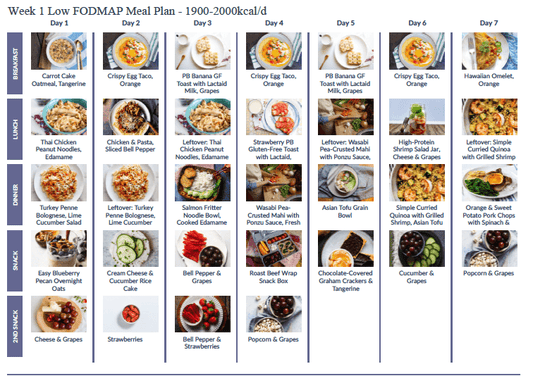
A practical GLP-1-friendly food strategy looks like this:
- Choose lower-FODMAP carbs when your gut is flaring
- Keep meals smaller, especially dinner
- Separate very high fiber and very high fat (that combo is rough for many people on semaglutide)
- Build predictability: consistent meal timing often improves symptoms more than people expect
If you're already doing a low FODMAP diet for IBS, enzyme support can be a useful "bridge" tool during travel, restaurant meals, or reintroduction phases.
Enzyme Ingredients That Often Backfire On Semaglutide (And Who Should Avoid Them)
The biggest mistake I see is choosing an enzyme formula that's too harsh for a GLP-1-sensitive stomach. "Stronger" isn't always better when nausea and reflux are on the table.
Betaine HCl And "High-Acid" Blends When You Have Nausea Or Reflux
Betaine HCl is used to increase stomach acidity. It can be helpful for certain people with low stomach acid, but on semaglutide, where nausea, reflux, and delayed emptying are common, adding acid can worsen burning, regurgitation, and upper abdominal discomfort.
If you're already dealing with:
- Heartburn or GERD symptoms
- Frequent burping with sour taste
- Nausea that's worse after meals
…be cautious with HCl-containing blends unless a clinician specifically recommends it.
High-Dose Pancreatin, Ox Bile, And Bile Salts: When They're Appropriate (And When They're Not)
Pancreatin is a mix of pancreatic enzymes (lipase, protease, amylase) used medically for pancreatic insufficiency. Bile salts and ox bile are sometimes used to support fat digestion.
These can be appropriate in specific clinical situations, but they're not casual add-ons, especially if you have a history of:
- Gallstones or gallbladder inflammation
- Biliary colic (right upper abdominal pain after fatty meals)
- Unexplained diarrhea
Semaglutide has been associated with gallbladder-related events in a small percentage of users, particularly in the setting of rapid weight loss. If you're having fatty food intolerance plus pain, that's not a "try a bile supplement" moment. That's a "talk to your clinician" moment.
Added Sugar Alcohols, Inulin, And Other Bloat-Triggers In Chews And Gummies
Many chewable "digestive" products include sugar alcohols (like sorbitol, mannitol, xylitol), chicory root/inulin, or other fermentable fibers to improve taste or texture.
For GLP-1 users who already have slowed motility, these ingredients can:
- Increase gas production
- Worsen bloating
- Trigger loose stools in some people
If you're trying to calm a sensitive gut, a simple capsule formula is often the cleaner choice than a candy-like delivery format.
How To Take Digestive Enzymes While Using Semaglutide
Even the right enzyme profile won't help much if the timing and meal structure are working against you. On semaglutide, how you eat matters almost as much as what you take.
Timing With Meals: First Bite, Split Dosing, And Smaller Meals
Most enzyme products are designed to be taken with the first bite of food so they can mix with the meal as it moves through the upper GI tract.
If you're eating a larger meal (or a meal with multiple "courses"), some people do better with split dosing, taking part at the first bite and part halfway through. The goal is coverage across the full meal, not a bolus that's gone before the meal has moved along.
Because semaglutide tends to reduce appetite, you may also do best by default with smaller, more frequent meals. It's not about willpower: it's about physics. A stomach that empties more slowly is less forgiving of large volume.
How To Pair Enzymes With Protein Goals And Slower Eating
If you're trying to preserve lean mass during weight loss, protein matters. But forcing large protein portions into a slow-emptying stomach can backfire.
A more tolerable pattern for many people is:
- Smaller protein portions spread across the day
- Softer textures when nausea is active (shakes, soups, yogurt if tolerated)
- Slower eating (think: put the fork down between bites)
Enzymes can support digestion, but pacing reduces the load your stomach has to hold at one time.
When To Stop, Switch, Or Titrate Up (And What Improvement Looks Like)
Digestive enzymes aren't a "forever no matter what" supplement. You're looking for measurable changes like:
- Less bloating within a few meals to a week
- Less meal-related gas
- Less heaviness after protein-forward meals
- Better stool consistency when the issue is fat digestion
If nothing changes after a reasonable trial, it's a signal to reassess the main driver. Many GLP-1 GI problems improve more with dose timing, meal size, constipation prevention, and identifying trigger foods than with adding more supplements.
Also stop and reassess if an enzyme formula makes nausea, burning, or cramping worse. That often points to an ingredient mismatch (acidifiers, bile salts, sugar alcohols) rather than "you need more enzymes."
Enzymes vs Other GLP-1 Digestive Supports: What To Try First
If you're deciding where to start, it's reasonable to begin with the lowest-risk, highest-upside supports, especially during the first months of semaglutide or around dose escalations.
Ginger, Peppermint, And Nausea-Friendly Options
For nausea, ginger has the best overall track record as a non-prescription option, and many people tolerate it well. Peppermint can help with cramping and some bloating patterns, but if you have reflux, peppermint may worsen symptoms by relaxing the lower esophageal sphincter.
If nausea is your primary issue, enzymes may not be the first tool. Nausea on semaglutide is often more about slowed gastric emptying, meal size, and fat content than a true enzyme deficit.
Magnesium, Osmotic Support, And Constipation-Safe Approaches
Constipation is a major hidden driver of bloating and discomfort on GLP-1 therapy. If stool is sitting in the colon longer, you can feel full, distended, and gassy even with small meals.
Many clinicians use magnesium (in forms that draw water into the bowel) or other osmotic approaches as part of a constipation plan, along with hydration and gradual fiber changes.
Enzymes won't fix constipation. If you're bloated and not having regular bowel movements, address regularity first or at least in parallel.
Low-FODMAP Adjustments And Meal Structure For Sensitive Stomachs
When your gut is reactive, a temporary low-FODMAP approach can reduce fermentable carbohydrates that feed gas production. This can be particularly helpful if semaglutide changed your food preferences and you've suddenly increased "healthy" high-FODMAP foods (certain protein bars, chicory root fiber, onions/garlic, large servings of certain fruits).
Meal structure matters too:
- Smaller meals, especially at night
- Lower-fat choices during nausea flares
- Consistent meal timing (skipping all day then eating a big dinner is a common trigger)
If you layer these basics first, enzymes, when you add them, tend to work better and feel gentler.
When To Talk To A Clinician Before Adding Enzymes
Most over-the-counter enzyme blends are low risk, but GLP-1 therapy changes your GI physiology enough that certain symptom patterns deserve medical evaluation before you self-manage.
Red Flags: Severe Pain, Persistent Vomiting, Dehydration, Or Rapid Worsening Symptoms
Talk to a clinician promptly if you have:
- Severe or escalating abdominal pain
- Persistent vomiting or inability to keep fluids down
- Signs of dehydration (dizziness, very dark urine, weakness)
- Rapidly worsening symptoms after a dose increase
These aren't "try another supplement" situations. They require assessment to rule out complications and to adjust your treatment plan safely.
Gallbladder, Pancreas, GERD, And IBS Considerations
A few common considerations on semaglutide:
- Gallbladder: right upper abdominal pain after meals, nausea with fatty foods, or pain that radiates to the back/shoulder should be evaluated.
- Pancreas: severe upper abdominal pain, persistent vomiting, or pain radiating to the back warrants urgent evaluation.
- GERD: if reflux is new or worsening, avoid high-acid enzyme blends and discuss symptom control strategies.
- IBS: if you already have IBS, targeted approaches (low-FODMAP strategy, specific carbohydrate enzymes, constipation management) often outperform random supplement stacking.
Medication Timing, Dose Escalation, And Side-Effect Tracking
A simple tracking habit can help you and your clinician identify patterns:
- Injection day and dose
- Meal size and fat content
- Timing of nausea, reflux, bloating
- Stool frequency and consistency
GLP-1 side effects often cluster around escalation weeks. If your symptoms track tightly with dose changes, the best "digestive support" may be a slower titration, different dosing strategy, or a structured plan to protect hydration, protein, and bowel regularity during transitions.
Conclusion
The best digestive enzymes for semaglutide aren't defined by hype or the most aggressive formula. They're defined by fit: the right enzyme profile for your symptom pattern, delivered in a form your GLP-1-sensitive stomach can tolerate, and used alongside the unglamorous basics that actually drive comfort, smaller meals, slower eating, constipation prevention, and smarter trigger-food choices.
If your main issue is meal-related gas and bloating, a broad-spectrum blend with alpha-galactosidase is often a logical starting point. If it's dairy, think lactase. If protein feels heavy, prioritize proteases. And if reflux or nausea is prominent, be cautious with betaine HCl and "high-acid" blends that can amplify the burn.
Digestive discomfort is one of the most common reasons people struggle with GLP-1 medications. Targeted nutrition support can make a real difference in tolerability. Casa de Sante's physician-formulated digestive enzymes, synbiotics, and motility support supplements are designed specifically for sensitive stomachs on GLP-1 therapy. See what's available at casadesante.com.
This article is for educational purposes only and is not medical advice. Always consult your healthcare provider before making changes to your treatment plan.
Frequently Asked Questions About Digestive Enzymes and Semaglutide
Why does semaglutide cause digestive discomfort such as nausea and bloating?
Semaglutide slows gastric emptying by activating GLP-1 receptors, which delays food passing from the stomach to the small intestine. This can cause nausea, bloating, reflux, and a feeling of fullness due to slower digestion.
Can digestive enzymes help with gastrointestinal side effects caused by semaglutide?
Digestive enzymes may help break down food in the small intestine and reduce symptoms like gas or heaviness from undigested nutrients. However, they do not address the slowed gastric emptying that causes early fullness or nausea on semaglutide.
Which types of digestive enzymes are most effective for semaglutide users experiencing bloating after meals?
Broad-spectrum enzyme blends containing alpha-galactosidase are effective for breaking down gas-producing carbohydrates, helping reduce bloating and gas commonly experienced after meals while on semaglutide.
Are there any digestive enzymes that semaglutide users should avoid due to potential worsening of symptoms?
Yes, formulas containing betaine HCl or high-acid ingredients may worsen nausea and reflux in sensitive users. High-dose pancreatin or bile salts should be avoided without medical advice, especially if you have gallbladder issues.
How should digestive enzymes be taken when using semaglutide for best results?
Take digestive enzymes with the first bite of food, and for larger meals consider split dosing mid-meal. Smaller, more frequent meals combined with slower eating and protein pacing improve enzyme effectiveness and tolerance.
What other strategies can improve digestive comfort beyond enzymes for people on semaglutide?
Nausea-friendly approaches like ginger, peppermint (if no reflux), hydration, managing constipation with magnesium or fiber adjustments, low-FODMAP diets, and careful meal timing often improve symptoms more than enzymes alone.