Digestive Enzymes On Semaglutide: What Helps (And What To Skip) For GLP-1 GI Side Effects In 2026








If you're on semaglutide (Ozempic or Wegovy) and your stomach suddenly feels "picky," you're not imagining it. The same GLP-1 mechanism that helps with appetite and blood sugar also changes how your stomach and intestines move food along. That's why people who tolerated almost anything before treatment can start getting early fullness, nausea after a few bites, reflux at night, or constipation that seems to come out of nowhere.
Digestive enzymes for semaglutide are one of the most searched "fixes" for GLP-1 gut side effects. Sometimes they genuinely help, especially when symptoms are tied to specific foods. Other times they're the wrong tool, and relying on them can delay the real solution (like adjusting meal composition, hydration, or constipation support). This guide breaks down what enzymes do, which types may help, how to use them safely, and when to skip them altogether.
Why Semaglutide Can Trigger Digestive Symptoms
Semaglutide is a GLP-1 receptor agonist. In plain English: it mimics a hormone your body already uses to regulate appetite and blood sugar. That "mimic" effect is exactly why it works, and also why your GI tract can feel different on it.
How GLP-1s Change Motility, Stomach Emptying, And Appetite Signals
GLP-1 medications slow gastric emptying (how quickly food leaves your stomach). They also influence gut motility (how the intestines move contents forward) and appetite signaling between the gut and brain.
Clinically, that combination tends to:
Reduce post-meal blood sugar spikes by slowing the rate at which glucose hits your bloodstream
Increase satiety so you feel full sooner and stay full longer
But a slower "traffic pattern" in the upper GI tract can mean food sits in the stomach longer. For some people, that translates into pressure, nausea, or reflux, especially after larger meals or higher-fat meals.
Common Symptom Patterns: Fullness, Bloating, Reflux, Nausea, Constipation, Diarrhea
GLP-1 side effects aren't random. They often cluster into predictable patterns:
Early fullness and "food just sits there" heaviness, often worse with larger portions
Bloating and gas, sometimes from carbohydrate fermentation in the gut (and sometimes from constipation backing things up)
Reflux or heartburn, particularly if stomach contents linger and you lie down too soon after eating
Nausea, which may show up after meals, with dose increases, or when you're under-hydrated
Constipation from slowed intestinal transit, lower overall food volume, and less fluid intake
Diarrhea in a subset of people (sometimes related to food choices, dose titration, or bile/gallbladder factors)
This matters because digestive enzymes tend to help best when symptoms are meal-triggered (specific foods or macronutrients), not when symptoms are primarily driven by medication timing or dose escalation.
What Digestive Enzymes Are (And Aren’t)
Digestive enzymes are proteins that break down food into smaller parts so your body can absorb nutrients more easily. Your pancreas and small intestine already make many of these enzymes. Supplements add extra support, sometimes useful, sometimes unnecessary.
Enzymes vs. Probiotics, Fiber, Antacids, And Peppermint
It's easy to lump "gut supplements" together, but they're solving different problems.
Digestive enzymes help break down food (proteins, fats, carbs). They're most relevant for post-meal symptoms tied to digestion.
Probiotics and synbiotics (probiotics plus prebiotics) aim to influence the gut microbiome. They're more about long-term gut ecosystem support than immediate meal digestion.
Fiber (like psyllium) adds bulk and can improve stool form and regularity. It can help constipation, but the wrong fiber type or too much too fast can worsen bloating.
Antacids and acid blockers target stomach acid. They may help heartburn, but they don't "speed up" gastric emptying.
Peppermint can relax intestinal smooth muscle (helpful for some IBS-type cramping), but it can worsen reflux in some people.
So if your main issue is "I feel overly full and nauseated for hours after eating," enzymes might help if the meal is the trigger, but they won't directly reverse GLP-1 slowed gastric emptying.
When Enzymes Make Sense: Food-Triggered Symptoms vs. Medication-Timing Symptoms
Digestive enzymes for semaglutide tend to make the most sense when you can say:
"I feel worse after certain meals" (for example: dairy, beans, high-fat takeout, big salads with cruciferous veggies)
"I'm doing higher protein to protect muscle, and shakes or protein-heavy meals sit like a rock"
"I get gas and bloating after specific carbs, even if the portion is small"
Enzymes are less likely to help when symptoms line up with:
Dose increase weeks (the classic ‘titration' nausea)
Medication day patterns regardless of what you eat
Persistent reflux that's worse at night even after small, low-fat meals
The good news: digestive enzymes don't have known pharmacologic interactions with semaglutide itself. The real issue is choosing the right enzyme for the right symptom, and not stacking supplements in a way that irritates your gut.
Which Enzymes May Help On Semaglutide (By Symptom And Meal Type)
Think of enzymes like "meal tools," not daily medication. Match them to what you're eating and what you're feeling.
Broad-Spectrum Enzymes For Mixed Meals (Protease, Lipase, Amylase)
If your meals are mixed (protein + carbs + fat), a broad-spectrum formula is the most practical starting point.
Protease helps break down protein (meat, eggs, protein powders).
Amylase helps break down starches (rice, potatoes, oats).
Lipase helps break down fats (oils, nuts, cheese, fried foods).
When this is most relevant on semaglutide:
Your portions are smaller, but you're prioritizing protein and nutrient density, so meals can be "heavier" per bite.
You notice post-meal heaviness, burping, or lingering fullness that's clearly meal-related.
Lactase For Dairy Sensitivity And High-Protein Shakes
Lactase specifically breaks down lactose, the natural sugar in dairy.
Why it comes up so often on GLP-1s:
Many people increase protein using whey-based shakes, Greek yogurt, cottage cheese, or protein coffees.
Semaglutide can make you more sensitive to anything that's even mildly hard to digest because the food is staying in your stomach longer.
Clues lactase might help:
Bloating, gas, cramping, or urgent stools after dairy
Symptoms that improve when you switch to lactose-free dairy or a non-dairy protein option
If you're using protein to preserve lean mass, this can be a simple lever: either use lactase with dairy, choose lactose-free options, or rotate in plant-based proteins if they're more tolerable.
Alpha-Galactosidase For Beans, Crucifers, And High-FODMAP Carbs
Alpha-galactosidase helps break down certain fermentable carbohydrates found in:
Beans and lentils
Cruciferous vegetables (broccoli, cauliflower, Brussels sprouts)
Some whole grains and certain high-FODMAP foods
On semaglutide, fermentation-related gas can feel more intense because you may already be dealing with slower transit. If you're noticing "bloat that builds through the day" after bean-heavy meals, big salads, or lots of crucifers, alpha-galactosidase is the more targeted option compared with a generic broad-spectrum enzyme.
Lipase Support For High-Fat Meals And Post-Meal Heaviness
High-fat meals tend to be a common trigger on GLP-1s. Fat naturally slows gastric emptying even without medication, and semaglutide adds an additional slow-down.
Lipase support may help when:
You feel heavy, nauseated, or overly full after higher-fat meals (creamy sauces, fried foods, large amounts of nut butter, rich restaurant meals)
Your symptoms improve when you reduce fat per meal
Important nuance: if fatty foods consistently cause significant upper abdominal pain, nausea, or vomiting, that's not a "take more enzymes" situation. That pattern can overlap with gallbladder issues, which are a known clinical concern during rapid weight loss in general.
How To Use Digestive Enzymes Safely While On Semaglutide
Used correctly, enzymes are usually low-risk. Used randomly, they're often disappointing.
Dosing, Timing, And Titration: Start Low, Match The Enzyme To The Meal
A practical, conservative approach:
Take enzymes with the first few bites of the meal (not 30 minutes later). Enzymes need to be present when food arrives.
Start with the lowest effective dose on the label for your largest or most symptomatic meal, then adjust based on response.
Match the enzyme to the meal:
Broad-spectrum for mixed meals
Lactase for dairy-heavy meals or whey shakes
Alpha-galactosidase for beans/crucifers/high-FODMAP carb loads
Extra lipase emphasis for higher-fat meals
If you're in a semaglutide dose-escalation phase, keep other variables stable for a week at a time. Otherwise it's hard to know what's helping and what's just your body adapting to the medication.
What To Expect: How Fast They Work And How To Tell If They're Helping
Enzymes are not like probiotics, where you may wait weeks. If enzymes help you, you typically notice it the same day:
Less post-meal heaviness
Less burping/belching and "stomach pressure"
Less gas after trigger foods (especially with alpha-galactosidase)
More comfortable digestion of protein-forward meals
How to judge fairly (without overthinking it):
Pick one predictable test meal (for example, your usual protein shake or your usual dinner).
Use the enzyme consistently with that meal for 3 to 5 exposures.
Track one or two symptoms only (like nausea after eating and bloating by bedtime).
If nothing changes after several tries, it may simply not be the right tool for your pattern, especially if your symptoms are more related to slowed motility, constipation, or reflux mechanics than to digestion of a particular food.
When Enzymes Can Backfire Or Aren’t Appropriate
Enzymes are often marketed as universally helpful. In GLP-1 care, "universal" is rarely true.
Red Flags That Need Medical Guidance: Severe Pain, Vomiting, Dehydration, GI Bleeding
Do not try to self-manage these symptoms with supplements:
Severe or persistent abdominal pain (especially upper abdominal pain)
Repeated vomiting or inability to keep fluids down
Signs of dehydration (dizziness, very dark urine, rapid heartbeat)
Black/tarry stools or visible blood
Severe constipation with significant pain or no passage of gas
These require clinician input to rule out complications and to adjust your overall plan safely.
People Who Should Be Cautious: Pancreatitis History, Gallbladder Disease, GERD, Mast Cell Issues
You should be more cautious with enzyme supplements (and discuss them with your clinician) if you have:
A history of pancreatitis, because abdominal symptoms can overlap and you don't want to mask warning signs.
Known gallbladder disease or classic fatty-food pain patterns, because post-meal symptoms may not be a digestion issue.
Significant GERD (reflux). Some enzyme blends include acidic components or ingredients that can irritate a sensitive esophagus.
Mast cell activation or a history of supplement sensitivities, because multi-ingredient blends can be harder to tolerate.
Interactions And Pitfalls: Acid-Resistant Capsules, Irritants, And Over-Stacking Supplements
Three practical pitfalls show up a lot in real life:
Acid protection and delivery: some enzymes are formulated in acid-resistant capsules to help them survive stomach acid and work in the small intestine. That can matter depending on the blend.
Irritating add-ons: watch for unnecessary herbs, strong spices, or high-dose acids in "all-in-one" products, especially if you're already nauseated.
Over-stacking: it's common to see enzymes plus probiotics plus fiber plus magnesium plus peppermint plus multiple antacids. Layering too many interventions at once can worsen bloating or diarrhea and makes it impossible to know what's actually helping.
If you're dealing with multiple GI symptoms on semaglutide, it's usually better to pick one goal first (for example: constipation relief or reflux control) and build from there.
Food-First Strategies That Often Beat Supplements For GLP-1 Digestion
If you want the highest return on effort, focus on the levers that change physiology: meal size, meal composition, and hydration. Supplements are optional support, not the foundation.
GLP-1-Friendly Meal Structure: Smaller Portions, Protein Spacing, Lower Fat Per Meal
A structure that tends to work better on semaglutide:
Smaller portions more often rather than one large "normal" meal that sits in your stomach for hours
Protein spacing (split protein across meals) instead of trying to cram it into one sitting
Lower fat per meal, because fat plus GLP-1 slowing is a common nausea trigger
If you're trying to preserve lean mass while losing weight, protein still matters. But on GLP-1 therapy, tolerability often improves when protein is distributed across the day (including breakfast), and when you pick proteins that are easier for you to digest.
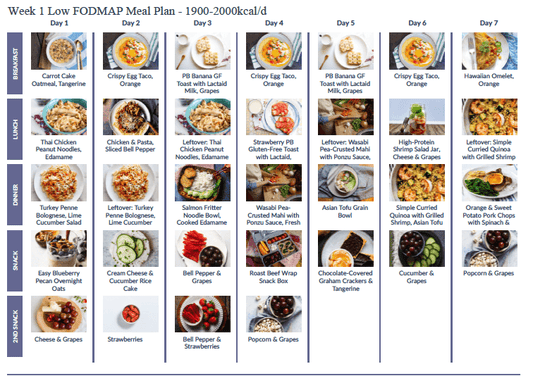
Low-FODMAP And IBS-Sensitive Swaps For Bloating And Gas
If bloating and gas are your main issue, consider that semaglutide may be amplifying an IBS-style sensitivity you already had.
Low-FODMAP swaps that often reduce fermentation:
Swap onion/garlic-heavy meals for garlic-infused oil and chives (flavor without the FODMAP load)
Choose sourdough or gluten-free options over wheat-dense breads if wheat triggers bloat
Try lower-FODMAP fruits (berries, citrus) instead of large servings of apples, pears, or mango
Use smaller portions of beans, or choose lentils prepared in ways you tolerate better
You don't need to live on a strict low-FODMAP plan forever. Many people do better with a "strategic" approach: lower FODMAP during dose increases or symptom flares, then broaden as tolerated.
Hydration, Electrolytes, And Constipation Support Without Worsening Bloating
Constipation on semaglutide is common, and constipation alone can worsen nausea, reflux, and bloating.
Three principles that help without making you feel more distended:
Hydration first: if appetite is down, fluid intake often drops too.
Electrolytes can help you actually retain and use the fluid, especially if you're eating less overall.
Fiber type matters: some people do well with psyllium (a gentle, gel-forming fiber), while others bloat if they increase fiber too quickly. The "right" fiber is the one you can tolerate consistently.
If you're constipated and you keep adding more fiber without enough fluid, bloating often gets worse, fast. Think "water + movement + the smallest effective amount of fiber," not "fiber at all costs."
Special Considerations For Perimenopause And Menopause
If you're in perimenopause or menopause, GLP-1 digestion can feel like it has its own personality. That's not in your head, it's physiology.
Why Midlife Hormones Can Shift Motility, Reflux, And Constipation On GLP-1s
Estrogen and progesterone shifts can influence:
GI motility (how quickly things move)
Visceral sensitivity (how strongly you feel bloating or cramping)
Sleep quality and stress hormones, which affect gut function
Body composition changes, which may change how you tolerate certain foods
Add semaglutide-induced slowing on top of that, and it's easy to end up with a perfect storm: slower transit, more reflux, and a narrower "safe" meal window.
Practical Adjustments: Protein Targets, Fiber Type, And Timing Around Workouts And Sleep
A few adjustments tend to be especially helpful in midlife:
Protein targets: you still need enough protein to protect muscle, but you may do better with smaller doses more frequently (for example, protein at breakfast instead of back-loading at dinner).
Fiber choice: prioritize fibers you tolerate. Some people do better with a gel-forming option (like psyllium) rather than large servings of raw crucifers or bran.
Workout timing: if you train, consider placing a more substantial meal earlier in the day when nausea is lower, and keeping dinner lighter.
Sleep and reflux: avoid large meals close to bedtime, and pay attention to trigger foods that worsen nighttime reflux.
If your symptoms spike around certain parts of your cycle (perimenopause) or during sleep disruption (common in menopause), treat that as useful data. The goal isn't perfection, it's a plan that keeps you consistent and comfortable enough to stay on therapy if it's benefiting you.
Conclusion
Digestive enzymes for semaglutide can be a smart, targeted add-on, particularly when your symptoms are clearly tied to specific foods like dairy, beans/crucifers, high-fat meals, or protein-heavy shakes. But they're not a universal antidote to GLP-1 GI side effects. If your nausea, reflux, or constipation is primarily driven by slowed motility, dose titration, or hydration gaps, food structure and symptom-specific supports often outperform a supplement drawer.
The most practical approach in 2026 is still the simplest: identify your pattern, match the intervention to the pattern, and change one variable at a time so you can actually tell what works.
Digestive discomfort is one of the most common reasons people struggle with GLP-1 medications. Targeted nutrition support can make a real difference in tolerability. Casa de Sante's physician-formulated digestive enzymes, synbiotics, and motility support supplements are designed specifically for sensitive stomachs on GLP-1 therapy. See what's available at casadesante.com.
This article is for educational purposes only and is not medical advice. Always consult your healthcare provider before making changes to your treatment plan.
Digestive Enzymes and Semaglutide: Frequently Asked Questions
Why does semaglutide cause digestive symptoms like nausea and fullness?
Semaglutide slows gastric emptying and alters gut motility by mimicking GLP-1 hormone effects, which reduces blood sugar spikes and appetite but can cause symptoms such as nausea, fullness, bloating, reflux, and constipation.
Can digestive enzymes help with semaglutide-related digestive issues?
Digestive enzymes can help mainly when symptoms are triggered by specific foods like dairy, beans, or high-fat meals by aiding digestion. They generally do not relieve symptoms caused by medication timing or dose escalation.
Which types of digestive enzymes are recommended for people taking semaglutide?
Broad-spectrum enzymes (protease, lipase, amylase) help with mixed meals; lactase aids dairy digestion; alpha-galactosidase targets beans and cruciferous vegetables; lipase supports digestion of fatty meals, improving post-meal comfort on semaglutide.
How should digestive enzymes be used safely while on semaglutide?
Take enzymes with the first bites of symptomatic meals, start at a low dose, and titrate as needed. Choose enzyme types that match your meal composition and avoid stacking multiple supplements to reduce the risk of irritation or bloating.
Are there situations when digestive enzymes should be avoided during semaglutide treatment?
Yes, avoid enzymes if you experience severe abdominal pain, vomiting, dehydration, or GI bleeding. People with pancreatitis history, gallbladder disease, GERD, or mast cell disorders should consult a doctor before using enzymes.
What dietary strategies can improve digestive comfort for those on semaglutide besides using enzymes?
Eating smaller, more frequent meals with spaced protein, lowering fat per meal, using low-FODMAP food swaps to reduce gas, and maintaining hydration with electrolytes can significantly improve digestive symptoms on semaglutide without relying solely on supplements.