The Best Probiotic for GLP-1 Users (And Why Your Gut Needs Extra Help)



The Best Probiotic for GLP-1 Users (And Why Your Gut Needs Extra Help)
If you're on a GLP-1 medication, you've likely noticed changes in your digestion. GLP-1 receptor agonists slow gastric emptying and alter transit time throughout the entire GI tract — changing the environment your gut microbiome lives in. This means the balance of bacteria in your gut shifts, often in ways that contribute to bloating, irregular bowel movements, and digestive discomfort.
Probiotic supplementation has become one of the most discussed interventions in the GLP-1 community. But not all probiotics are appropriate for GLP-1 users — and many popular options contain high-FODMAP prebiotic ingredients that can make symptoms significantly worse.
How GLP-1 Medication Affects Your Gut Microbiome
GLP-1 receptors are distributed throughout the gastrointestinal tract, not just in the stomach. Activating these receptors slows food transit from the stomach through the small and large intestine. Slower transit changes how bacteria ferment food residues, alters pH balance in different gut regions, and can disrupt the normal composition of microbial communities.
Research suggests GLP-1 medications may also directly influence gut permeability and microbial diversity. Many users report IBS-like symptoms — alternating constipation and loose stools, bloating, and gas — particularly in the early weeks of treatment or after dose increases.
Why Most Probiotics Aren't Suitable for GLP-1 Users
Most commercially available probiotic supplements are formulated for general digestive wellness. They frequently contain high-FODMAP ingredients added as prebiotic carriers: inulin, fructooligosaccharides (FOS), and chicory root extract are among the most common.
These fermentable fibers are exactly the type of ingredients that trigger symptoms in people with slowed gut motility. For a GLP-1 user already dealing with altered transit and a disrupted microbiome, a high-FODMAP probiotic can significantly worsen bloating, cramping, and gas rather than providing relief.
What to Look for in a GLP-1 Probiotic
- Low FODMAP certified — verified free of inulin, FOS, and other high-FODMAP prebiotics
- Multi-strain formula — combination of Lactobacillus and Bifidobacterium strains with published research support
- Minimum 10 billion CFU — sufficient live organisms to colonize and support gut health
- MD formulated — developed with clinical input for GLP-1 users specifically
The Low FODMAP Advantage for GLP-1 Users
The Low FODMAP diet was originally developed at Monash University to help people with IBS manage digestive symptoms by reducing fermentable carbohydrates. The parallel with GLP-1 users is direct: slowed gut motility creates conditions where FODMAP fermentation is exaggerated, making the same ingredients that bother IBS patients particularly problematic for GLP-1 users.
Choosing a low FODMAP certified probiotic eliminates this risk entirely — you get the microbiome benefits without the fermentation-driven discomfort.
Ready to Feel Better on GLP-1?
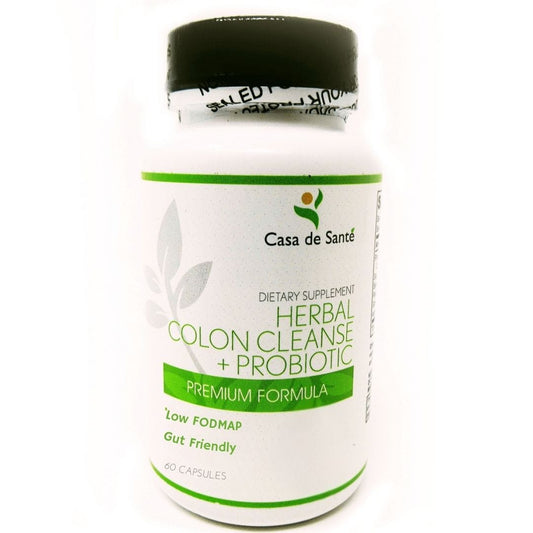
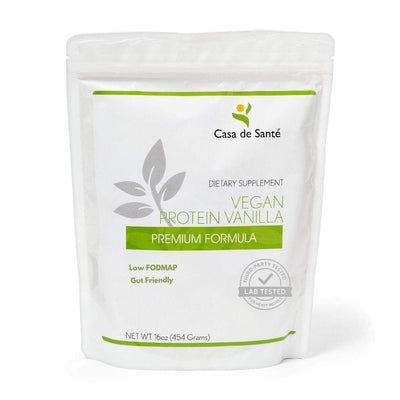
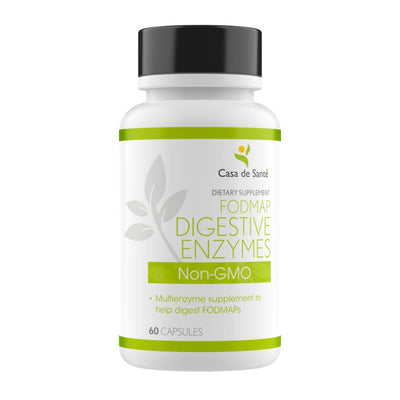
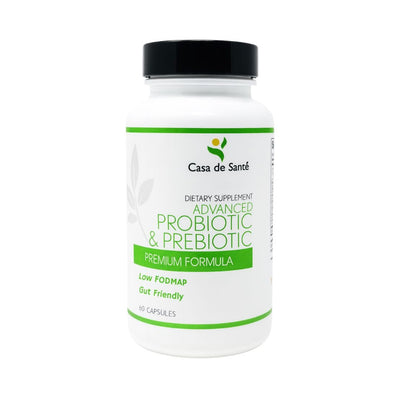
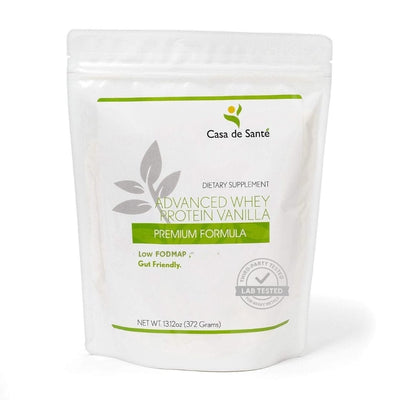
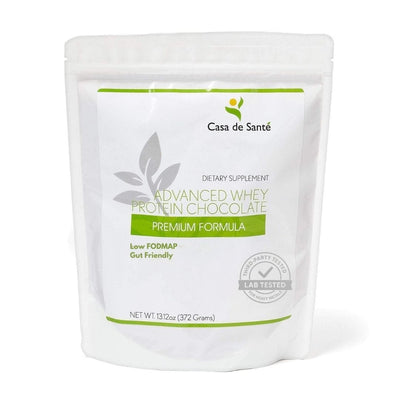
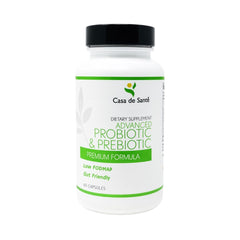
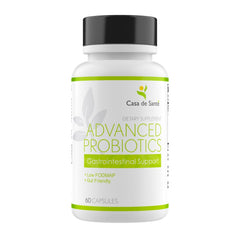
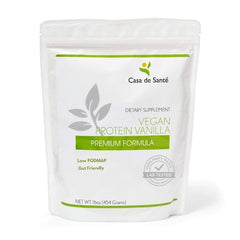
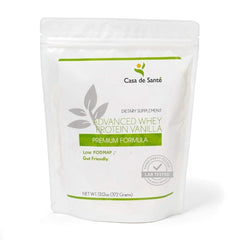
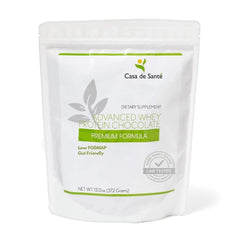
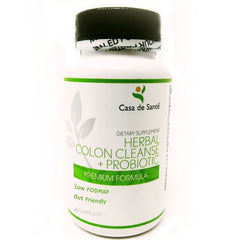
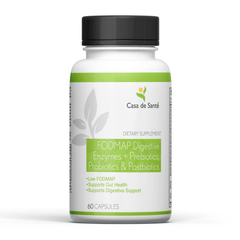
Casa de Sante supplements are low FODMAP certified and MD formulated specifically for GLP-1 medication users.
Shop GLP-1 Digestive Support Synbiotic →Frequently Asked Questions
Can I take a probiotic with GLP-1 medication?
Yes. Probiotics are generally safe alongside GLP-1 medications with no known interactions. Always consult your healthcare provider before starting new supplements.
How long before probiotics help on GLP-1?
Most people notice improvement in digestive comfort within 2–4 weeks of consistent use. Microbiome changes take time — consistency matters more than dose.
Do I need a low FODMAP probiotic on GLP-1?
If you're experiencing bloating or digestive discomfort on GLP-1, yes. Standard probiotics with inulin or FOS can significantly worsen these symptoms.